


It is Sunday, March 22, 2026, and if you’ve glanced at the news today, you probably noticed a familiar trend. Energy prices are dominating the headlines again. Between ongoing tensions in the Middle East and the resulting spikes in global oil prices, the "quiet life" we all hoped for in the energy market hasn't quite arrived.
If you are sitting in your home in Dorset or Hampshire, wondering why your electricity bill is still creeping up despite all the talk of a "green transition," you aren't alone. You might be asking yourself: Is 2026 finally the year I need to pull the trigger on solar and battery storage?
The short answer? It’s no longer just about "saving the planet." In 2026, solar PV and battery storage have become tools for survival in an increasingly volatile global economy.
Let’s look at why the "wait and see" approach might be costing you more than you think.
Why Global Volatility Hits Your UK Letterbox
It can feel a bit strange to think that events happening thousands of miles away impact how much it costs to toast a slice of bread in Bournemouth. But that is the reality of our interconnected energy grid.
When global volatility strikes: whether it's shipping disruptions in the Red Sea or production cuts in oil-producing nations: the wholesale price of gas skyrockets. Because the UK still relies heavily on gas-fired power stations to balance our grid, those international price spikes are passed directly to you via the Ofgem price cap.
Current forecasts from Cornwall Insight suggest that many UK households could see a projected increase of £332 on their annual bills this year alone, pushing the average bill toward £1,973. And that’s a conservative estimate if global tensions escalate further.
By installing solar panels and, more importantly, a battery storage system, you are essentially building a moat around your home. You’re decoupling your family’s finances from the whims of global politics.
The Shift: Why Storage is the Star of 2026
Back in 2020, people bought solar panels to sell energy back to the grid. In 2026, the game has changed completely. The real value isn't in what you sell; it’s in what you don't buy.
Battery technology has moved fast. We’ve seen battery pack prices fall to roughly $108/kWh, making systems more affordable than ever. But while the hardware is cheaper, the electricity from the grid is more expensive. This "price gap" is where the magic happens.
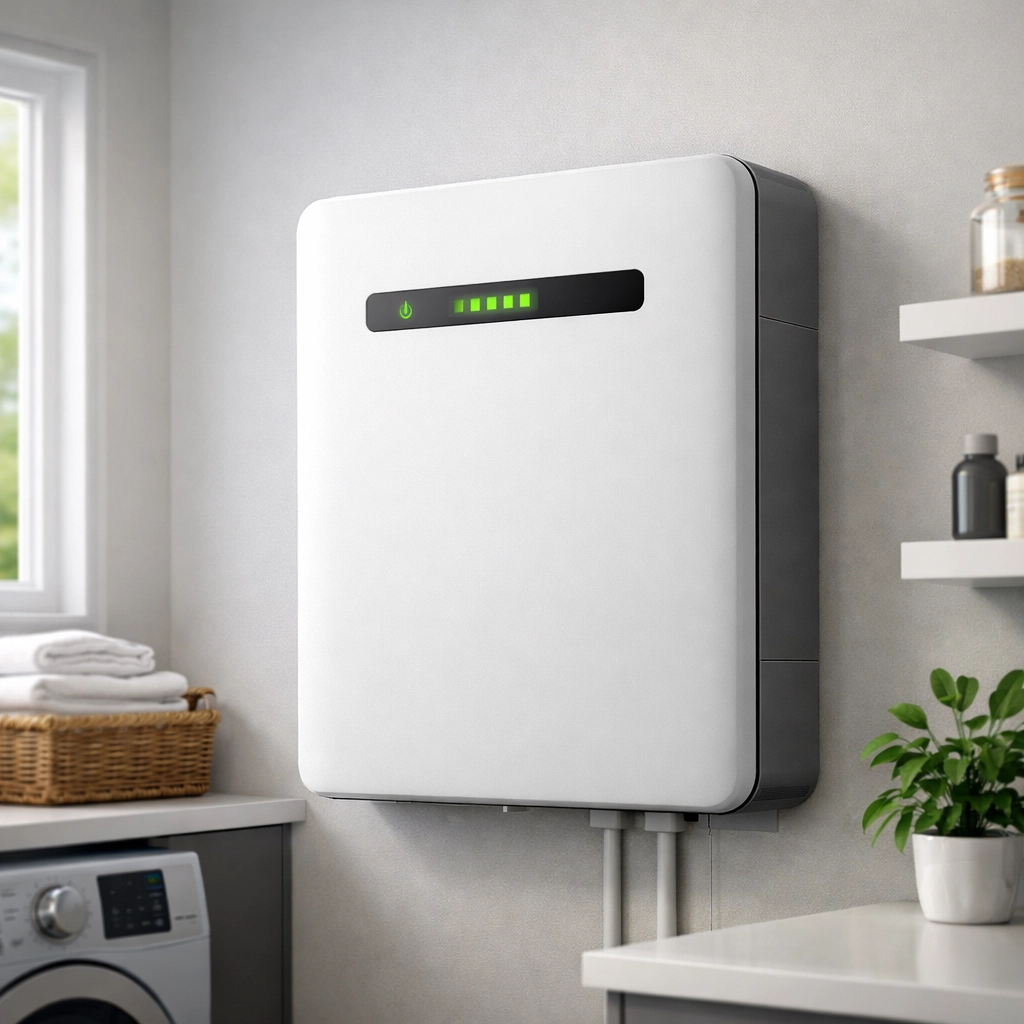
Without a battery, your solar panels are likely sending half of their energy back to the grid during the day while you’re at work. Then, you come home at 6:00 PM and pay peak prices to boil the kettle. Does that sound like a good deal? We didn't think so.
A battery like the Tesla Powerwall 3 or the GivEnergy All-in-One allows you to store that free daytime energy and use it when the sun goes down. In 2026, this "self-consumption" is the only way to truly insulate yourself from price hikes.
Tesla Powerwall vs. GivEnergy: Which is Right for You?
When you start looking at storage, two names usually dominate the conversation. We get asked about these every single day, and choosing between them depends entirely on your specific needs.
| Feature | Tesla Powerwall 3 | GivEnergy All-in-One |
|---|---|---|
| Capacity | 13.5kWh | 13.5kWh |
| Peak Power | High (Great for heat pumps) | Moderate/High |
| Back-up Power | Seamless whole-home backup | Integrated Gateway |
| Software | Industry-leading App | Excellent UK-based support |
The Tesla Powerwall 3 is a powerhouse. It’s designed for homes with high demand: think electric vehicles (EVs), hot tubs, or large heat pumps. It handles the "spikes" in energy use without breaking a sweat.
On the other hand, the GivEnergy All-in-One is a fantastic, robust system that offers incredible value for money. It’s particularly popular for its user-friendly interface and the fact that it's a British brand with excellent local support.
And if you’re looking for something even more scalable, we’ve seen a huge surge in interest for the GoodWe ESA system, which is changing the way South England homeowners manage their energy by allowing for easy expansion as their needs grow.
Energy Independence is the New "Energy Security"
We often talk about "energy independence," but what does that actually mean for you?
In 2026, it means three things:
- Fixed Costs: Your "fuel" (the sun) is free. Once the system is paid for, your energy costs are virtually locked in for the next 25 years.
- Blackout Protection: With rising pressure on the UK grid due to the electrification of heating and transport, local brownouts are becoming a concern. A battery system provides "off-grid" capability, keeping your lights and fridge running when the rest of the street goes dark.
- Smart Management: Modern systems use AI to look at weather forecasts and your tariff prices. They can "top up" from the grid at 2:00 AM when prices are low (using a Time-of-Use tariff) to ensure you have a full battery for a cloudy morning.

Don't Forget the "Aftercare" Trap
One thing we always tell our customers in Dorset and Hampshire is that solar isn't a "fit and forget" technology. We understand if you’re scratching your head about warranties and long-term performance: most people are.
To ensure your system actually hits that 25-year lifespan, you need to understand the importance of solar aftercare. A poorly maintained system can lose 15-20% of its efficiency just from dirt and minor electrical faults.
Moreover, you must ensure your installer is MCS and NAPIT certified. In 2026, these certifications are the only way to guarantee that your manufacturer warranty remains valid and that you can access the Smart Export Guarantee (SEG) payments.
Is It Worth It for Businesses?
If you own a business in Poole or Bournemouth, the volatility we’ve discussed is even more dangerous. Residential homes have a price cap; businesses do not. A sudden 50% spike in energy costs can wipe out your profit margins for the quarter.
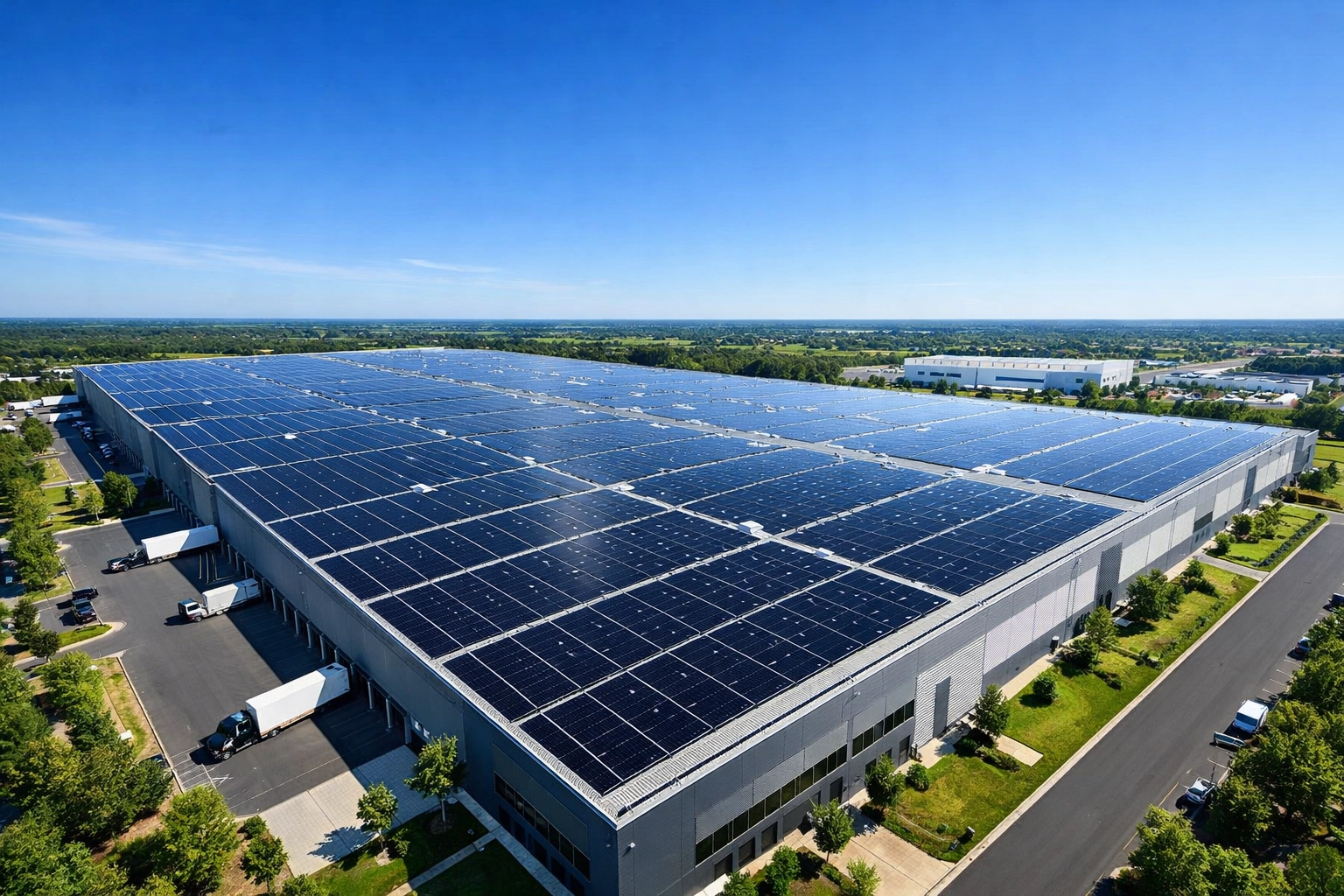
Investing in business solar power is now seen as a standard CFO-approved strategy for risk management. By generating your own power, you turn a variable, unpredictable cost into a fixed, manageable asset. You can even calculate your ROI with surprising accuracy in today's market.
The Verdict: Do You Really Need It?
We’ll be honest with you: not everyone needs solar. If you’re planning on moving house in six months, or if your roof is permanently shaded by a giant oak tree, the numbers might not stack up.
But for the vast majority of homeowners in the South of England, the combination of falling battery prices and rising global volatility has made solar and storage a "no-brainer" in 2026.
Think of it this way: the global energy market is a rollercoaster. You can either stay on the ride and hope for the best, or you can step off and build your own steady ground.
Ready to see how the numbers look for your specific home?
Between you and our team, we can figure out the perfect setup. Whether you’re looking for solar panels in Hampshire or trying to avoid the 7 common mistakes when choosing an installer, we are here to help.
At DES Renewable Energy Ltd, we pride ourselves on being your collaborative partner in this transition. No high-pressure sales: just honest, educational advice to help you navigate 2026 and beyond.

Contact us today to discuss your energy needs and let’s get you ready for whatever the global market throws our way next.