


Choosing a home battery used to be simple because there weren't many options. But it’s now 2026, and the market is packed with high-tech storage solutions. Two names consistently sit at the top of the pile: the Tesla Powerwall 3 and the GivEnergy All-In-One (AIO).
Both are heavyweights. Both offer 13.5kWh of usable energy. And both can significantly slash your electricity bills. But which one is right for your specific home?
At DES Renewable Energy Ltd, we’ve installed hundreds of these systems. We’ve seen how they perform in the British rain and how they handle the heavy demands of a modern, electric-focused household. We are Tesla Powerwall Certified and an Octopus Trusted Partner, so we know exactly what these units can do.
Let’s dive into the details.
The Tesla Powerwall 3: A Powerhouse Reimagined
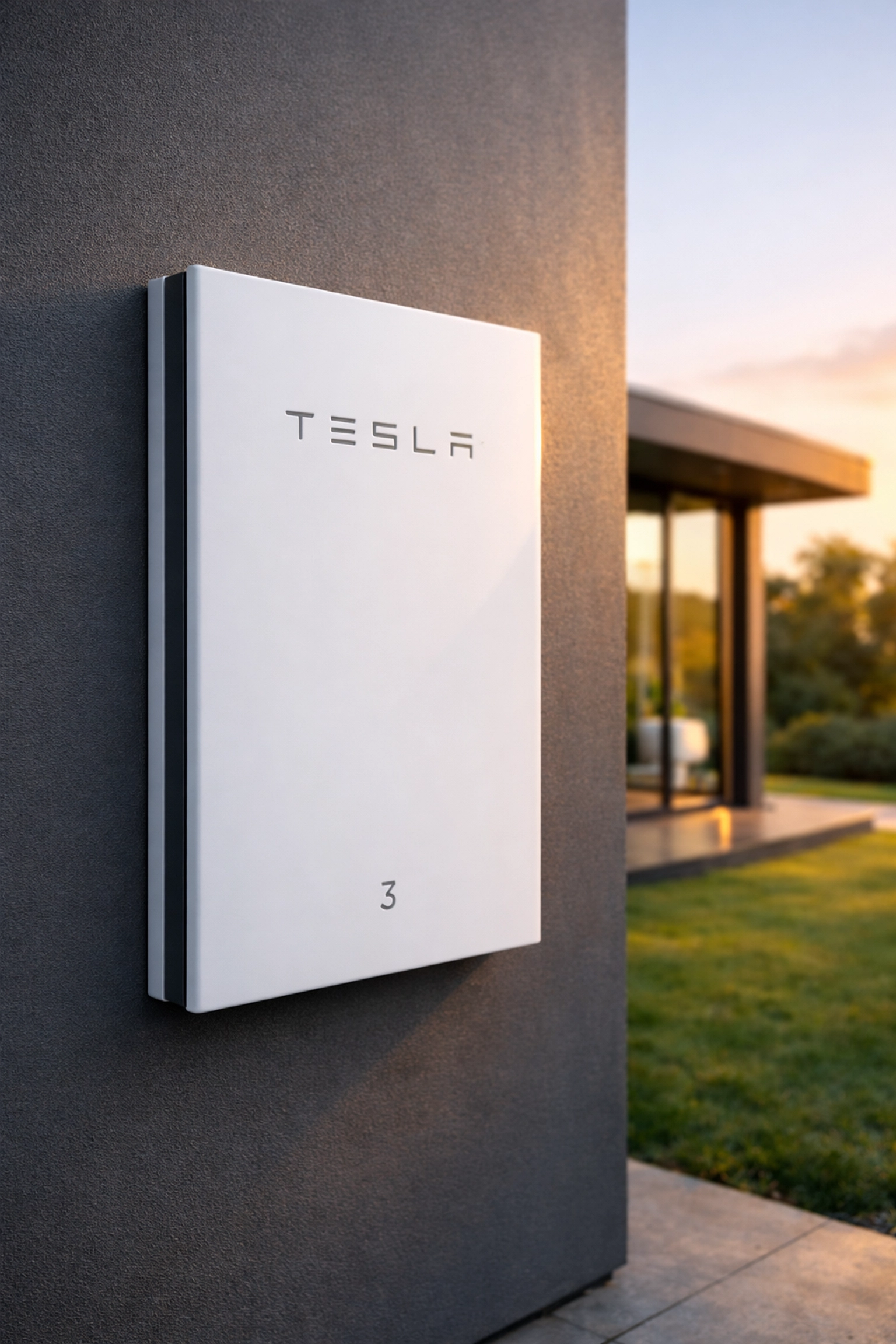
The Powerwall 3 isn't just an update; it’s a total redesign. While the Powerwall 2 was an AC-coupled battery (meaning it sat alongside your solar inverter), the Powerwall 3 is a hybrid system.
What does that mean for you? It means the solar inverter is built directly into the battery unit. If you are installing a brand-new solar array, this is a game-changer. You don’t need a separate box on the wall for your solar panels; the Powerwall 3 handles everything.
The standout feature, however, is the power output. It can deliver up to 11.5kW of continuous power. To put that into perspective, you could run your oven, your kettle, your heat pump, and your EV charger all at once, and the Powerwall 3 wouldn't break a sweat.
The GivEnergy All-In-One: The British Heavyweight
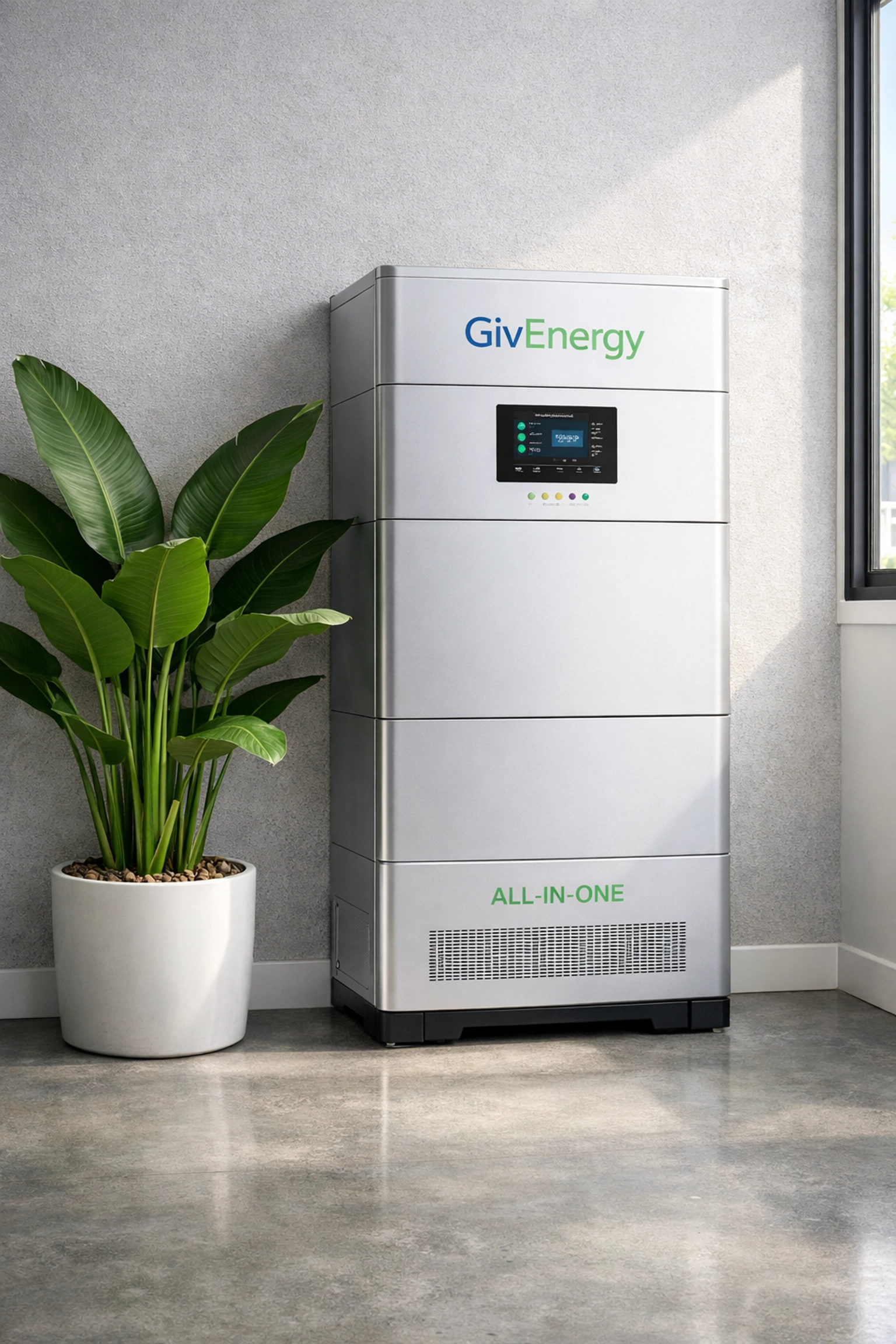
GivEnergy has taken the UK market by storm, and for good reason. Their All-In-One system is a robust, sleek, and highly capable bit of kit. Like the Tesla, it offers 13.5kWh of storage, which is the "sweet spot" for most three-to-four-bedroom UK homes.
The GivEnergy AIO is an AC-coupled system. This makes it an incredible choice if you already have solar panels installed and you don’t want to mess with your existing inverter. It simply "plugs in" to your home's AC network.
It also comes paired with the Giv-Gateway, which provides whole-home backup during a power cut. It’s built to be tough, with an IP65 rating that means it can happily live outside in the British weather.
Side-by-Side: The Specifications
Sometimes, the best way to see the difference is to look at the numbers. Here is how they stack up:
| Feature | Tesla Powerwall 3 | GivEnergy All-In-One |
|---|---|---|
| Usable Capacity | 13.5 kWh | 13.5 kWh |
| Continuous Power | 11.5 kW | 6.0 kW (7.2 kW peak) |
| Inverter Type | Hybrid (Built-in) | AC-Coupled |
| Battery Chemistry | LFP (Lithium Iron Phosphate) | LFP (Lithium Iron Phosphate) |
| Warranty | 10 Years | 10 Years (Optional 12) |
| Operating Temp | -20°C to 50°C | -30°C to 50°C |
| Backup Capability | Whole home (with Backup Gateway 2) | Whole home (with Giv-Gateway) |
Power Output: Why Does It Matter?
You might look at those numbers and think, "Is 11.5kW overkill?"
It depends on how you live. If you have a large family, an electric vehicle, and a heat pump, your "peak demand" can be surprisingly high. If your battery can only output 5kW or 6kW, and your home is demanding 8kW, the system has to pull the remaining 2kW from the grid. Even if your battery is full, you’re still paying for electricity.
The Tesla Powerwall 3 wins comfortably here. Its 11.5kW output ensures that almost no domestic appliance (or combination of them) will force you to use the grid.
However, the GivEnergy AIO’s 6kW output is still very respectable. For the vast majority of UK homes, 6kW covers the "baseload" and most spikes perfectly well. But if you're looking for total energy independence, Tesla has the edge.
Installation: New Solar vs. Existing Solar
This is where the decision often gets made for you.
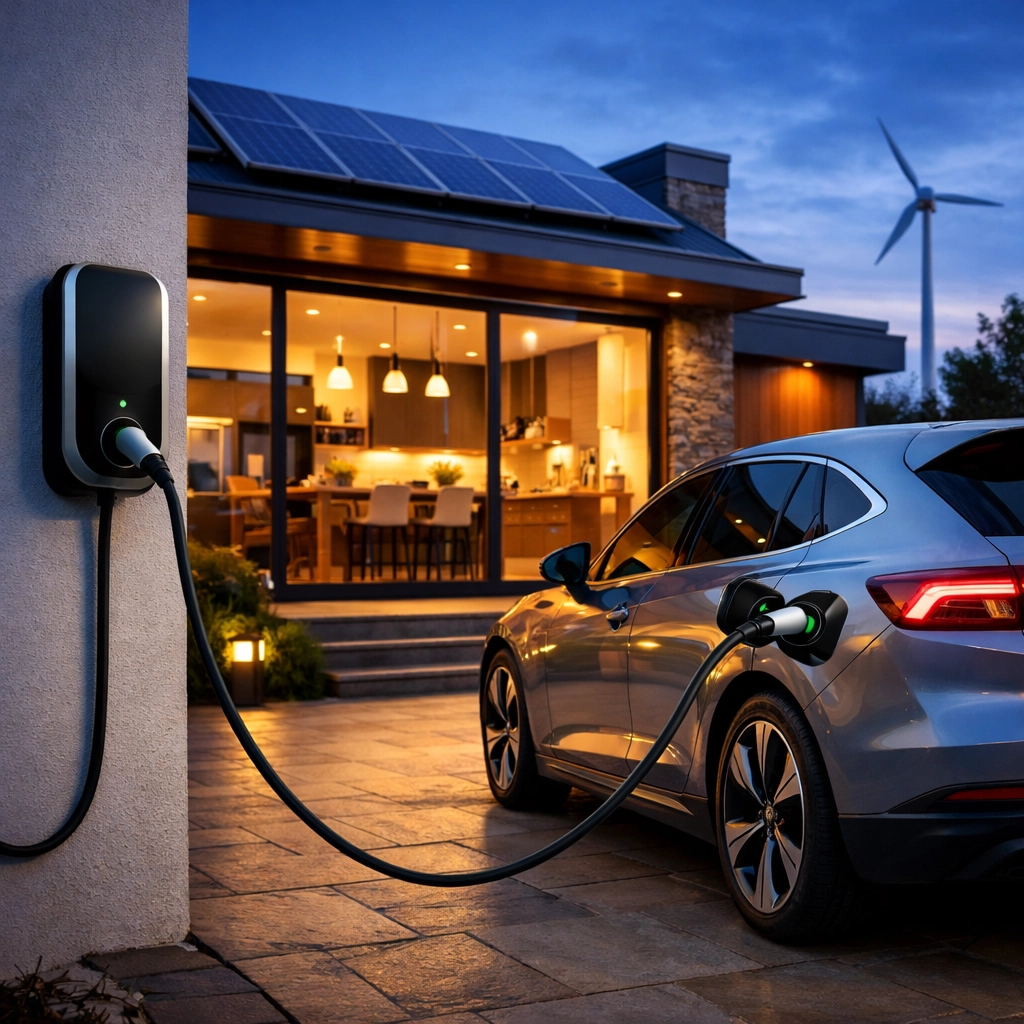
- If you are installing new solar panels: The Tesla Powerwall 3 is often the superior choice. Because the inverter is built-in, the installation is cleaner, faster, and usually more cost-effective. It can handle a massive 20kW DC solar input, which is enough for even the largest residential roofs.
- If you already have solar panels: The GivEnergy All-In-One is often the easier fit. Since it’s AC-coupled, we don't need to replace your existing solar inverter. It sits alongside your current system and focuses purely on storing that energy.
We understand if you're scratching your head over the "AC vs. DC" debate: it can be confusing. The simple rule of thumb: Tesla for new builds/total refits, GivEnergy for retrofitting storage to an existing solar setup. You can learn more about the installation process on our solar PV installation page.
Smart Tariffs and the "Octopus" Factor
In 2026, a battery is only as good as the software running it. Both Tesla and GivEnergy are world-class here.
Both systems integrate seamlessly with Octopus Energy and tariffs like Agile Octopus or Octopus Flux. These tariffs change price every half hour. Your battery can "see" when electricity is cheap (or even free!) and charge itself up automatically. Then, when prices spike in the evening, your battery runs your home.
As an Octopus Trusted Partner, we see how these systems interact daily. Tesla’s "Time-Based Control" is incredibly polished and requires almost zero input from you. GivEnergy’s app offers a bit more "tinkering" potential, which many of our tech-savvy customers love.
Aesthetics and Footprint
Let’s be honest: you’re bolting a large box to your house. You want it to look good.
Tesla is the king of minimalist design. The Powerwall 3 is thinner and sleeker than its predecessor. It looks like a piece of high-end tech.
The GivEnergy AIO is a bit more "industrial" but still very clean. It’s a floor-mounted unit that looks solid and dependable. One benefit of the GivEnergy system is its modular nature: if you decide later that 13.5kWh isn't enough, adding more capacity within the GivEnergy ecosystem is often more straightforward than adding a second Powerwall.
Reliability and Longevity
Both systems use LFP (Lithium Iron Phosphate) chemistry. This is important. LFP batteries are safer, last longer, and can be charged to 100% every single day without the degradation issues seen in older lithium-ion batteries.
Both come with a 10-year warranty. Tesla’s warranty is backed by one of the largest companies in the world. GivEnergy is a UK-based company with an excellent reputation for customer support right here on home soil. If something goes wrong, getting a technician out is usually a very smooth process for both.
The Verdict: Which Is Better For Your Home?
There is no "bad" choice here. Both the Tesla Powerwall 3 and the GivEnergy All-In-One are top-tier systems that will transform how you use energy.
Choose the Tesla Powerwall 3 if:
- You are installing a new solar array from scratch.
- You have high power demands (heat pumps, multiple EVs).
- You want the highest possible power output to ensure grid independence.
- You love the minimalist Tesla ecosystem and app.
Choose the GivEnergy All-In-One if:
- You already have solar panels and want to add storage.
- You prefer a UK-based company with local support.
- You want a robust, floor-mounted system that is proven in the UK climate.
- You want a system that integrates deeply with a wide range of third-party smart home tools.
At DES Renewable Energy Ltd, we don't believe in a one-size-fits-all approach. Your home, your roof, and your energy habits are unique. We’ll work with you to look at your energy bills, your solar potential, and your future plans to recommend the perfect fit.
Ready to take the next step toward energy independence? Whether you're leaning toward Tesla or GivEnergy, our team is here to help. Contact us today for a friendly chat and a bespoke quote for your home.