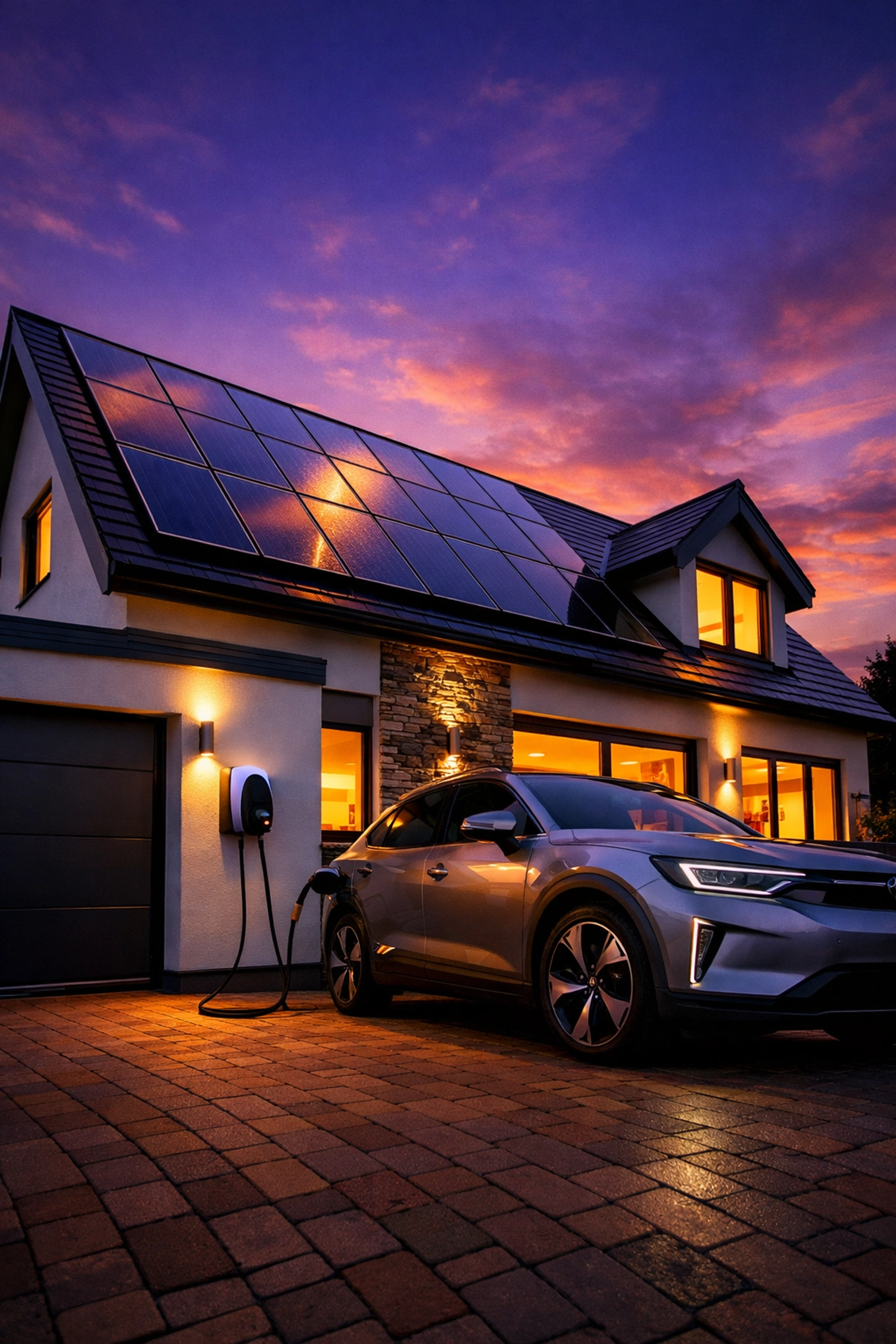
Deciding to invest in solar energy is one of the smartest financial and environmental moves you can make for your home in 2026. However, as the UK’s demand for renewable energy has skyrocketed, so has the number of "cowboy" installers looking to make a quick pound.
A solar PV system is a 25-year investment. If it is installed poorly, or with sub-par components, that "bargain" price you paid initially will quickly evaporate through repair costs and lost generation. At DES Renewable Energy Ltd, we see the aftermath of these mistakes all too often.
To help you navigate the murky waters of the solar industry, we’ve put together this guide on the seven most common mistakes homeowners make when choosing an installer: and exactly how to spot the specialists from the cowboys.
1. Selecting the Cheapest Quote
It is human nature to want a good deal, but in the renewable energy sector, the cheapest quote is almost always the most expensive one in the long run. If you receive three quotes around £8,000 and one at £5,500, you aren't looking at a "deal": you’re looking at a red flag.
The Mistake: Opting for installers offering quotes 20–30% below the market average typically signals compromised quality in three areas: equipment, labour, and safety.
How to Spot the Cowboys:
Cowboys often use low-quality, generic panels or B-grade stock that hasn't passed rigorous quality control. They might also rely on sub-contracted teams who are paid per panel rather than by the hour, leading to rushed, "rough-and-ready" installations. A legitimate installer like DES Renewable Energy will provide a transparent breakdown of costs, explaining why Tier-1 equipment and qualified in-house labour are worth the investment.
2. Ignoring MCS and NAPIT Accreditations
In the UK, certifications aren't just badges for a website; they are your legal and financial safety net.
The Mistake: Choosing an installer who isn't MCS (Microgeneration Certification Scheme) certified.
Why it matters: If your system isn't installed by an MCS-certified professional, you cannot access the Smart Export Guarantee (SEG). This is the scheme where energy suppliers pay you for the excess electricity you send back to the grid. Without MCS, you’re essentially giving your excess energy away for free.
How to Spot the Cowboys:
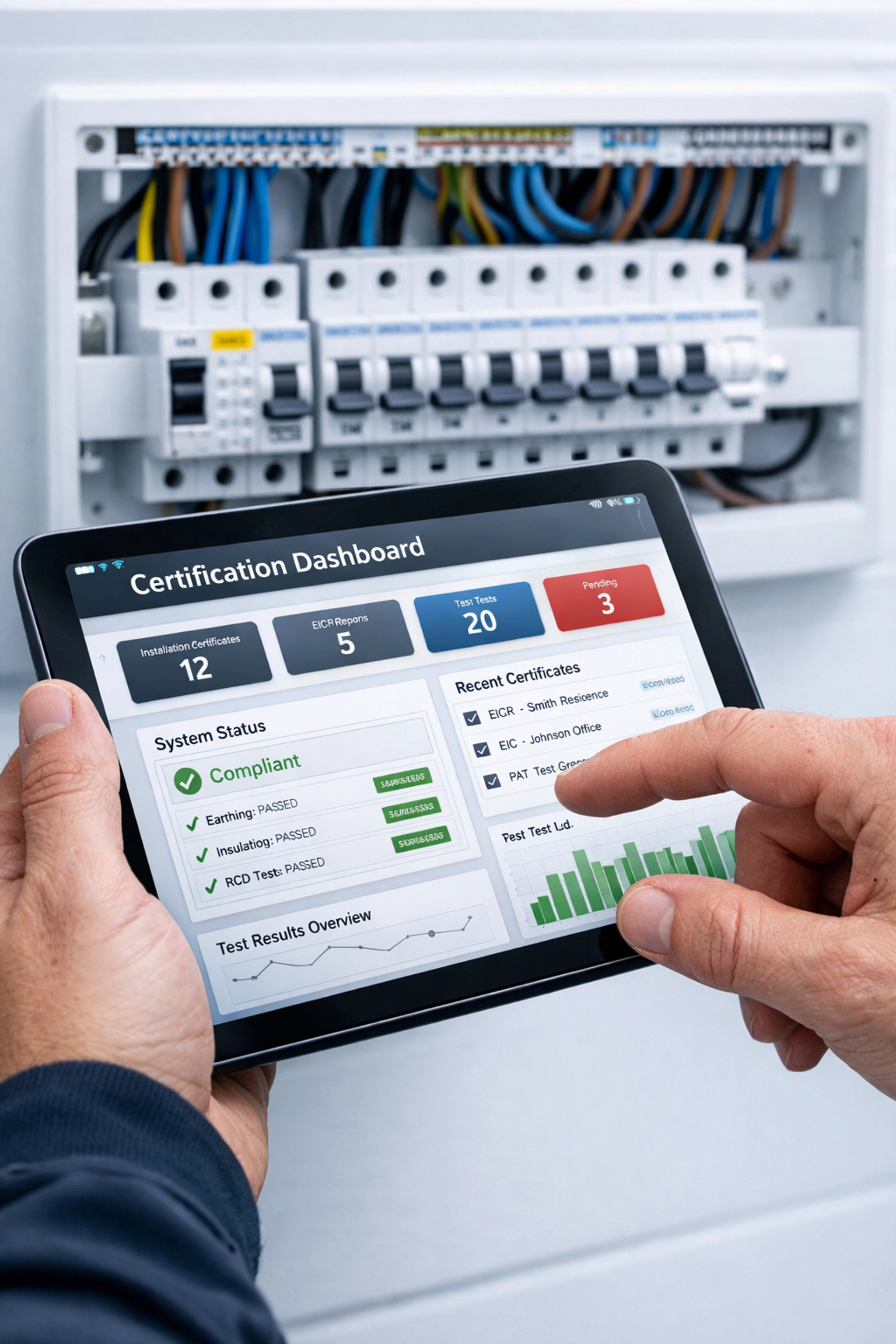
A specialist will be registered with MCS and NAPIT. NAPIT ensures the electrical work meets Part P building regulations. If an installer is vague about their registration number or says, "you don't really need MCS," walk away. You can verify any installer’s credentials on the official MCS and NAPIT registries.
3. The "Satellite-Only" Quote (Skipping the Site Survey)
We’ve seen a rise in companies providing "instant" quotes based solely on Google Maps images. While technology is great for a preliminary estimate, it cannot replace a physical site survey.
The Mistake: Accepting a final contract without a professional ever stepping foot on your property.
The Risk: A satellite image can’t see the age of your consumer unit (fuse board), the structural integrity of your roof rafters, or the exact shading caused by a neighbour's chimney or a distant tree.
How to Spot the Cowboys:
Reputable installers conduct thorough on-site assessments. We check your loft to ensure the roof can handle the weight, we measure your actual usable roof space, and we assess your home’s internal wiring. If they quote you over the phone and show up on day one with a van full of panels, they are guessing: and usually, you’re the one who pays for their mistakes.
4. Accepting Generic "No-Name" Hardware
Not all solar panels and batteries are created equal. In 2026, the technology gap between "budget" and "Tier-1" equipment is wider than ever.
The Mistake: Buying a system based on "4kW of panels" without knowing the specific brand and model of those panels or the inverter.
The Specialists' Choice:
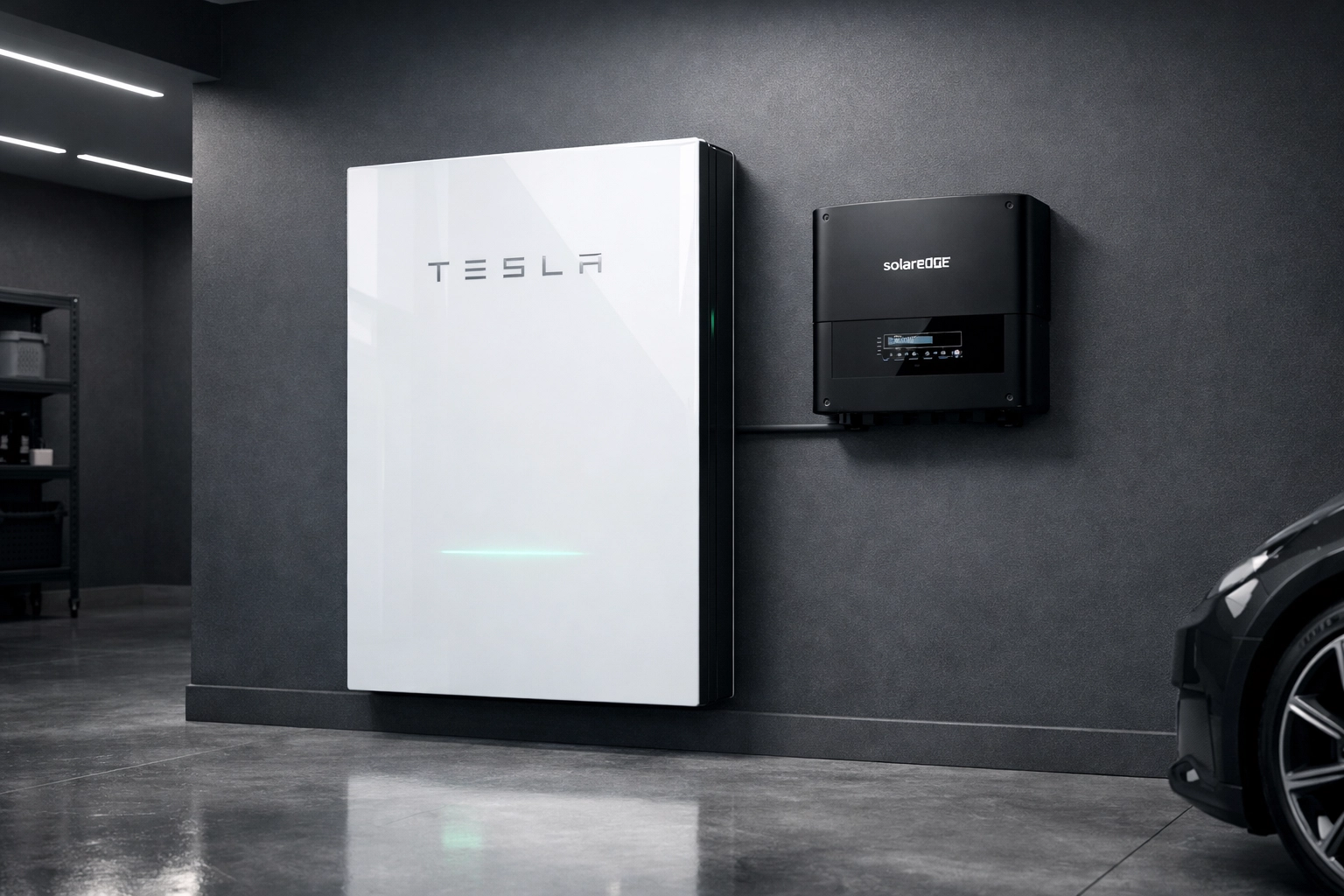
At DES, we only install Tier-1 equipment like SolarEdge and Tesla. These brands are "bankable," meaning they have the financial stability to honour their 25-year warranties. For storage, the Tesla Powerwall 3 is currently the gold standard for home energy.
How to Spot the Cowboys:
Cowboys will use generic descriptions like "high-efficiency German-designed panels" (which are often cheap imports with no local support). Always demand a detailed kit list. If the quote doesn't specify the manufacturer and model numbers, it’s because they want the flexibility to use whatever is cheapest that week.
5. Poor Shading Analysis and System Design
A single shadow on a single panel can significantly drop the performance of an entire traditional string inverter system.
The Mistake: Thinking that "all panels get the sun anyway."
The Technical Reality:
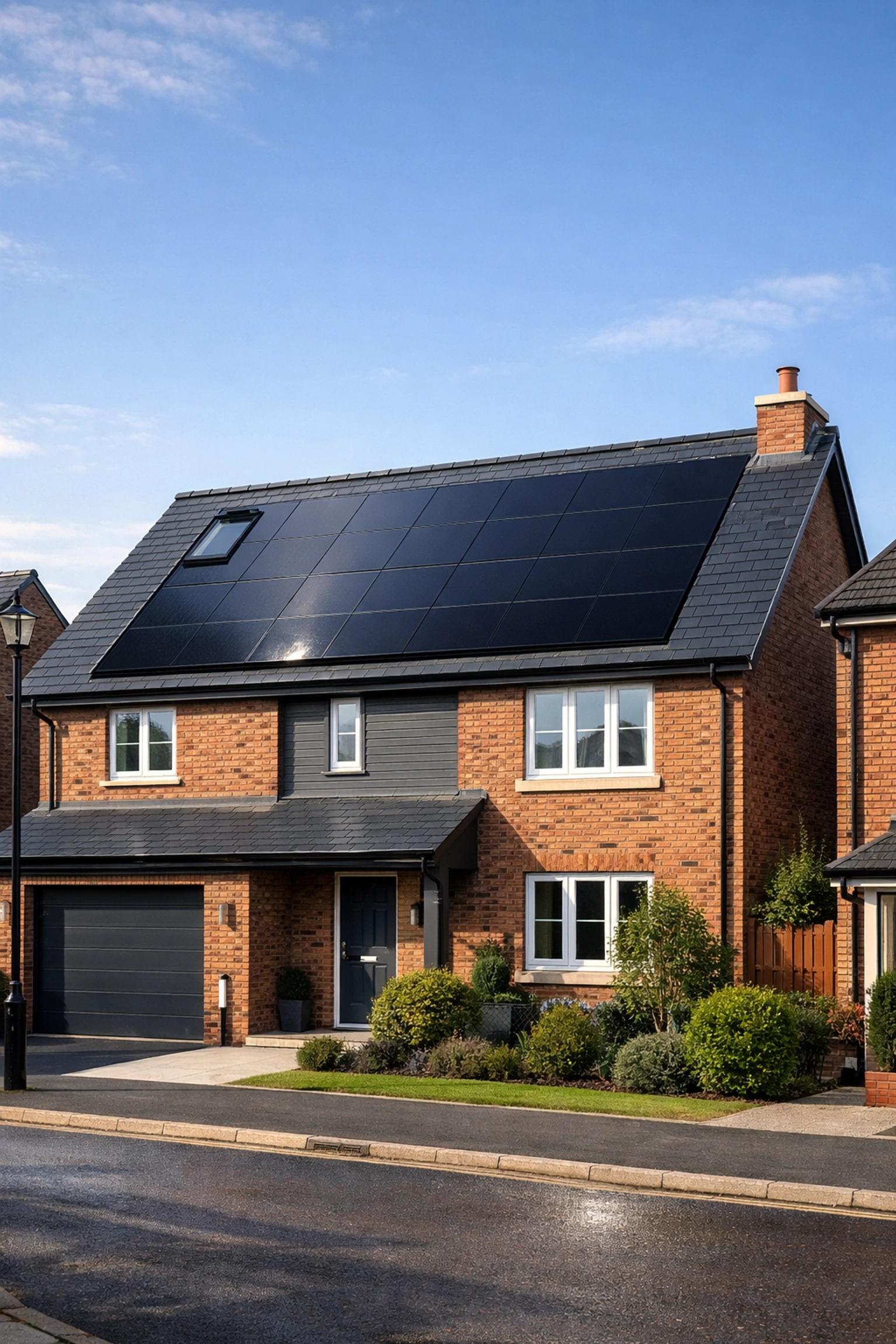
A specialist uses sophisticated software (like PVSyst or Helioscope) and tools like LiDAR to map exactly how shadows move across your roof throughout the year. If you have any shading issues, we might recommend Sunsynk or SolarEdge optimisers, which allow each panel to work independently.
How to Spot the Cowboys:
If an installer doesn't ask about your energy usage patterns or perform a shading analysis, they are just "bolting panels to a roof." A specialist designs a system tailored to your specific home, whether you are in Amesbury, Bournemouth, or Devizes.
6. Weak Warranties and "Ghost" Aftercare
What happens in year seven when your inverter stops talking to the internet? Or in year twelve if a bird manages to damage a connection?
The Mistake: Assuming the installer will be there to help you a decade from now.
The Solution:
You need to look for two types of protection: the manufacturer’s warranty (on the hardware) and the installer’s workmanship warranty. The latter should ideally be insurance-backed.
How to Spot the Cowboys:
Ask for their complaints policy and details on their after-sales support. Cowboys often operate as "phoenix companies": they run for a few years under one name, then shut down and reopen under a new name to dodge warranty claims. A specialist is a "Renewable Energy Partner" that’s here for the long haul.
7. High-Pressure Sales Tactics
Solar is a significant investment that requires thought and research. It is not a "limited time offer" that expires at midnight.
The Mistake: Feeling pressured into signing a contract because of a "today-only" discount.
How to Spot the Cowboys:
If a salesperson stays in your house for three hours, calls their manager to "get you a better price," or uses scarcity tactics ("we only have two Tesla Powerwalls left in stock!"), they are a cowboy. Specialist installers provide a written quote, a detailed performance estimate, and then give you the space to make an informed decision.
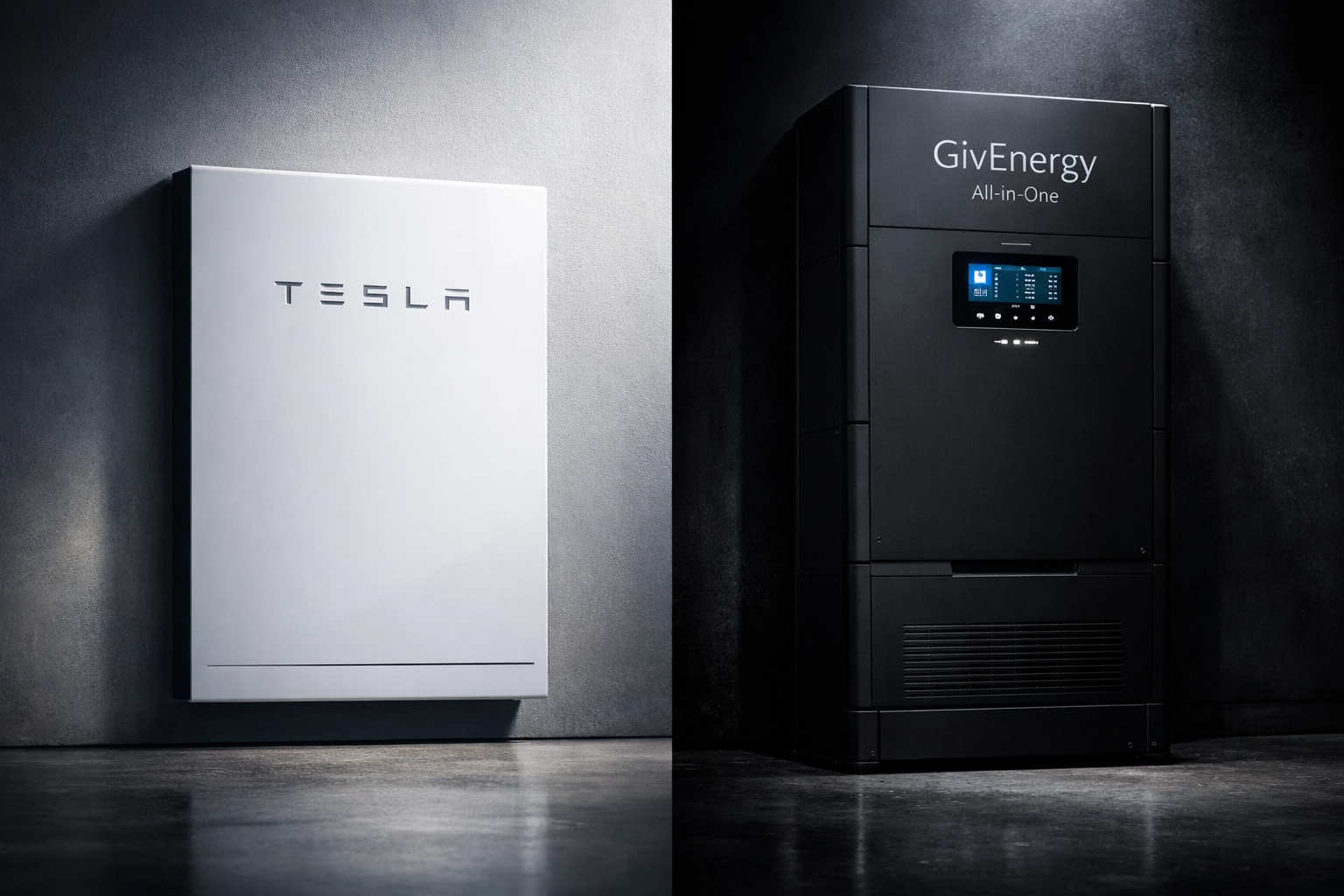
Tesla Powerwall 3 vs GivEnergy All-in-One: A Specialist’s Perspective
A key sign of a specialist is their ability to compare high-end products to find the best fit for you, rather than pushing a "one-size-fits-all" solution. In 2026, two of the most popular choices are the Tesla Powerwall 3 and the GivEnergy All-in-One.
| Feature | Tesla Powerwall 3 | GivEnergy All-in-One |
|---|---|---|
| Capacity | 13.5kWh | 13.5kWh |
| Peak Power | 11.5kW (Industry Leading) | 7.2kW |
| Inverter | Integrated Solar Inverter | Integrated Inverter |
| Warranty | 10 Years | Up to 12 Years |
| Best For | High-demand homes & EV charging | UK-based support & modularity |
The Powerwall 3 is a beast when it comes to raw power output, making it ideal for large homes in places like Chippenham or Christchurch. However, GivEnergy offers fantastic localised support. A cowboy will sell you whatever they have the most margin on; a specialist will explain which one suits your lifestyle.
Summary: Red Flags to Watch For
To keep it simple, here is your "Cowboy Checklist." If you see more than two of these, look elsewhere:
- Pressure to decide quickly without documentation.
- No physical site survey (relying only on photos/satellites).
- No MCS or NAPIT registration numbers provided.
- Vague hardware specs (e.g., "400W panels" with no brand).
- Exclusively subcontracted labour with no in-house expertise.
- Quotes that are significantly lower than all other competitors.
Why Choose a Specialist Like DES?
At DES Renewable Energy Ltd, we don’t just install panels; we build long-term energy solutions. Whether you are looking for solar panel installation in Corsham, Burley, or Bradford-on-Avon, we pride ourselves on technical excellence and transparency.
We believe in future-proofing. That means using the best technology available today so that your system is still performing at peak efficiency in 2050.
Ready to do solar the right way?
Contact our team today for a comprehensive, no-pressure site survey and a quote that reflects true quality and long-term value.