


So, you’ve decided to look into solar panels. Whether you’re living in the bustling streets of Bournemouth, a family home in Ferndown, or running a business in Christchurch, you’re making a smart move.
The sun shines pretty reliably across Hampshire and Wiltshire, and with energy prices being what they are, harvesting that free energy is more tempting than ever. But where do you actually start?
At DES Renewable Energy Ltd, we’ve spent years helping homeowners and businesses navigate the world of renewable energy. As an MCS-approved installer, we’ve seen it all, from perfect south-facing roofs in Poole to tricky installations in conservation areas.
Before you commit to a quote, there are a few things you really ought to know. To help you out, we’ve put together this guide of 10 essential factors for anyone considering solar panels in Hampshire.
1. The Timeline: It’s a Marathon, Not a Sprint
One of the most common questions we get is, "How quickly can you get these on my roof?" It’s a fair question, but the answer might surprise you.
While the physical act of installing solar panels usually only takes one to three days for a standard residential home, the entire process is longer. You’re typically looking at a window of 8 to 16 weeks from the moment you sign the contract to the moment you’re generating power.
Why so long? Well, there’s a fair bit of "behind the scenes" work. We have to handle structural checks, equipment orders, and local utility notifications. If you're a business owner in Hampshire looking for a large-scale commercial system, site complexity can push that timeline toward the upper end.
2. Your Roof Needs to Be "Solar Ready"
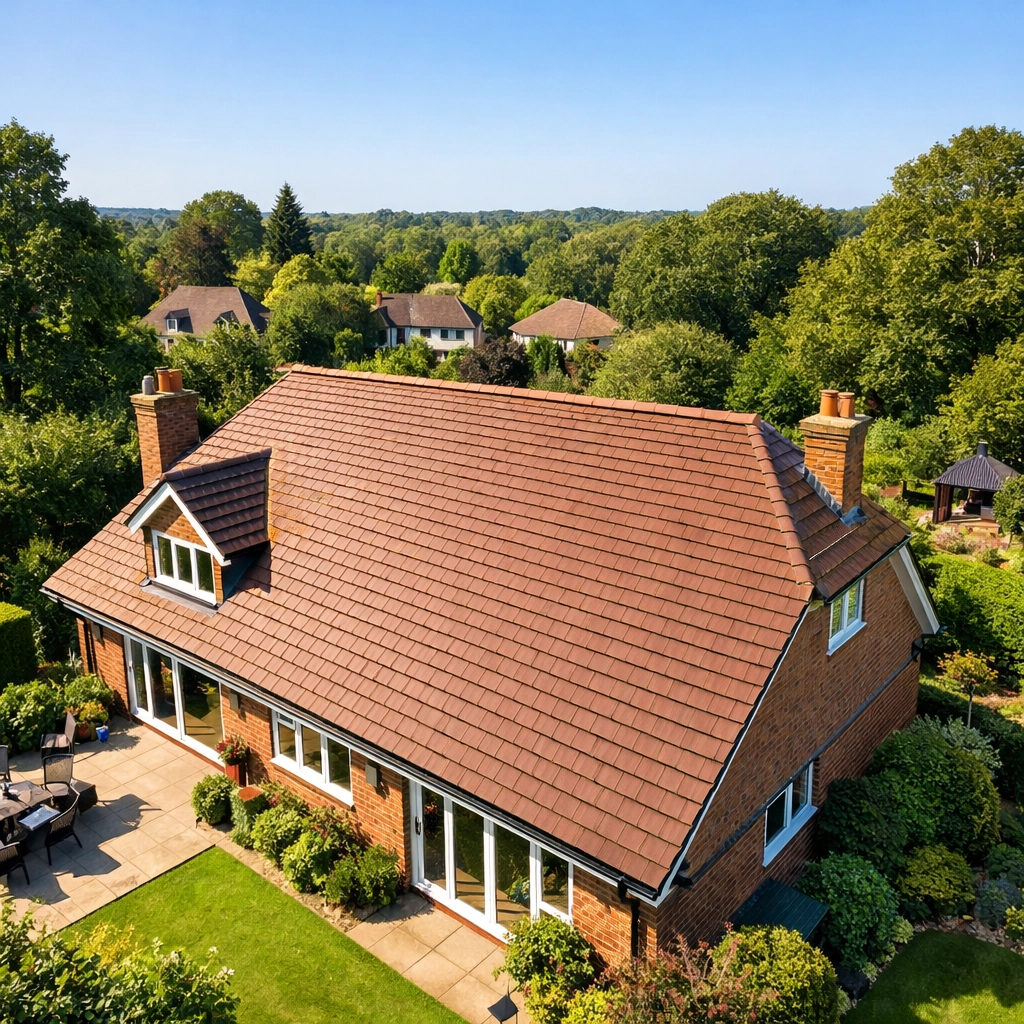
You might have the perfect vision of sleek black panels on your roof, but is your roof ready to support them? Before we even think about mounting hardware, we have to look at your roof’s health.
We check three main things: orientation, structural integrity, and shading. Ideally, you want a south-facing roof with a tilt between 30 and 40 degrees for maximum efficiency. But don't worry, if your roof faces east or west, you can still generate plenty of power; you might just need a few extra panels to compensate.
And here’s a tip: if your roof is nearing the end of its life, it’s often better to repair or replace it before the panels go on. Removing a solar array just to fix a leak five years down the line is a headache you definitely want to avoid.
3. The On-Site Assessment is Non-Negotiable
You’ll find plenty of "instant quote" tools online, but they can only tell you so much. To give you an accurate price and a system that actually works, a professional site assessment is essential.
When our team visits your property in places like Poole or Ferndown, we aren't just measuring the roof. We’re looking at your electrical consumer unit, checking for potential shading from nearby trees or chimneys, and evaluating the "path of the sun" over your home.
This step ensures that the system we design is bespoke to your specific needs. We’ll even help you figure out how many solar panels you need based on your actual electricity bills.
4. Understanding Permits and Planning in Hampshire
Good news for most homeowners: solar panels are usually considered "Permitted Development." This means you often don't need formal planning permission to install them on your house in Hampshire.
However, there are exceptions. If you live in a listed building or a conservation area, which are quite common in our neck of the woods, you will likely need to submit an application to your local council.
| Situation | Planning Permission Usually Required? |
|---|---|
| Standard Residential Home | No (Permitted Development) |
| Listed Building | Yes |
| Conservation Area (Visible from road) | Often Yes |
| Ground-Mounted Systems | Usually Yes |
Local councils typically take about 8 weeks to respond to these applications. As your local renewable energy installers in Hampshire, we can help guide you through these local regulations so you don't get caught out.
5. Custom System Design is Key
No two homes are exactly alike, and neither should their solar systems be. "Off-the-shelf" kits might seem cheaper, but they rarely provide the best return on investment.
A custom design allows us to choose the right technology for your specific situation. This includes:
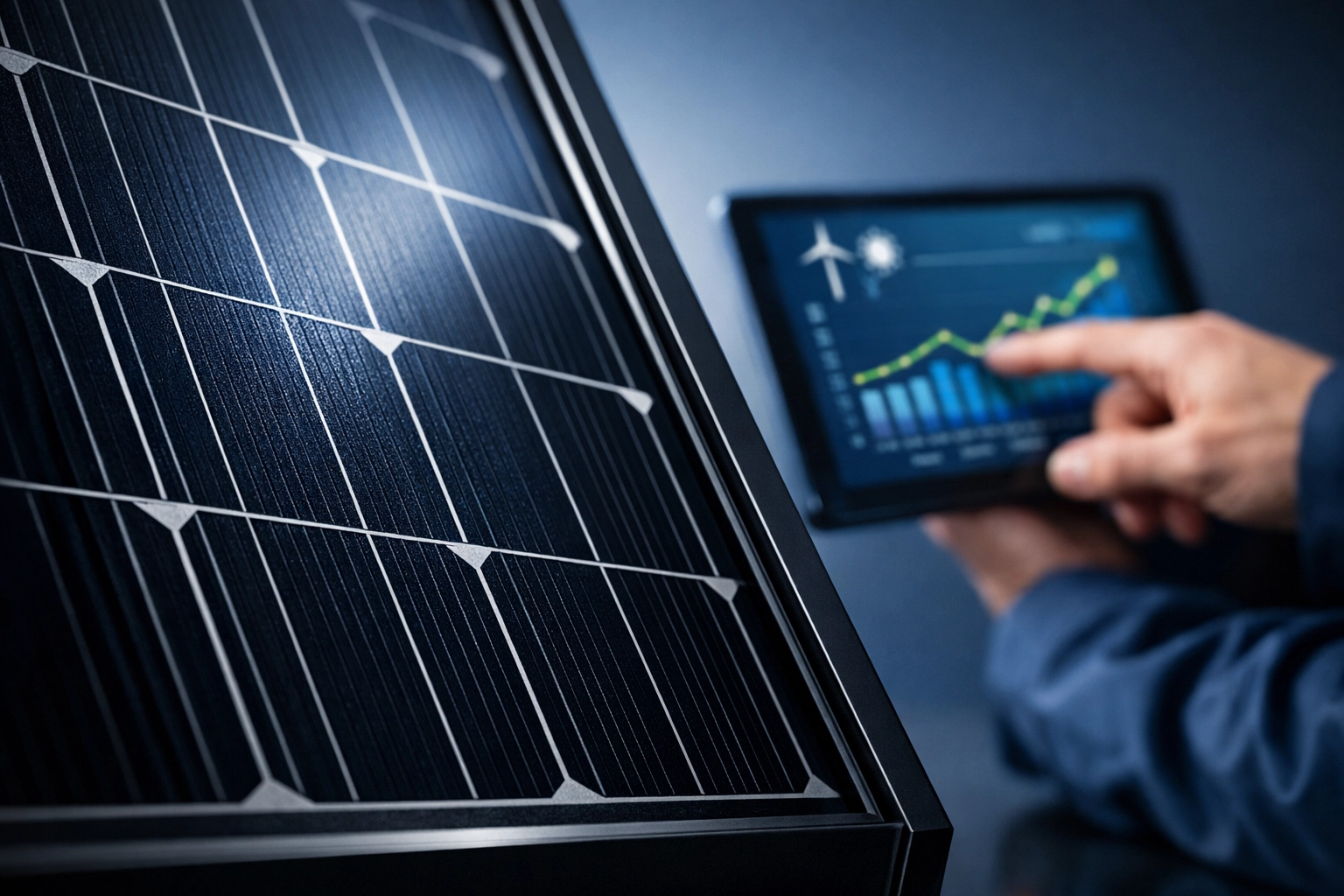
- Panel Type: Monocrystalline panels are generally more efficient and look sleeker, making them a popular choice for residential roofs.
- Inverters: These are the "brains" of the system, converting the DC power from your panels into AC power for your home.
- Placement: We use performance simulations to predict exactly how much energy you’ll generate throughout the year.
6. Sourcing High-Quality Components
When you’re investing in solar, you’re playing the long game. You want equipment that will last 25 years or more. That’s why we focus on high-quality components from reputable manufacturers.
But here’s the thing: quality equipment takes time to arrive. Global supply chains can be a bit unpredictable, and coordinating the delivery of panels, inverters, and mounting frames is a critical phase of the project. We handle all of this for you, but it’s another reason why the 8-16 week timeline exists.
And remember, cheap components might save you money today, but they could lead to common problems with solar panels later on. It's always better to do it right the first time.
7. It’s Not Just About the Panels
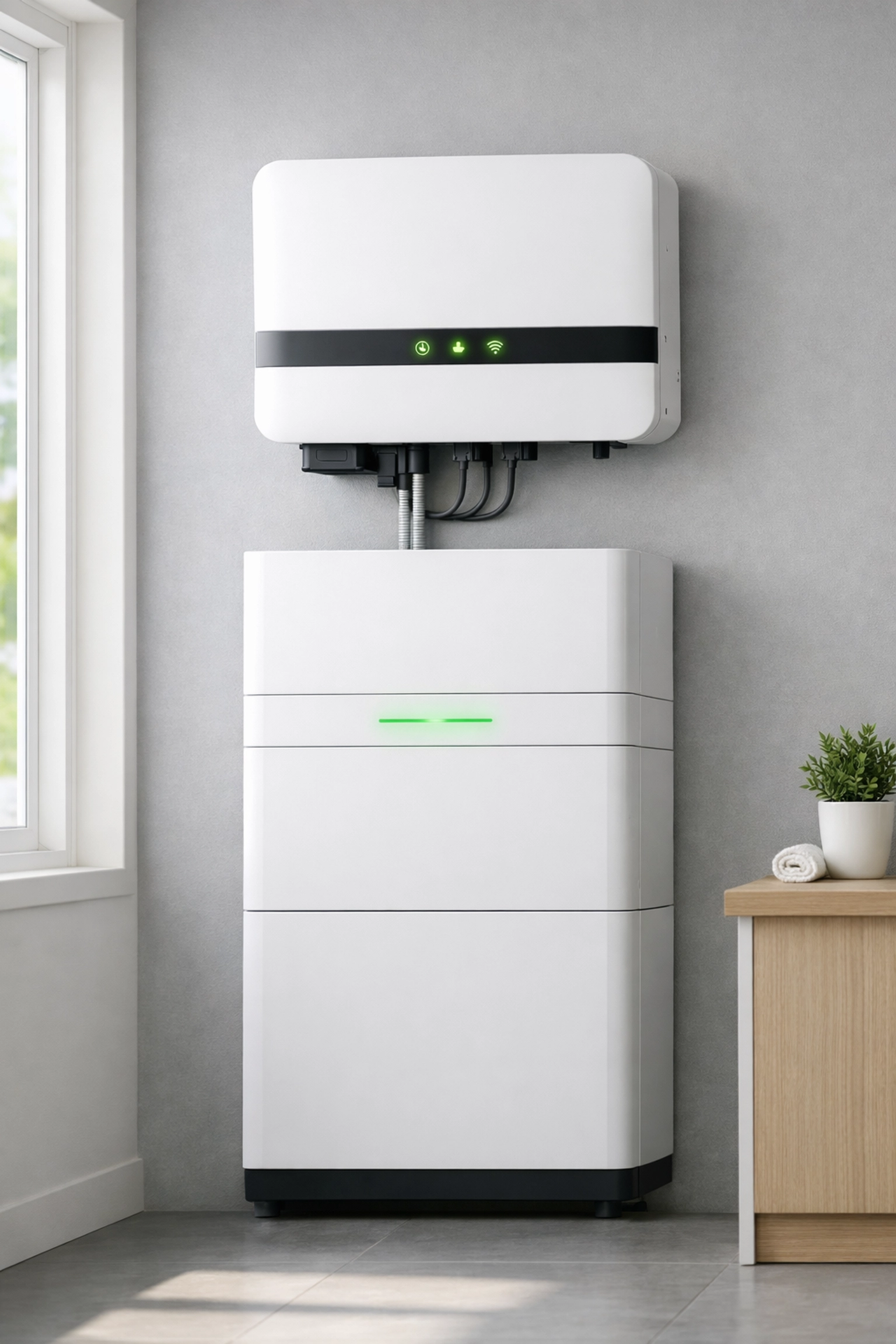
While the panels are the stars of the show, they can't work alone. A comprehensive solar installation includes a whole ecosystem of hardware.
You’ll have mounting and racking systems to keep everything secure (even in those Hampshire coastal winds!). Then there's the wiring, safety switches, and the meter that tracks your generation.
And don't forget about battery storage. Many of our customers in Christchurch and Bournemouth are now opting for batteries. These allow you to store the energy you generate during the day so you can use it at night, significantly increasing your energy independence.
8. Final Inspections and the "Big Switch On"
Once the panels are bolted down and the wires are connected, we can't just flip the switch and walk away. Your system needs to be officially commissioned.
In the UK, we have to notify the District Network Operator (DNO): the people who manage the local power grid: about your new system. This ensures that your installation is safe and won't cause any issues for your neighbors' electricity supply.
We also conduct our own rigorous final inspections. As an MCS-approved company, we hold ourselves to the highest standards. We make sure everything is installed correctly, safely, and is performing exactly as promised in your design.
9. Grid Connection and Interconnection
If you’re planning on staying "grid-tied" (which most people do), you’ll need to understand interconnection requirements. This is basically the agreement between you and your energy utility.
Being grid-tied means you can still pull power from the grid when your panels aren't producing enough (like on a very dark winter evening). It also means you can potentially sell your excess energy back to the grid through the Smart Export Guarantee (SEG).
Each utility provider has its own terms and conditions for this. It sounds complicated, but we'll help you navigate the paperwork to ensure you’re getting the best deal for the energy you export.
10. Planning for Long-Term ROI
Finally, let's talk about the money. Solar is an investment, and like any investment, you want to see a return.
When we design your system, we provide an estimated Return on Investment (ROI). We look at your current energy costs and project how much you’ll save by generating your own power. In Hampshire, where electricity rates have been volatile, locking in a fixed energy cost through solar can be incredibly valuable.
Think of it this way: every unit of electricity you generate yourself is a unit you don't have to buy from the grid. Over 20 or 25 years, those savings add up to thousands of pounds. Plus, adding solar can often increase the value of your property!
Why Choose a Local Hampshire Installer?
You could go with a big national firm, but there’s something to be said for local expertise. We know the local councils in Bournemouth and Poole, we understand the specific weather patterns of the South Coast, and we’re right here if you ever need maintenance or advice.
At DES Renewable Energy Ltd, we pride ourselves on being more than just installers: we’re your partners in the transition to green energy. From the first site visit to the final grid connection, we’re with you every step of the way.
If you’re ready to start your solar journey, why not reach out? We can chat about your roof, your energy goals, and how we can help you save money while saving the planet.
Contact us today to discuss your solar needs across Hampshire and Wiltshire – we’d love to help you make the switch!