


When you decide to invest in solar energy for your home, you aren’t just buying glass panels and some wiring; you are investing in a 25-year energy strategy. For most homeowners in the UK, the primary motivations are clear: reducing carbon footprints and, crucially, slashing energy bills.
However, the solar industry has seen a massive surge in demand over the last few years. While this is great for the planet, it has also led to an influx of "cowboy" installers: companies that appear overnight, offer "too-good-to-be-true" prices, and disappear just as quickly.
At DES Renewable Energy Ltd, we believe that technical expertise and transparency are the foundations of a successful installation. That is why we place such a high premium on MCS and NAPIT certifications. These aren't just acronyms to put on a van; they are your primary line of defence. If your system isn't installed by a certified professional, your warranties, your financial returns, and even your home insurance could be at risk.
What is MCS and Why Does It Matter?
The Microgeneration Certification Scheme (MCS) is the UK’s gold standard for low-carbon energy technology. It isn't a legal requirement to install solar, but it is a requirement if you want to access any of the financial benefits or ensure your equipment warranties remain valid.
MCS certifies both the products themselves and the competence of the installers. When a company is MCS certified, it means they have been rigorously assessed to ensure they meet high standards of quality and safety.
The MCS Quality Promise
- Product Verification: MCS-approved panels and inverters have been tested to ensure they perform as advertised.
- Installation Standards: It dictates exactly how a system should be designed and fitted to ensure maximum efficiency.
- Consumer Protection: MCS installers must be members of a Consumer Code (like RECC or HIES), which protects your deposit and provides a clear path for dispute resolution.
Without MCS certification, you have no formal proof that your system was designed correctly for your specific roof and energy needs.
NAPIT: The Importance of Electrical Excellence
While MCS focuses on the renewable technology, NAPIT (National Association of Professional Inspectors and Testers) focuses on the electrical integrity of the installation.
Solar PV systems are complex electrical power plants operating on your roof. They involve high-voltage DC (Direct Current) electricity being converted into AC (Alternating Current) for your home. If this isn't handled correctly, the risks range from system failure to electrical fires.
NAPIT is a Government-approved certification body that verifies an installer’s electrical competence. Being NAPIT-registered allows us to:
- Notify Building Regulations: We can self-certify that our work complies with UK Building Regulations (Part P), ensuring your installation is legal and safe.
- Ensure Safety Compliance: Regular audits ensure our electrical work meets the latest IET Wiring Regulations (BS 7671).
By choosing an installer who holds both MCS and NAPIT certifications, you are ensuring that the "solar" part of the job and the "electrical" part of the job are both handled by experts.
The "Warranty Trap": Why Your Warranty Depends on Certification
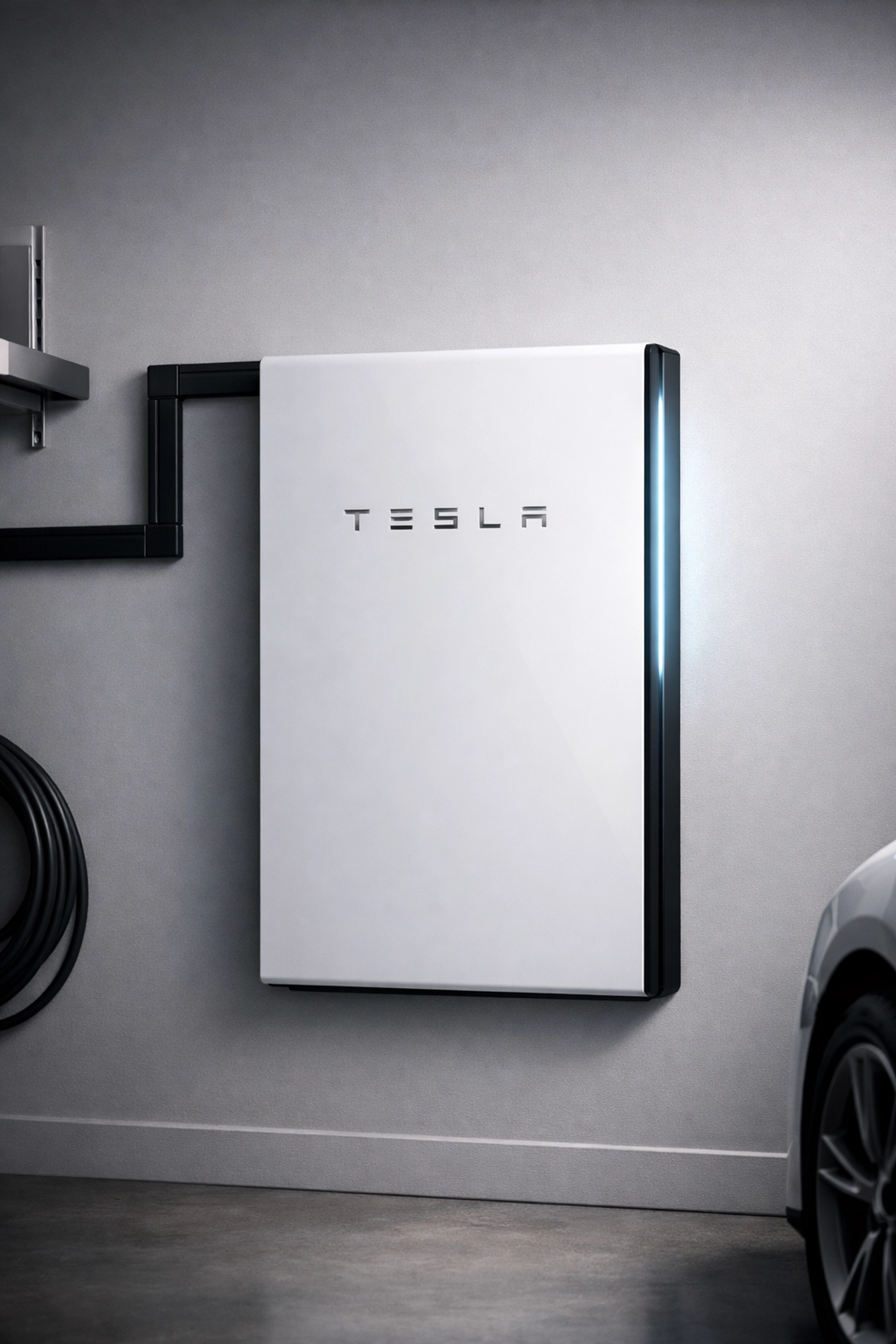
This is the part many homeowners miss until it’s too late. You might buy high-end equipment like a Tesla Powerwall 3 or SolarEdge inverters, which come with 10, 15, or even 25-year warranties. However, these manufacturer warranties often come with a massive "catch."
Manufacturers almost always stipulate that their warranty is only valid if the system is installed by a "suitably qualified and certified professional" in accordance with local standards (MCS).
If your system develops a fault in year five and you try to make a claim, the manufacturer will ask for the MCS compliance certificate. If you don't have one because you used an uncertified "cowboy" installer, the manufacturer can: and likely will: void your warranty. You could be left with a multi-thousand-pound repair bill for a product that should have been covered.
Insurance-Backed Workmanship Warranties
Beyond the equipment, there is the "Workmanship Warranty." This covers the actual labour and the way the panels were fixed to your roof. MCS-certified installers are required to provide an Insurance-Backed Guarantee (IBG). This means that if the installation company goes out of business, your workmanship warranty is still honoured by an insurance provider. This is vital for a 25-year investment.
Financial Impacts: SEG and 0% VAT
If the safety and warranty arguments aren't enough, the financial implications usually are. Installing solar is an investment, and you want the best possible Return on Investment (ROI).
The Smart Export Guarantee (SEG)
The SEG is the mechanism that allows you to sell your excess solar energy back to the National Grid. To sign up for an SEG tariff with an energy supplier (like Octopus Energy or British Gas), they will demand your MCS certificate. No MCS certificate means no export payments. Over 20 years, this could cost you thousands of pounds in lost revenue.
0% VAT on Energy-Saving Materials
The UK government currently offers 0% VAT on solar panel installations. However, to qualify for this, the installation must be performed by a professional and meet specific criteria. Using uncertified "cash-in-hand" installers often means you are missing out on legal tax breaks and professional oversight.
| Feature | MCS & NAPIT Certified | Uncertified "Cowboy" |
|---|---|---|
| Manufacturer Warranty | Fully Valid | Often Voided |
| SEG Export Payments | Eligible | Not Eligible |
| Building Regs Compliance | Self-certified & Legal | Often non-compliant |
| Workmanship Guarantee | Insurance-Backed | No protection if they vanish |
| Electrical Safety | Audited and Verified | Unverified risk |
How to Verify Your Installer
Don't just take an installer's word for it. It is your right: and your responsibility: to check their credentials.
- Check the MCS Register: Visit the official MCS website and search for the company name. If they aren't there, they aren't certified.
- Verify NAPIT/NICEIC Status: Ensure they are registered with a Competent Person Scheme for electrical work.
- Ask for the Consumer Code: Ask which CTSI-approved consumer code they belong to (e.g., RECC).
- Look for Local Expertise: Companies that understand local conditions, such as those providing solar panel installation in Chippenham or Devizes, are more likely to care about their local reputation and certification status.

Why We Don't Cut Corners
At DES Renewable Energy Ltd, we see ourselves as your long-term energy partners. We know that a solar installation is a significant commitment. Whether we are installing Sunsynk systems or advanced battery storage, our goal is peak performance for 25+ years.
Cutting corners on certifications might save an installer a few hundred pounds in membership fees and audit time, but it puts the homeowner at immense risk. We maintain our MCS and NAPIT statuses because we believe our customers deserve the peace of mind that comes with knowing their home is safe and their investment is protected.
If you are looking for a solar PV installation that is fully compliant, expertly engineered, and backed by the industry's highest certifications, we are here to help.
Final Thoughts
The transition to renewable energy is one of the best things you can do for your home and the environment. However, the quality of the "behind-the-scenes" paperwork is just as important as the quality of the panels on your roof.
MCS and NAPIT certifications are more than just badges; they are the keys to your system's longevity, your financial returns, and your home’s safety. Before you sign any contract, ensure your installer is fully certified. It is the only way to truly "future-proof" your energy.
Ready to start your solar journey the right way?
Contact our team today for a professional, certified consultation and see how we can help you take control of your energy future.