


When you invest in a solar PV system, you aren’t just buying panels and an inverter; you are securing your home’s energy independence for the next quarter-century. Modern Tier-1 equipment is designed to be incredibly durable, but the "set and forget" mentality can be a costly mistake.
While solar is remarkably low-maintenance compared to a petrol car or a gas boiler, it isn't "zero-maintenance." To ensure you are squeezing every possible kilowatt-hour out of your investment and protecting your 25-year warranty, a proactive aftercare strategy is essential.
In this guide, we’ll walk you through the practical steps to keep your solar PV installation running at peak efficiency, from simple cleaning tips to the technical checks that require a professional eye.
Why Aftercare is the Key to Your ROI
The financial logic of solar panels relies on consistent performance over time. A system that loses 5% efficiency due to grime or a minor electrical fault might not seem like a disaster in year one, but compounded over 25 years, that represents thousands of pounds in lost savings and export payments.
Beyond the finances, proper aftercare ensures safety. Solar systems involve high-voltage DC electricity. Ensuring that connections remain tight and components stay cool is vital for the long-term safety of your property.
1. The UK Cleaning Strategy: Does the Rain Do the Work?
In the UK, we are blessed (or cursed) with frequent rainfall. A common myth is that rain is sufficient to keep panels clean. While a heavy downpour will wash away loose dust, it rarely shifts bird droppings, sticky pollen, or the "traffic film" that accumulates if you live near a busy road.
Frequency: When to Clean
For most UK homes, a thorough cleaning once or twice a year is sufficient.
- Spring: Clean away the winter grime and prepare for the peak generation months.
- Autumn: Clear away fallen leaves or debris that might cause "hotspots" on the panels.
The "How-To" of Solar Cleaning
You don’t need expensive chemicals or high-tech robots. In fact, keeping it simple is safer for the equipment.
- Avoid Pressure Washers: High-pressure water can damage the seals between the glass and the frame or force water into the internal electronics.
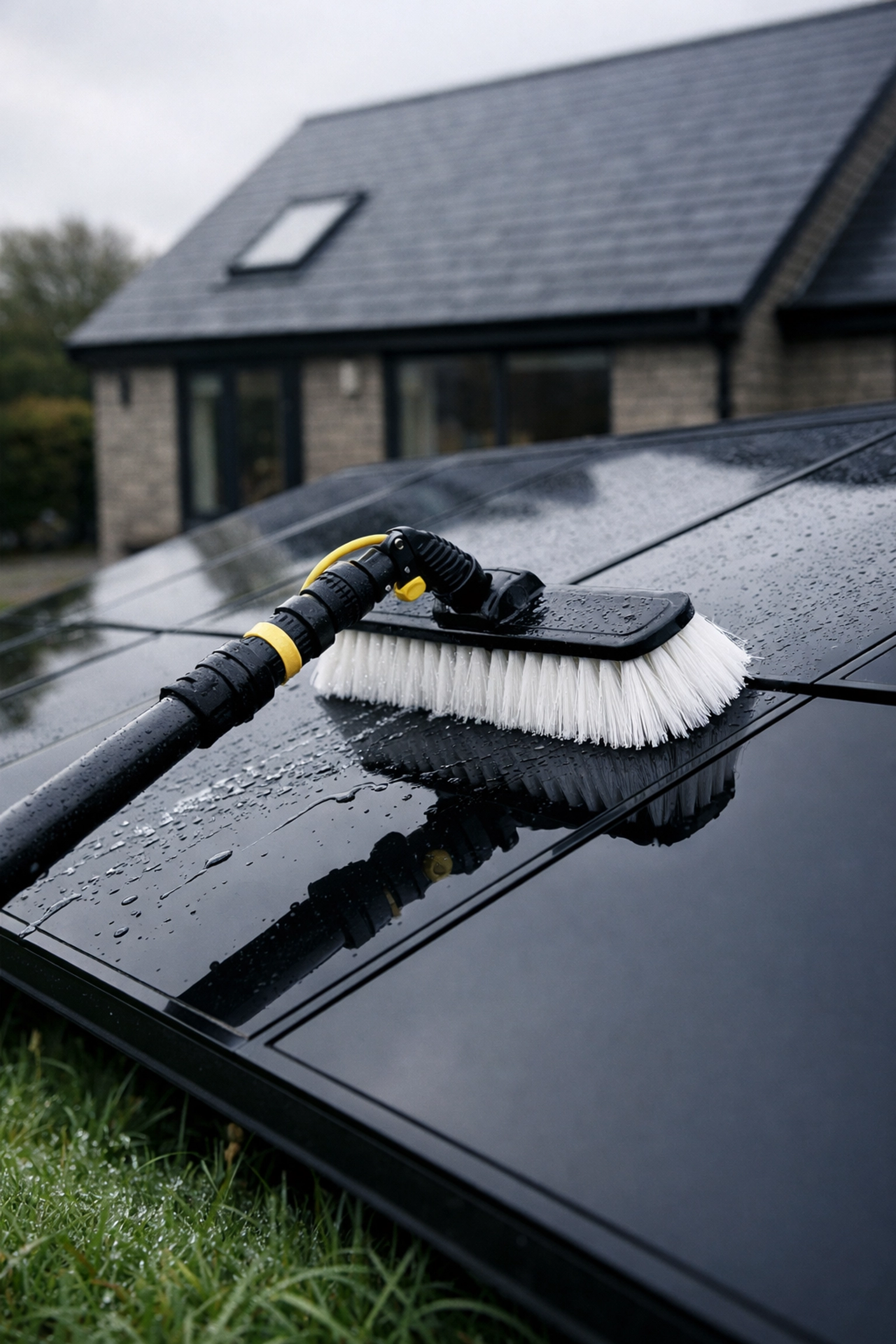
- Use Soft Water and Soap: A soft brush or microfiber cloth with lukewarm, soapy water (mild dish soap is fine) works best.
- Time it Right: Clean your panels on a cool, overcast morning. If the panels are hot from the sun, the water will evaporate too quickly, leaving unsightly streaks and mineral deposits.
- Safety First: If your panels are on a high or awkward roof, do not risk a fall. Use a telescopic pole from the ground or hire a professional window cleaner who specialises in solar.
2. Digital Health Checks: Harnessing Your Inverter Data
One of the greatest advantages of modern Tier-1 systems like SolarEdge and Tesla Powerwall 3 is the level of data they provide.
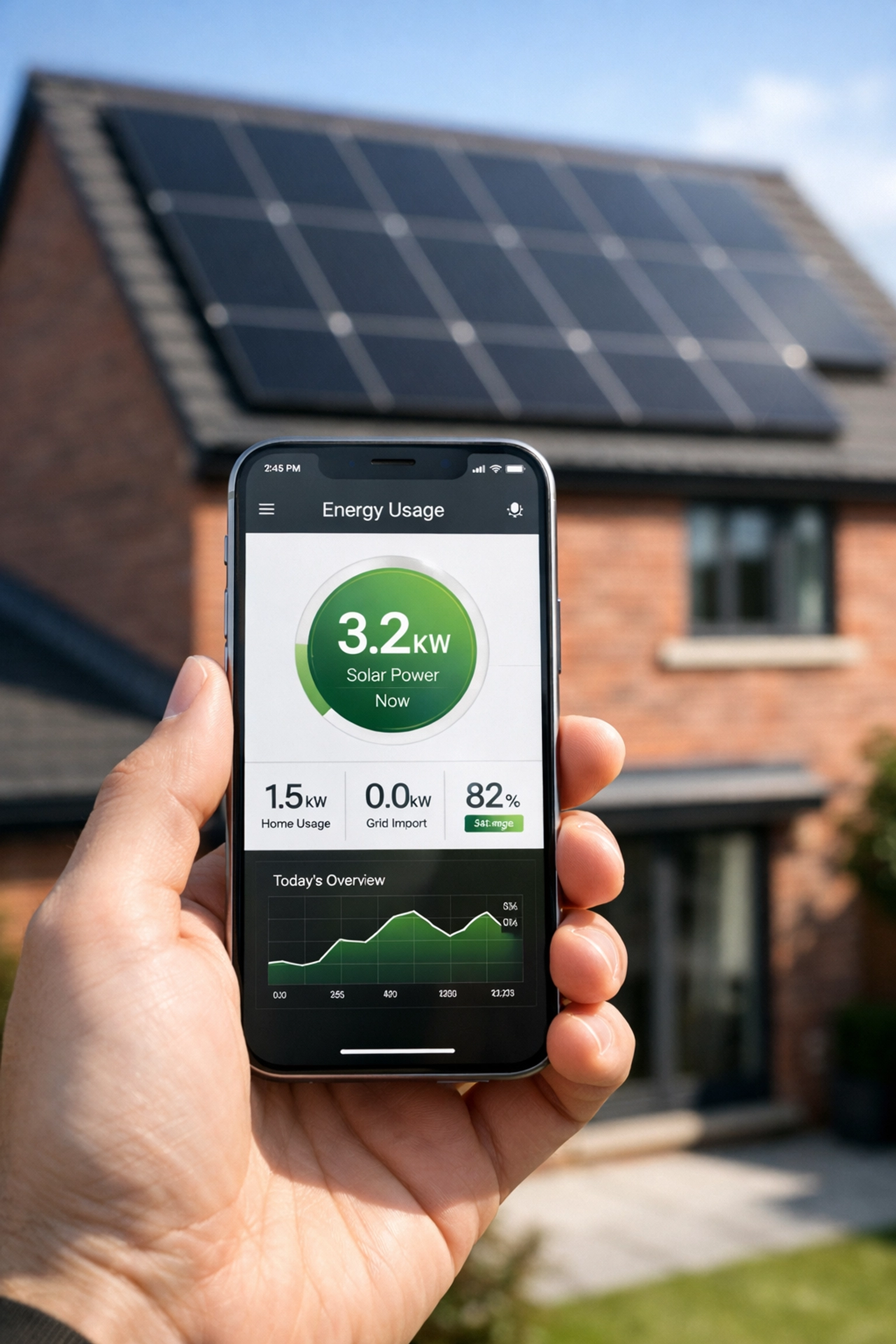
You should get into the habit of checking your monitoring app at least once a month. You aren’t just looking at how much energy you’ve generated; you are looking for patterns.
| What to Look For | Meaning |
|---|---|
| Sudden Drop in Output | Could indicate a failed string, a tripped breaker, or significant shading from a new obstruction. |
| Panel-Level Mismatch | In systems with optimisers (like SolarEdge), if one panel is significantly lower than the others, it may be damaged or heavily soiled. |
| Inverter Error Codes | Modern inverters will self-diagnose. If you see an "Isolation Fault" or "Grid Overvoltage," it’s time to call a specialist. |
If you notice your generation is consistently lower than the same month last year (accounting for weather variations), it’s a clear signal that the system needs an inspection.
3. The Visual Walk-around: What to Look for from the Ground
You don’t need to climb a ladder to perform a basic visual check. A pair of binoculars can be a solar owner's best friend. Once a quarter, take five minutes to look at your array and check for:
- Cracks or "Snail Trails": Look for physical damage to the glass. "Snail trails" are brown, wiggly lines that can indicate micro-cracks in the silicon cells.
- Mounting Integrity: Ensure no panels look shifted or "wonky." UK storms can be fierce, and while professional mounting systems are rated for high winds, it’s worth checking after a gale.
- Cable Management: Ensure no wires have come loose and are dangling onto the roof tiles. Cables should be tucked neatly behind the rails to prevent wind-chatter and UV degradation.
- Encroaching Shade: Is that tree in the garden taller than it was last year? Even partial shading on one panel can significantly impact the performance of the entire string if you don't have optimisers.
4. Professional Servicing: The 5-Year Milestone
While the day-to-day maintenance is up to you, we recommend a professional service every 5 to 10 years, or sooner if your monitoring app indicates an issue.
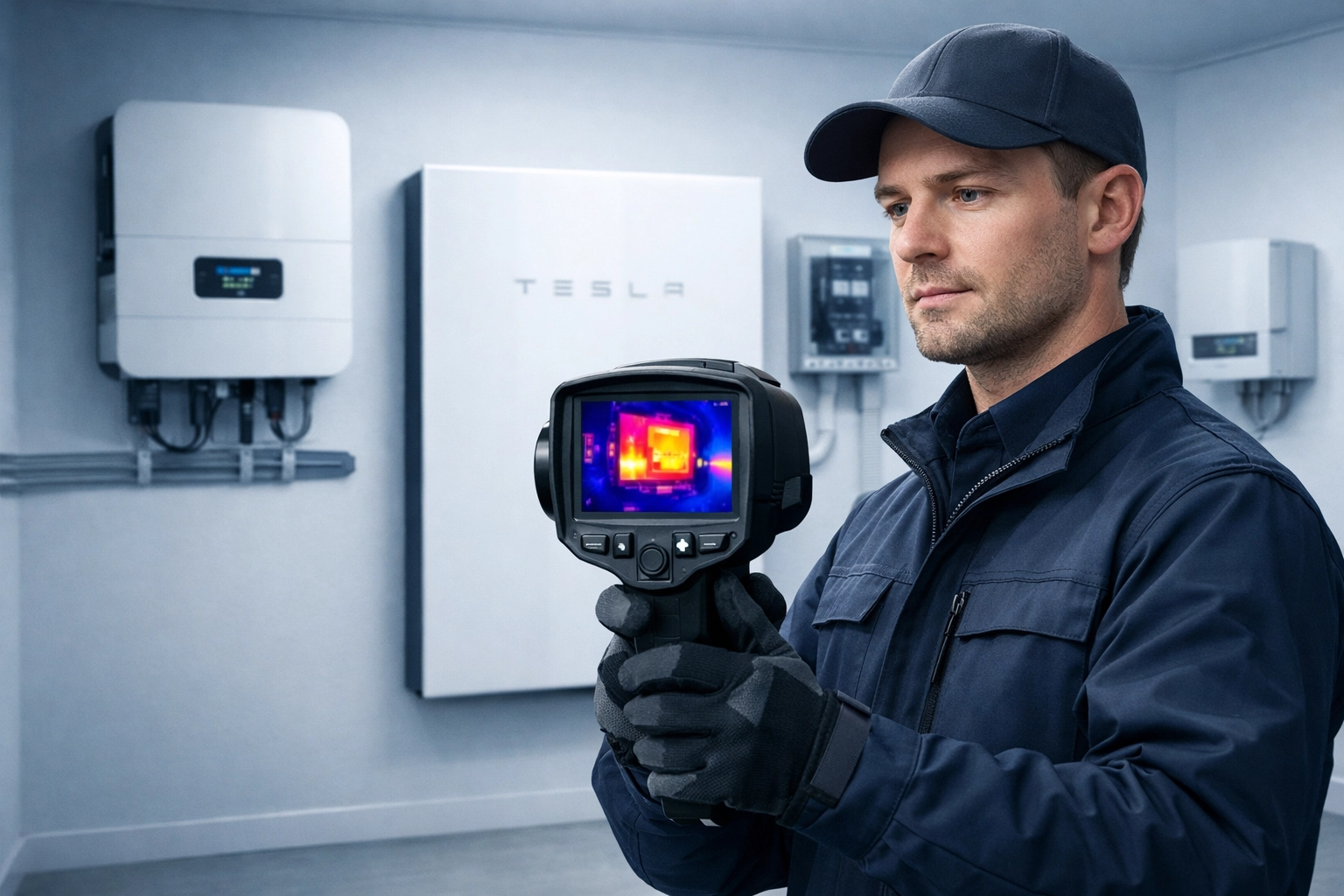
A professional solar installation maintenance check by a qualified engineer involves more than just a wipe-down. It includes:
- DC String Testing: Measuring the voltage and current of each string to ensure they match the design specifications.
- Inverter Inspection: Checking for dust buildup inside the cooling fans and ensuring all internal connections remain tight.
- Thermal Imaging: Using infrared cameras to detect "hotspots": areas where cells are overheating, which can lead to premature failure.
- Torque Checks: Ensuring the roof anchors and clamps are still tightened to the correct manufacturer specifications.
5. Dealing with the UK Elements: Snow and Storms
The UK weather presents unique challenges for solar longevity.
Snow
Generally, we advise leaving snow to melt naturally. Solar panels are dark and tilted; they naturally shed snow faster than the rest of your roof. Attempting to scrape ice off panels can scratch the anti-reflective coating, doing more harm than good.
Birds and Pests
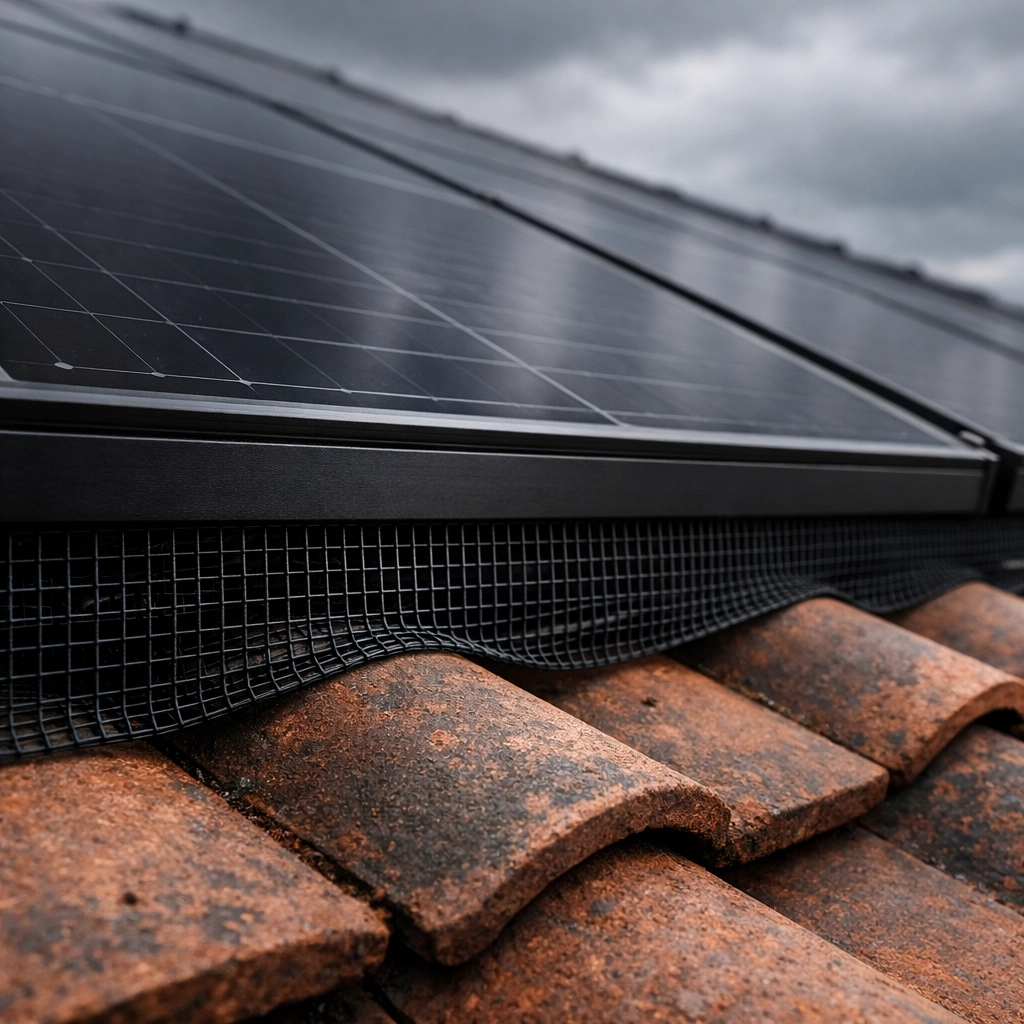
Pigeons love the warmth and shelter underneath solar panels. Their droppings are acidic and can damage the panel surface over time, and their nesting materials can create a fire risk. If you notice birds frequenting your array, consider installing "bird skirting" or mesh around the perimeter of the panels.
6. Protecting Your Warranty: The Importance of Documentation
To maintain your 25+ year performance warranty, manufacturers often require proof that the system has been treated reasonably.
- Keep a Log: Note down when you cleaned the panels and any professional services you’ve had.
- Stay Certified: Ensure any work done on your system is performed by an MCS-certified installer. Unauthorised repairs can void your equipment warranties instantly.
- Monitor the Inverter: Most warranties on Tier-1 inverters (like the 12-25 year warranties offered by SolarEdge) are contingent on the unit being connected to the internet for remote monitoring. If your Wi-Fi changes, make sure you reconnect your inverter immediately.
7. When to Call the Specialists
At DES Renewable Energy Ltd, we often see "Solar Cowboys" disappear after the initial installation, leaving homeowners stranded when a fault occurs years later. Choosing a partner that’s "here for the long haul" is the best form of aftercare you can invest in.
If your monitoring app shows a red light, if you see physical damage after a storm, or if your energy bills are unexpectedly creeping up, don't wait. A small fault addressed today prevents a total system failure tomorrow.
Summary Checklist for Long-Term Performance
| Task | Frequency | DIY or Professional? |
|---|---|---|
| App Monitoring | Monthly | DIY |
| Ground Visual Check | Quarterly | DIY |
| Panel Cleaning | 1-2 Times Yearly | DIY / Window Cleaner |
| Debris/Leaf Removal | Every Autumn | DIY (with caution) |
| Full Electrical Service | Every 5-10 Years | Professional |
Final Thoughts
Your solar system is a hard-working asset. By following these simple aftercare steps, you aren't just maintaining equipment; you are protecting your household's financial future. A well-cared-for Tier-1 system will still be generating clean, free electricity long after the initial investment has paid for itself.
If you’re concerned about your system’s performance or haven’t had a professional check-up in several years, we’re here to help. From Tesla Powerwall 3 integrations to full system health checks, our team ensures your energy transition stays on track.
Ready to ensure your system is performing at its peak? Contact the DES Renewable Energy team today for expert advice and professional maintenance services.