


You’ve likely noticed that energy bills aren't getting any friendlier. As of April 2026, the energy market remains volatile, with Middle East conflicts and global supply chain shifts continuing to push prices upward. According to recent Cornwall Insight forecasts, the average household bill is still sitting around £1,973, and for many, that’s just the baseline.
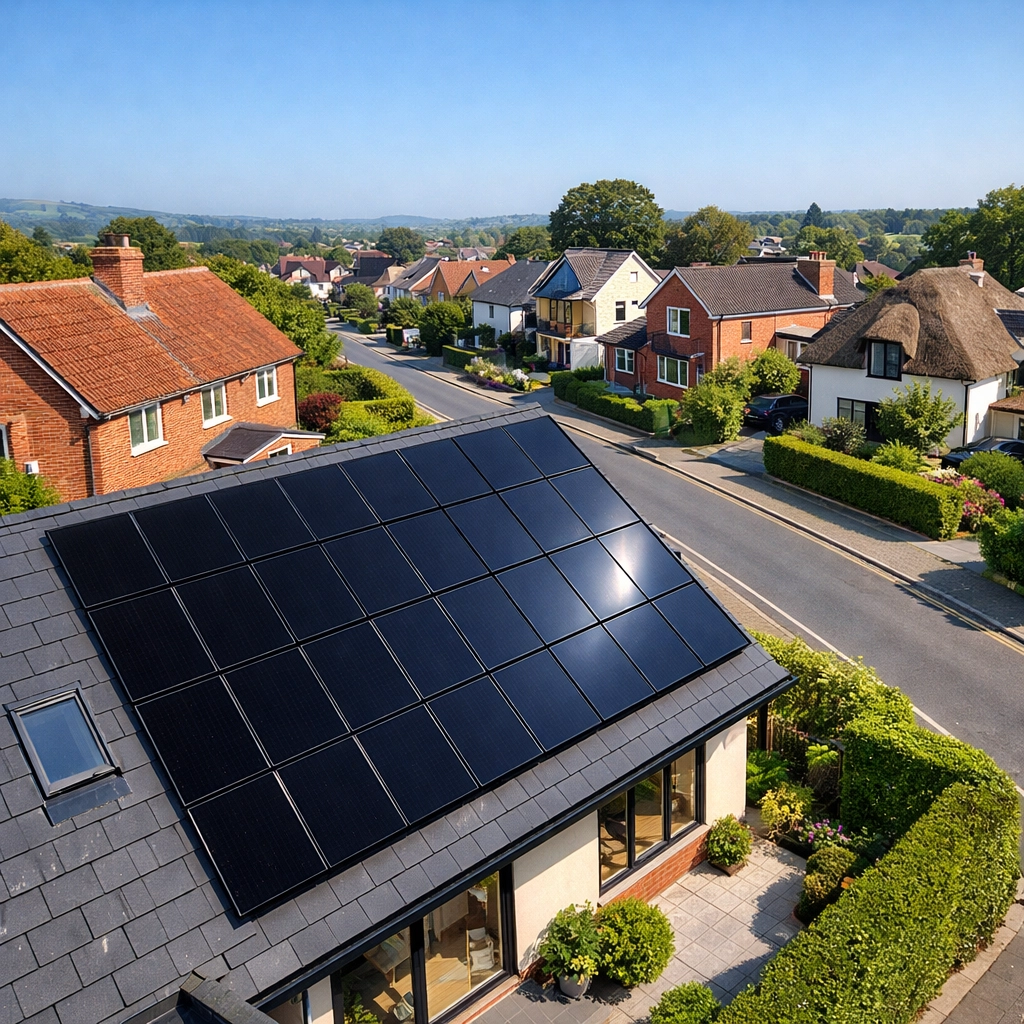
If you live in Bournemouth, Poole, or Christchurch, you’ve probably seen your neighbours installing sleek black panels on their roofs. You’re ready to make the jump to energy independence, but here’s the catch: choosing the wrong installer can turn your dream of "free" electricity into a decade-long headache.
At DES Renewable Energy Ltd, we’ve seen it all. We’ve been called out to fix "budget" installations across Hampshire and Wiltshire more times than we can count. To help you avoid the pitfalls, we’ve put together this guide on the 7 biggest mistakes you might be making when choosing solar panel installers in Dorset: and exactly how to fix them.
1. Choosing Based on Price Alone
It’s tempting, isn't it? You get three quotes and one is £2,000 cheaper than the others. Your instinct is to save that money upfront. But in the world of renewable energy, a price that is 20–30% below the market average usually means the installer is cutting corners.
Typically, a high-quality 4 kW residential solar PV system in the UK should cost between £5,500 and £7,000. If a quote comes in significantly lower, ask yourself where they are saving money. Is it low-grade panels? Are they using subcontracted labour that won't be around if something breaks? Or are they skipping essential safety components?
How to Fix It:
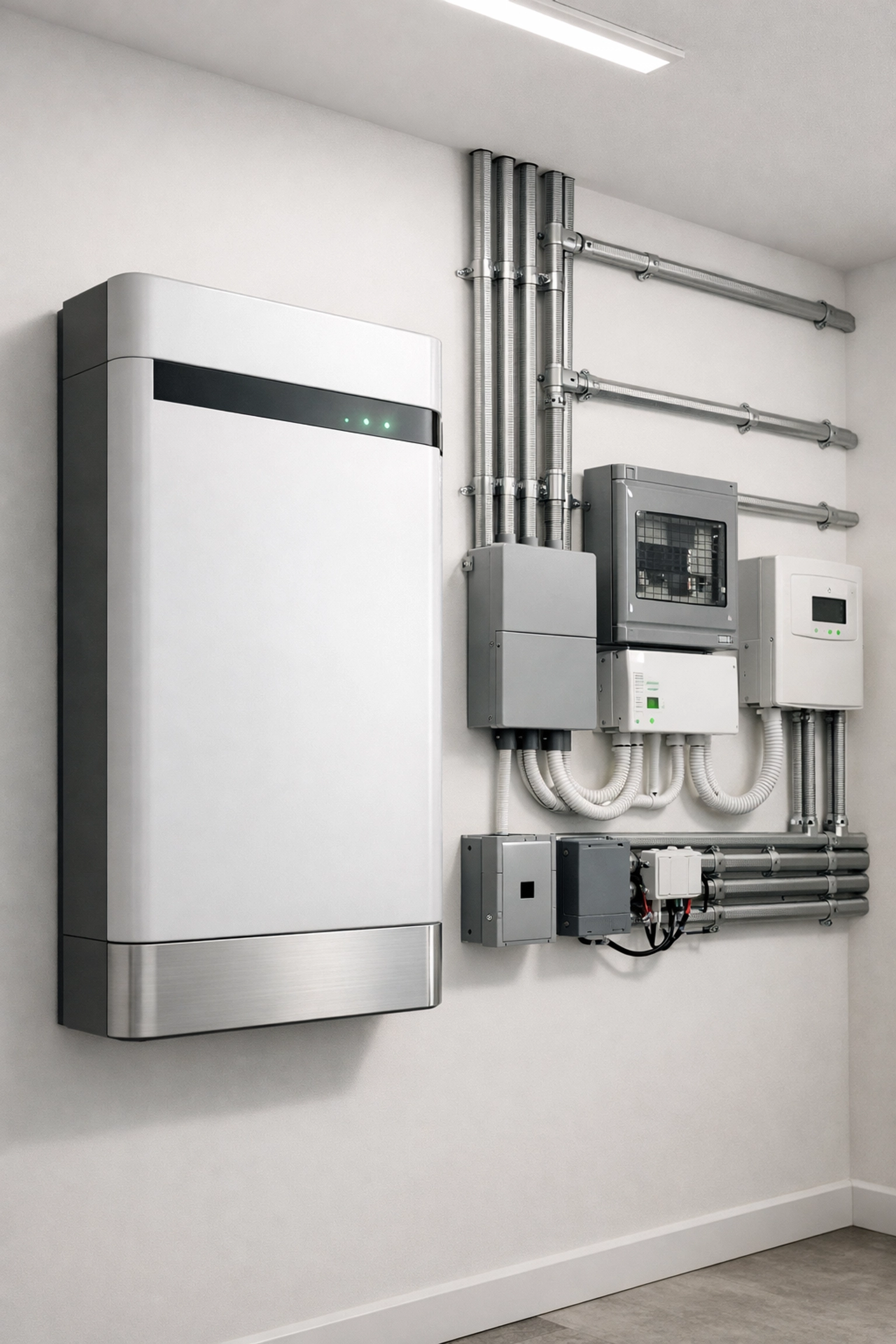
Compare the actual components being offered. Are they suggesting a Tesla Powerwall 3 or a GivEnergy All-In-One? High-quality components have a higher upfront cost but offer much better ROI over 25 years. Focus on the value and the "cost per kilowatt-hour" over the lifetime of the system, not just the initial bill.
2. Not Getting Multiple Local Quotes
If you only speak to one installer, you have no baseline for what’s fair. Some national companies have massive marketing budgets and will charge you an "advertising premium" that adds thousands to your quote. Conversely, some "one-man-band" operations might under-quote because they don't understand the complexities of your roof in Ferndown or Christchurch.
How to Fix It:
Always get at least three quotes from local, reputable companies. This allows you to spot outliers. When you look at multiple quotes, you’ll start to see patterns in how they approach your specific roof layout. It also gives you leverage to ask why one company recommends 10 panels while another suggests 14.
3. Ignoring Warranties and Performance Guarantees
Many homeowners think "a warranty is a warranty," but that’s far from the truth. There is a huge difference between a manufacturer's product warranty and a performance guarantee. If your installer tells you the panels have a "25-year warranty," they might be referring to the performance (which says the panels will still produce 80% power in 25 years) but not the actual hardware if it cracks or fails.
Furthermore, if your installer isn't properly accredited, your warranty might be completely void. This is a common issue we see when people are looking for solar panels in Hampshire.
How to Fix It:
Check that your installer is MCS-approved. This is non-negotiable. Without MCS certification, you cannot access smart export guarantees (SEG) to get paid for the energy you send back to the grid. To understand why this is so critical, you can read our deep dive on why your solar warranty depends on MCS and NAPIT certifications.
4. Skipping Customer Reviews and Local References
In the digital age, there’s no excuse for not doing your homework. An installer might have a flashy website, but what are people in Poole or Bournemouth actually saying about them? Are they finishing jobs on time? Do they leave the site tidy? Most importantly, do they answer the phone six months later when you have a question about your inverter?
How to Fix It:
Check Google Reviews, Trustpilot, and ask for local references. A reputable installer should be able to point to a project they've completed near you: whether it's installing solar panels in Ferndown or a commercial array in a Hampshire business park. If they can’t provide a local reference, that’s a massive red flag.

5. Disregarding System Design and Shading Analysis
Did you know that shading from a single chimney or a nearby tree in your garden can reduce your system’s output by up to 30%? Some installers will simply count the tiles on your roof from a Google Maps image and give you a quote. This is a recipe for an underperforming system.
Every roof is different. The way the sun hits a home in Christchurch in December is very different from how it hits a property in the Wiltshire hills.
How to Fix It:
Ensure your installer conducts a professional shading analysis. At DES Renewable Energy, we use advanced tools to map out exactly how much sun your roof will get throughout the year. We might recommend power optimizers or micro-inverters to ensure that if one panel is in the shade, the rest of the system keeps performing at 100%.
6. Choosing Unlicensed or Inexperienced "Cowboys"
The solar industry has seen a massive boom recently, and with that comes the "solar cowboys." These are often roofers or general electricians who have decided to "have a go" at solar without the proper training or certifications. They might be cheaper, but the risks include electrical fires, roof leaks, and systems that simply don't work.
How to Fix It:
Look for specialists, not generalists. Ask how many systems they have installed in the last year. A specialist renewable energy partner like DES Renewable Energy focuses entirely on this technology. We understand the nuances of the GoodWe ESA plug-and-play solutions and the latest battery storage tech. Don't trust your home's safety to someone who is "learning on the job."
7. Overlooking Long-Term Aftercare
Solar is often sold as "fit and forget," but that’s a bit of a myth. While panels require very little maintenance, they do need monitoring. You need to know if a string has gone down or if your battery isn't discharging correctly. If your installer doesn't offer an aftercare package or a monitoring app, you could be losing hundreds of pounds in potential savings without even knowing it.
With the recent projected £332 increase in energy costs for those without solar, every kilowatt-hour counts. You need to ensure your system is running at peak performance for its entire 25-year lifespan.
How to Fix It:
Ask about aftercare. Do they provide a monitoring platform? Do they offer periodic cleaning and health checks? You can find more details in our ultimate guide to solar aftercare. Choosing an installer that views the installation as the beginning of the relationship, not the end, is key.
Local Expertise Matters: From Bournemouth to Wiltshire
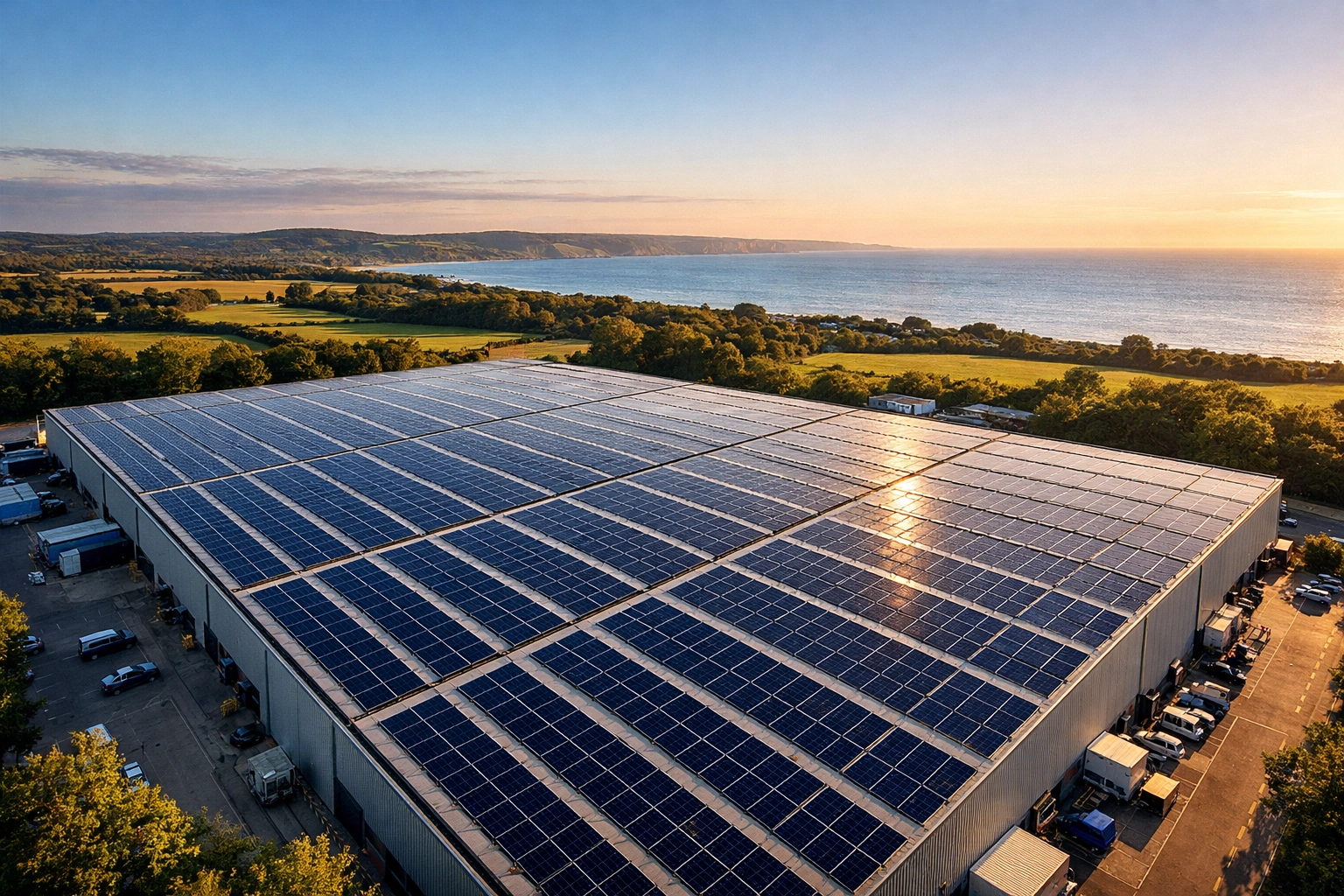
Whether you are a homeowner in a Victorian terrace in Bournemouth or a business owner in a modern warehouse in Poole, the local environment matters. Dorset’s coastal air can be salty, which means you need panels with high corrosion resistance. Hampshire’s planning laws can be tricky, especially in protected areas.
We’ve helped hundreds of locals master energy independence. If you’re a business owner, you might be particularly interested in our guide to solar ROI in Poole and Bournemouth, which explains how commercial systems pay for themselves faster than you might think.
Summary Checklist for Choosing Your Installer:
- Are they MCS and NAPIT approved?
- Do they have local references in Dorset/Hampshire?
- Is the quote realistic (£5.5k – £7k for a standard 4kW system)?
- Have they performed a site-specific shading analysis?
- Are they using top-tier brands like Tesla, GivEnergy, or GoodWe?
- Do they offer a comprehensive aftercare plan?
Take the Next Step Toward Energy Independence
Making the switch to solar is one of the smartest financial decisions you can make in 2026. By avoiding these seven mistakes, you’ll ensure that your investment pays off for decades to share.
If you’re ready to stop worrying about the next Ofgem price cap and start generating your own clean, green power, we’re here to help. Between you and our team, we can design a system that fits your home perfectly and wipes out those soaring energy bills.
Contact DES Renewable Energy today for a no-obligation, expert consultation at your property in Dorset, Hampshire, or Wiltshire. Let’s get your journey to energy independence started the right way.