


So, you’ve decided to take the leap into solar energy. Perhaps you’re tired of watching your monthly bills climb, or maybe you want to do your bit for the planet while living in beautiful Dorset. Whatever your motivation, you’re making a smart move. With energy prices remaining volatile: following the Ofgem price cap rising to an average of £1,717 and forecasts from Cornwall Insight suggesting further fluctuations due to global instability: securing your own energy source has never been more vital.
But here is the catch: the solar industry is booming, and where there is a boom, there are often "cowboys" looking to make a quick profit. Choosing the right installer is the difference between a system that pays for itself in seven years and one that becomes a costly roof ornament.
If you’re feeling a bit overwhelmed by the technical jargon or the sheer number of companies in Bournemouth, Poole, and the surrounding areas, don’t worry: and that’s okay. We are here to help you spot the warning signs before you sign on the dotted line.
Why Your Choice of Installer Matters More Than the Panels
You might think that as long as you buy high-quality panels, the installer doesn’t matter. In reality, the installation is about 70% of the long-term success of your system. A poor installation can lead to roof leaks, electrical fires, or simply a system that underperforms by 20–30%.
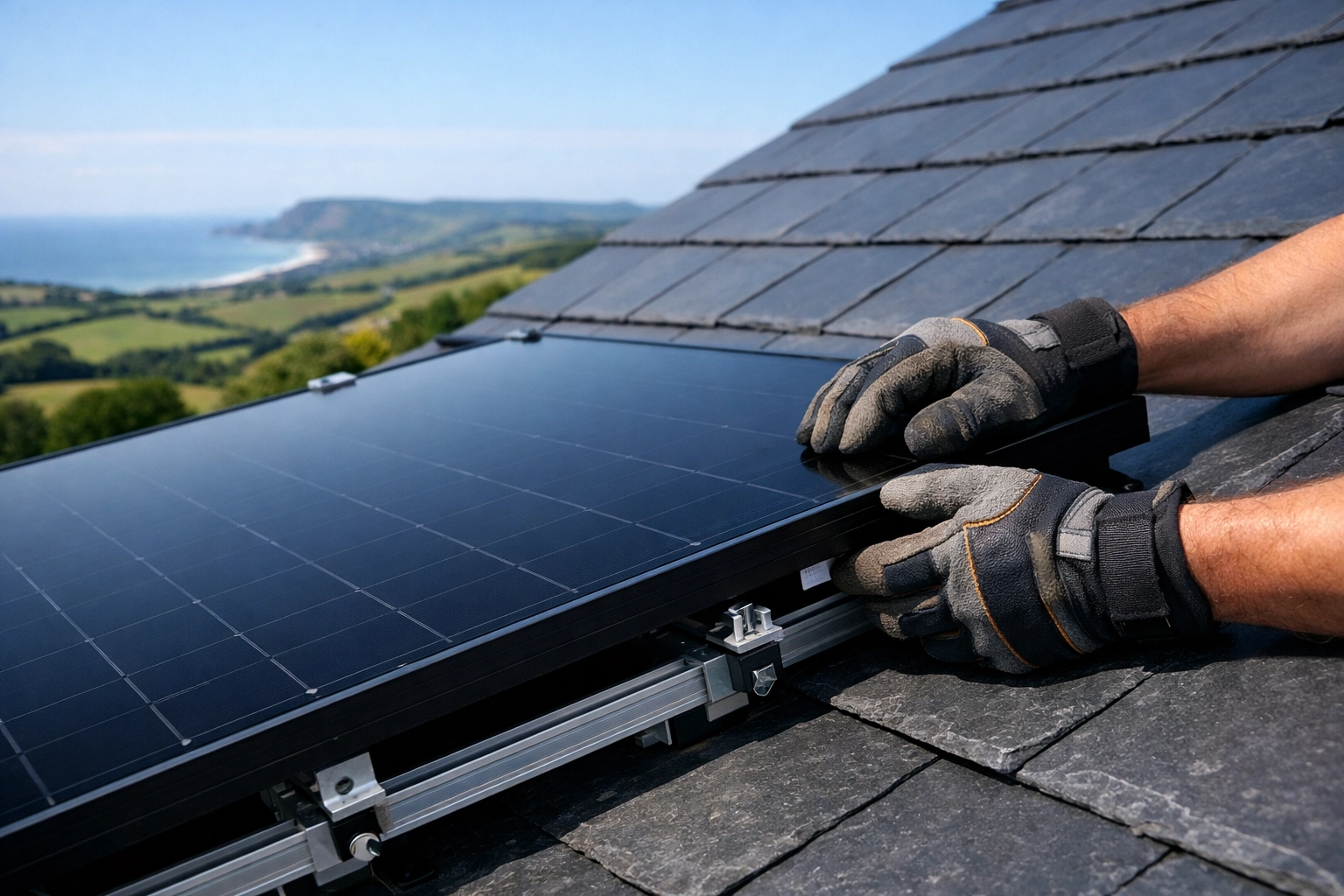
In Dorset, we have specific coastal considerations: salt air can corrode certain fixings, and high winds across the Purbecks require robust mounting systems. You need a team that understands the local landscape.
Red Flag 1: The "Today Only" Pressure Tactic
Have you ever had a salesperson sit in your living room and tell you that if you don't sign right now, the "government grant" or the "special discount" will disappear? This is the oldest trick in the book.
Reliable installers provide quotes that are valid for at least 14 to 30 days. Solar is a significant investment, often costing between £6,000 and £12,000 for a residential system. You should never feel rushed into a five-figure decision. If they are pushing you to sign on the spot, it’s usually because they don’t want you to compare their prices with more transparent local competitors.
Red Flag 2: They Lack MCS or NAPIT Accreditations
This is a non-negotiable. If an installer cannot prove they are certified by the Microgeneration Certification Scheme (MCS), walk away immediately.
Why does it matter? Without an MCS certificate, you cannot sell your excess energy back to the grid via the Smart Export Guarantee (SEG). Furthermore, your home insurance may be void if the work isn't carried out by a certified professional. It’s also wise to check if they are registered with NAPIT for their electrical work.
You can read more about why these certifications are the backbone of your system in our guide on why your solar warranty depends on MCS and NAPIT.
Red Flag 3: The "Desktop-Only" Quote
Technology is great, and we use satellite imagery to get an initial idea of your roof’s potential. However, a final quote should never be issued without a physical site survey.
An installer needs to check:
- The structural integrity of your roof timbers.
- The state of your current consumer unit (fuse box).
- Potential shading from chimneys or nearby trees that satellite images might miss.
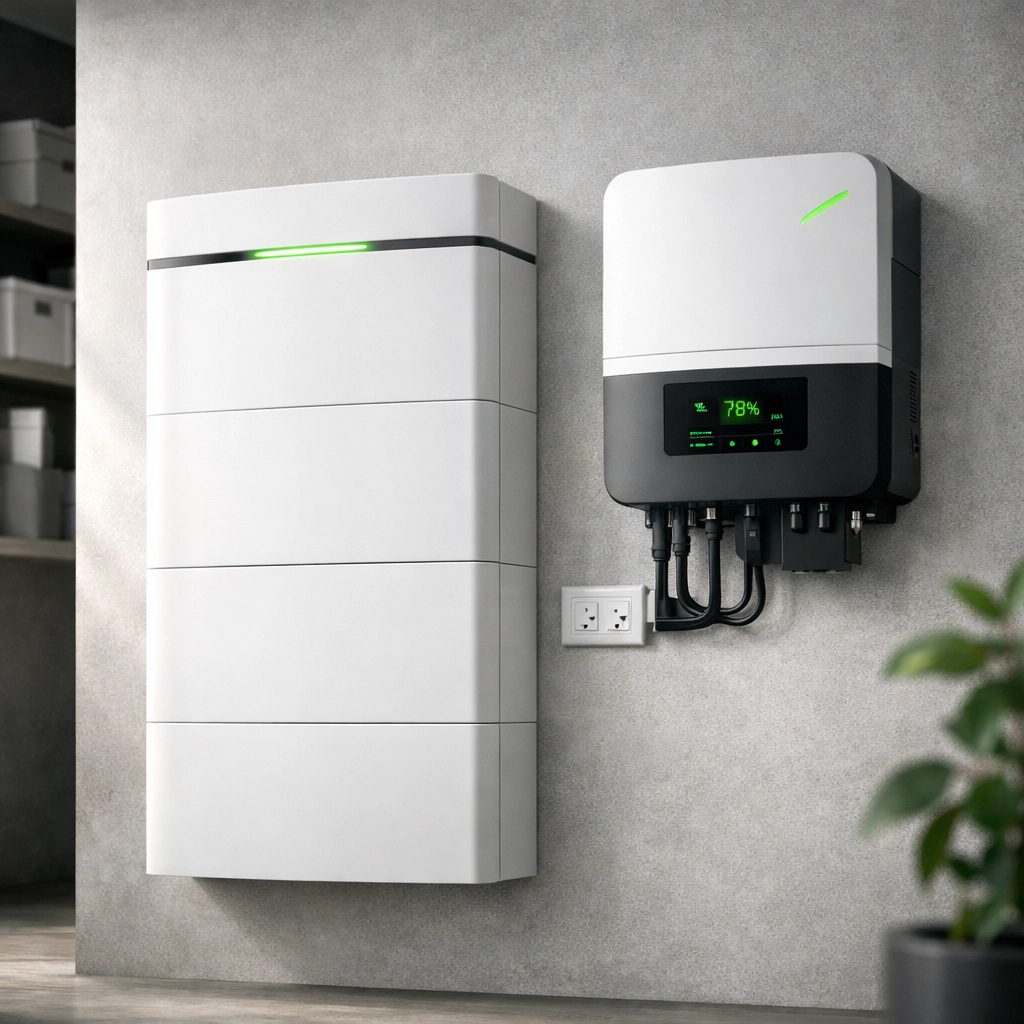
- Where the battery and inverter will actually fit.
If a company is happy to take thousands of pounds from you based solely on a Google Maps screenshot, they are likely to hit you with "unforeseen costs" on the day of installation.
Red Flag 4: Unrealistic ROI and Generation Claims
We all want to save money, but some installers stretch the truth. They might tell you that you’ll "never pay an electric bill again." While solar can drastically reduce your bills: often by 70% to 90% if paired with a battery: total independence is rare in the UK winter.
A trustworthy installer will provide a realistic performance estimate based on the Standard Estimation Method. This takes into account your roof's pitch, orientation, and local Dorset weather data. If the numbers look too good to be true, they probably are.
| Feature | Realistic Claim | Red Flag Claim |
|---|---|---|
| Annual Savings | 50% – 85% with battery | "100% free energy forever" |
| Payback Period | 7 – 10 years | "Pays for itself in 3 years" |
| Winter Performance | Lower generation, uses grid | "Full power all year round" |
Red Flag 5: Vague or Short-Term Warranties
Solar panels are designed to last 25–30 years. If an installer only offers a 2-year workmanship warranty, it suggests they aren't confident in the longevity of their work.
You should look for:
- Product Warranty: Usually 12–25 years for the panels.
- Performance Warranty: Usually 25 years (guaranteeing the panels still produce at least 80% of their original output).
- Inverter Warranty: Usually 5–10 years (this is the part most likely to need replacing first).
- Workmanship Warranty: Ideally 5–10 years, backed by an insurance-linked guarantee.
Red Flag 6: No Local Reputation or Physical Office
The "man with a van" might be cheaper, but will he be there in five years if your inverter stops working? Working with a local Dorset company means you have a physical point of contact.
Check their reviews on platforms like Checkatrade or Trustpilot. Look specifically for how they handle problems. Every company has a hiccup occasionally; the mark of a great installer is how quickly and fairly they fix it. If you can't find a local address or any history of work in Poole, Bournemouth, or Christchurch, be very cautious.
Red Flag 7: Using Subcontractors for Everything
Some companies are just sales offices. They sell you the system and then hire the cheapest available subcontractors to fit it. This often leads to a "not my job" attitude when things go wrong.
At DES Renewable Energy, we believe in accountability. When the team that surveys your house is the same team that installs the panels, the quality remains consistent. You can learn more about our local approach in our ultimate guide to renewable energy installers in Dorset.
The Honest Disadvantages of Solar Power
We promised to be transparent, and that means talking about the downsides. While we love solar, it isn't a magic wand.
- High Upfront Cost: Even with falling prices, a good system is a significant investment.
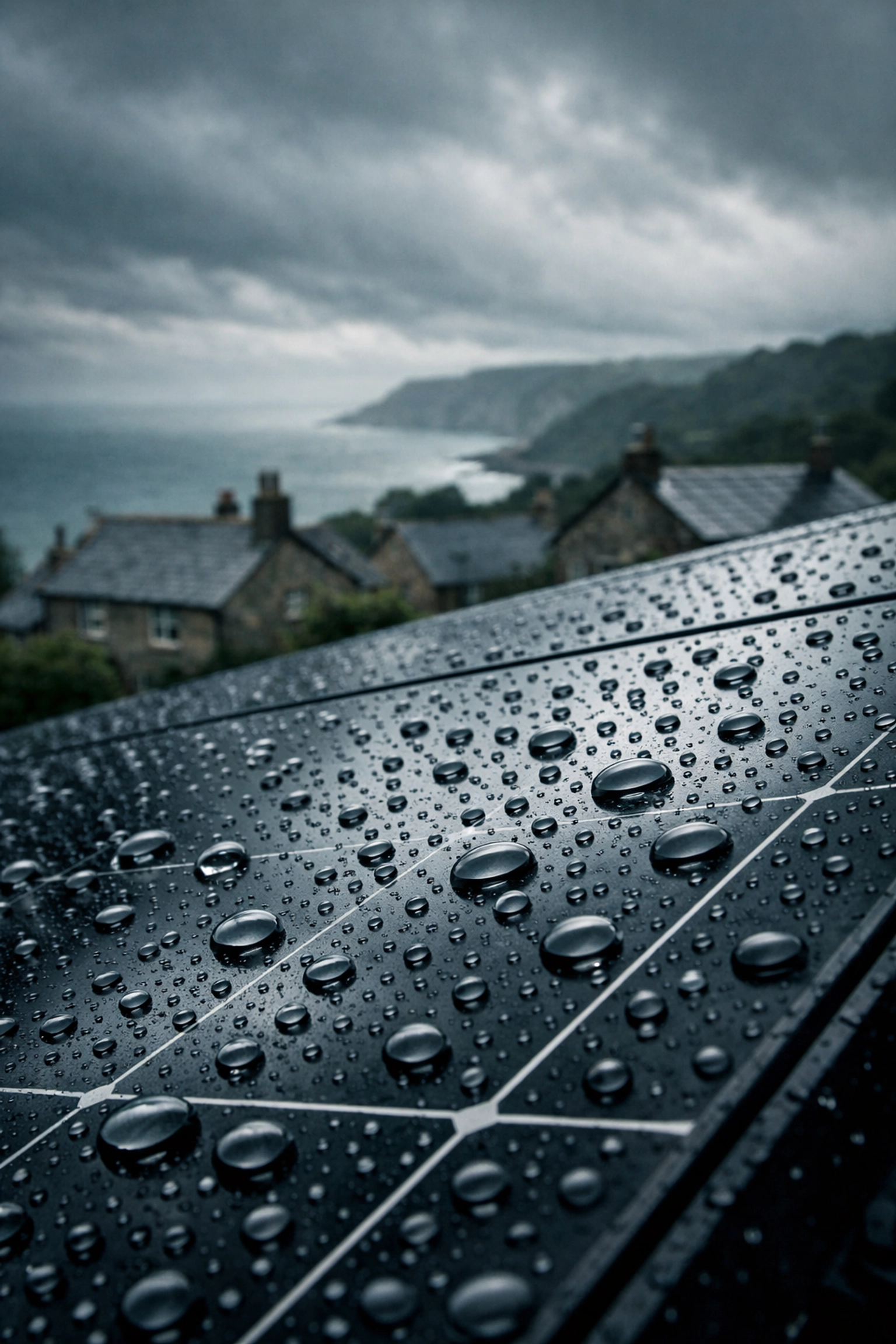
- Weather Dependency: In Dorset, we get great sun, but a rainy Tuesday in January won't power your heat pump and EV charger simultaneously.
- Roof Suitability: If your roof is north-facing or heavily shaded, the advantages and disadvantages of solar power might tilt toward it not being a viable investment for you: and that’s okay, we’ll tell you if that’s the case.
Business Solar Power: A Different Ballgame
If you are looking for business solar power, the red flags are similar, but the stakes are higher. Commercial installations require more complex G99 grid applications and structural reports.
For businesses in Bournemouth and Poole, solar is one of the few ways to fixed-price your energy for the next two decades. With a typical ROI of 3–5 years for commercial systems, it’s a no-brainer for warehouse owners or offices. If an installer doesn't mention capital allowances or the specific tax benefits of commercial solar, they might not have the expertise you need.
Check out our business owner's guide to solar ROI for a deeper dive into the numbers.
Maintenance Tips: Keeping the Red Flags Away
Once your system is installed, you want to keep it running at peak performance. The good news? Solar is relatively low maintenance.
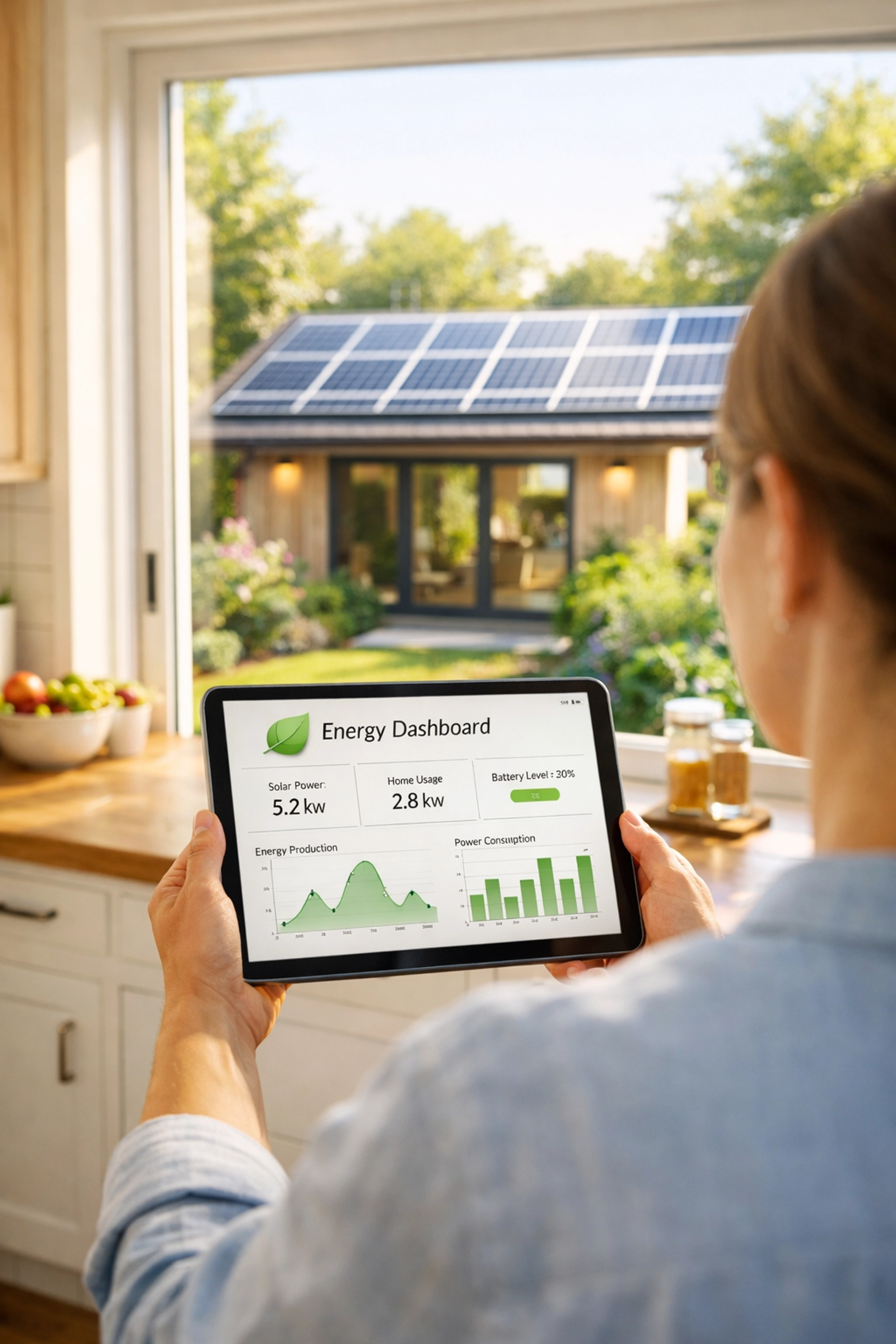
- Monitor Your Output: Use your app (like the GivEnergy or Tesla portal) weekly. If you see a sudden drop, call your installer.
- Keep Panels Clear: Living in Dorset means seagulls. If your panels become a favorite spot for birds, a quick clean can boost efficiency by 5–10%.
- Annual Health Check: Every few years, have a professional check the electrical connections and the inverter.
For more details, see our guide to solar aftercare.
Making Your Final Decision
Choosing a solar installer shouldn't feel like a gamble. By avoiding these seven red flags, you are already ahead of 90% of other homeowners. Look for transparency, local expertise, and a willingness to answer the "hard" questions about disadvantages and long-term costs.
Are you ready to see what solar could look like for your specific roof? Whether you are comparing a Tesla Powerwall 3 vs GivEnergy or just starting your journey, we’re here to help.
Contact us to discuss your needs and get a transparent, no-pressure quote from a local Dorset team that cares about your long-term savings as much as you do.