


The UK energy landscape in 2026 is unrecognisable compared to just a few years ago. With the push toward Net Zero and the increasing volatility of the traditional grid, thousands of homeowners across Dorset, Hampshire, and beyond are making the leap to solar power and battery storage.
However, this "solar gold rush" has brought a significant challenge: a surge in "Solar Cowboys." These are companies that pop up overnight, offer rock-bottom prices, and disappear just as quickly, leaving homeowners with underperforming systems and worthless warranties.
Choosing a renewable energy partner isn't just about buying hardware; it’s about entering a 25-year relationship. In this guide, we’ll break down the critical differences between a fly-by-night installer and a true renewable energy specialist, helping you ensure your investment stands the test of time.
The Rise of the Solar Cowboy: Red Flags to Watch For
The term "Solar Cowboy" refers to installers who prioritise high-volume sales over technical integrity. They often use high-pressure tactics and lack the deep technical knowledge required to design a bespoke system for your home’s specific needs.
If you encounter any of the following, proceed with extreme caution:
- The "Today Only" Discount: If an installer tells you the price will jump by £2,000 if you don’t sign right now, they are a sales organisation, not an engineering firm.
- Satellite-Only Surveys: While Google Maps is a great tool, it shouldn't be the only way an installer assesses your roof. A specialist will want to see your consumer unit (fuse box), check your roof structure, and understand your actual half-hourly energy usage.
- Unrealistic Payback Promises: If someone claims your system will pay for itself in three years, they are likely ignoring maintenance costs, degradation, and realistic UK weather patterns.
- Generic Components: "Tier-1" is a term often thrown around. However, if they can't specify the exact brand of inverter or battery: or if the brand is one you can't find a UK office for: you might be looking at a "white-label" system with no long-term support.
Before making a decision, it's worth reading our guide on 7 mistakes you’re making when choosing a solar installer and how to spot the cowboys to avoid common pitfalls.
What Defines a Renewable Energy Specialist?
A specialist, like DES Renewable Energy, views your home as a micro-power plant. We focus on technical capability, financial stability, and long-term performance. According to industry research, the four most critical factors in choosing an energy partner are financial ability, technical ability, management ability, and proven performance experience.
1. Essential Certifications (MCS & NAPIT)
In the UK, certifications aren't just badges; they are the gatekeepers of your financial security. If your system isn't installed by an MCS (Microgeneration Certification Scheme) accredited installer, you cannot access Smart Export Guarantee (SEG) payments: meaning you won’t get paid for the excess energy you send back to the grid.
Furthermore, NAPIT registration ensures that all electrical work meets the highest safety standards (Part P of the Building Regulations). Without these, your home insurance may even be voided in the event of an electrical fire.

2. Tier-1 Hardware Integration
Specialists don’t just install "solar panels"; they install integrated ecosystems. This involves choosing world-class brands like Tesla and GivEnergy.
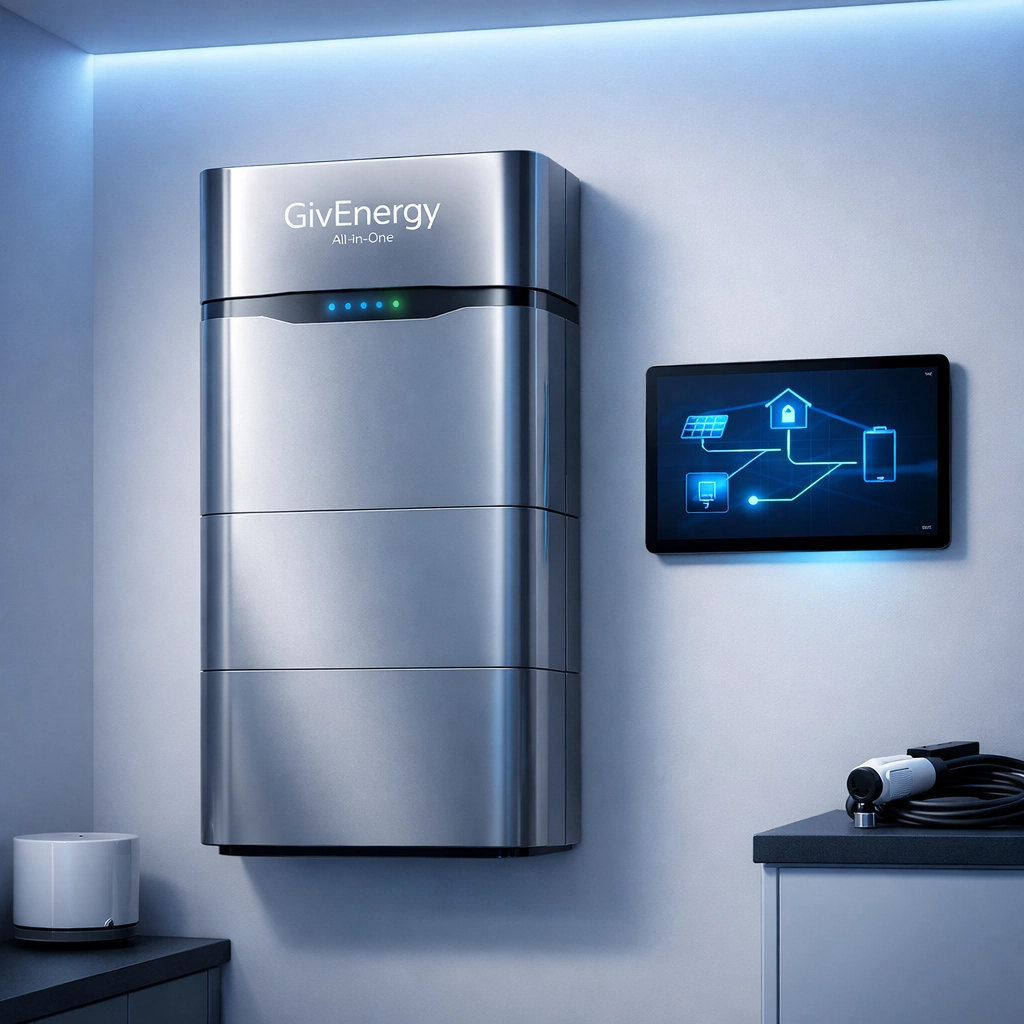
For instance, the Tesla Powerwall 3 is a game-changer because of its integrated solar inverter and massive power output. A specialist will help you decide between the Powerwall 3 and alternatives like the GivEnergy All-in-One. You can see a detailed breakdown of these options in our comparison: Tesla Powerwall 3 vs GivEnergy All-in-One: Which is better for your home.
3. Bespoke System Design
A cowboy will sell you the same "8-panel, 3.6kW inverter" package they sold your neighbour. A specialist will look at your EV charging needs, your heat pump requirements, and whether you have a shaded roof. They might recommend the GoodWe ESA solution if you need a scalable, plug-and-play system that grows with your family.
Comparing the Two: Specialist vs. Cowboy
| Feature | The Solar Cowboy | The Renewable Specialist |
|---|---|---|
| Survey | Remote/Satellite only | In-person technical survey |
| Equipment | Generic/Unbranded | Tier-1 (Tesla, GivEnergy, SolarEdge) |
| Certifications | Often sub-contracted/Expired | In-house MCS & NAPIT accredited |
| Quote | Single-page "Total Price" | Detailed breakdown with ROI projections |
| Aftercare | "Call the manufacturer" | Dedicated 25-year support & monitoring |
| Warranty | Manufacturer only (hard to claim) | Workmanship + Manufacturer + Insurance-backed |
The Hidden Cost of the "Cheap" Quote
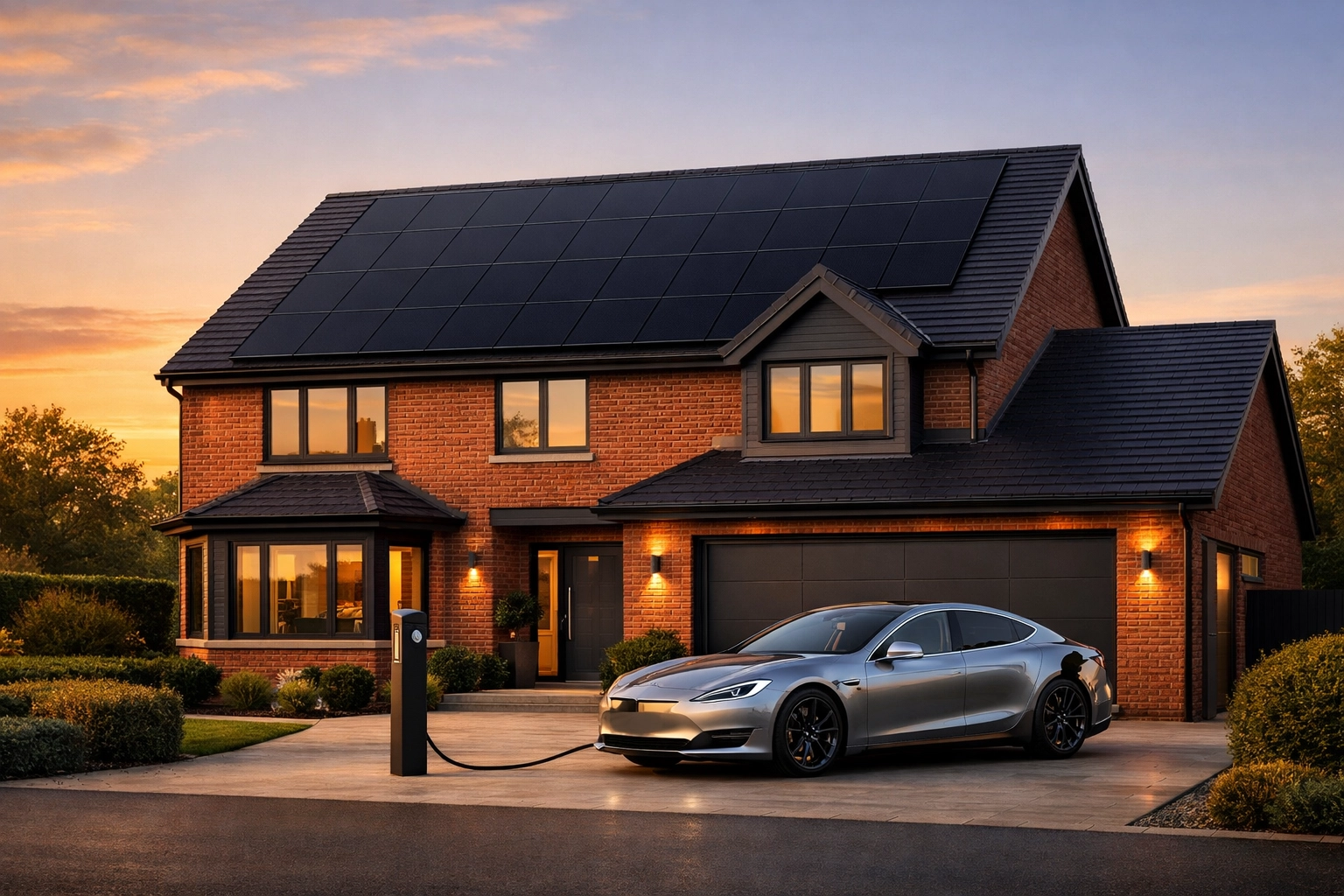
It is tempting to go with the lowest quote. On a standard 4kWp solar system with 10kWh of storage, a cowboy might be £1,500 cheaper than a specialist. However, let’s look at the "hidden" costs over 10 years:
- System Downtime: If a generic inverter fails and the company has gone bust, you’ll pay £800–£1,200 for a replacement, plus labour.
- Poor Efficiency: A poorly designed system might generate 15% less energy annually. Over a decade, that’s thousands of pounds in lost savings and export payments.
- No Support: If you have a question about your app or your battery isn't discharging correctly, a cowboy won't answer the phone. A specialist provides comprehensive solar aftercare to keep your system at peak performance for 25+ years.
For business owners, the stakes are even higher. A failed commercial system can lead to massive operational disruptions. We recommend checking out the business owner’s guide to solar ROI in Poole and Bournemouth to understand how quality affects your bottom line.
Why Technical Expertise Matters in 2026
Modern renewable systems are no longer "set and forget." They are smart, internet-connected devices that use AI to predict weather patterns and optimise your energy usage.
For example, the latest GoodWe ESA systems use AI safety features to detect arc faults before they become a hazard. A cowboy installer likely won't even know how to configure these features, leaving you with a "dumb" version of a smart system.
Furthermore, integrating a battery like the Tesla Powerwall 3 requires a deep understanding of your home’s peak loads. If you want to run your whole house: including your oven and EV charger: during a power cut, you need a specialist who understands "off-grid" functionality and backup gateways.
Your 5-Step Checklist for Choosing a Partner
If you are looking for solar panels in Hampshire or Dorset, use this checklist before signing any contract:
- Verify MCS & NAPIT: Ask for their registration numbers and check them on the official directories. Don't take their word for it.
- Check Local Track Record: Look for a company with a physical office in your region (like our headquarters serving Bournemouth, Poole, and the wider South Coast).
- Inquire About Monitoring: Ask exactly how they will help you if the system underperforms. Do they have a dedicated service department?
- Read the Warranty Fine Print: Ensure there is an insurance-backed guarantee. This protects you if the installation company ceases trading.
- Look for Platinum/Premium Installer Status: Brands like Tesla and GivEnergy have "Preferred" or "Certified" installer programmes. These companies have received direct training from the manufacturers.
Conclusion: Investing in the Long Haul
At DES Renewable Energy, we believe that solar is the best investment a UK homeowner can make in 2026: but only if it's done right. The difference between a specialist and a cowboy isn't just a few hundred pounds; it's the difference between 25 years of energy independence and 25 years of technical headaches.
Whether you are looking for a Tesla Powerwall vs GivEnergy comparison or you're just starting your journey, we're here to provide the expert, professional guidance you need.
Ready to future-proof your home with a partner you can trust?
Contact the DES Renewable Energy team today for a free, no-obligation technical survey. Let’s build your energy-independent future together.