


Deciding to transition your business to renewable energy is one of the smartest financial moves you can make in 2026. Between volatile energy markets and the growing pressure for corporate sustainability, business solar power isn't just a "green" choice, it’s a survival strategy.
But here’s the reality: many business owners in Dorset and Hampshire are rushing into solar without a clear roadmap. They see the potential for massive savings and dive in headfirst, only to find that their ROI isn't what they expected. Maybe you’re feeling a bit overwhelmed by the technical jargon or the sheer number of options available, and that’s okay. Most people are in the same boat.
At DES Renewable Energy Ltd, we believe in total transparency. We want you to get the most out of your investment, which means avoiding the common pitfalls that can turn a high-performance system into a costly headache.
Let’s look at the seven most frequent mistakes we see and, more importantly, how you can fix them.
1. Underestimating Your Actual Energy Profile
The biggest mistake you can make is sizing your system based on a single monthly utility bill. Your "average" usage doesn't tell the whole story.
Why Sizing Matters for ROI
If you undersize your system, you’ll still be heavily reliant on the grid during peak hours. If you oversize it without a proper export strategy or battery storage, you’re wasting capital on energy you can't use or sell back effectively. For a typical 100 kW commercial system, a mismatch in sizing can lead to missed savings of £3,000 to £6,000 annually.
How to Fix It:
You need a granular look at your half-hourly data. Do you run heavy machinery at 6 AM? Does your office power down entirely on weekends? By matching your solar output to your actual consumption patterns, you maximize self-consumption, which is where the real money is saved. Check out our Business Solar Power 101 guide to see how we break down these energy profiles.
2. Ignoring the Honest Disadvantages of Solar
Wait, a solar company talking about disadvantages? Absolutely. If we aren't honest about the limitations, you can’t make an informed decision.
The Realities You Need to Face
- High Upfront Costs: Even with falling prices, a commercial install is a significant capital expenditure.
- Weather Dependency: Yes, modern panels are efficient in low light, but your peak production will always be weather-dependent.
- Roof Suitability: Not every roof is ready for a 25-year commitment. If your roof needs repairs in five years, installing solar now is a mistake.
How to Fix It:
Weight the advantages and disadvantages of solar power carefully. If the upfront cost is a barrier, look into asset financing or PPAs (Power Purchase Agreements). If your roof is old, fix it before the panels go up. Transparency is key, and we’ve written a detailed guide on the advantages and disadvantages of solar power specifically for our local clients in Poole and Bournemouth.
3. Poor System Design and Shading Issues
You might think that as long as the panels are on the roof, they’re working. But poor design can reduce your energy output by 5% to 15% every single year.
The Impact of Shading
Even a small amount of shading from a chimney, a neighboring building, or a vent pipe can disproportionately affect an entire string of panels. Imagine a garden hose with a kink in it; the water flow stops for the whole hose, not just the part with the kink.
| Factor | Potential Loss in Efficiency |
|---|---|
| Minor Shading (10% of array) | Up to 30% system drop (without optimisers) |
| Incorrect Orientation (North vs South) | 15% – 25% |
| Steep vs Shallow Pitch | 5% – 10% |
How to Fix It:
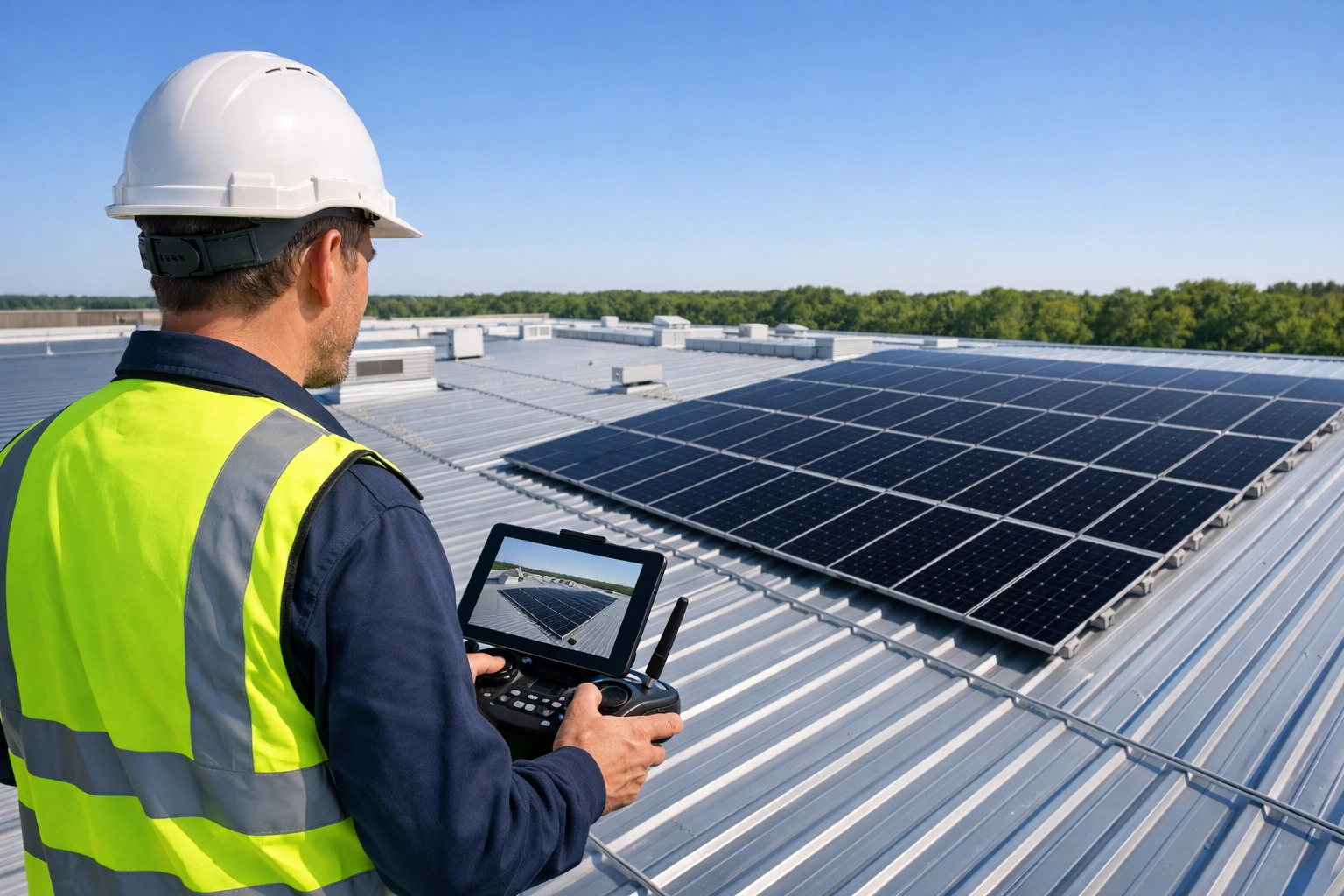
Insist on professional solar design software reports. At DES, we use drone surveys and 3D modeling to simulate the sun’s path across your roof throughout the year. If shading is unavoidable, we use DC optimisers or micro-inverters to ensure that one "shaded" panel doesn't drag down the performance of the rest.
4. Choosing the Wrong Inverter Configuration
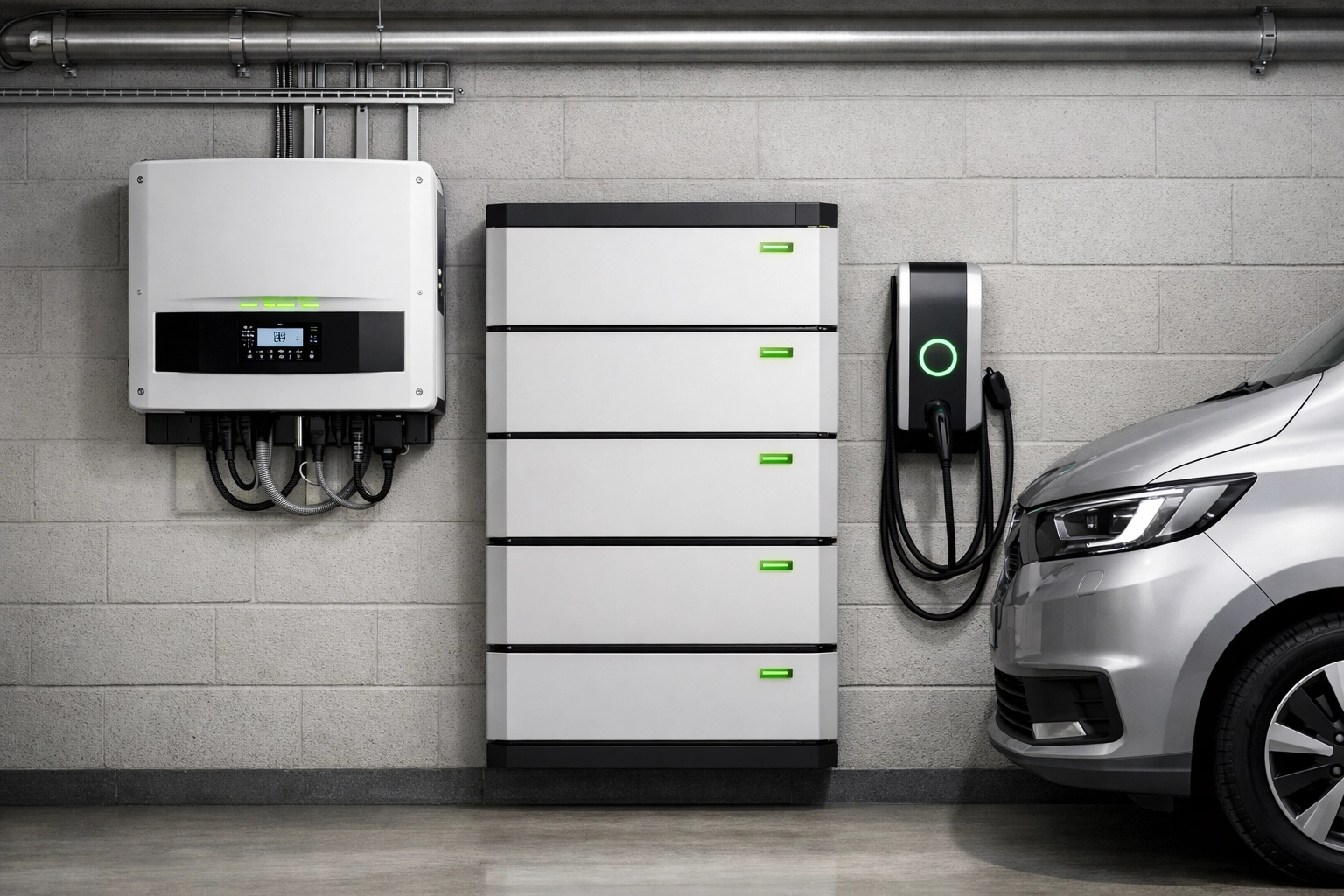
The inverter is the "brains" of your system. It converts the DC power from your panels into the AC power your business uses. A common mistake is using an inverter that isn't compatible with future upgrades, like EV charging or battery storage.
The "Inverter Clipping" Problem
If your inverter is undersized relative to your panel array, you’ll experience "clipping." This is when your panels are producing more power than the inverter can handle, and that extra energy is simply lost. While a small amount of clipping is actually efficient for cost-balancing, too much of it eats into your ROI.
How to Fix It:
Think about your 5-year plan. Are you planning to install EV chargers for your fleet? You might want to look at hybrid inverters or scalable systems. For example, the GoodWe ESA system is a fantastic all-in-one solution that grows with you. If you’re considering high-end storage, comparing the Tesla Powerwall 3 vs GivEnergy All-In-One is a great place to start, even for smaller commercial premises.
5. Neglecting Maintenance and Aftercare
Many business owners treat solar like a "set and forget" appliance. While solar is low-maintenance, it is not no-maintenance.
The Cost of Neglect
Dust, bird droppings, and environmental debris can slowly degrade your performance. More importantly, electrical components need periodic checks to ensure they are operating safely. A system that isn't monitored might have a failed string for months before you notice your energy bill creeping back up.
How to Fix It:
Ensure you have a monitoring app on your phone or office computer. If you see a dip in production that doesn't match the weather, call your installer. We highly recommend reading our ultimate guide to solar aftercare to understand how to keep your system at peak performance for its 25-year lifespan.
6. Failing to Verify Accreditations (MCS and NAPIT)
In the rush to find the cheapest quote, some businesses overlook the importance of certifications. This is a massive risk.
Why Certifications Protect You
If your system isn't installed by an MCS-certified professional, you may find it impossible to:
- Access Smart Export Guarantee (SEG) payments.
- Insure your commercial property properly.
- Claim on equipment warranties if things go wrong.
How to Fix It:
Don't just take an installer's word for it. Check their credentials. Working with a company that values MCS and NAPIT certifications isn't just about red tape; it's about ensuring your 25-year warranty is actually worth the paper it’s printed on.
7. Miscalculating the Real ROI
Is a 5-year payback realistic? Or should you be looking at an 8-year horizon? Many businesses make the mistake of using "ideal world" figures that don't account for maintenance, insurance, or the gradual degradation of panel efficiency (usually about 0.5% per year).
What Real ROI Looks Like
For a business in Bournemouth or Poole, a well-designed system typically sees a payback period of between 5 and 8 years. Considering the panels are warranted for 25 years, that leaves you with 17+ years of essentially "free" electricity.
How to Fix It:
Request a detailed financial breakdown that includes:
- Expected annual degradation.
- Projected energy price inflation (usually 3-5% conservatively).
- Operation and maintenance (O&M) costs.
- Tax benefits (like the Super Deduction or similar capital allowances).
For a deeper dive into the numbers, read our Business Owners Guide to Solar ROI in Poole and Bournemouth.
Making the Move Toward Energy Independence
We understand that making these decisions can feel like a lot. You’re trying to run a business, not become an electrical engineer overnight: and that’s okay. The goal isn't to be perfect; it's to be informed.
By avoiding these seven mistakes, you’re already ahead of 90% of other businesses. You’re moving toward a future where your overheads are lower, your carbon footprint is smaller, and your energy security is guaranteed.
If you’re ready to see what a correctly designed system looks like for your specific building, we’re here to help. Whether you're in Dorset, Hampshire, or the surrounding areas, we can provide a transparent, no-nonsense assessment of your solar potential.
Contact us today to discuss your needs and let’s build a system that actually delivers on its promises.