


It’s 2026, and the UK energy landscape has shifted. While solar energy is no longer a "new" technology, the rush to achieve energy independence has created a bit of a "Wild West" in the installation market. At DES Renewable Energy Ltd, we’ve seen it all: from perfectly engineered systems that will last 30 years to "cowboy" jobs that are, quite frankly, a fire hazard waiting to happen.
Choosing a solar installer is one of the most significant investments you’ll make for your home. It’s not just about slapping some black rectangles on your roof; it’s about high-voltage electrical engineering, structural integrity, and long-term financial yield.
If you’re currently looking for solar panels in Hampshire or Dorset, you need to be aware of the pitfalls. Here are the seven most common mistakes homeowners make and, more importantly, how you can spot a professional specialist from a "cowboy" looking for a quick win.
1. Prioritising the Lowest Quote Over Long-Term Value
We get it: everyone loves a bargain. But in the renewable energy sector, the "cheapest" quote is almost always the most expensive in the long run. When an installer offers a price that is 20–30% lower than the market average, they aren’t just "being efficient." They are cutting corners.
The "Cowboy" Approach:
They use "B-grade" panels or unbranded inverters with high failure rates. They might skip the high-quality mounting systems needed to withstand UK coastal winds in places like Bournemouth or Poole, or they might hire "subbies" (subcontractors) who are paid by the panel, leading to rushed, messy wiring.
The Specialist Approach:
A reputable installer provides a detailed breakdown of costs. They’ll explain why they use Tier-1 equipment like SolarEdge or Tesla. Remember, a solar system is a 25-year asset. If you save £1,000 today but the system fails in year five and the installer has vanished, your ROI (Return on Investment) vanishes with them.
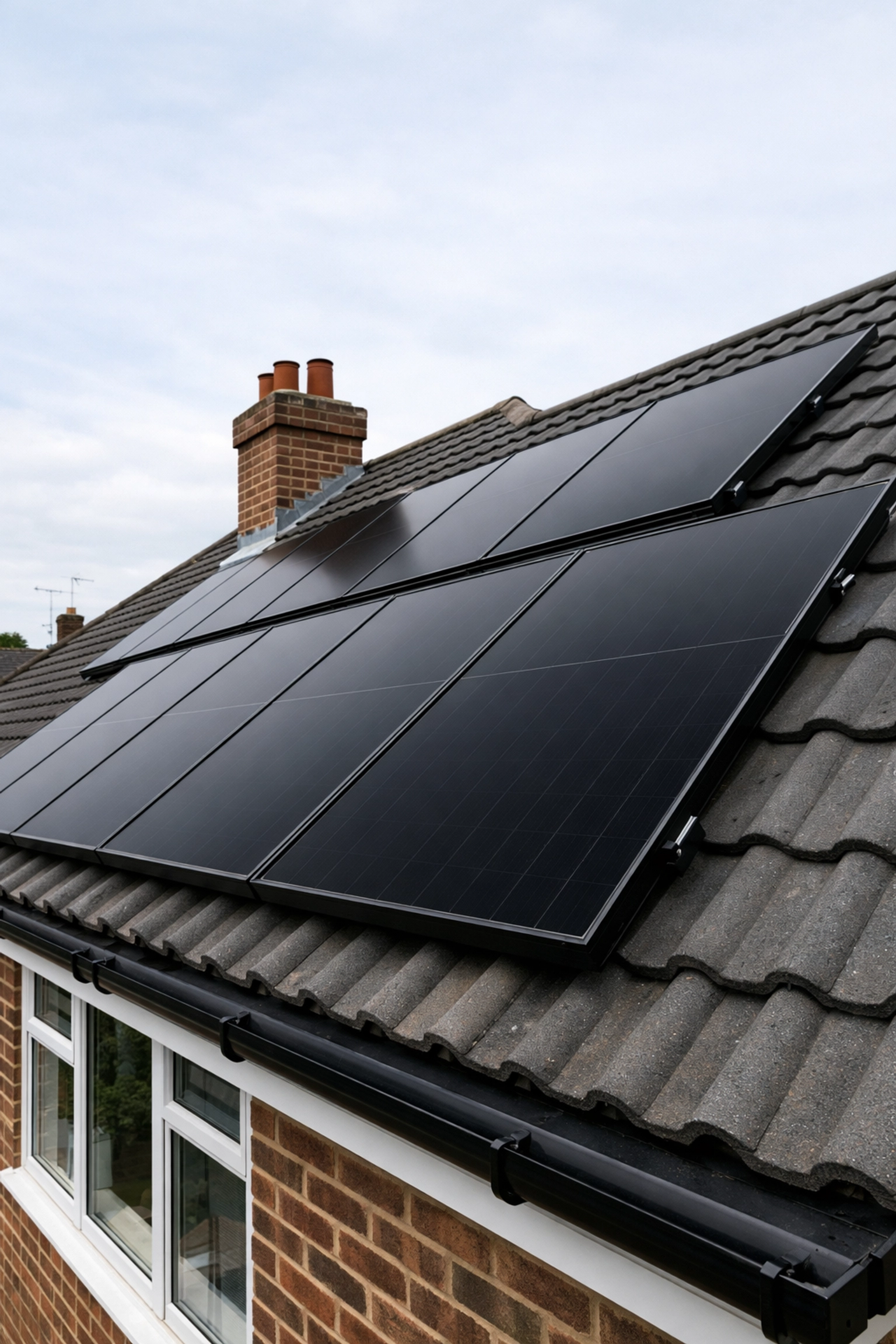
2. Ignoring MCS and NAPIT Certifications
This is the biggest "red flag" in the industry. In the UK, certifications aren't just badges of honour: they are legal and financial requirements.
If your installer isn't MCS (Microgeneration Certification Scheme) accredited, you cannot claim the Smart Export Guarantee (SEG). This means you won’t get paid for the excess energy you send back to the grid. Furthermore, many mortgage lenders and home insurance providers now require MCS certification for solar installations.
How to spot a cowboy:
If they tell you "MCS doesn't matter anymore" or "we use our partner's certificate," walk away. You need to ensure the company doing the work is the one holding the accreditation. We’ve written a deep dive on why your solar warranty depends on MCS and NAPIT certifications that every homeowner should read before signing a contract.
3. Accepting a "Desktop-Only" Survey
In the age of Google Earth, many companies try to quote your entire system without ever stepping foot on your property. While remote technology is great for initial estimates, it is not a substitute for a physical site survey.
What they miss from a desk:
- Roof Integrity: Can your rafters actually support the weight of 12–16 panels?
- Micro-shading: That chimney stack or distant oak tree might not look like much on a satellite image, but it can significantly drop your system's output.
- Electrical Compatibility: Will your existing consumer unit (fuse box) handle the new load, or does it need an upgrade?
The Specialist Check:
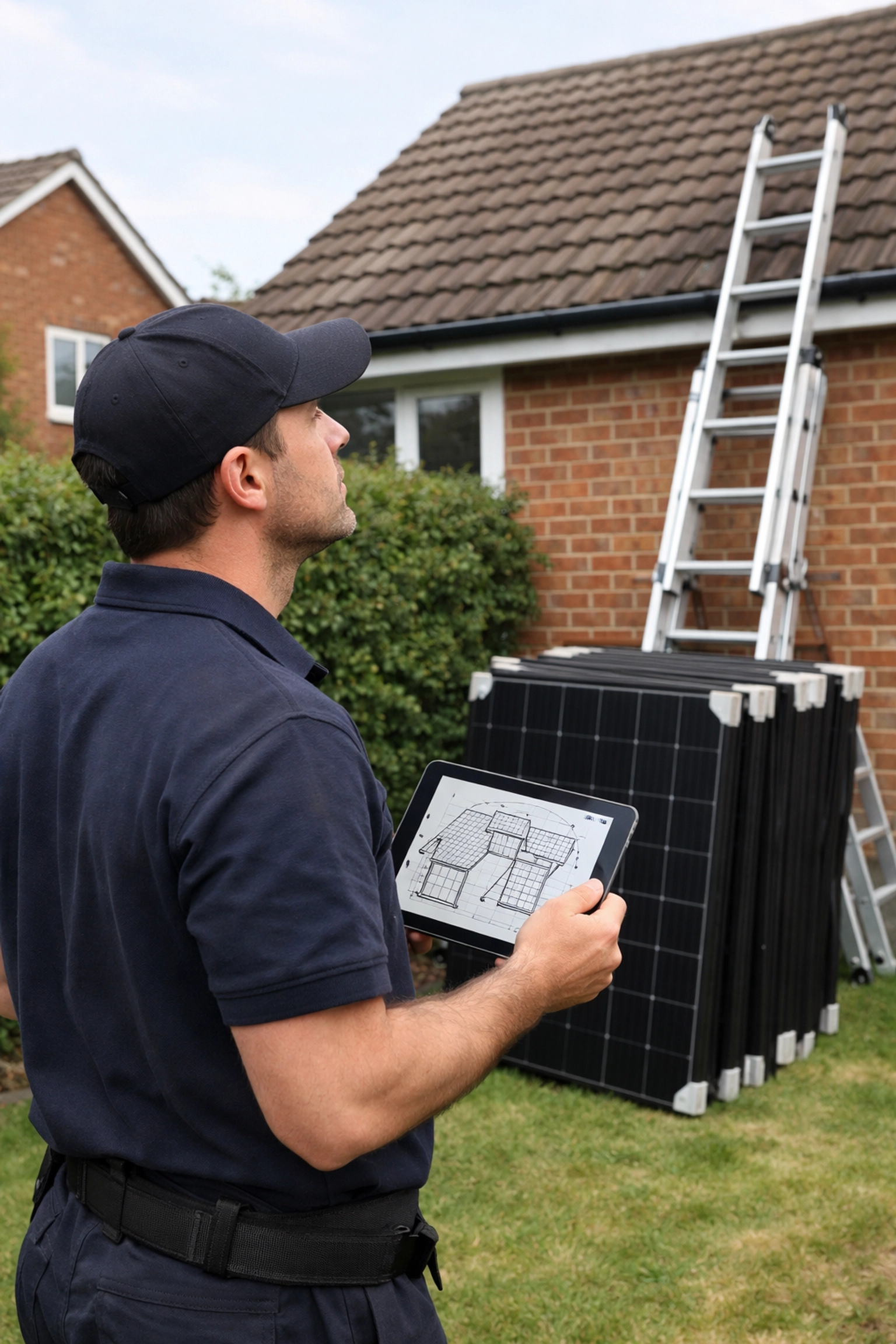
A specialist will visit your home, look in your loft, check your meter cupboard, and perform a shading analysis. Without this, you’ll likely face "unforeseen" extra costs on the day of installation.
4. Falling for "One-Size-Fits-All" Equipment
Not all solar panels are created equal, and the same goes for batteries. A common mistake is accepting a generic "5kW system" without knowing exactly what brands are being installed.
In 2026, the market is dominated by high-performance tech. If you’re looking at battery storage, you should be weighing up the Tesla Powerwall 3 vs GivEnergy All-in-One. A cowboy will push whatever stock they have sitting in their warehouse. A specialist will ask you how you use your energy: do you have an EV? Do you work from home?: and then specify the kit that fits your lifestyle.
| Feature | Cowboy Installer | Renewable Energy Specialist (DES) |
|---|---|---|
| Equipment | "Unbranded" or low-tier components | Tier-1 (Tesla, SolarEdge, GivEnergy) |
| Warranty | Vague "product warranties" | 25-year performance & workmanship guarantees |
| Monitoring | Basic or none | Full AI-driven app integration |
| Design | Based on "average" homes | Bespoke LiDAR-based shading analysis |
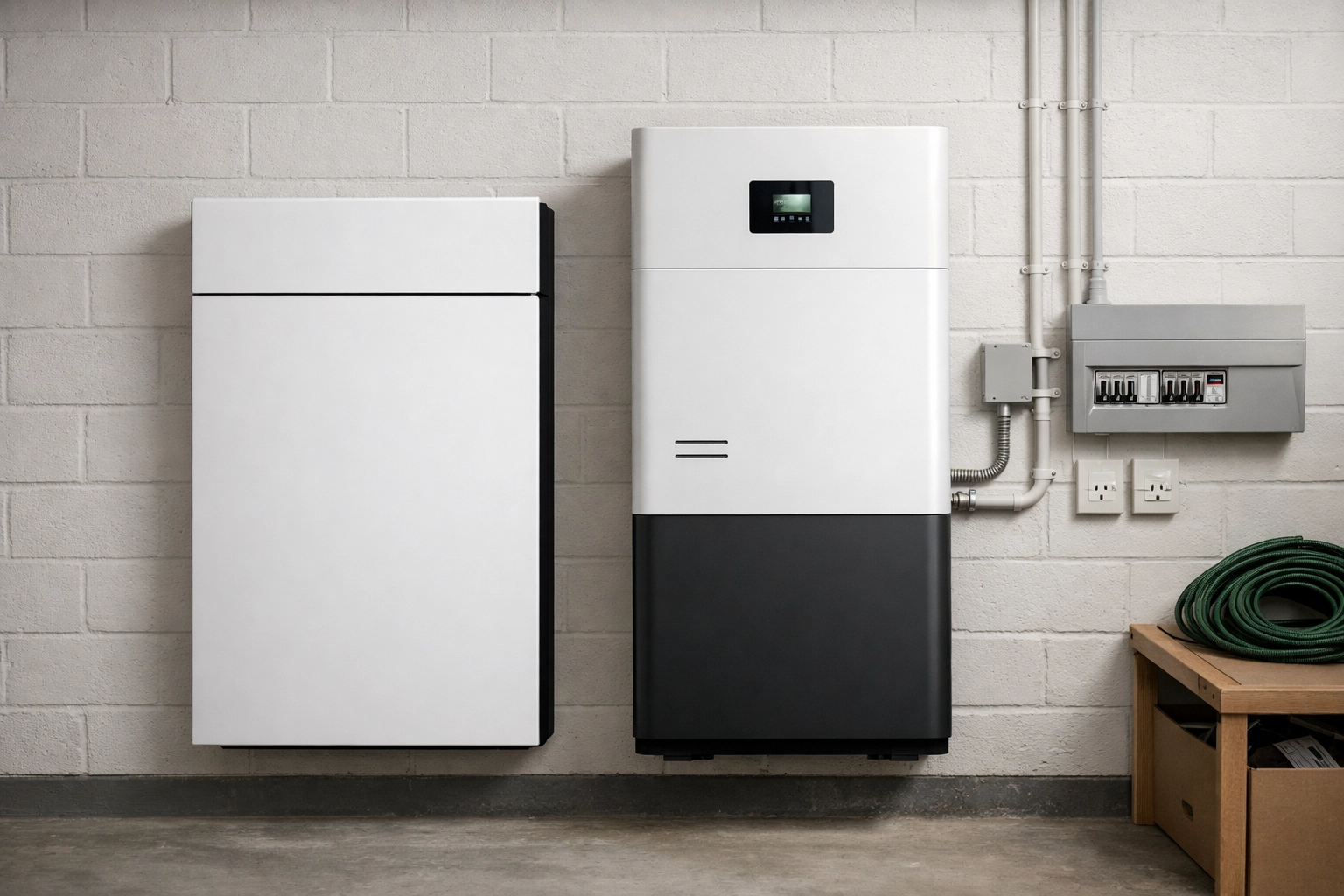
5. Overlooking Aftercare and Support
The relationship shouldn't end when the scaffolding comes down. Solar systems are incredibly reliable, but they aren't "fit and forget." They require monitoring to ensure they are hitting their predicted yields.
Many "solar cowboys" are sales-led organisations. They have a massive marketing budget to find you, but zero technical staff to help you if an optimiser goes offline three years later. We often tell our clients in Dorset that solar aftercare is the secret to 25+ years of performance.
The "Ghost" Installer:
If the company has only been trading for 12 months, how can they honour a 10-year workmanship warranty? Check their history on Companies House. Look for local roots. A company based in Bournemouth, like DES, has a reputation to uphold in the community.
6. Not Understanding the "Future-Proof" Home
A major mistake homeowners make is only thinking about today’s energy bills. A professional installer will talk to you about the next 10 years.
- EV Charging: Is the inverter ready to integrate with a Zappi or Tesla Wall Connector?
- Heat Pumps: If you ditch gas in 2028, will your solar array be large enough to help run your heating?
- Battery Scalability: Can you add more storage later? Technologies like the scalable Goodwe ESA are changing the game here, allowing homeowners to grow their system as their family grows.
If your installer isn't asking about your future plans, they aren't a specialist: they're just a panel fitter.

7. Being Pressured by "Today-Only" Offers
"If you sign now, I can give you the 'Government Rebate' price."
Stop.
There is no "secret" government rebate that expires at midnight. While there are legitimate VAT savings (0% VAT on solar installations currently applies in the UK), these are standard across the industry. High-pressure sales tactics are the hallmark of the cowboy.
A professional renewable energy partner will provide you with a detailed proposal and give you the space to make an informed decision. They should be able to show you the ROI for businesses or homes with clear, transparent math: not emotive "limited time" fluff.
How to Spot a "Cowboy" in 60 Seconds: A Quick Checklist
If you see these signs, proceed with extreme caution:
- No physical address: Their "office" is a PO box or a virtual suite.
- No MCS/NAPIT logos on their website: Or they can’t provide a registration number when asked.
- Deposit heavy: They ask for 50% or more upfront before any materials are ordered. (Standard deposits are typically 25% or protected by an insurance-backed scheme).
- Vague brand names: They talk about "German-engineered" panels but won't give you a specific model or data sheet.
- Negative (or zero) reviews: Look for independent reviews on Google or Trustpilot, specifically looking for how they handle problems.
Choosing the Right Partner
At DES Renewable Energy Ltd, we pride ourselves on being specialists, not just installers. We’ve built our reputation across Dorset and Hampshire by treating every roof as if it were our own. Whether you're interested in the Tesla Powerwall 3 or a simple 4kW array for your home in Poole, we focus on technical excellence and genuine aftercare.
Don't let your solar dream become a maintenance nightmare. If you want a system that's designed for the long haul, built with Tier-1 equipment, and backed by experts who actually live in your area, we’re here to help.
Ready to do solar the right way?
Contact our team today for a no-pressure, expert site survey.