


The solar revolution has officially arrived in Dorchester. Walking through the historic streets of our town, or driving out towards Poundbury and the surrounding Dorset countryside, you’ve likely noticed more sleek black panels gracing the rooftops of your neighbours' homes than ever before.
In 2026, renewable energy isn't just a "green" choice; it’s a vital financial strategy to protect your household from volatile energy prices. However, with this boom comes a significant risk. The market is currently flooded with "Solar Cowboys": outfits that promise the world at bargain-basement prices but vanish the moment a fault occurs.
Choosing the right partner is the difference between a system that pays for itself in six years and one that becomes a £10,000 ornament on your roof. At DES Renewable Energy Ltd, we believe in transparency. This guide will show you how to separate the specialists from the cowboys and ensure your investment is protected for the next 25 years.
What Exactly is a ‘Solar Cowboy’?
In the trade, we use the term "cowboy" to describe installers who prioritise volume over value. They often appear during periods of high demand, offering prices that seem too good to be true.
Typically, a solar cowboy will:
- Use Sub-par Components: They might install unbranded panels or low-quality inverters that are prone to failure within 3–5 years.
- Cut Corners on Safety: Recent industry investigations have highlighted dangerous installations with exposed DC cables and incorrect roof fixings.
- Ignore Certifications: They may claim to be "working towards" certifications or use another company’s MCS number to sign off work.
- Provide Limited Warranties: While a specialist offers long-term security, cowboys often offer a basic 10-year warranty that only covers minor roof penetrations, leaving you stranded if the actual technology fails.
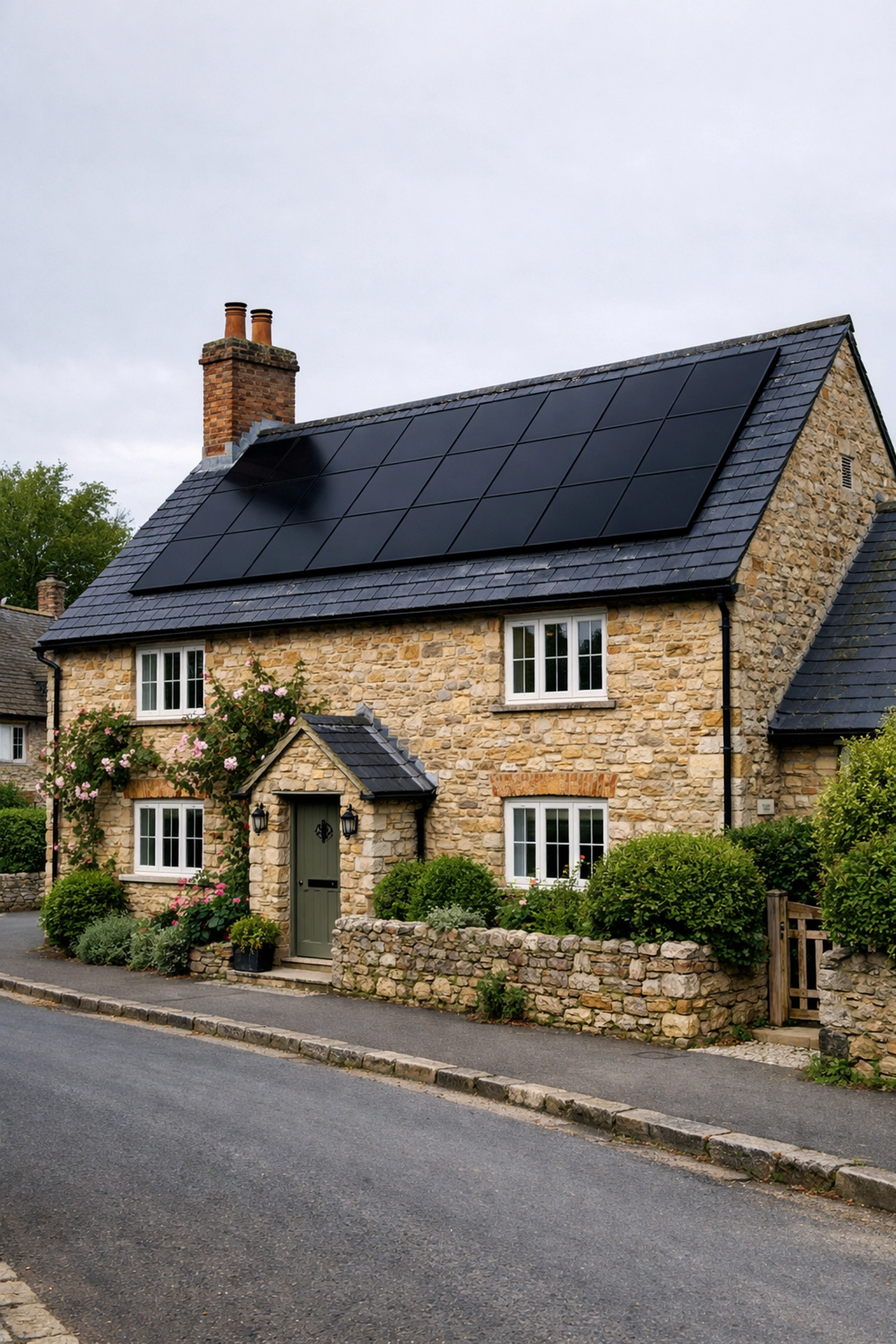
The Specialist Difference: Trust, Quality, and Tech
A specialist renewable energy partner, like DES Renewable Energy, views your home as a long-term project. We aren't just fitting panels; we are designing a bespoke power plant for your property.
When you work with a specialist, you are paying for technical expertise. This includes understanding the nuances of string inverters versus micro-inverters, calculating the exact orientation of your roof to maximise kWh (kilowatt-hour) production, and ensuring your battery storage is sized correctly for your evening usage.
For a deeper look at the common pitfalls, you can read our guide on 7 mistakes you’re making when choosing a solar installer and how to spot the cowboys.
Certifications: The Non-Negotiables (MCS & NAPIT)
If an installer cannot provide their own valid MCS and NAPIT credentials, the conversation should end there. These aren't just "nice-to-have" badges; they are the bedrock of your system's legality and financial viability.
MCS (Microgeneration Certification Scheme)
The MCS mark is a sign of quality. It demonstrates that the installer adheres to strict industry standards. More importantly, without an MCS certificate, you cannot access the Smart Export Guarantee (SEG). This is the mechanism that allows you to sell your excess solar energy back to the grid. Without it, you are essentially giving away free electricity to your energy provider.
NAPIT
Solar energy involves high-voltage electrical work. NAPIT (National Association of Professional Inspectors and Testers) ensures that the electrical components of your installation meet UK Building Regulations.
You can learn more about why these matter in our article on why your solar warranty depends on MCS and NAPIT certifications.
Why We Only Install Tier-1 Equipment
A cowboy will sell you on price; a specialist will sell you on "Tier-1" quality. In 2026, the gap between budget equipment and premium technology is wider than ever.
We specialise in high-performance hardware because we know it lasts. Brands like Tesla, SolarEdge, and GivEnergy are the gold standard for a reason. They offer superior "efficiency" (how much sunlight is converted into usable power) and "depth of discharge" (how much of your battery’s power you can actually use).
Comparison: Leading Battery Solutions in 2026
| Feature | Tesla Powerwall 3 | GivEnergy All-in-One |
|---|---|---|
| Usable Capacity | 13.5 kWh | 13.5 kWh |
| Peak Power | 11.5 kW | 6.0 kW |
| Warranty | 10 Years | 10 – 12 Years |
| Best For | High-demand homes/EV charging | Reliable, British-engineered value |
Deciding between these can be tough. We’ve written a comprehensive comparison on Tesla Powerwall 3 vs GivEnergy All-in-One to help Dorchester homeowners decide which fits their specific lifestyle.
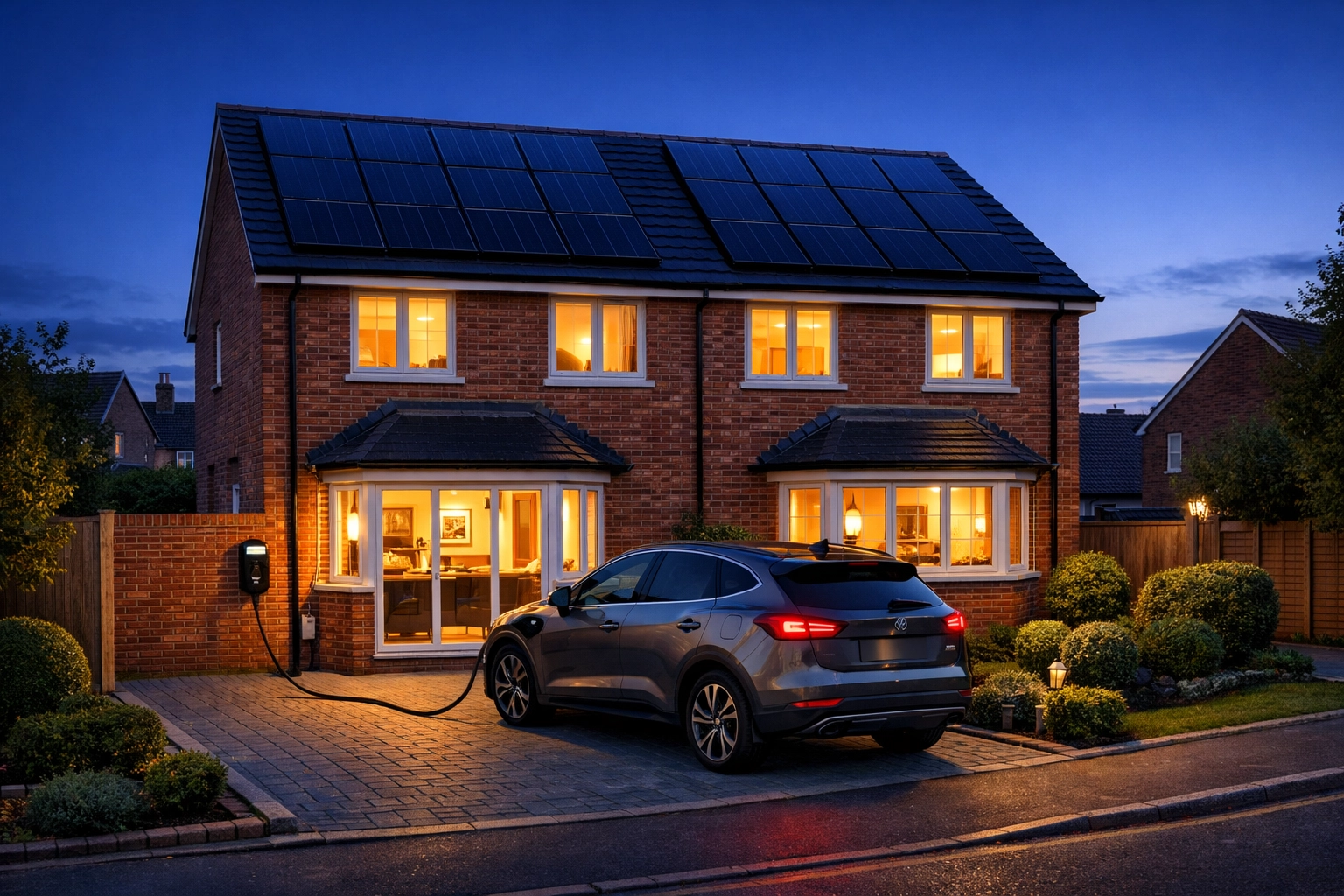
The Hidden Value of Solar Aftercare
The biggest trick a solar cowboy pulls is the "disappearing act." Solar systems are designed to last 25 to 30 years. What happens in year seven if your inverter stops communicating with your app? Or in year twelve if a bird nests under your panels and damages the wiring?
A specialist provides a dedicated aftercare service. This includes remote monitoring (where we can often see a fault before you do) and regular maintenance checks. At DES Renewable Energy, we don't just walk away once the panels are on the roof. We are invested in the lifetime performance of your system.
Explore the ultimate guide to solar aftercare to understand how to keep your system at peak performance for decades.
7 Red Flags: How to Spot a Solar Cowboy in Dorset
- High-Pressure Sales: They tell you the "government grant" expires at midnight or the "special price" is only for today.
- Lack of Site Survey: They give you a quote over the phone without looking at your roof, your consumer unit (fuse box), or your current energy bills.
- Vague Warranties: They promise a "25-year warranty" but can’t explain if that's the manufacturer's performance warranty or their own workmanship warranty.
- No References: They can’t show you local Dorchester or Dorset-based case studies or reviews.
- Exaggerated Savings: They claim you will "never pay another energy bill again." (While possible with a large system and battery like the GoodWe ESA, it requires careful planning, not just luck).
- Cash-Only or Upfront-Only Payments: They demand 100% of the payment before any equipment arrives at your home.
- Unbranded Hardware: They offer "high-efficiency panels" but won't give you a specific data sheet for the brand and model.
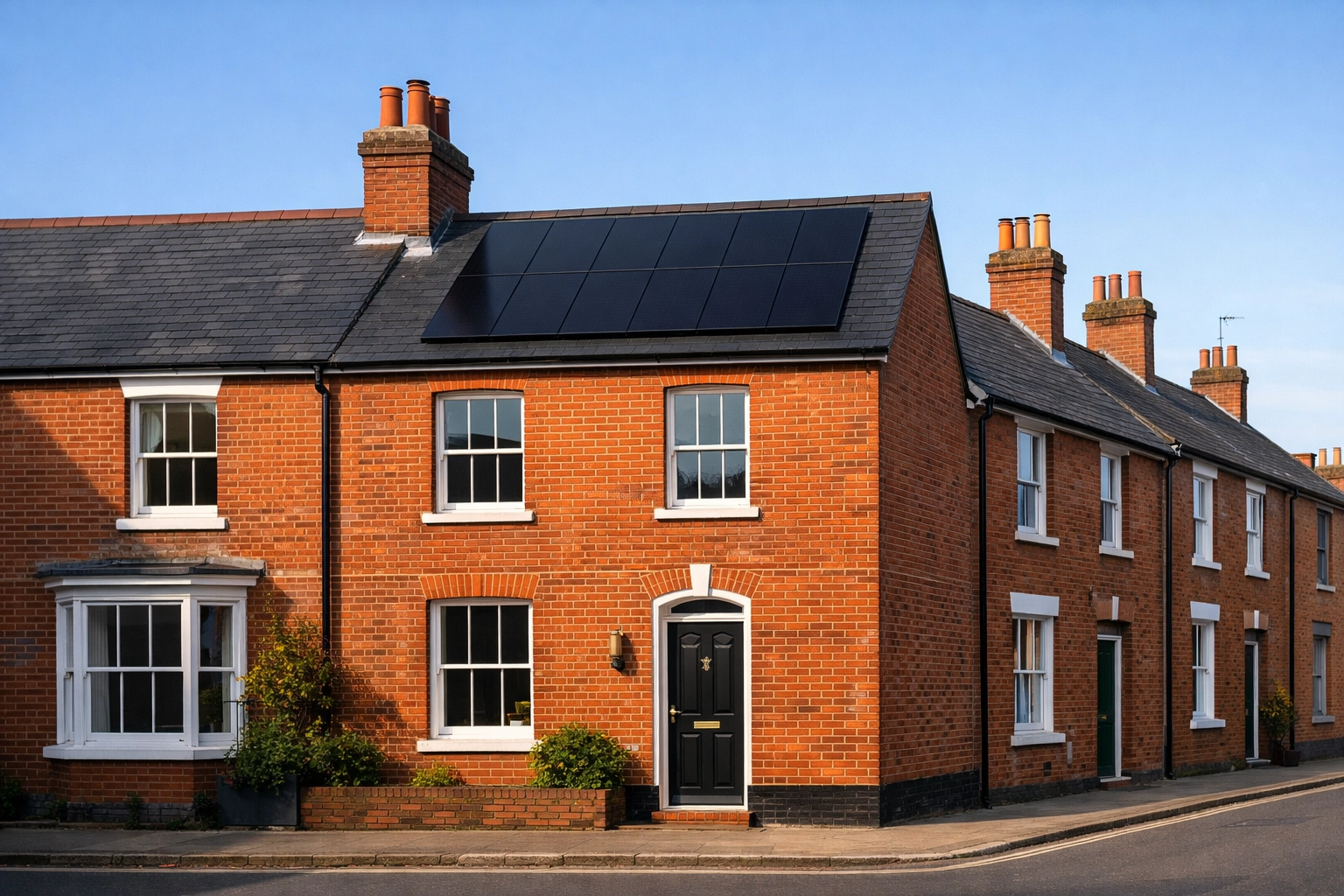
How to Choose the Right Partner in Dorchester
When you are ready to make the switch, follow these steps to ensure you’re working with a specialist:
- Ask for Credentials: Request their MCS and NAPIT registration numbers and verify them on the official directories.
- Check Local Knowledge: A local Dorchester specialist will understand the specific challenges of our area, including planning permissions for listed buildings or conservation areas.
- Demand a Technical Survey: Ensure a qualified technician (not just a salesperson) visits your home to assess your electrical system.
- Compare Value, Not Price: Look at the "levelised cost of energy." A system that costs £1,000 more today but generates 15% more power over its life is the cheaper system in the long run.
For those looking at the broader Hampshire and Dorset region, we’ve put together a comprehensive guide on choosing the best renewable energy installers.
Final Thoughts: The Long Haul
Investing in solar is one of the smartest moves you can make for your home in 2026. However, the technology is only as good as the hands that install it. By avoiding the "Solar Cowboys" and choosing a certified specialist, you ensure that your home is future-proofed, your warranties are valid, and your energy independence is guaranteed.
If you are a Dorchester resident ready to explore what a high-spec, professionally installed solar system could look like for your home, our team is here to help. We specialise in Tier-1 installations that stand the test of time.
Contact DES Renewable Energy today for a no-pressure, technical consultation and let’s start your journey toward true energy independence.