


When you decide to install a solar PV system on your home, you aren't just buying some glass and wires for your roof. You’re making a 25-year commitment to energy independence. It is one of the smartest financial moves a UK homeowner can make in 2026, especially as energy prices remain unpredictable.
However, there is a common misconception that once the panels are up, the job is done. At DES Renewable Energy, I often tell our clients that while solar is incredibly low-maintenance compared to a petrol car or a gas boiler, it isn't "zero-maintenance." If you want your system to be huming along at peak efficiency in the mid-2040s, you need to think about aftercare today.
I’m Jason Brown, Director at DES, and in this guide, I’m going to walk you through exactly what it takes to protect your investment, maximize your ROI, and ensure your "future-proofed" home actually stays that way.
The Myth of the "Install and Forget" System
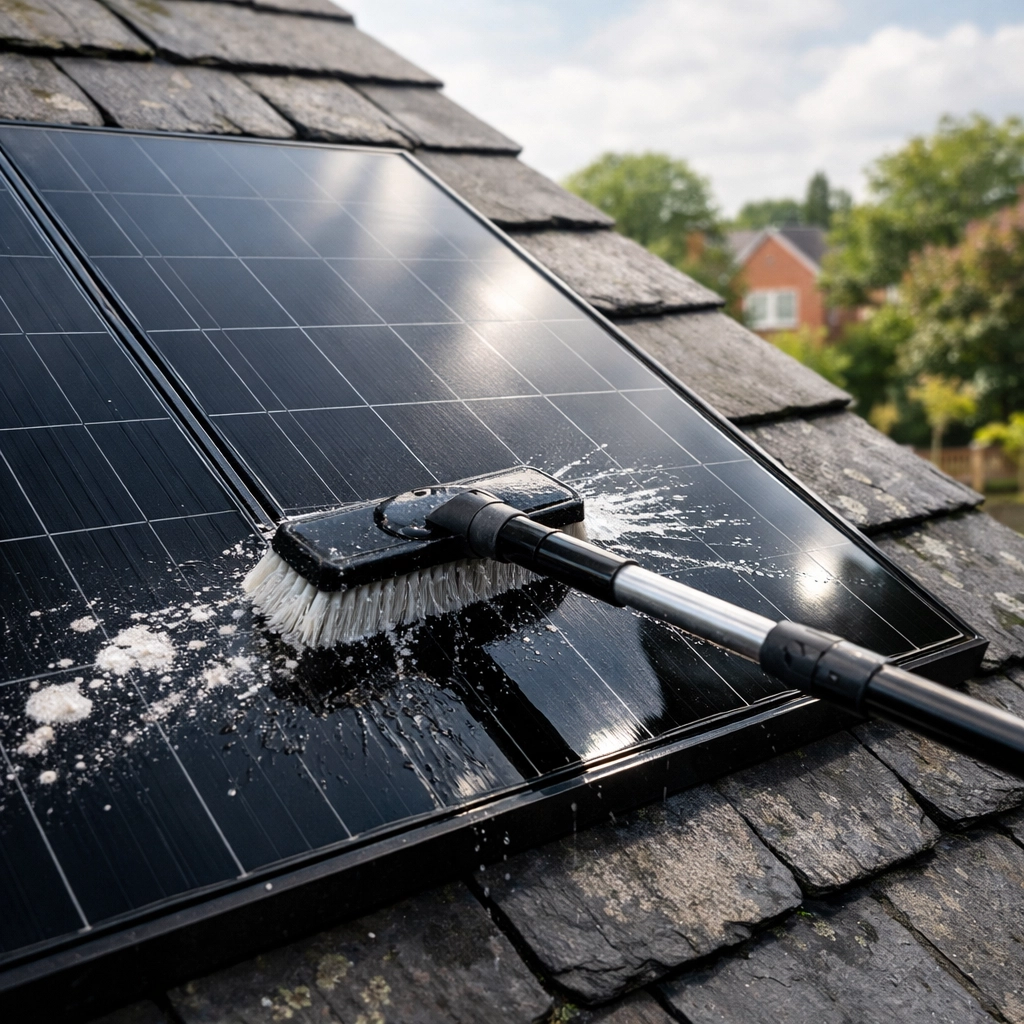
Many "solar cowboys" will tell you that solar panels are self-cleaning and maintenance-free. While the UK’s frequent rain does help wash away some surface dust, it isn’t a miracle cure. Over time, a film of grime, bird droppings, and atmospheric pollution builds up.
Think of it like your car’s windscreen. Even if it rains, you still need to use the wipers and occasionally a proper wash to see clearly. For a solar panel, "seeing clearly" means absorbing every possible photon of light. Even a thin layer of residue can drop your efficiency by 5% to 10%. Over 25 years, that represents thousands of pounds in lost energy savings.
Why Aftercare is a Financial Strategy, Not a Chore
When we design a system for a client in Dorset or Hampshire, we calculate the Return on Investment (ROI) based on the equipment performing at its rated capacity. If that performance slips because the system is neglected, your "payback period" starts to stretch out.
Effective aftercare ensures:
- Maximum Yield: You get every kilowatt-hour (kWh) you paid for.
- Warranty Protection: Many manufacturers, including Tier-1 brands like Tesla and SolarEdge, require evidence of proper maintenance to honour long-term warranties.
- System Longevity: Identifying a small electrical fault during a routine check prevents it from becoming a costly repair or a total system failure five years down the line.
For a deeper dive into how maintenance fits into the bigger picture, check out the ultimate guide to solar aftercare.
The Homeowner’s Checklist: What You Should Be Doing
You don’t need to be an electrical engineer to look after your system. Most of the essential aftercare involves simple observation and basic cleaning.
1. Monitor Your Data Monthly
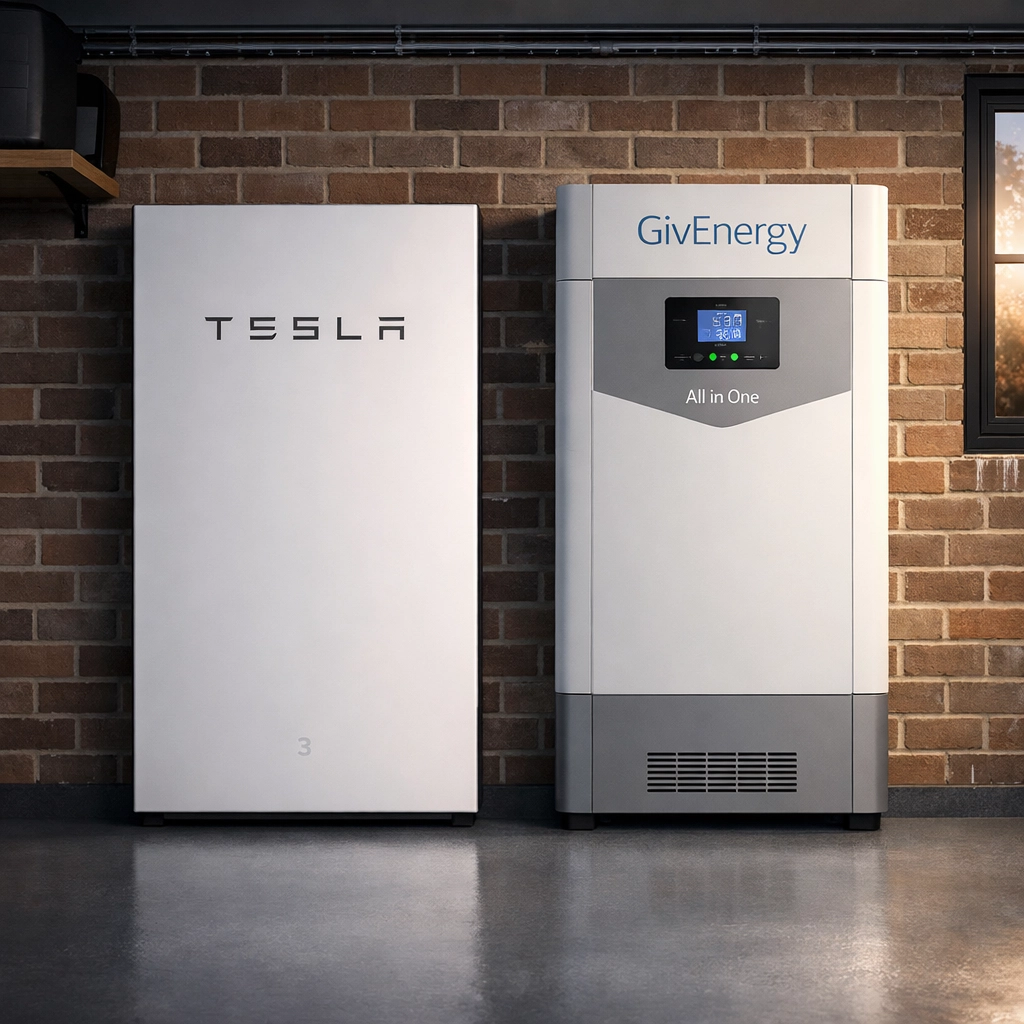
In 2026, we have access to incredible monitoring tools. Whether you’ve chosen a Tesla Powerwall 3 or a GivEnergy system, you’ll have an app on your phone that shows your real-time production.
Get into the habit of checking this once a month. Are you producing roughly what you expected for the time of year? If your neighbour’s identical system is outperforming yours by 20%, you know there’s an issue that needs investigating.
2. The Visual Inspection (From the Ground!)
Every quarter, take a walk around your garden. Look for:
- Debris: Are there leaves or twigs caught under the panels?
- Shading: Has a nearby tree grown significantly? Even a small amount of shade on one corner of a panel can disproportionately affect the performance of the entire string (unless you’re using SolarEdge optimisers).
- Wildlife: Birds nesting under panels can cause heat build-up and damage wiring.
3. Cleaning the Glass
We recommend a professional clean once or twice a year, but if you’re doing it yourself, follow these rules:
- Timing: Only clean in the early morning or late evening. Cold water on a hot panel can cause the glass to crack due to thermal shock.
- Equipment: Use a soft brush or sponge and plain water. Avoid pressure washers or harsh chemicals that can degrade the anti-reflective coating.
Professional Servicing: What Happens Under the Hood?
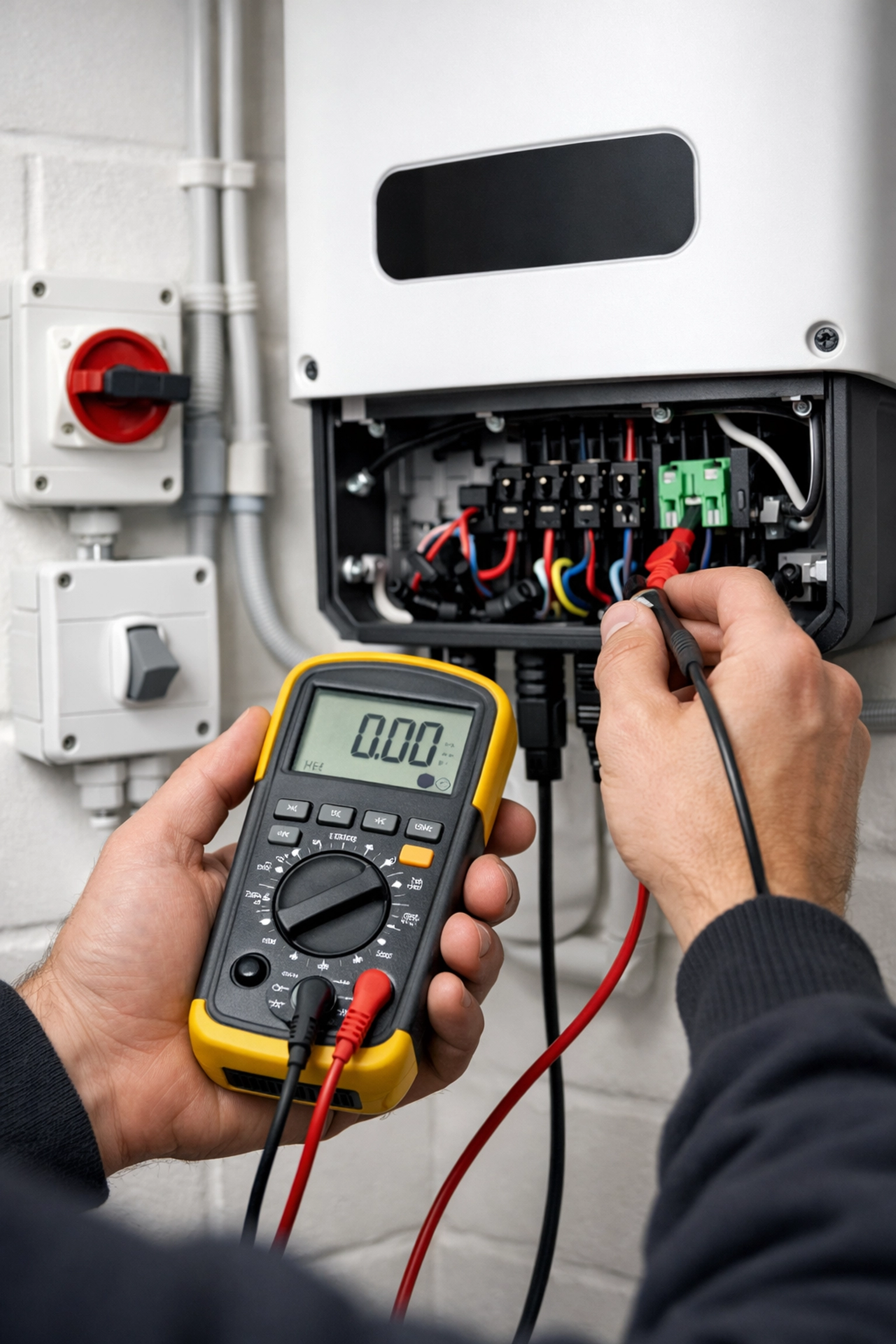
While DIY checks are great, they don’t replace a professional service. At DES, we recommend a full professional inspection every three years.
During these visits, we aren't just looking at the glass. We are checking the "invisible" health of the system:
- DC String Testing: We check for insulation resistance and voltage drops that indicate wiring degradation.
- Inverter Health: We ensure the firmware is updated and the cooling fans (if present) are clear of dust.
- Mounting Integrity: We ensure the UK’s increasingly stormy winters haven't loosened any of the roof fixings.
- Battery Calibration: For systems like the GivEnergy All-in-One, we ensure the battery cells are balanced and performing to spec.
Protecting Your Warranty with Certifications
This is a point I can't stress enough: your 25-year warranty is only as good as the paper it's written on if your installer didn't follow the rules. This is where MCS and NAPIT certifications become vital.
If a fault develops in year 10, the manufacturer will often ask for the original commissioning certificates and evidence that the system was installed by a certified professional. If you used a "cowboy" who bypassed these standards, you might find yourself footing the bill for a replacement part that should have been free.
We've detailed exactly why MCS and NAPIT matter for your warranty in our previous guide. It’s worth a read if you’re currently weighing up different quotes.
Tier-1 Equipment and the "Aftercare Advantage"
Keeping a system running for 25 years is much easier when you start with high-quality components. It’s why we focus on Tier-1 brands like Tesla, SolarEdge, and GivEnergy.
These companies don't just sell hardware; they provide long-term software support. A Tesla Powerwall 3 installed today will receive "over-the-air" updates for the next decade, improving its efficiency and safety features without you having to lift a finger.
If you're debating which system is right for your home, our comparison of the Tesla Powerwall 3 vs GivEnergy All-in-One breaks down the long-term reliability of both.
| Component | Expected Lifespan | Maintenance Level |
|---|---|---|
| Tier-1 Solar Panels | 25-30 Years | Low (Annual Cleaning) |
| Inverters | 12-15 Years | Medium (Professional Check every 3 years) |
| Battery Storage | 10-15 Years | Low (Software Updates) |
| Mounting Racking | 25+ Years | Minimal (Visual Check) |
Spotting Trouble Before It Becomes a Crisis
If you notice any of the following, don't wait for your 3-year service. Call a specialist immediately:
- The "Error" Light: Most inverters have a status LED. If it’s red or flashing an amber code, something is wrong.
- Sudden Drop in Output: If a sunny July day produces less energy than a cloudy March day, you likely have a faulty string or a failed optimiser.
- Physical Damage: After a hail storm or high winds, always do a visual check for cracked glass.
Choosing the right partner from day one makes these moments much less stressful. You want a company that will actually pick up the phone five years from now. We call this the "Specialist vs Cowboy" debate: make sure you're choosing a partner that’s here for the long haul.
Summary: Your 25-Year Roadmap
To keep your solar system at peak performance for its entire lifespan, follow this simple roadmap:
- Year 0: Install Tier-1 equipment with an MCS-certified specialist like DES Renewable Energy.
- Every Month: Check your monitoring app to ensure production matches the weather.
- Every 6 Months: A quick visual check and a gentle clean of the panels if they look dusty.
- Every 3 Years: Book a professional electrical health check and system service.
- Always: Keep records of your maintenance. This builds a "service history" for your home, which can actually add value if you ever decide to sell the property.
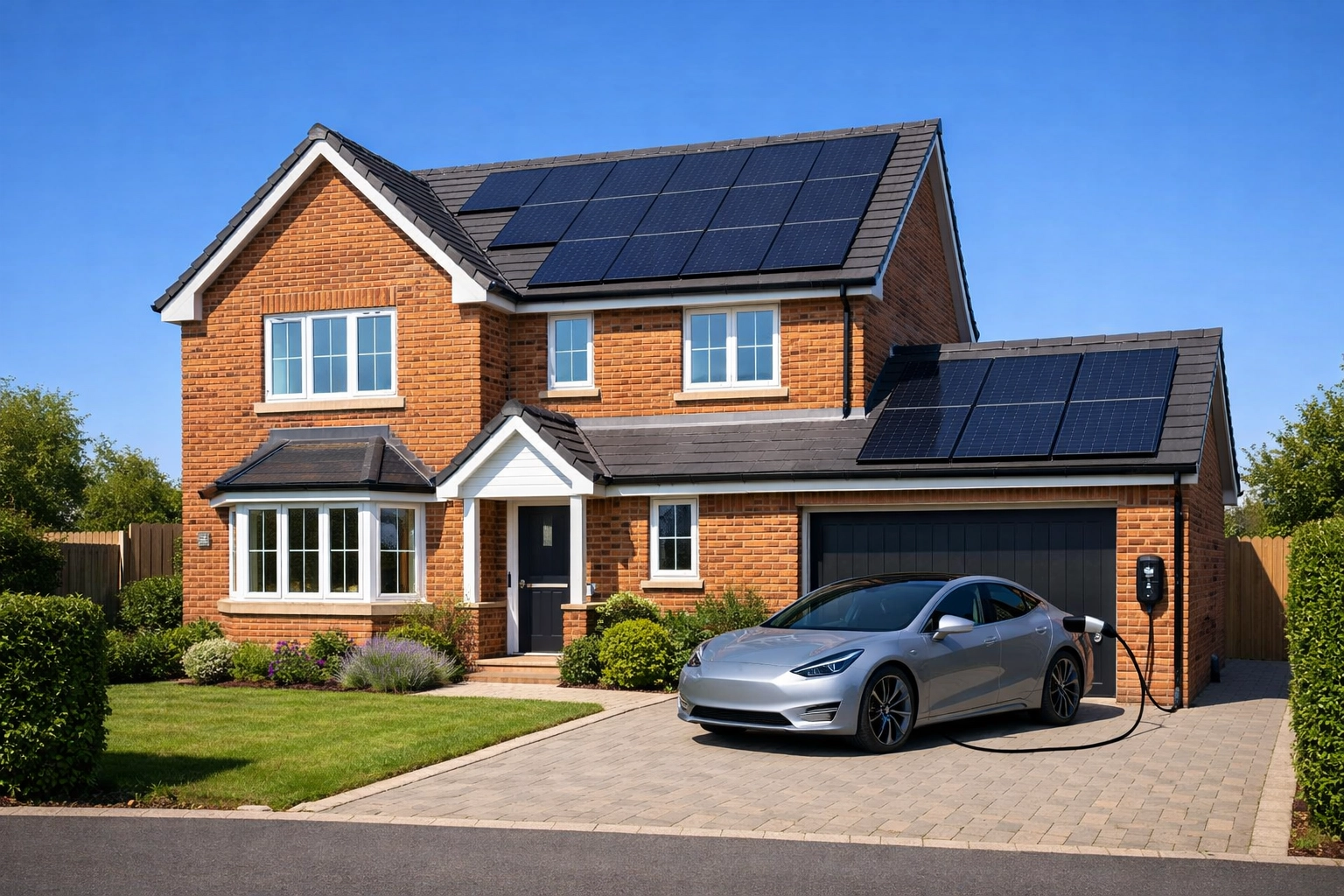
Solar power is an incredible technology, but like anything worth owning, it deserves a little bit of care. By following these steps, you’ll ensure your home remains a powerhouse of clean, cheap energy well into the 2050s.
Ready to ensure your solar investment is protected?
Whether you’re looking for a new installation or need an expert to look over an existing system, the team at DES Renewable Energy Ltd is here to help. We specialise in high-end, reliable solar and battery solutions across Dorset, Hampshire, and the South of England.
Contact our team today for a free site survey or a system health check.