


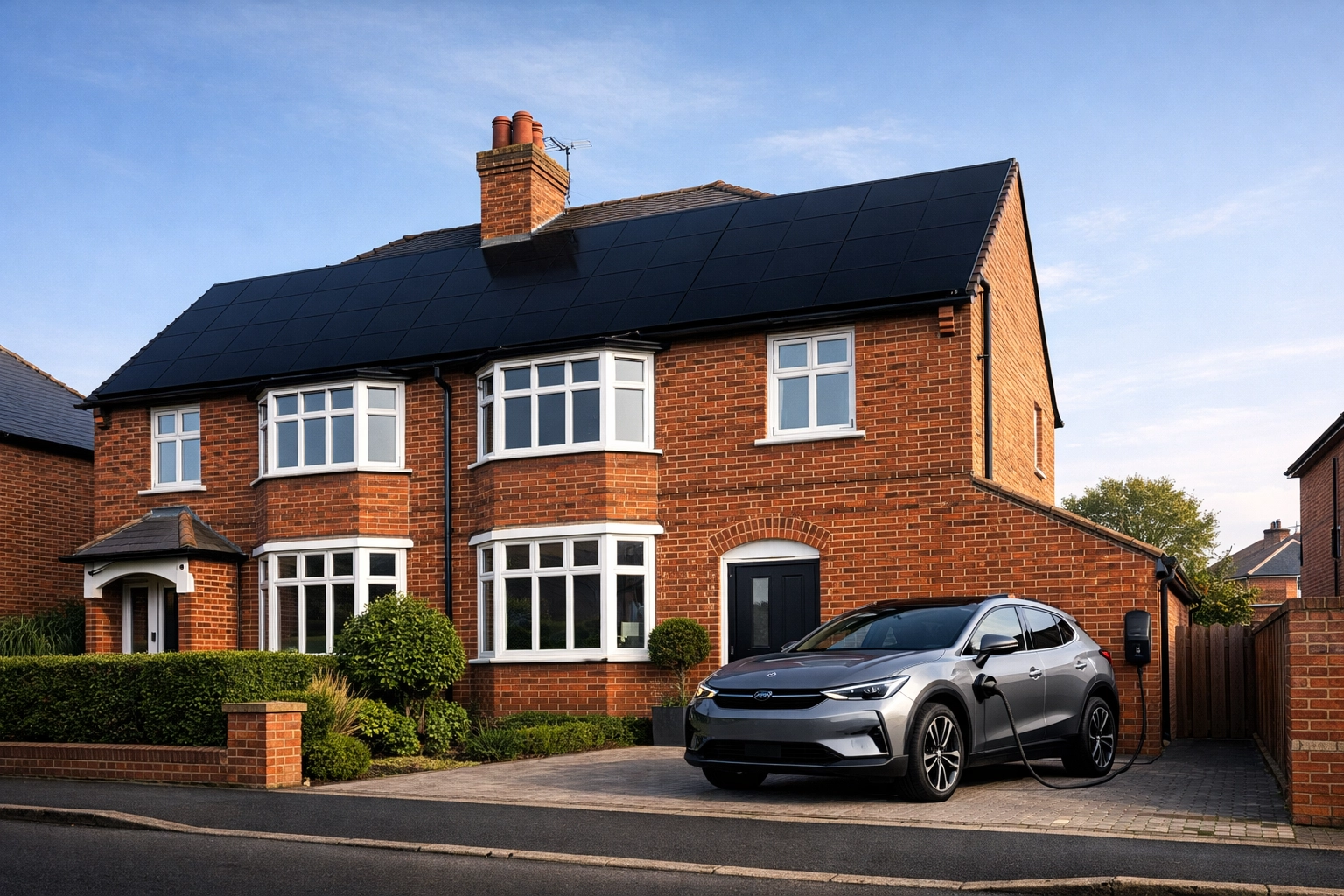
The UK’s transition to renewable energy is in full swing. If you take a walk down almost any residential street in the country, you’ll see the tell-tale blue and black shimmer of solar PV arrays. With energy prices remaining volatile and a collective push toward Net Zero, thousands of homeowners are looking to secure their energy independence.
However, where there is high demand and government incentives, there are inevitably those looking to make a quick profit. In the industry, we call them "Solar Cowboys." These are firms that pop up overnight, offer "too-good-to-be-true" prices, and vanish just as quickly: leaving homeowners with underperforming systems and worthless warranties.
At DES Renewable Energy Ltd, we believe choosing a solar partner shouldn't be a gamble. This guide will help you distinguish between the fly-by-night operators and the specialists who are committed to supporting your energy journey for the next 25 years.
What is a "Solar Cowboy"?
A Solar Cowboy is an installer who prioritizes sales volume over technical integrity. They often treat solar installations as a simple "bolt-on" product rather than a complex electrical engineering project.
Typically, these companies lack deep roots in the electrical industry. They might have been double-glazing or conservatory salespeople six months ago, pivot to solar while the market is "hot," and then exit the industry when the first wave of maintenance calls starts coming in.
Red Flags to Watch For:
- High-Pressure Sales: If they insist you "sign today" to get a special discount, walk away.
- Vague Quotes: A specialist provides a detailed breakdown of components. A cowboy gives you a single "all-in" price with little technical detail.
- Unrealistic Savings: Promises that you will "never pay an energy bill again" are usually dishonest. Solar can drastically reduce bills, but complete independence depends on your usage and storage capacity.
- Lack of Physical Presence: If they only have a mobile number and no verifiable office or warehouse, it’s a sign they aren't invested in the long haul.
The Specialist Difference: Why Roots Matter
When you choose a specialist like DES Renewable Energy Ltd, you aren't just buying hardware; you are investing in an ongoing relationship. A specialist is someone with a background in electrical contracting and a proven track record of at least three to five years in the renewable sector.
Why does this matter? Because a solar system is an integrated part of your home’s high-voltage electrical system. It isn't just about putting panels on a roof; it’s about ensuring your consumer unit can handle the load, your earthing is up to standard, and your battery storage is integrated safely.
The 6-12 Month Usage Analysis
A cowboy will look at your roof and give you a price. A specialist will look at your data. We typically ask to see 6 to 12 months of your electricity bills to understand your "base load" (the electricity you use constantly) and your "peak load." This allows us to design a system that actually fits your lifestyle, ensuring you don't over-invest in panels you don't need or under-invest in a battery that drains by 7:00 PM.
Certifications: Your Safety Net
In the UK, certain certifications are non-negotiable. If an installer cannot provide proof of these, they are not a specialist: they are a risk.
1. MCS (Microgeneration Certification Scheme)
This is the gold standard. Without an MCS certified installation, you cannot access the Smart Export Guarantee (SEG). This is the mechanism that allows you to get paid for the excess electricity you sell back to the grid. An uncertified system is effectively a stranded asset.
2. NAPIT or NICEIC
These prove that the installer is a competent electrician. Solar PV involves working with high-voltage DC (Direct Current) electricity, which is significantly more dangerous than the AC electricity in your wall sockets if handled incorrectly.
3. HIES or RECC
Consumer protection is vital. These bodies ensure that your deposit is protected and that you have access to an ombudsman should things go wrong.
| Feature | Solar Specialist | Solar Cowboy |
|---|---|---|
| Survey | Technical site survey and bill analysis | Visual "guesstimate" or remote-only |
| Certifications | MCS, NAPIT, RECC/HIES | Often missing or "in progress" |
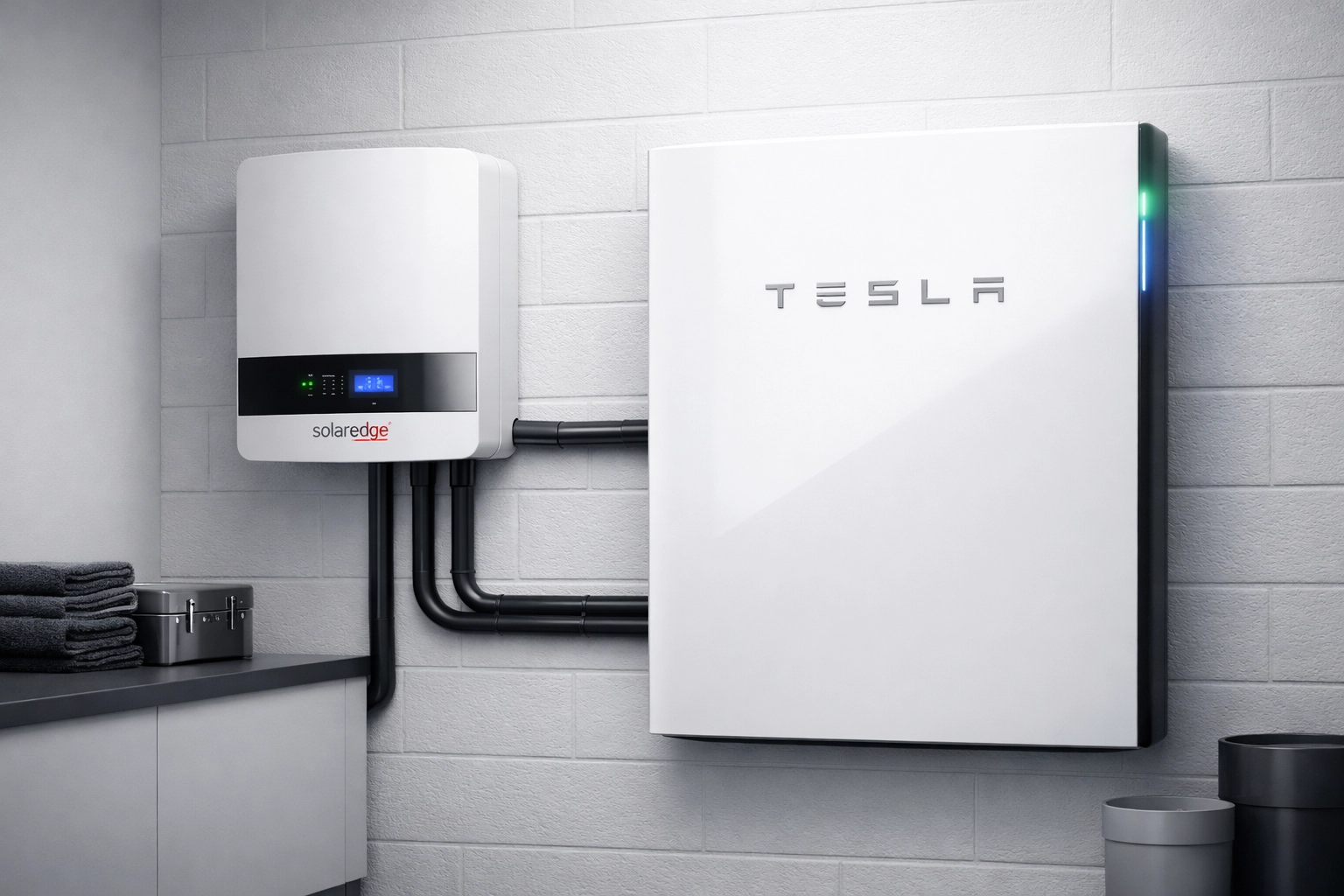
| Equipment | Tier-1 (Tesla, SolarEdge, GivEnergy) | Generic, "White-Label" components |
| Warranty | Integrated product & workmanship | "Manufacturer only" (hard to claim) |
| Longevity | Established business with a local office | New company, often "Phoenixing" |
Equipment Quality: Tier-1 vs. Generic
One of the easiest ways for a cowboy to undercut a specialist's quote is by using "generic" or "B-grade" equipment. While a panel might look like a panel from the ground, the internal components: the busbars, the bypass diodes, and the quality of the silicon: vary wildly.
At DES, we focus on Future-Proofing Your Home by only installing Tier-1 equipment. This includes industry leaders like the Tesla Powerwall 3 and SolarEdge inverters.
Why Tier-1 matters:
- Reliability: These brands have a failure rate of less than 0.5%.
- Warranty Backing: If a generic manufacturer goes bust in five years, your 25-year warranty is worthless. Tesla and SolarEdge are multi-billion pound companies that will be here for decades.
- Efficiency: High-quality panels degrade much slower, meaning your system will still be producing 85-90% of its original power in year 25.
The "Aftercare" Myth
The biggest difference between a specialist and a cowboy becomes apparent after the installation.
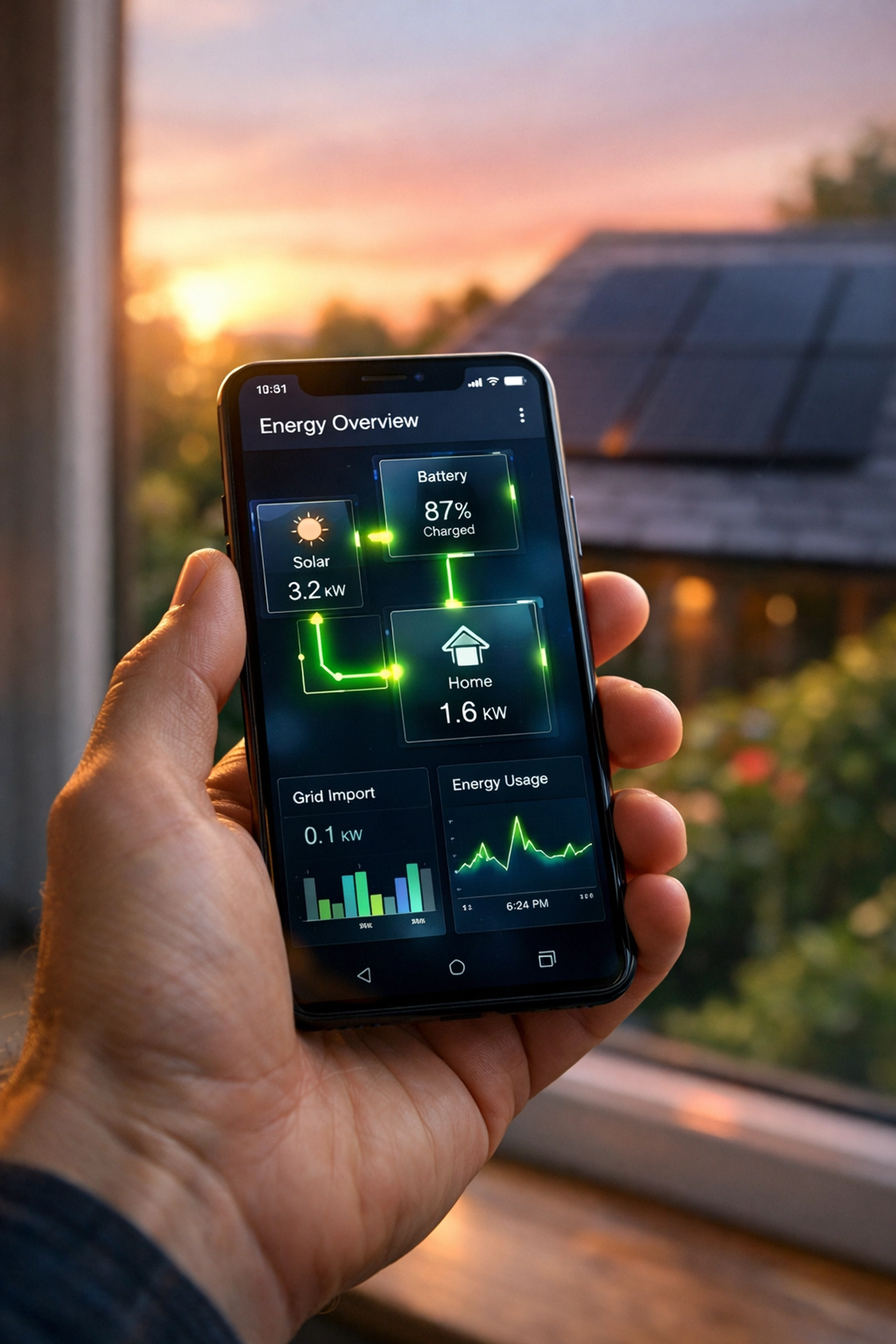
For a cowboy, the day the system is turned on is the last day they want to hear from you. For a specialist, that is just the beginning of the relationship. Modern solar systems require active monitoring. We provide our customers with detailed monitoring apps that allow both the homeowner and our technical team to see how the system is performing in real-time.
If a string of panels goes down or a battery isn't cycling correctly, a specialist's system will alert them. We can often troubleshoot software issues remotely or send a technician out before you even notice a drop in your energy generation. This level of solar installation maintenance is what ensures your £8,000 to £15,000 investment actually pays for itself.
The Financial Reality: Why "Cheap" is Expensive
It is tempting to go with the lowest quote. When you see two quotes for a 4kW system: one for £6,000 and one for £8,500: the cheaper one looks like a bargain. However, in the solar world, you get exactly what you pay for.
A "cheap" installation often cuts corners on:
- Roof Fixings: Using inferior brackets that can cause leaks or even lead to panels being lifted by high winds.
- Cabling: Using thinner cables that lead to higher energy loss (voltage drop), meaning you get less power into your home.
- Labour: Using sub-contracted teams who are paid per panel and rush the job, rather than employed specialists who take pride in a neat, safe install.
Over 25 years, an underperforming "cheap" system will cost you thousands of pounds in lost generation and repair bills, far outweighing the initial £2,500 "saving."
Choosing Your Partner: Questions to Ask
Before you sign any contract, ask the following questions:
- "Who actually carries out the installation?" (Are they in-house employees or sub-contractors?)
- "Can you provide your MCS and NAPIT registration numbers?" (Verify these on the official registers).
- "What is your process if the system stops working in five years?" (Look for a clear aftercare policy).
- "Do you provide an insurance-backed guarantee on your workmanship?"
- "Can I see a case study of a similar home in this area?"
Final Thoughts
A solar PV system is one of the most significant upgrades you can make to your home. It’s an investment in your financial future and the planet. Don't let a "Solar Cowboy" turn that dream into a headache.
Look for a partner who understands the technical nuances, uses world-class equipment, and has the financial stability to be there for you in the 2040s. At DES Renewable Energy Ltd, we pride ourselves on being that partner.
If you’re ready to discuss a system built for the long haul, contact our expert team for a transparent, data-driven consultation. Let's build something that lasts.