So, you’ve decided to look into solar panels for your Bournemouth home or business. It’s a smart move. With energy prices continuing to fluctuate and the average annual household bill sitting around £1,973 as we head into the spring of 2026, taking control of your own power generation isn’t just an "eco-friendly" choice anymore, it’s a financial necessity.
But we know it feels like a lot to take in. Between kilowatt-hours, feed-in tariffs (or lack thereof), and choosing between a dozen different installers, your head might be spinning. And that’s okay. Our goal is to peel back the curtain and show you exactly what to look for, what it costs, and the honest truth about what solar can, and can't, do for you.
The Honest Truth: Advantages and Disadvantages of Solar Power
Before you commit to an installation, you deserve the full picture. Most companies will only tell you about the savings, but we believe in transparency. Let's look at the advantages and disadvantages of solar power so you can make an informed choice.
The Advantages
- Drastic Bill Reductions: By generating your own electricity, you could reduce your reliance on the grid by up to 70%, especially when paired with a battery.
- Energy Independence: With global volatility and Cornwall Insight forecasting a potential £332 increase in energy costs due to international conflicts affecting supply, producing your own power is the best way to insulate your bank account.
- Carbon Footprint: You’ll be saving roughly one tonne of carbon per year for a standard domestic system.
The Disadvantages
- High Upfront Cost: Even with prices coming down, a quality system is a significant investment.
- Weather Dependency: Yes, it’s Bournemouth, and while we get more sun than most of the UK, your production will drop on those grey, drizzly November days.
- Roof Suitability: Not every roof is a candidate. If your roof is heavily shaded or north-facing, the ROI might not make sense, and a reputable installer will tell you that upfront.
Choosing the Right Installer in Bournemouth
Bournemouth has seen a surge in renewable energy companies lately. How do you separate the experts from the "cowboys" who might disappear before your warranty is even dry?
First, check for certifications. Any installer worth their salt must be MCS (Microgeneration Certification Scheme) certified. This isn't just a badge; it's a requirement for you to receive payments for the excess energy you sell back to the grid. We also highly recommend looking for NAPIT registration to ensure the electrical work meets the highest safety standards. You can read more about why these MCS and NAPIT certifications matter here.
Secondly, ask about their local experience. An installer who understands the coastal conditions in Dorset will know which mounting systems resist salt-air corrosion. Avoid the common mistakes many make when choosing an installer by insisting on a site survey rather than just a "remote quote."
Breaking Down the Costs: What Will You Actually Pay?
We don't believe in "prices starting from" vagueness. Based on current 2026 market rates in the South of England, here is a rough breakdown of what you can expect to invest in a high-quality solar PV system:
| System Size | Number of Panels (Approx) | Estimated Cost | Annual Production (kWh) |
|---|---|---|---|
| 3kW System | 8 – 10 | £5,500 – £6,500 | 2,600 |
| 4kW System | 10 – 12 | £7,500 – £8,500 | 3,500 |
| 6kW System | 14 – 16 | £9,500 – £11,000 | 5,200 |
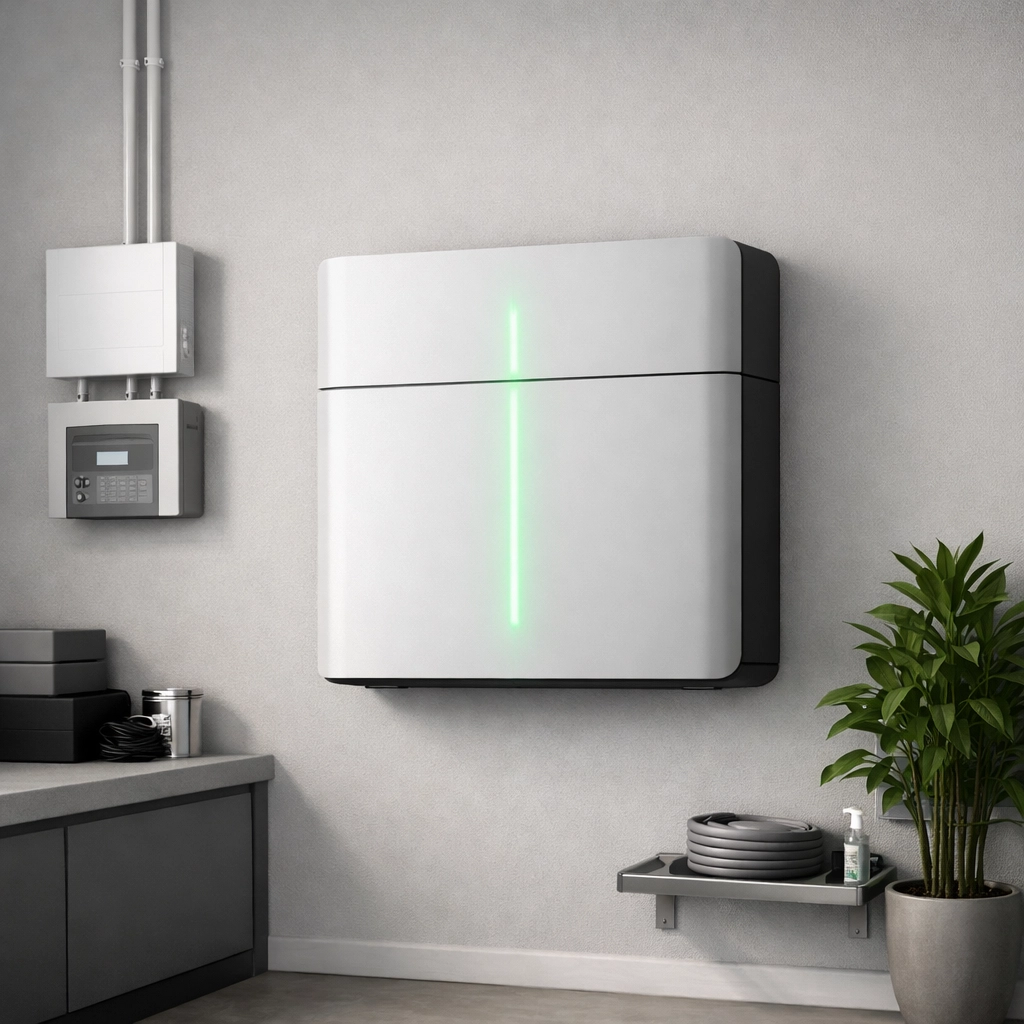
Note: Adding a battery storage system (like the Tesla Powerwall 3 or GivEnergy All-In-One) typically adds between £5,000 and £8,000 to these totals but significantly improves your ROI by allowing you to use your solar energy at night.
If you're torn between hardware options, we've put together a detailed comparison of the Tesla Powerwall vs GivEnergy to help you decide which fits your Bournemouth home best.
Business Solar Power: ROI for Bournemouth Companies
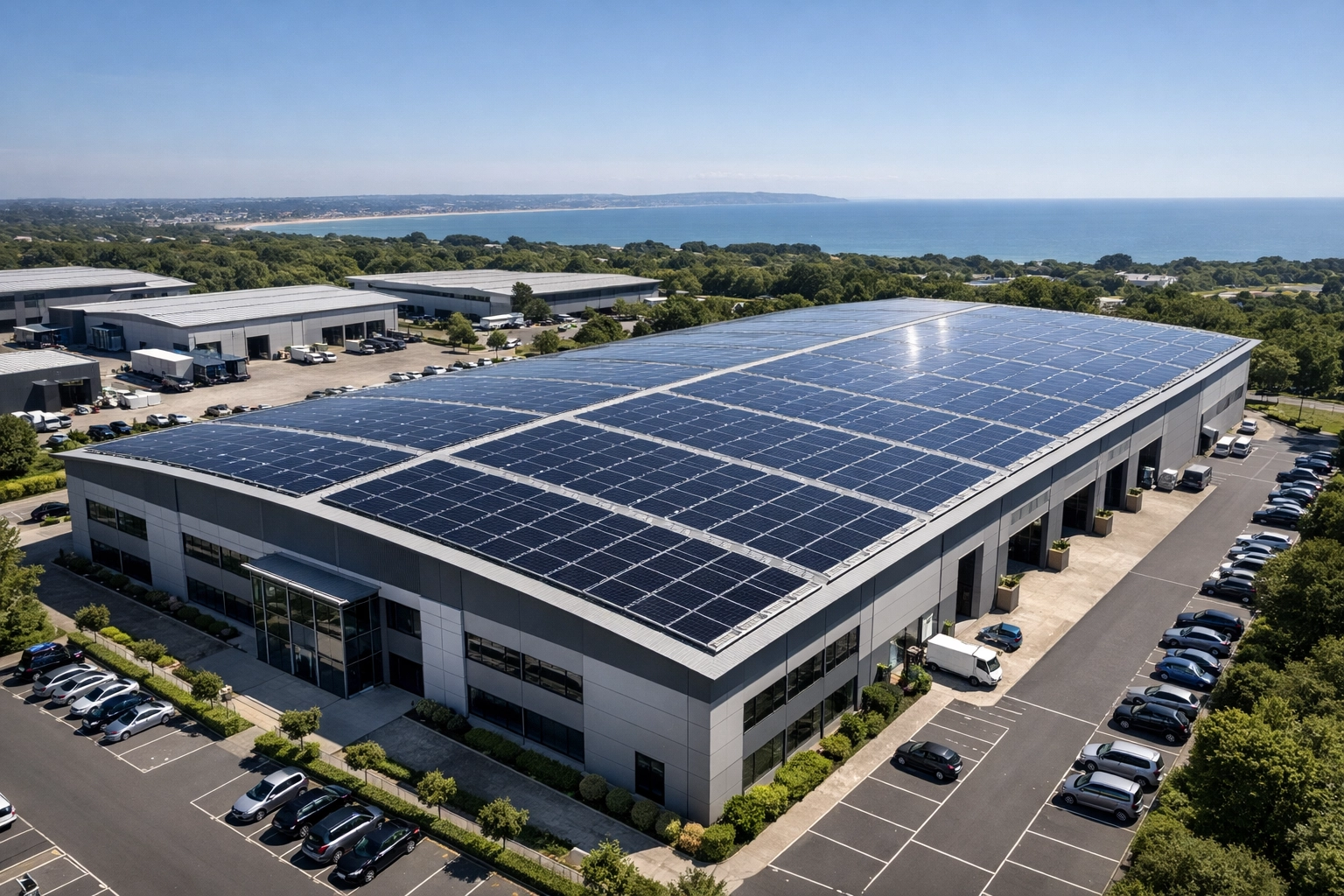
If you are a business owner in Poole or Bournemouth, the math for business solar power is even more compelling. Unlike residential properties, businesses usually consume the most energy during daylight hours, exactly when the sun is shining.
For a medium-sized commercial unit, the Return on Investment (ROI) can often be achieved in as little as 5 to 7 years. With commercial electricity rates often being more volatile than domestic ones, locking in a fixed "cost per kWh" through solar is a massive competitive advantage.
When we discuss business solar power with local companies, we look at:
- Half-hourly data: We analyze when you use power to size the system perfectly.
- Asset Value: Solar panels can increase the EPC rating of your commercial property, making it more valuable to future tenants or buyers.
- Tax Incentives: Be sure to ask your accountant about "Full Expensing" or capital allowances that could allow you to deduct the cost of the installation from your taxable profits.
You can dive deeper into the specifics in our Business Owners' Guide to Solar ROI.
Maintenance: Keeping Your System at Peak Performance
One of the most common questions we get is: "Once they're on the roof, do I just forget about them?"
The short answer is: mostly, yes. But if you want your system to last the full 25-year lifespan of its warranty, a little "TLC" goes a long way. Bournemouth’s coastal air can lead to salt spray buildup, and we all know how much the local seagulls love a high vantage point.
Top Maintenance Tips:
- Annual Visual Inspection: You don't need to get on the roof. Just use a pair of binoculars to check for any cracked panels or bird nesting.
- Monitor Your App: Most modern systems (especially the GoodWe ESA or Tesla systems) come with an app. If you notice a sudden 20% drop in production on a sunny day, something is wrong.
- Professional Cleaning: Every 2-3 years, have a professional clean the panels with deionized water. Avoid using a pressure washer, as this can damage the seals.
- Inverter Health: While panels last 25+ years, inverters usually need replacing every 10-12 years. Budget for this in your long-term ROI calculations.
For a comprehensive checklist, check out our Ultimate Guide to Solar Aftercare.
Is Solar Right for Your Bournemouth Home in 2026?
The technology has never been better. With the introduction of the GoodWe ESA plug-and-play solutions, installation times are faster, and the systems are smarter than ever before.
However, solar is an investment, not a "get rich quick" scheme. It requires a high-quality installation by a team that will be there to support you in five years if a sensor goes haywire. We understand that the technical jargon can be overwhelming, but we are here to simplify it.
Whether you are looking to slash your household bills or secure your business's energy future, the best first step is a conversation based on real data, not guesswork.
Ready to see what solar could do for your property?
Contact us to discuss your needs and let's work together to find a solution that makes sense for your roof and your budget.