The UK solar market has reached a boiling point in 2026. With energy prices remaining volatile and the drive toward Net Zero accelerating, thousands of homeowners across Dorset, Hampshire, and the wider South Coast are making the transition to renewable energy. It is a fantastic investment: when done correctly.
However, where there is high demand, "solar cowboys" inevitably follow. These are companies that pop up overnight, offer "too-good-to-be-true" prices, install sub-standard equipment, and disappear long before your system hits its five-year anniversary.
At DES Renewable Energy, we’ve seen the fallout: leaking roofs, failed inverters with no warranty support, and systems that produce only a fraction of what was promised. Choosing the right partner isn't just about the installation day; it’s about ensuring your investment is protected for the next 25 years.
In this guide, we’ll break down the biggest pitfalls in the solar industry and show you exactly how to vet a partner who is truly here for the long haul.
Pitfall 1: The "Remote Quote" and the Disappearing Site Survey
One of the most common mistakes is accepting a quote from a company that has never set foot on your property. While satellite imagery and Google Earth have improved, they are no substitute for a physical site assessment.
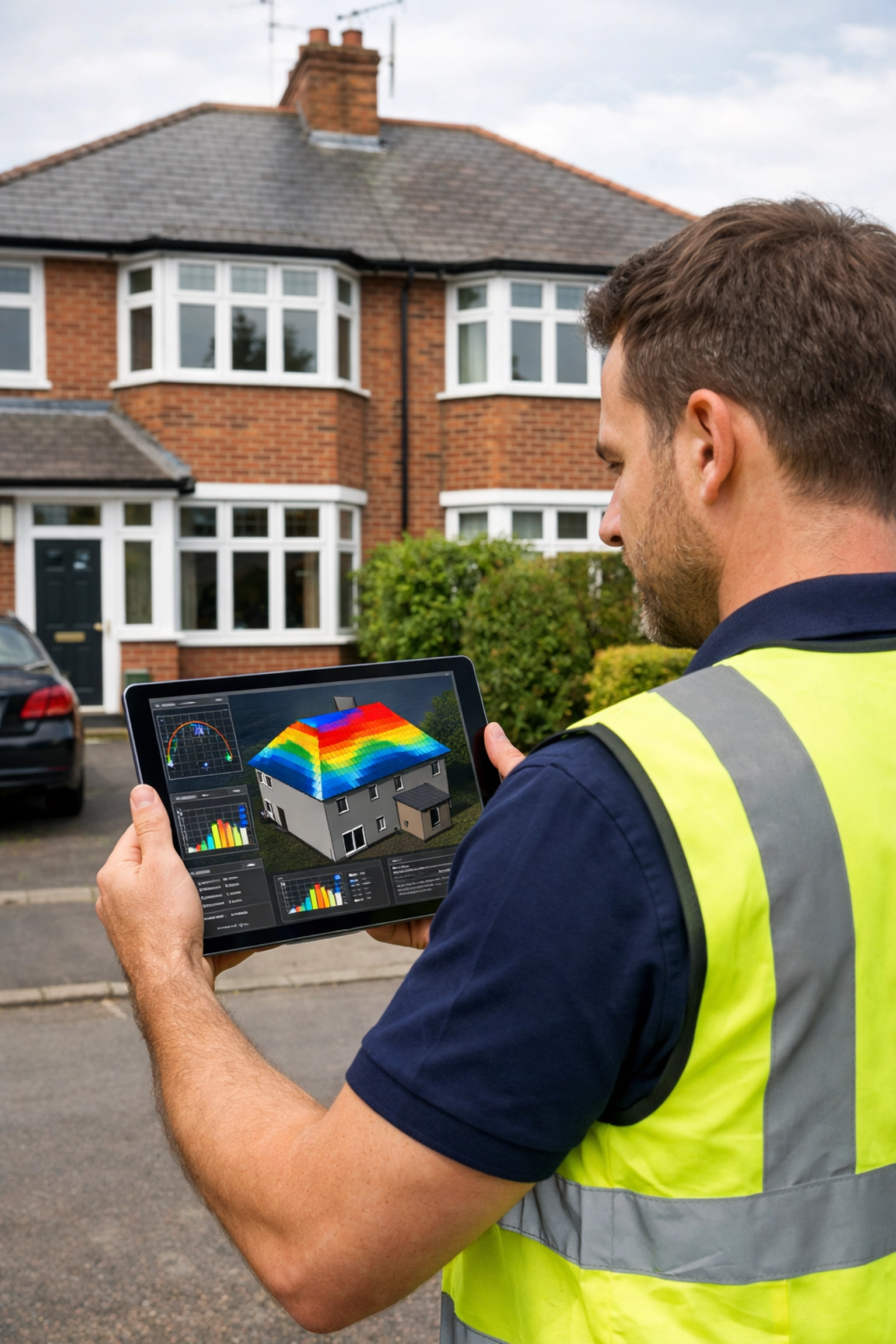
A reputable installer will always conduct a thorough survey. Why? Because the "perfect" solar plan on paper can be ruined by reality. During a professional assessment, we look at:
- Roof Structural Integrity: Can your rafters actually support the weight of 12–16 Tier-1 panels?
- Shading Analysis: Small obstructions like a neighbor’s chimney or a fast-growing tree can significantly drop your system’s output. We use 3D modeling tools to calculate exactly how shadows will move across your roof during peak sunlight hours.
- Electrical Compatibility: Is your existing consumer unit up to the task? Is there adequate ventilation for an indoor battery storage system?
If a company skips these steps, you are likely to face "unforeseen" costs on the day of installation, or worse, a system that underperforms from day one. You can read more about common errors in our guide to 7 mistakes you’re making when choosing a solar installer.
Pitfall 2: Compromising on Component Quality
In an effort to win your business, some installers will offer "Budget Packages." While saving £1,000 upfront feels good, it is a high-risk strategy in the solar world.
Cheap solar panels degrade faster, losing their efficiency within a few years. Low-end inverters: the "brain" of your system: are often the first component to fail. If your installer used a generic brand that has since gone bust, your 10-year warranty is worth nothing.
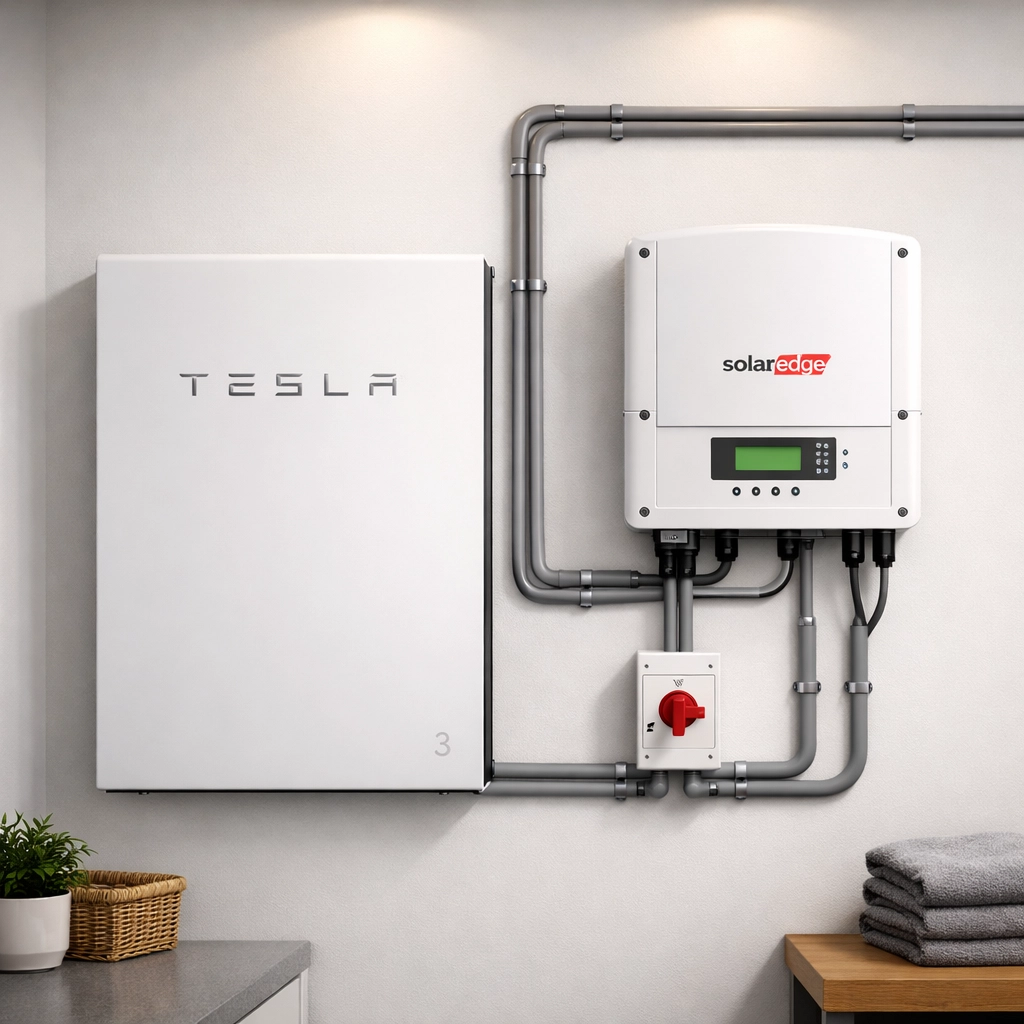
At DES, we only install Tier-1 equipment from global leaders like SolarEdge and Tesla. These companies have massive R&D budgets and robust UK-based support. When you install a Tesla Powerwall 3, you aren't just buying a battery; you’re buying into an ecosystem that is designed to last decades.
Compatibility Matters
It’s not just about buying "good" parts; it's about making sure they talk to each other. A mismatched inverter can limit power conversion and create heat issues that shorten the lifespan of your battery. A specialist partner ensures that every component: from the racking on the roof to the software on your phone: is perfectly synced.
Pitfall 3: Ignoring the "Alpha-Bits" (MCS, NAPIT, and RECC)
The renewable energy industry is governed by specific certifications that protect you, the consumer. If your installer cannot provide proof of these, walk away.
- MCS (Microgeneration Certification Scheme): This is non-negotiable. Without an MCS certificate, you cannot sign up for the Smart Export Guarantee (SEG) to get paid for the excess energy you send back to the grid. Furthermore, many manufacturers will not honour equipment warranties if the system wasn't installed by an MCS-accredited professional.
- NAPIT/NICEIC: These prove the installers are competent electricians. Solar is a high-voltage electrical installation; poor wiring is a genuine fire hazard.
- RECC (Renewable Energy Consumer Code): This ensures the company adheres to high standards of consumer protection.
We’ve written extensively on why your solar warranty depends on these certifications. Don't let a "cowboy" tell you they aren't necessary: they are your only safety net.
Pitfall 4: The Myth of "Zero Maintenance"
"Install it and forget it" is a dangerous phrase. While solar panels are relatively low-maintenance, they are not no-maintenance.
Over 25 years, your system will face UK gales, snow, nesting birds, and the inevitable buildup of grime and lichen. A solar specialist doesn't just bolt panels to your roof and wave goodbye; they offer a roadmap for aftercare.
Monitoring is the most vital part of this. A professional partner will set up a monitoring portal (like the SolarEdge or Tesla app) that allows both you and the installer to see the health of every individual panel. If one panel starts underperforming, we know about it before it impacts your energy bill.
For a deeper dive, see our ultimate guide to solar aftercare.
Specialist vs. Cowboy: A Comparison
| Feature | The Specialist Partner (DES) | The "Solar Cowboy" |
|---|---|---|
| Site Survey | Physical inspection & 3D shading analysis | Quote based on Google Maps only |
| Equipment | Tier-1 (Tesla, SolarEdge, GivEnergy) | Generic or "unbranded" components |
| Accreditation | MCS, NAPIT, RECC fully verified | "In the process" or missing entirely |
| Pricing | Fair, transparent, reflecting quality | Unrealistically cheap "special offers" |
| Aftercare | Proactive monitoring & 25-year support | No contact after the final payment |
| Workmanship | In-house certified electricians | Sub-contracted casual labour |
Red Flags to Watch Out For
When vetting a renewable partner, keep an ear out for these "red flag" sales tactics:
- High-Pressure Closing: If a salesman tells you the "government grant" expires at midnight or the price is only valid if you sign right now, they are likely trying to stop you from doing your homework.
- Exaggerated ROI: Solar offers great returns (often 10–15% annually), but it won't make you a millionaire overnight. If the "payback period" sounds too short (e.g., 3 years), ask to see the calculations. Usually, they are overestimating energy price inflation or underestimating your actual consumption.
- No Local Presence: It is much harder for a company based 200 miles away to send a technician if a fuse blows. Look for an installer with deep roots in your local area, whether that's Poole, Bournemouth, or across Hampshire.
The Financial Reality: Why Quality Pays for Itself
In 2026, the average residential solar and battery system in the UK costs between £9,000 and £14,000, depending on the scale and battery capacity. It is a significant investment.
If you choose a sub-par installer to save £1,500, but the system fails in year seven and the company has disappeared, the cost to repair and re-certify that system will far exceed your initial savings. True value is found in uptime. A system that runs at 99% efficiency for 25 years is significantly more profitable than a cheap system that spends months offline due to technical faults.
Choosing a Partner for the Long Haul
At DES Renewable Energy, we don't just want to install your panels; we want to be your energy partner for the next quarter-century. We pride ourselves on technical expertise, local accountability, and a refusal to cut corners.
Whether you are looking for a business solar solution or a domestic upgrade to a Tesla Powerwall, the principles remain the same: quality equipment, certified expertise, and honest advice.
Ready to start your solar journey the right way?
Contact our team today for a comprehensive, no-pressure site survey. Let’s build a system that powers your home today: and for the next 25 years.