


The UK solar market is currently experiencing a massive surge. As we move through 2026, more homeowners than ever in Dorset, Hampshire, and across the South Coast are looking to take control of their energy bills and reduce their carbon footprint.
However, where there is high demand, there are inevitably those looking to make a quick profit at the expense of quality and safety. In the industry, we call them 'Solar Cowboys.' These are operators who use high-pressure sales tactics, install sub-standard equipment, and often disappear the moment the final cheque clears.
According to industry data, since the initial solar boom began over a decade ago, nearly 700 solar companies have gone bust, leaving approximately 650,000 "solar orphans" in their wake: homeowners with failing systems and no one to turn to for warranty support or repairs.
At DES Renewable Energy, we believe your transition to clean energy should be seamless and secure. In this guide, we’ll show you exactly how to spot the red flags and why choosing a technical specialist is the only way to ensure your investment lasts for the next 25 years.
The Anatomy of a 'Solar Cowboy'
Before you sign any contract, it’s vital to understand the tactics used by rogue traders. They don't always look like "cowboys"; often, they lead with slick marketing and "too-good-to-be-true" pricing.
1. The High-Pressure Sales Pitch
If a company tells you that a "special discount" is only available if you sign today, walk away. Professional renewable energy consultants provide detailed quotes and then give you the space to review them. Solar is a significant financial investment; it shouldn't be sold like a door-to-door cleaning product.
2. The "One-Size-Fits-All" Quote
Every home is different. Factors like roof orientation, shading from nearby trees, and your specific half-hourly energy usage patterns (how much electricity you use and when) determine which system is right for you. A cowboy will offer a generic package without ever visiting your property or looking at your energy bills.
3. The Use of Subcontractors
Many large national sales companies don't actually employ their own installers. They sell the job and then "sub" it out to the cheapest available local tradesperson. This leads to a total lack of accountability. If something goes wrong, the sales company blames the installer, and the installer blames the equipment.

Technical Red Flags: Why Cheap Installs are Dangerous
A solar PV system is essentially a small power station on your roof. It generates several hundred volts of Direct Current (DC) electricity. If installed incorrectly, the risks aren't just financial: they are physical.
DC Arcing and Fire Risks
Poorly crimped connectors or incorrectly sized cables can lead to "arcing." Unlike the electricity in your wall sockets, DC current doesn't like to stop; if there is a gap in a circuit, it will jump across it, creating intense heat. This is the primary cause of solar-related fires. Specialists use precision tools and Tier-1 components to eliminate this risk.
Poor Mounting and Roof Leaks
Your roof needs to remain watertight for decades. Solar cowboys often skip the proper flashing or use "hook and bolt" systems that put unnecessary stress on your tiles. A specialist installation ensures the structural integrity of your roof is maintained, using high-quality mounting gear designed for the UK’s increasingly volatile weather.
| Feature | Solar Cowboy | DES Renewable Energy Specialist |
|---|---|---|
| Survey | Remote/Google Maps only | Detailed on-site technical survey |
| Equipment | Unbranded or "Generic" Tier-2 | Tier-1 (Tesla, SolarEdge, GivEnergy) |
| Workforce | Temporary Subcontractors | In-house, highly trained engineers |
| Warranty | "Manufacturer only" (hard to claim) | Comprehensive insurance-backed guarantees |
| Aftercare | None (Ghosted after payment) | Dedicated monitoring and maintenance |
The Role of Certifications: MCS and NAPIT
In the UK, certifications aren't just "badges" for the website; they are the foundation of your system's legality and financial viability.
MCS (Microgeneration Certification Scheme) is the most important. Without an MCS certificate, you cannot export energy back to the grid and receive payments through the Smart Export Guarantee (SEG). Furthermore, most reputable insurance companies will not cover a home with a non-MCS-certified solar installation.
NAPIT or NICEIC registrations ensure that the electrical work meets Part P building regulations.
We’ve seen many cases where homeowners were promised "the best tech" but were never given the paperwork required to actually use it legally or profitably. You can read more about why these certifications matter for your warranty here.
Why Tier-1 Equipment Matters
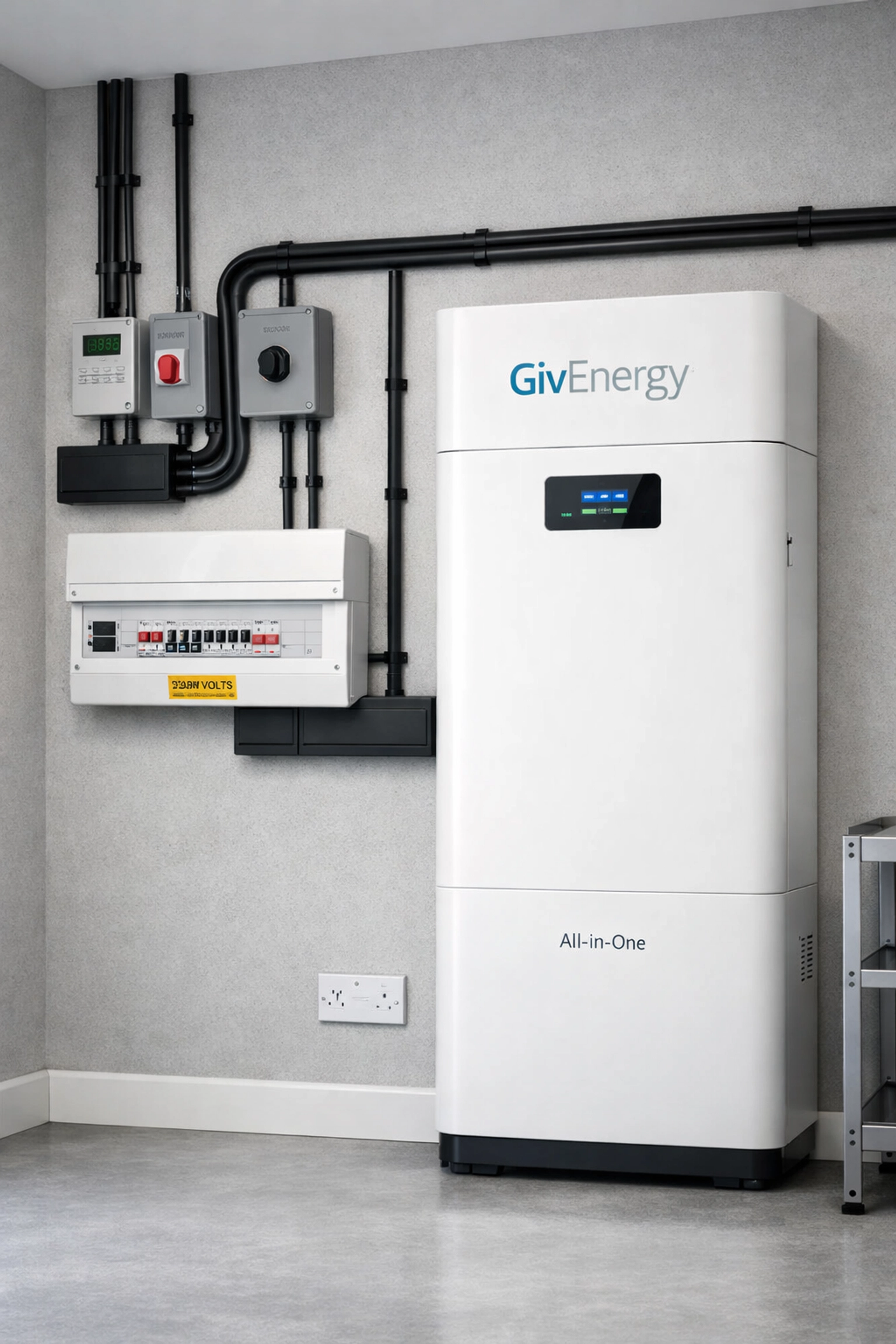
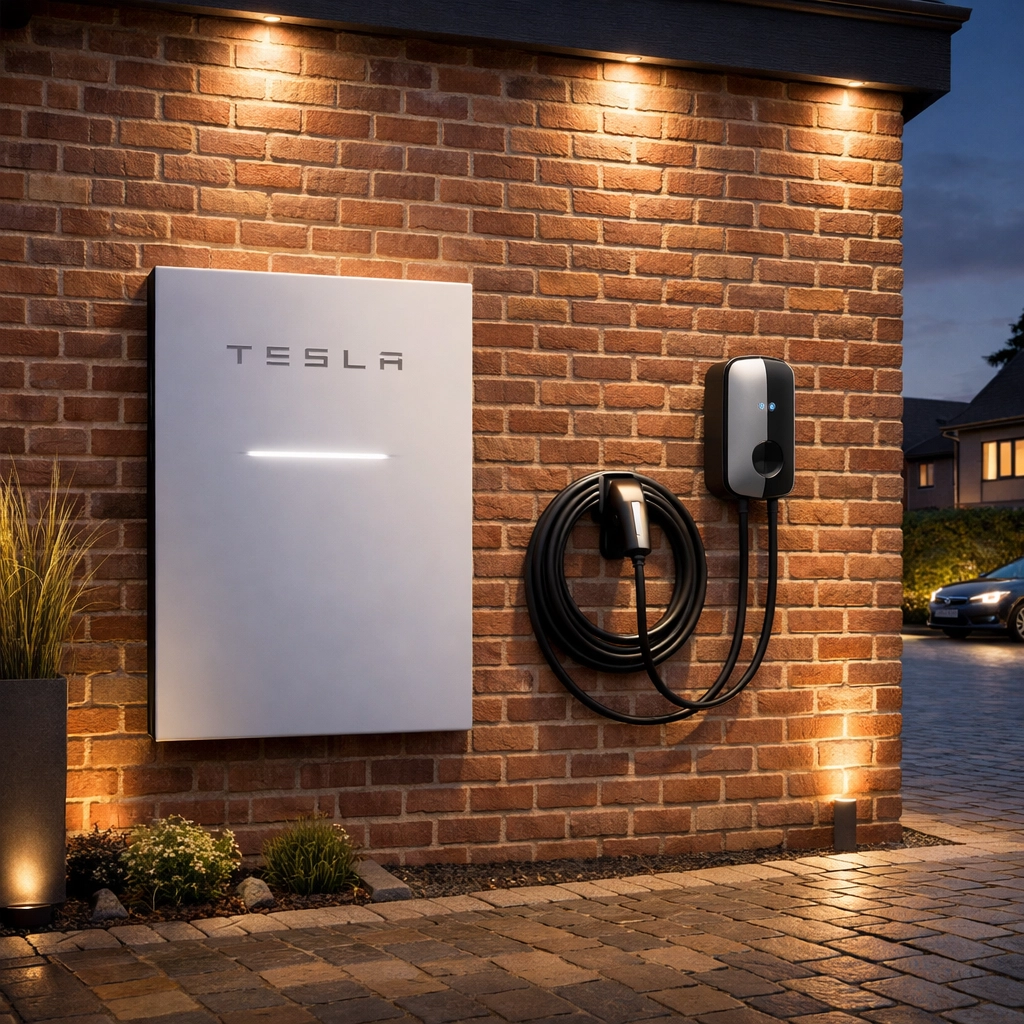
A specialist chooses their partners carefully. At DES, we focus on Tier-1 brands like Tesla, SolarEdge, and GivEnergy.
Why? Because these companies have the R&D budgets to ensure their products last 25+ years. They also have a massive presence in the UK. If a small, unknown inverter manufacturer goes bust in three years, your "10-year warranty" is worthless. With a brand like Tesla or GivEnergy, you have peace of mind that the company will be there to support you in 2040 and beyond.
Choosing between high-end systems can be tough. If you're weighing up the latest tech, check out our comparison of the Tesla Powerwall 3 vs GivEnergy All-in-One.
Future-Proofing and the "Solar Orphan" Problem
One of the biggest pitfalls is installing a system that cannot be expanded. Technology moves fast. In 2026, many homeowners are adding Electric Vehicle (EV) chargers or heat pumps. A "cowboy" system is often a closed loop: it’s cheap because it uses basic tech that can’t "talk" to other devices.
A specialist will design a "battery-ready" system or use smart inverters (like SolarEdge) that allow for easy monitoring and future integration.
Furthermore, a specialist provides Aftercare. Solar panels are low maintenance, but they aren't no maintenance. Monitoring software allows us to see if a single panel is underperforming before you even notice it on your bill. Without a partner who offers long-term support, you risk becoming one of the "solar orphans" we mentioned earlier. For a deep dive into maintaining your investment, see our Ultimate Guide to Solar Aftercare.
5 Questions to Ask Any Potential Installer
To protect yourself, ask these five questions during your initial consultation:
- "Are you MCS certified, and will I receive a certificate upon completion?" (If the answer is "we use a partner for that," be cautious).
- "Who actually performs the installation: your employees or subcontractors?" (In-house teams usually offer higher quality control).
- "Can you provide a performance estimate based on my specific roof pitch and shading?" (Demand a bespoke report, not a generic flyer).
- "What happens if the system stops working in five years? Who do I call?" (Look for a clear aftercare process).
- "Can I see local references or case studies?" (A specialist proud of their work will have plenty. You can see how we help South England homeowners here).
Making the Right Choice for Your Home
Investing in solar is one of the smartest financial moves you can make in 2026. With energy prices remaining volatile, the ability to generate and store your own power is invaluable. However, the "savings" offered by a solar cowboy are a false economy. The cost of repairing a poorly installed system or replacing a failed "no-name" inverter far outweighs the initial discount.
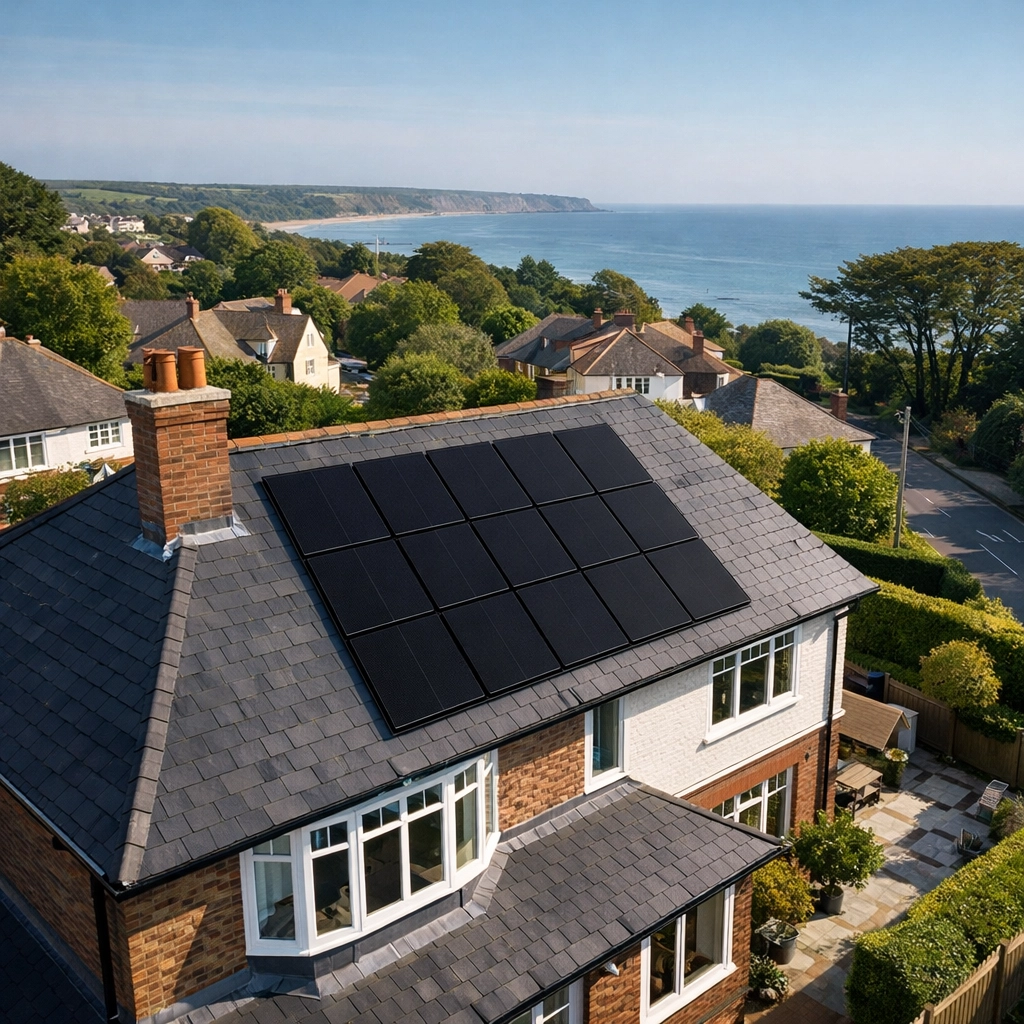
At DES Renewable Energy Ltd, we pride ourselves on being specialists, not just installers. We focus on Bournemouth, Dorset, and the surrounding areas, providing the technical expertise and honest advice that homeowners deserve.
If you’re ready to discuss a high-quality, future-proofed solar solution, we’re here to help. Whether you are looking for solar panels in Hampshire or a complete battery backup system in Dorset, our team will ensure you avoid the pitfalls and enjoy the benefits of clean energy for decades to come.
Contact DES Renewable Energy today for a professional site survey and take the first step toward true energy independence.