


If you’ve glanced at the news lately, you’ve probably noticed that the global energy market feels a bit like a rollercoaster: one that only seems to go up. As of March 2026, tensions in the Middle East and shifting oil production targets have sent ripples across the pond, landing squarely on the utility bills of UK homeowners. It’s a frustrating cycle, isn't it? You see a headline about geopolitical instability on the other side of the world, and two weeks later, your energy provider sends an "update" about price hikes.
But here is the thing: you don’t have to be a spectator in this game.
The question we get asked most often at DES Renewable Energy Ltd isn’t "Do solar panels work?" (most people know they do by now), but rather: "Do I really need battery storage?" Is it a luxury, or is it the essential shield you need to protect your home from a volatile world?
Today, we’re going to look at the truth behind battery storage in 2026, how it interacts with global events, and whether it’s the right move for your home or business.
The Global Ripple Effect: Why Your Bill is Tied to the World
It might seem strange that a conflict thousands of miles away affects the cost of boiling your kettle in Bournemouth or powering your office in Poole. But the UK energy grid is deeply interconnected with global commodity prices. When oil and gas prices spike due to international tension, the "wholesale" cost of electricity rises.
Even if you have solar panels, you’re still tethered to that grid. Without a battery, any energy your panels produce during the day that you don’t use immediately gets sent back to the grid. Then, when the sun goes down and prices are at their highest, you’re forced to buy that energy back at a premium.
And that’s where the "volatility" hits home. When global markets are unstable, those evening peak rates become unpredictable. Battery storage: like the Tesla Powerwall 3 or the GivEnergy All-In-One: acts as a buffer. It’s like having your own personal reserve of energy that doesn’t care what the global oil price is.
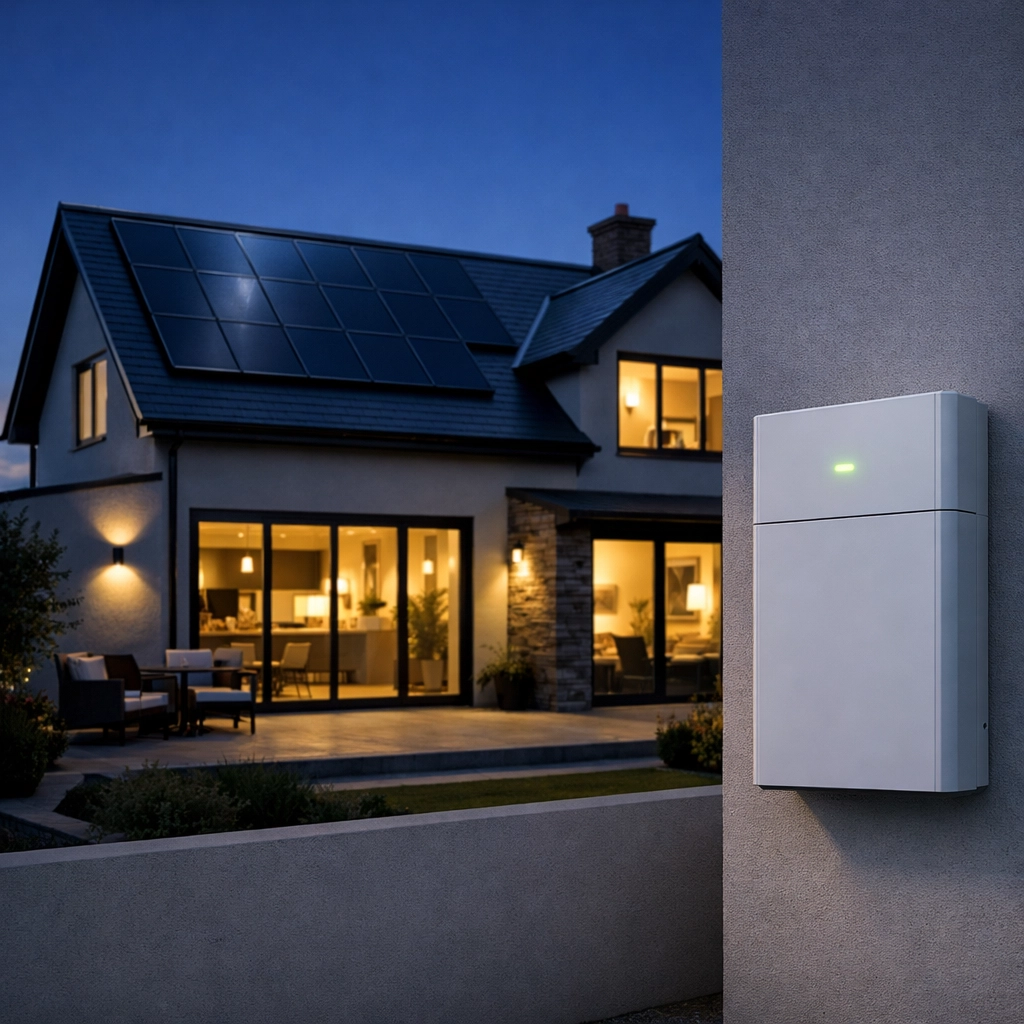
Solar Without a Battery is Only Half the Story
Think of solar panels as a garden that produces an incredible amount of food, but only at noon. If you don't have a fridge, most of that food goes to waste, and you’re still going to the supermarket at 7 PM to buy dinner.
A battery is your "energy fridge."
In 2026, the efficiency of solar PV has reached incredible heights, but the way we use energy hasn't changed much. Most of us are out of the house during the day when the sun is shining. We come home, turn on the heat, start the dishwasher, and plug in the EV just as the sun is setting.
Without storage, you are effectively "selling low and buying high." By adding a battery, you capture every drop of that free solar energy and save it for when the grid tries to charge you the most. It’s about moving from "generating green energy" to "achieving energy independence."
The Financial Reality: ROI and Time-of-Use Tariffs
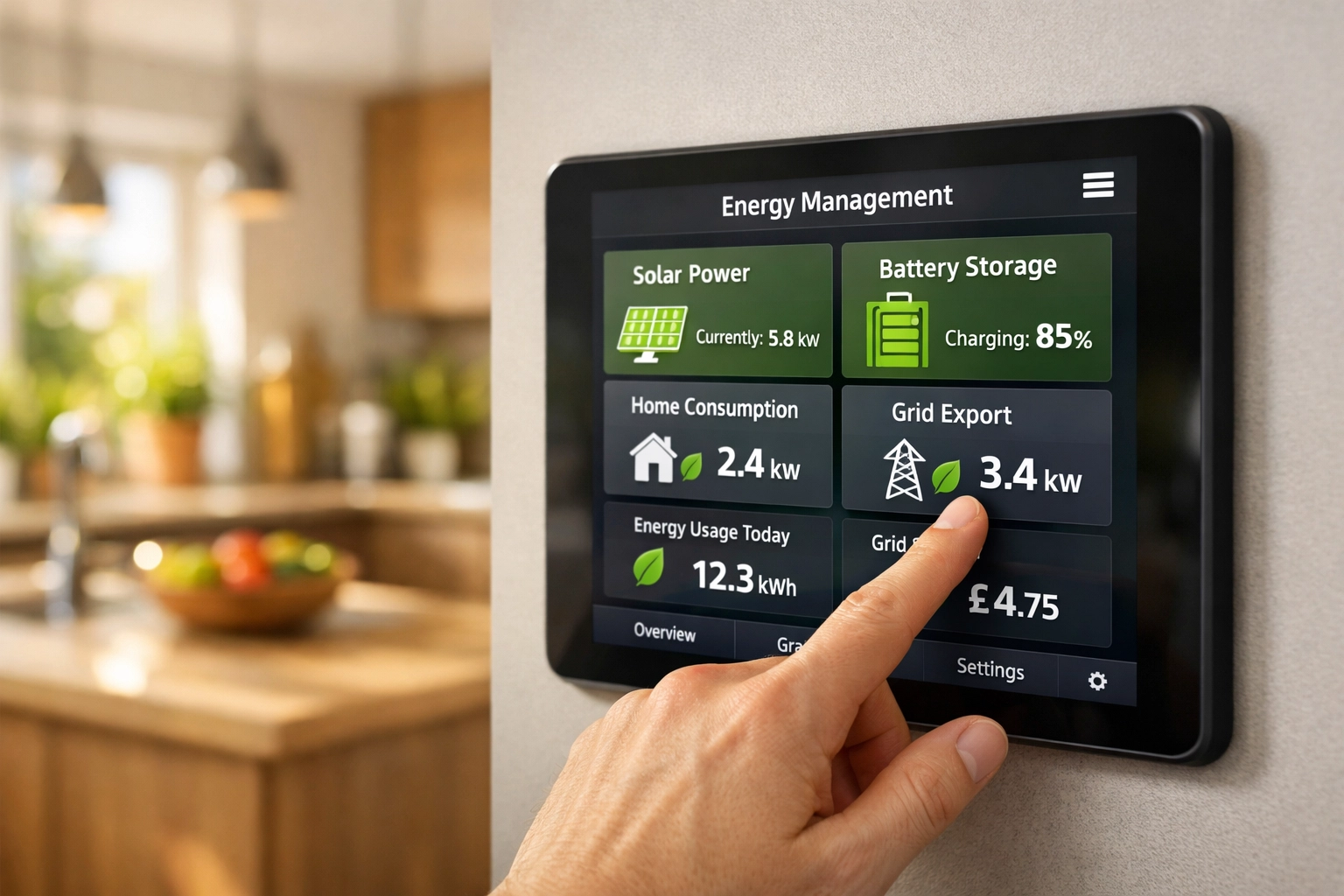
One of the biggest shifts we’ve seen recently is the rise of "Time-of-Use" (ToU) tariffs. These are smart tariffs where the price of electricity changes throughout the day.
When global volatility pushes prices up, these tariffs can get very expensive during peak hours (usually 4 PM to 7 PM). However, they often offer incredibly cheap "off-peak" rates overnight.
If you have a smart battery system, you can do something called Energy Arbitrage:
- Daytime: Your battery fills up for free from your solar panels.
- Evening Peak: Your home runs entirely off the battery, avoiding the most expensive grid prices.
- Overnight: If it was a cloudy day, your battery can "top up" from the grid at the super-cheap overnight rate, ensuring you have cheap power ready for the morning.
This managed approach can drastically shorten your Return on Investment (ROI). For many businesses in the South of England, this is becoming a standard part of their commercial energy strategy.
Comparing the Big Players: Tesla vs. GivEnergy vs. GoodWe
If you’ve started looking into batteries, you’ve likely seen three names pop up repeatedly. Each has its strengths, and choosing the right one depends on your specific needs.
| Feature | Tesla Powerwall 3 | GivEnergy All-In-One | GoodWe ESA |
|---|---|---|---|
| Capacity | 13.5 kWh | 13.5 kWh | Scalable (from 5.4 kWh) |
| Power Output | High (Great for large loads) | High (Great for whole-home) | Modular / Flexible |
| Best For | Tech-lovers & high demand | UK-based support & value | Homes starting small |
| Key Benefit | Integrated Solar Inverter | Great warranty & British-born | AI Safety Features |
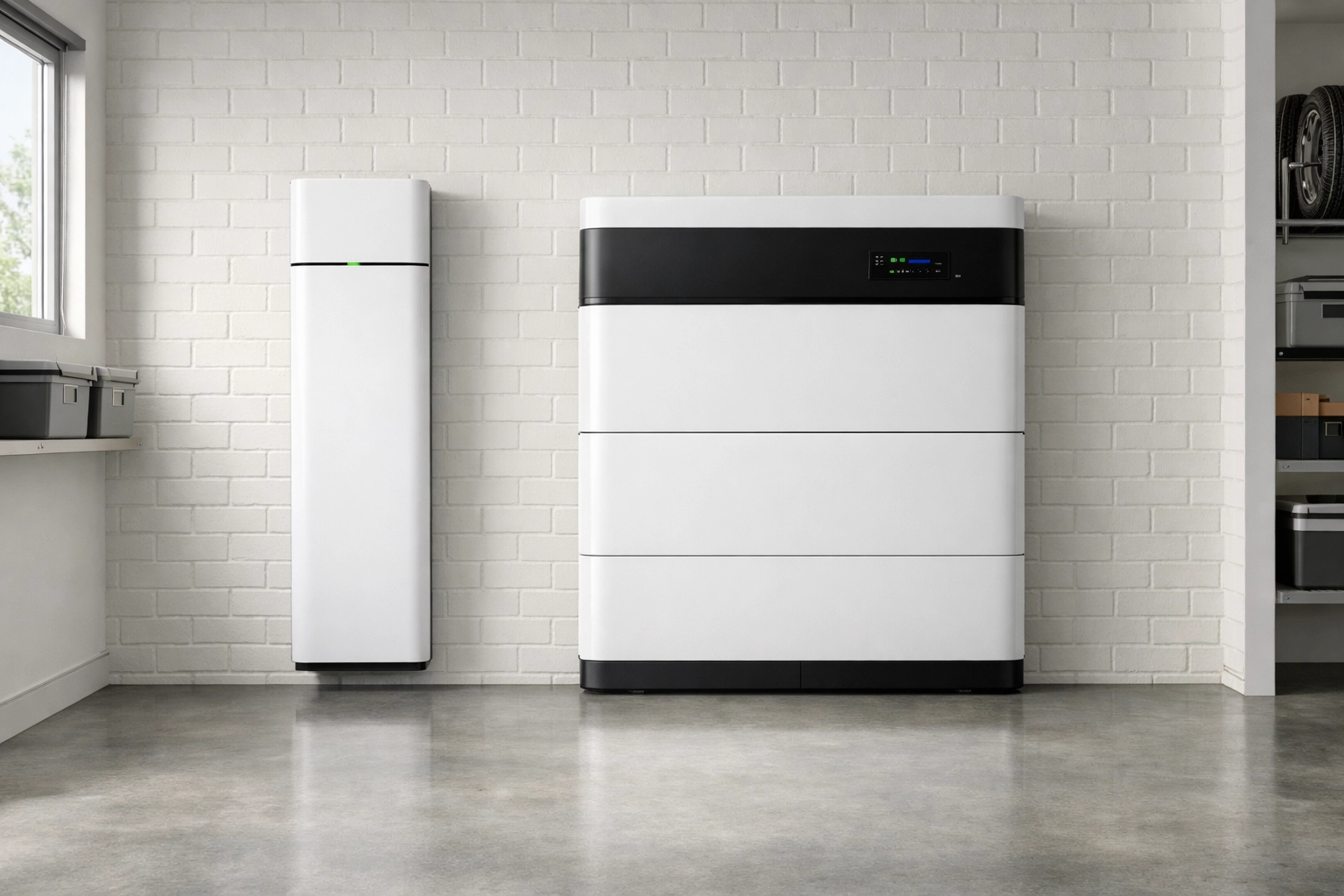
The Tesla Powerwall 3 is often seen as the "gold standard" because of its sleek integration and massive power output. It can handle heavy appliances like heat pumps and EV chargers without breaking a sweat.
On the other hand, the GivEnergy All-In-One is a fantastic "grid-connected" powerhouse that is specifically designed for the UK market. It’s robust, reliable, and offers great value for money.
Then there’s the GoodWe ESA. We love this for homeowners who might want to start a bit smaller and grow their system over time. Its scalable nature means you aren't locked into one size forever.
Do You Need to Back Up Your Entire House?
A common misconception we hear is that you need a battery bank the size of a garage to make it "worth it." But that’s not actually true.
You have two main options when installing battery storage:
- Essential Loads Only: You back up the stuff that really matters: your fridge, your Wi-Fi, a few sets of lights, and maybe your medical equipment. This keeps the cost down while providing total security during grid outages.
- Whole-Home Backup: With a high-output system like the Powerwall 3, you can essentially forget the grid exists during a power cut. You can continue living your life as normal.
Most people find a middle ground. By focusing on smart energy management rather than just raw capacity, you can protect your home from global volatility without spending a fortune.
The "Solar Cowboy" Warning
As demand for energy security grows, so does the number of companies claiming to be experts. We’ve seen a lot of "Solar Cowboys" popping up lately: installers who offer "too good to be true" prices but disappear when you need aftercare.
When you’re investing in technology that is meant to protect your home for the next 25 years, the installer matters as much as the hardware. Always check for MCS and NAPIT certifications. These aren't just badges; they are your guarantee that your warranty will be honoured and your system is safe.
We’ve put together a guide on avoiding common mistakes when choosing an installer to help you navigate this. It's better to be safe than sorry when it comes to your home's electrical heart.
Is 2026 the Right Time to Buy?
You might be thinking, "Should I wait for the tech to get even better?"
While technology always evolves, the "cost of waiting" is currently very high. Every month you spend fully reliant on the grid is a month you are exposed to global price spikes. With electricity rates where they are today, the savings you generate now usually far outweigh the marginal improvements in tech you might see in two years.
Plus, with the current stability of the renewable energy market in Hampshire and Dorset, there are more financing options and local expertise available than ever before.
The Verdict: Do You Really Need It?
The truth is, not everyone needs battery storage. If you are home all day, use all your solar energy as it’s generated, and live in an area with a 100% stable grid and no price fluctuations, you might be fine with just panels.
But for the rest of us? The ones who work 9-to-5, have kids, run businesses, or simply want to know that their lights will stay on regardless of what happens in global politics? Battery storage is the key to true energy security.
It turns your home from a passive consumer into an active powerhouse. It gives you the choice of when to buy energy and when to use your own. And in a world that feels increasingly volatile, that choice is incredibly valuable.
Ready to see which battery fits your home?
Whether you’re in Bournemouth, Poole, or anywhere across the South Coast, we’re here to help you make sense of it all. At DES Renewable Energy Ltd, we don’t just install kit; we design systems that give you peace of mind.
Contact us today to discuss your energy goals and let’s build your shield against energy volatility together.