


It is March 2026, and the solar revolution in the UK is in full swing. If you take a walk down any street in Bournemouth, Poole, or across the South Coast, you’ll see sparkling black panels on almost every other roof. With energy prices still a major talking point and battery technology like the Tesla Powerwall 3 becoming the gold standard for home energy independence, more homeowners than ever are making the jump to renewables.
However, as the demand for solar has skyrocketed, so has the number of "cowboy" installers looking to make a quick pound. At DES Renewable Energy, we’ve seen it all: from panels held up by little more than hope to dangerous electrical wiring that’s a literal fire hazard.
Choosing the wrong installer doesn’t just mean your system might underperform; it could mean your 25-year investment becomes a 5-year headache. In this guide, I’m going to walk you through the most common solar installer mistakes we see in the industry and, more importantly, how you can spot the red flags before you sign on the dotted line.
1. The "Quote-from-the-Sofa" Trap
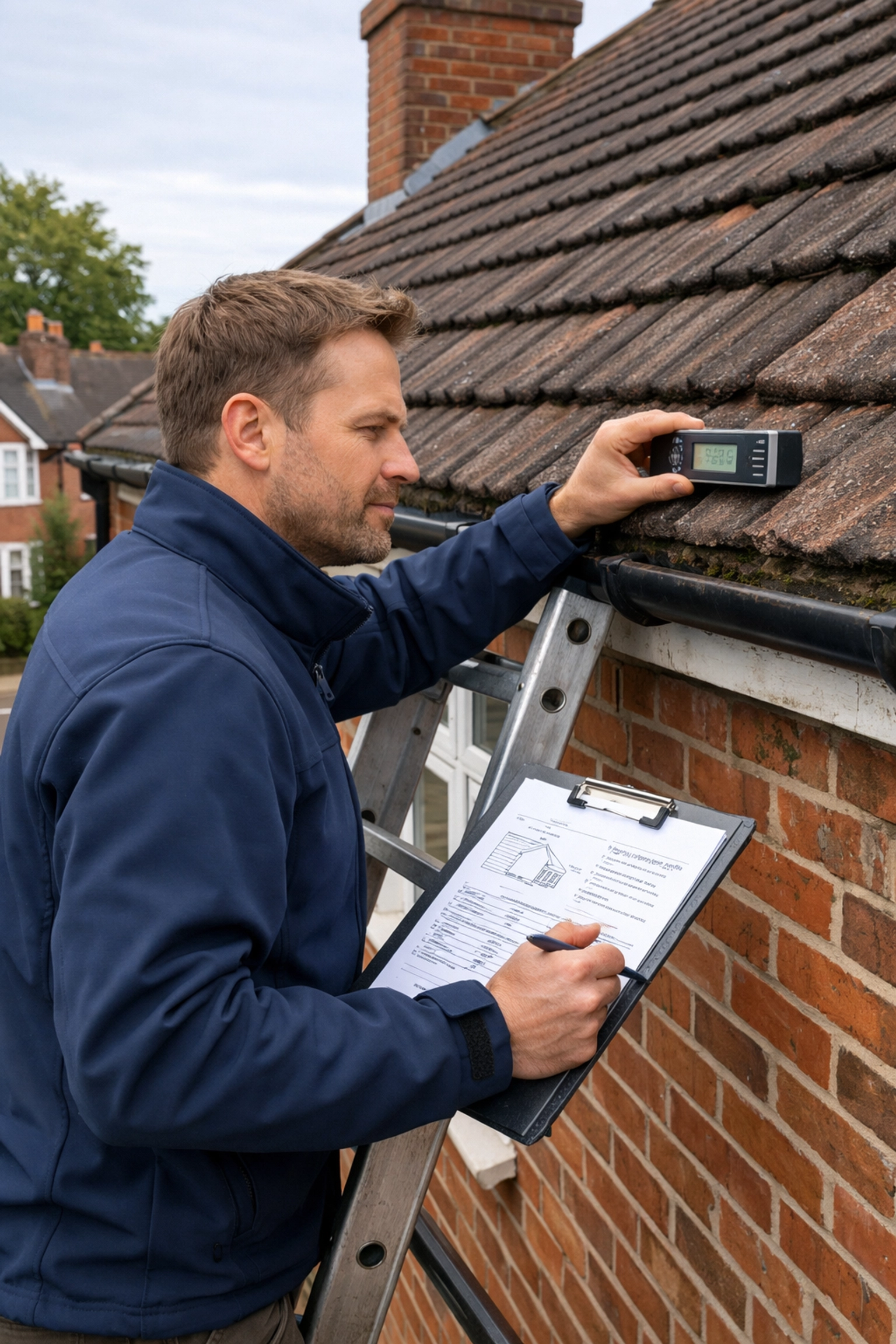
One of the biggest red flags we see today is an installer providing a final, fixed quote without ever stepping foot on your property. In 2026, satellite technology is great, but it’s no substitute for a physical site survey.
A "cowboy" installer will look at your house on Google Maps, estimate the number of panels, and send over a price. What they aren’t seeing is the state of your roof’s structural timbers, the age of your consumer unit, or the subtle shading from a neighbour’s chimney that only appears in the afternoon.
Why it matters:
If an installer skips the structural assessment, you risk your roof sagging or leaking under the weight of the array. A professional team will always check your loft space and electrical setup before any equipment is ordered.
2. Ignoring MCS and NAPIT Accreditations
This is a non-negotiable. In the UK, if your installer isn't MCS (Microgeneration Certification Scheme) certified, you are effectively throwing your money away.
Without MCS certification:
- You cannot claim the SEG (Smart Export Guarantee): You won’t get paid for the excess energy you send back to the grid.
- Your warranty may be void: Most manufacturers of Tier-1 equipment, like SolarEdge or Tesla, require certified installation to honour their long-term warranties.
- Home insurance issues: Many UK insurers now request proof of professional installation before covering a solar-equipped home.
We’ve written extensively about why these certifications are the backbone of a safe system. You can read more about why your solar warranty depends on MCS and NAPIT here.
3. The Performance Gap: Improper System Sizing
We often visit homes where the owner is frustrated because their "10kW system" is barely covering their kettle’s power usage. This is usually down to poor sizing.
A cowboy installer will often try to "oversell" you a massive system you don’t need, or "undersell" a cheap, small system just to get the deal over the line. A professional installer should ask for at least 12 months of your electricity bills to understand your usage patterns.
| Scenario | Typical Outcome with a Pro | Typical Outcome with a Cowboy |
|---|---|---|
| Analysis | 12-month bill review + future-proofing (EV/Heat Pump) | "How many panels can we fit?" |
| Sizing | Precisely matched to your ROI goals | Usually undersized or poorly positioned |
| Production | 95-100% of predicted yield | 20-40% underperformance |
| Efficiency | Optimised via Tier-1 Inverters | Generic equipment with high "clipping" loss |
If your installer isn't talking to you about your future plans: like getting an EV or upgrading to a Tesla Powerwall 3: they aren't designing a system for you; they’re just selling boxes.
4. Dangerous Electrical Work: AC vs. DC
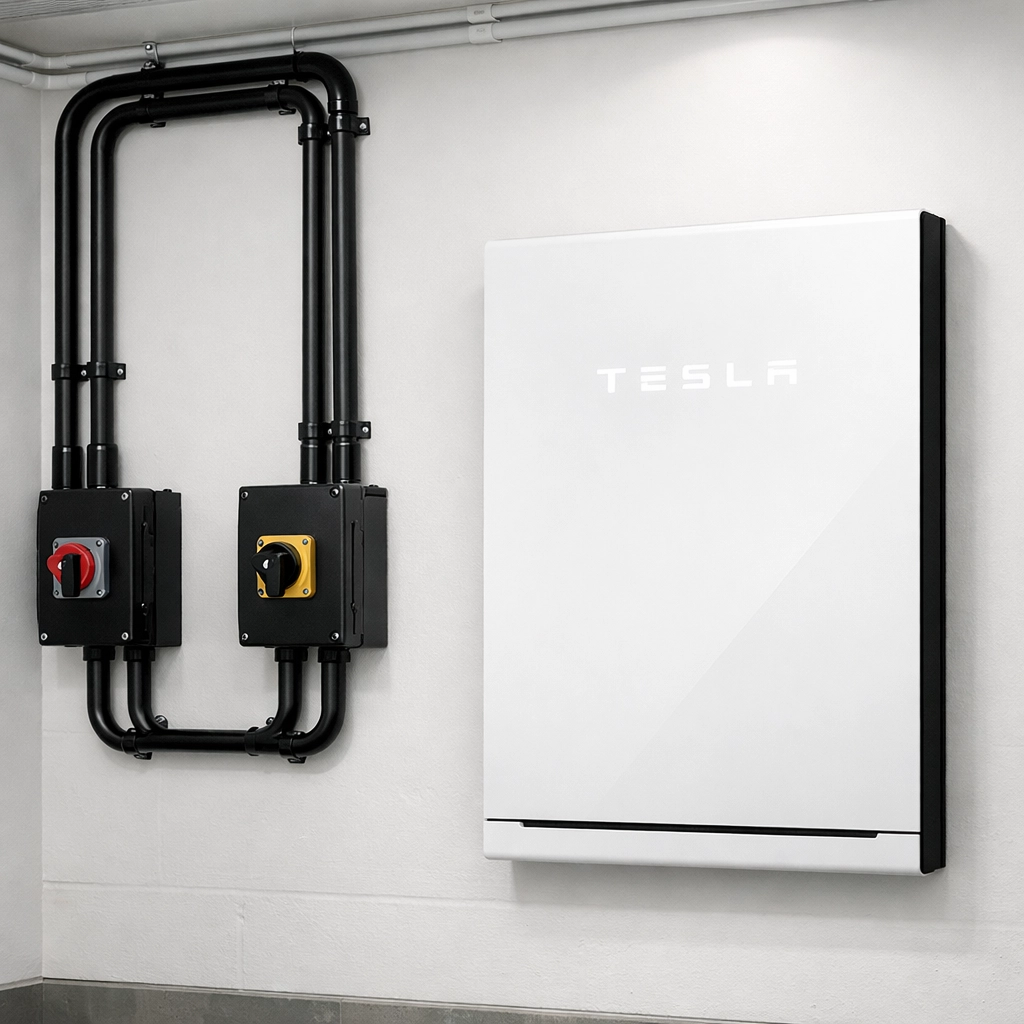
This is where things get technical and potentially dangerous. Solar panels generate DC (Direct Current) electricity, which is converted to AC (Alternating Current) by your inverter.
Cowboy installers often use standard AC electrical components in parts of the system where specialised DC-rated components are required. DC electricity is much more prone to "arcing": where electricity jumps through the air: which is a leading cause of solar-related fires.
Watch out for:
- Loose connections: If cables are left dangling or aren't secured in proper conduit, they will degrade over time.
- Inadequate ventilation: Inverters get hot. If an installer tucks your inverter into a tiny, unventilated cupboard without the required 30cm clearance, its lifespan will be halved.
- Poor Cable Management: Cables should never touch the roof tiles directly; they should be clipped securely to the rail system.
5. "One Size Fits All" Equipment
In 2026, the market is flooded with generic, "no-name" solar panels and batteries. While the price tag might look tempting, these components rarely last the 25 years they promise.
At DES Renewable Energy, we only install Tier-1 equipment. Why? Because if a company like Tesla or GivEnergy is around to honour a 10 or 15-year warranty, you have peace of mind. If "CheapSolarBrand X" disappears in two years, your warranty disappears with them.
When choosing between top-tier tech, it's worth doing your homework. For example, check out our comparison of the Tesla Powerwall 3 vs GivEnergy All-in-One to see which fits your specific energy needs.
6. The "Fit and Forget" Mentality
A huge mistake homeowners make is choosing an installer who offers no aftercare. Solar panels are generally low maintenance, but they aren't no maintenance.
Cowboy installers are "van-and-a-ladder" operations. Once the panels are on and the cheque has cleared, they’re onto the next job, and you’ll never hear from them again. If a fault develops in year three, you’ll be left calling around trying to find someone to fix another person's mess: which most reputable firms are hesitant to do.
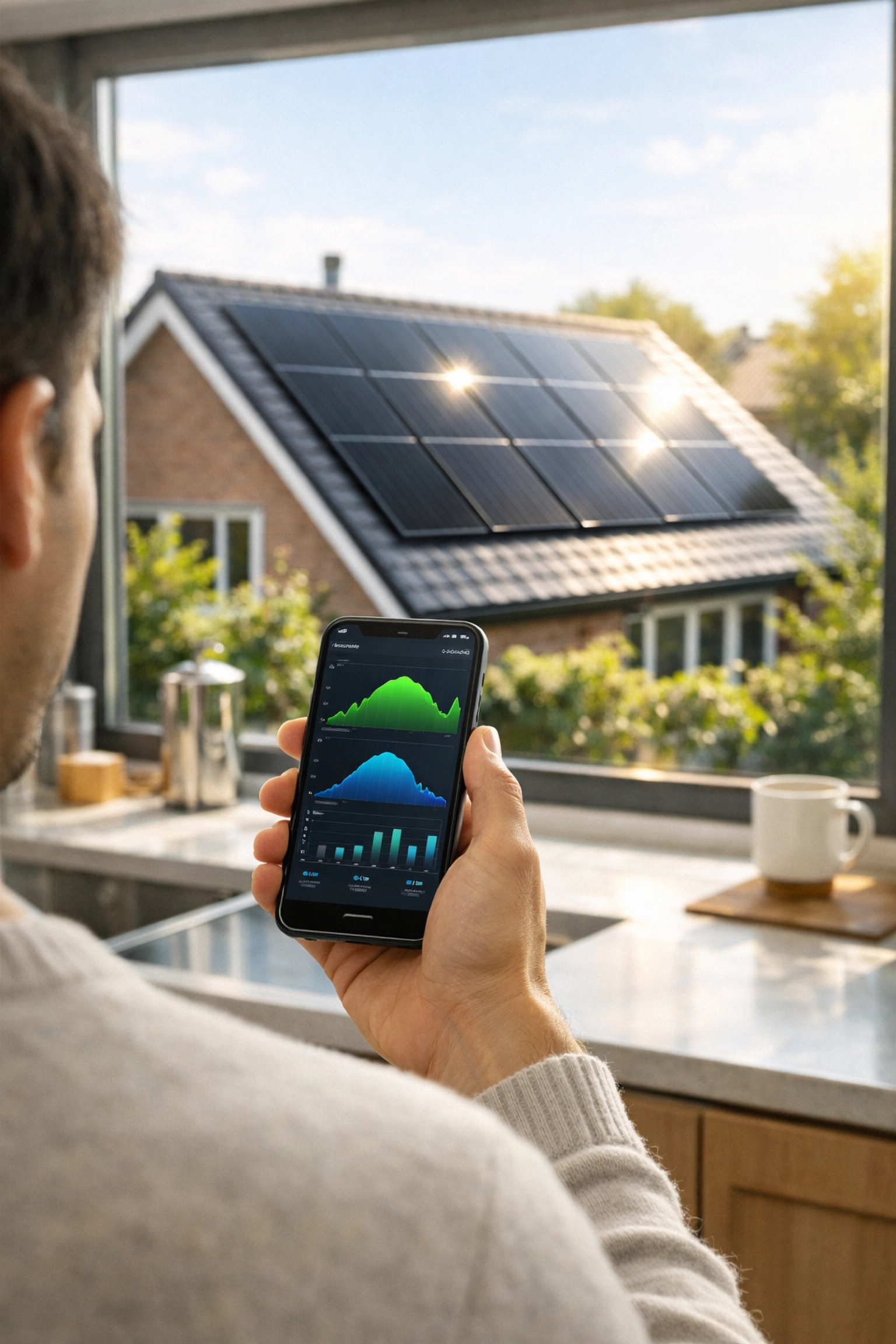
Quality installers provide monitoring apps (like the SolarEdge or Tesla apps) and offer long-term support. You can read our ultimate guide to solar aftercare to see what a professional maintenance schedule should actually look like.
7. Lack of Local Knowledge
If you’re looking for solar panels in Hampshire or Dorset, you need an installer who understands the local environment. Coastal homes in Poole or Bournemouth, for instance, deal with salt spray and higher wind loads.
A cowboy installer from 200 miles away won't use the correct mounting hardware for coastal conditions, leading to corrosion and "wind lift" (where panels are literally ripped off the roof during a storm). Always choose a partner who knows the local geography and building styles.
How to Protect Yourself: The 5-Point Checklist
Before you sign any contract, run through this quick checklist:
- Check the Accreditations: Are they MCS and NAPIT registered? Can they provide their membership numbers?
- Request a Site Survey: Will a technical surveyor visit your home, or are they relying on satellites?
- Ask About the Equipment: Are they using Tier-1 brands? Ask for the specific data sheets for the panels and inverters.
- Read the Reviews: Look for long-term reviews. Anyone can look good on day one; how do they handle problems in year two?
- Get a Detailed ROI Estimate: A pro will provide a realistic breakdown of your savings and payback period. If it looks too good to be true, it probably is.
Final Thoughts
Solar energy is one of the best investments you can make for your home in 2026. It adds value to your property, slashes your bills, and helps the planet. But like any major home improvement, the quality of the installation is just as important as the quality of the product.
Don't let a "solar cowboy" turn your green dream into a nightmare. Whether you are looking for a business solar solution in Poole or a residential battery upgrade, take your time, ask the hard questions, and choose a partner who is here for the long haul.
Ready to do solar the right way?
At DES Renewable Energy, we pride ourselves on technical excellence and transparent advice. If you’re based in the South of England and want a system that actually delivers what it promises, get in touch with our team today for a no-obligation, professional site survey. Let’s build something that lasts.