


Did you catch the news this morning? If you’ve been scrolling through your feed lately, you’ve likely seen the headlines: fresh tensions in the Middle East, fluctuations in oil exports, and the inevitable "market jitters" that follow. For most of us, these events feel worlds away. But then the monthly energy statement lands in your inbox, and suddenly, those global headlines feel very local, and very expensive.
It’s a frustrating cycle, isn't it? One week it’s a geopolitical standoff, the next it’s a supply chain hiccup, and every time, your bank account takes the hit. In 2026, the era of "cheap, stable energy" feels like a distant memory. With Cornwall Insight recently projecting a significant rise in the price cap and the average household bill hovering around the £1,973 mark (or higher, depending on the season), energy security has moved from a "nice-to-have" to a modern necessity.
But here is the good news: you don't have to be a victim of the global market. You can build a "buffer" around your home that keeps your lights on and your costs down, regardless of what’s happening on the world stage.
At DES Renewable Energy Ltd, we’ve helped hundreds of homeowners across Dorset and Hampshire take back control. Here are the five definitive steps to protecting your home from global energy shocks while slashing your bills for good.
Step 1: Bridge the Knowledge Gap (Why Your Bill is Linked to Global News)
Before you can fix the problem, you need to understand why it’s happening. Why does a conflict thousands of miles away affect the cost of boiling your kettle in Bournemouth?
The UK’s energy grid is still heavily reliant on natural gas, both for heating and for generating electricity. Because gas is a globally traded commodity, its price is dictated by supply and demand on a massive scale. When there is instability in major oil and gas producing regions, like the Middle East, the "risk premium" goes up. Even if we aren't buying the gas directly from those specific spots, the global price rises, and our UK suppliers pass those costs straight to you.
And that’s OK, you don’t need to be an economist to see the pattern. The key takeaway is that grid reliance equals vulnerability. As long as you are 100% dependent on the national grid, your monthly outgoings are tied to events you cannot control. Energy independence isn't just about saving money; it's about peace of mind.
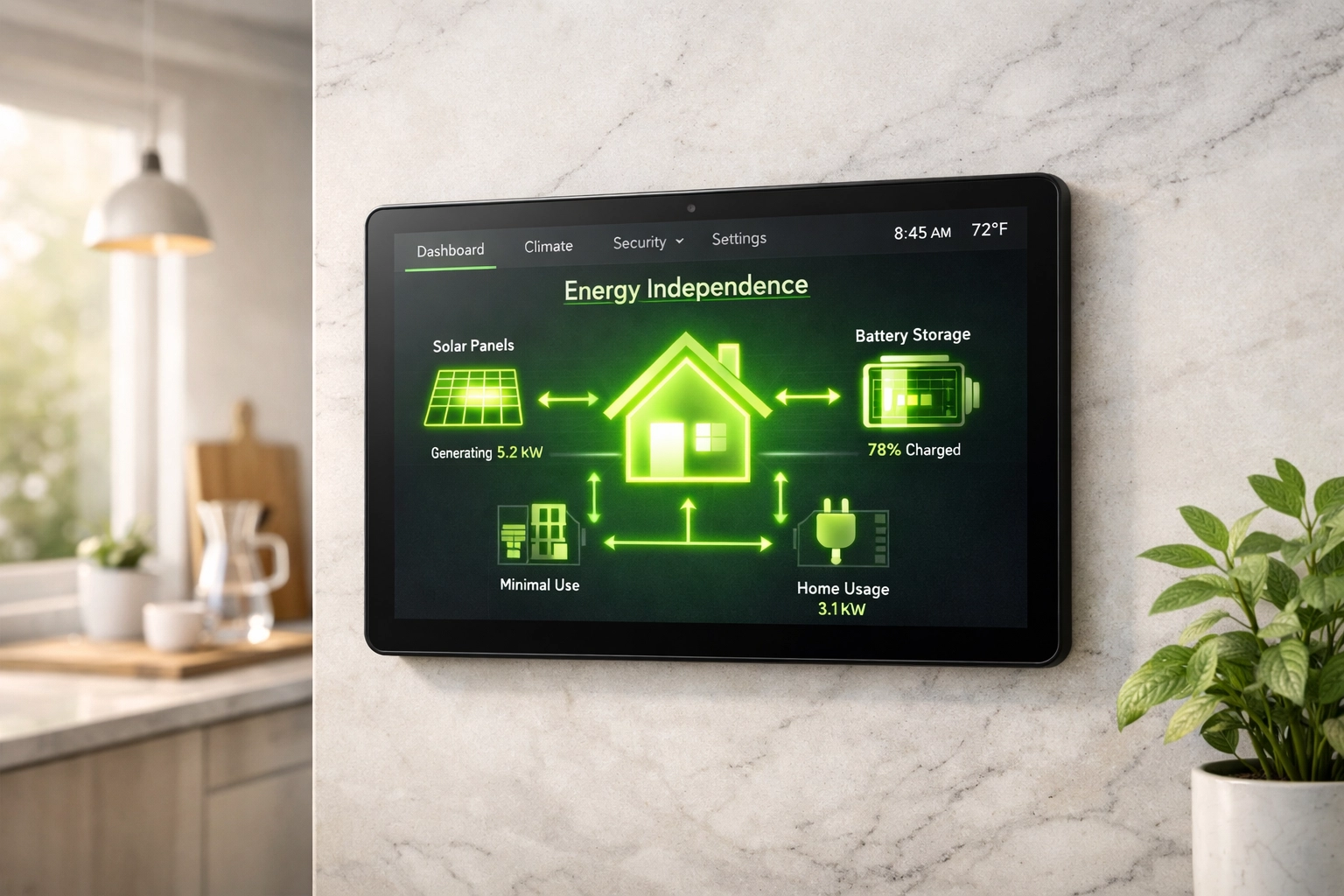
Caption: A professional digital display showing real-time solar energy generation and grid independence levels.
Step 2: Seal the "Energy Leaks" in Your Home
You wouldn't try to fill a bucket with a hole in the bottom, right? The same logic applies to your home. Before you invest in high-tech generation, you need to make sure you aren't literally throwing heat (and money) out of the window.
Research shows that simple upgrades can have a massive impact:
- Air Sealing: A 1/8-inch gap around a door might look small, but it’s the equivalent of drilling a 5-inch hole through your wall. Using weatherstripping or caulk can prevent your expensive heat from escaping.
- Insulation: Upgrading your attic or wall insulation can save you roughly 15% on heating and cooling costs. It’s the "blanket" that keeps your home at a stable temperature.
- Smart Thermostats: These clever devices can reduce bills by 8–15% annually by learning your schedule and ensuring you aren't heating an empty house.
By tightening up your home’s efficiency, you reduce the total amount of energy you need to buy or generate in the first place. If you're wondering how to start, check out our guide on how South England homeowners are cutting bills in 2026.
Step 3: Turn Your Roof into a Personal Power Station
If Step 2 is about using less, Step 3 is about making your own. Solar PV (photovoltaic) panels are the ultimate shield against global energy volatility. Every kilowatt-hour (kWh) you generate on your roof is a kWh you don't have to buy from a supplier at an inflated rate.
In the South of England, from Poole to Portsmouth, we are lucky to have some of the best solar yields in the UK. Even on typical overcast British days, modern panels are incredibly efficient at capturing daylight.
However, we understand that choosing an installer can feel daunting. There are plenty of "cowboys" out there making big promises. To protect yourself, always look for MCS and NAPIT certifications. These aren't just badges; they are your guarantee that the system is safe and your warranty is valid. You can read more about why these certifications matter here.
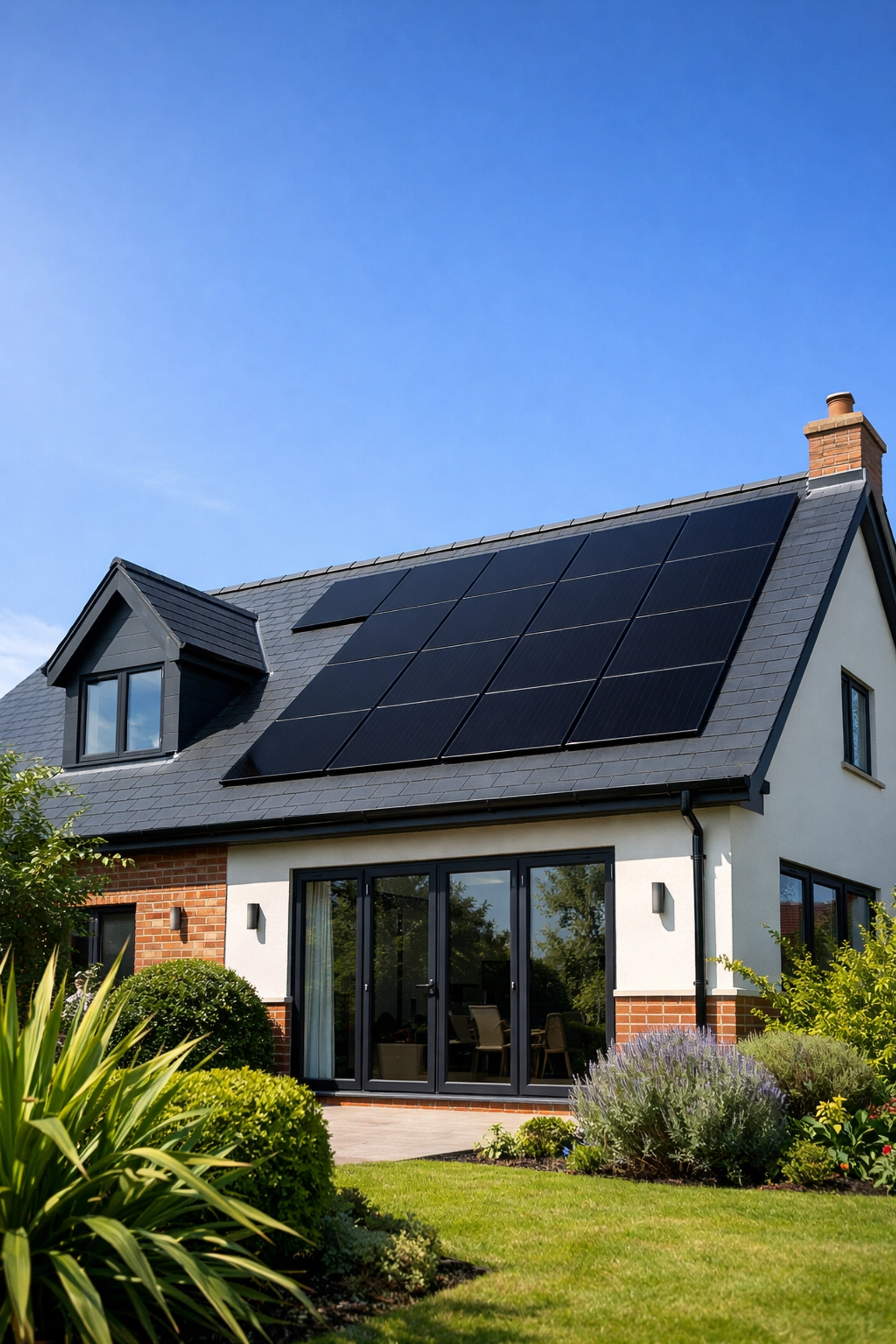
Caption: A sleek, modern solar panel installation on a residential home, designed for maximum efficiency and aesthetic appeal.
Step 4: Beat the Grid with Smart Battery Storage
Solar panels are great, but they have one "flaw": they only produce power when the sun is up. Most of us use the bulk of our energy in the evening, cooking dinner, running the dishwasher, or watching TV. Without a battery, that free solar energy gets sent back to the grid for a measly export rate, and you end up buying expensive electricity back a few hours later.
Battery storage changes everything. It allows you to store your excess daytime energy and use it when the grid prices are at their peak.
In 2026, we primarily see two heavyweights leading the market: Tesla and GivEnergy. Both offer incredible tech, but they suit different needs. For example, the Tesla Powerwall 3 is known for its massive power output and seamless "backup" mode, which keeps your house running even during a grid blackout. On the other hand, GivEnergy offers highly scalable solutions that are often more budget-friendly for smaller homes.
Quick Comparison: Tesla vs. GivEnergy
| Feature | Tesla Powerwall 3 | GivEnergy All-In-One |
|---|---|---|
| Usable Capacity | 13.5 kWh | 13.5 kWh (Scalable) |
| Peak Power Output | Up to 11.5 kW | Approx. 7.2 kW |
| Warranty | 10 Years | 12 Years |
| Best For | High-demand homes & backup | Scalability & UK-based support |
Not sure which one fits your Poole or Bournemouth home? We’ve put together a detailed breakdown of the Tesla Powerwall vs. GivEnergy to help you decide.
Step 5: Commit to Long-Term Energy Aftercare
Installing solar and batteries isn't a "set it and forget it" situation if you want to maximise your ROI (Return on Investment). To stay protected from energy shocks over the next 25 years, you need to ensure your system is performing at its peak.
Minor issues, like a build-up of grime on the panels or a firmware update needed for your inverter, can quietly sap your savings over time. Think of it like a car; you wouldn't drive a high-end vehicle for five years without a service, would you?
We recommend a regular aftercare schedule to ensure your system continues to wipe out your bills. You can find our ultimate guide to solar aftercare here, which explains exactly how to keep your tech running perfectly for decades.
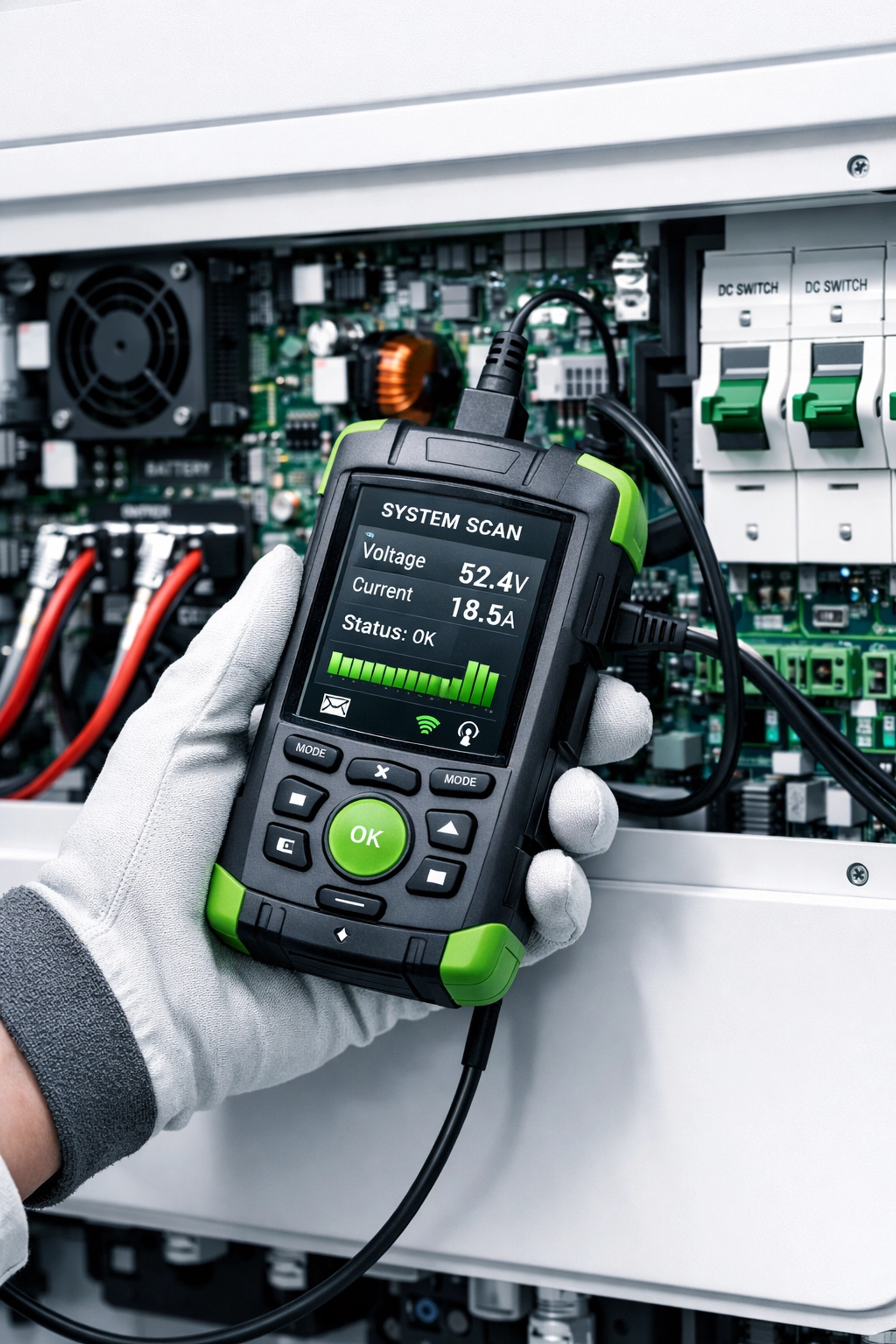
Caption: A professional technician performing a routine maintenance check on a residential solar inverter system.
Why Now? The Urgency of 2026
We often talk to homeowners who say, "I'll wait another year for the technology to get even better." But here is the reality: the tech is already world-class, and every month you wait is another month you are exposed to the whims of global oil and gas markets.
With the IEA (International Energy Agency) warning of continued market tightness and the potential for a £332 increase in annual bills for those on standard tariffs, the "cost of waiting" is higher than ever. By acting now, you aren't just "buying solar panels": you are buying an insurance policy against a volatile world.
Whether you are looking for solar panels in Hampshire or trying to understand the ROI for your business in Poole, the path to independence is the same. It starts with a conversation.
Take Control of Your Energy Future
At DES Renewable Energy Ltd, we don’t believe in high-pressure sales. We believe in education. Between you and our team, we can design a system that fits your home, your budget, and your goals for the future.
Ready to stop worrying about the news and start enjoying lower bills? Contact us today to discuss your needs. We’ll guide you through the process, from the first site survey to the moment you flip the switch on your brand-new personal power station.
Caption: A modern home interior with a smart tablet showing the house is running 100% on self-generated solar energy.