


Have you noticed more electric vehicles (EVs) silently gliding through your neighbourhood lately? You aren't imagining it. The shift to electric transport is happening fast. But there is a silent partner in this revolution that is making headlines for all the right reasons: solar-integrated EV charging.
If you own an EV or are thinking about making the switch, you’ve probably felt that pinch at the charging station or seen your home electricity bill tick upwards. With the energy market remaining volatile, impacted by global events like the Middle East conflict and shifting Ofgem price caps, relying solely on the grid can feel like a gamble.
In fact, with Cornwall Insight forecasts suggesting energy bills will remain significantly higher than pre-2021 levels, the dream of "free" motoring is what’s driving homeowners toward solar. We are talking about taking the energy from the sun, storing it in your home, and dumping it straight into your car’s battery.
It sounds like science fiction, doesn't it? It isn't. It’s smart engineering, and it’s something we specialise in here at DES Renewable Energy Ltd.
What Exactly Is Solar-Integrated EV Charging?
Let’s keep it simple. Usually, when you plug in your car at home, you pull power from the National Grid. You pay whatever the current rate is per kilowatt-hour (kWh).
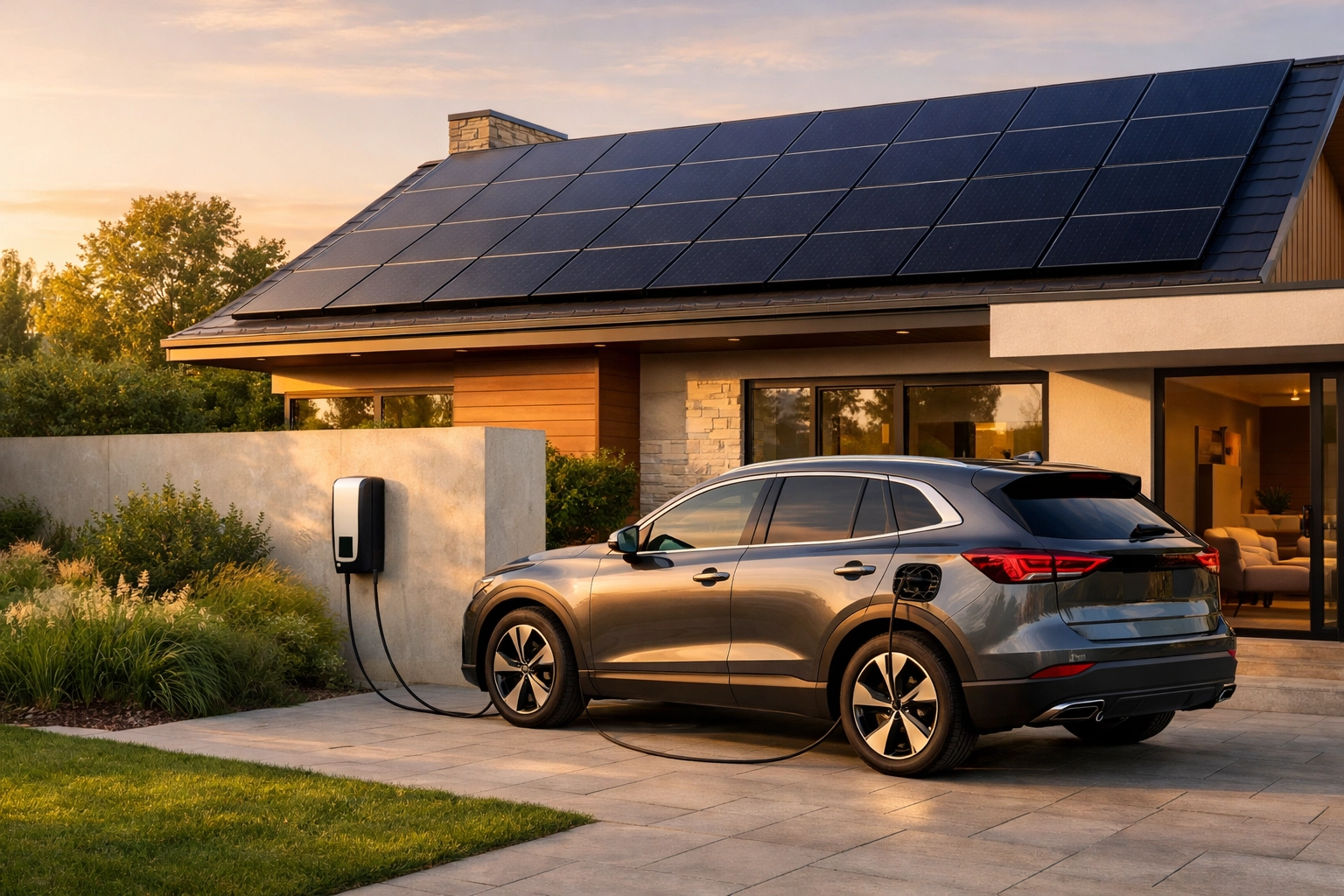
Solar-integrated charging changes the flow. Your solar panels capture sunlight and turn it into DC electricity. An inverter then converts this into AC electricity to power your kettle, your TV, and, you guessed it, your car.
But there’s a catch. The sun doesn't always shine when you’re parked in the driveway. This is where "smart" integration comes in. A smart system monitors how much solar power you are generating and how much your house is using. If there is a surplus, it directs that "free" energy into your EV instead of sending it back to the grid.
Why the Buzz? The Big Benefits
You might be wondering if the investment is worth it. Let’s look at the numbers. Charging an EV from the grid might cost you around £15–£20 for a full charge, depending on your battery size and tariff. Over a year, that adds up.
By using solar-integrated charging, you can drop your "fuel" costs to nearly zero during the summer months. Research shows that timing your charging with peak solar production can cut costs by as much as 66% compared to standard grid rates.
And then there’s the environmental side. EVs are great, but if you’re charging them with electricity generated from gas or coal, you’re still part of the carbon loop. Solar-integrated charging is the only way to ensure your driving is truly emission-free. You can read more about reducing your carbon footprint here.
The Missing Link: Why You Need Battery Storage
Here is a common scenario: You go to work in the morning, the sun comes out at noon and soaks your roof in energy, but your car is sitting in the office car park. By the time you get home, the sun is setting.
How do you use that midday sun to charge your car at night? Battery storage.
Systems like the Tesla Powerwall 3 or the GivEnergy All-In-One act as a buffer. They catch the sun while you’re away and hold onto it until you plug your car in. Without a battery, you’re often "dumping" your best solar energy back to the grid for a few pence, only to buy it back later at a premium.
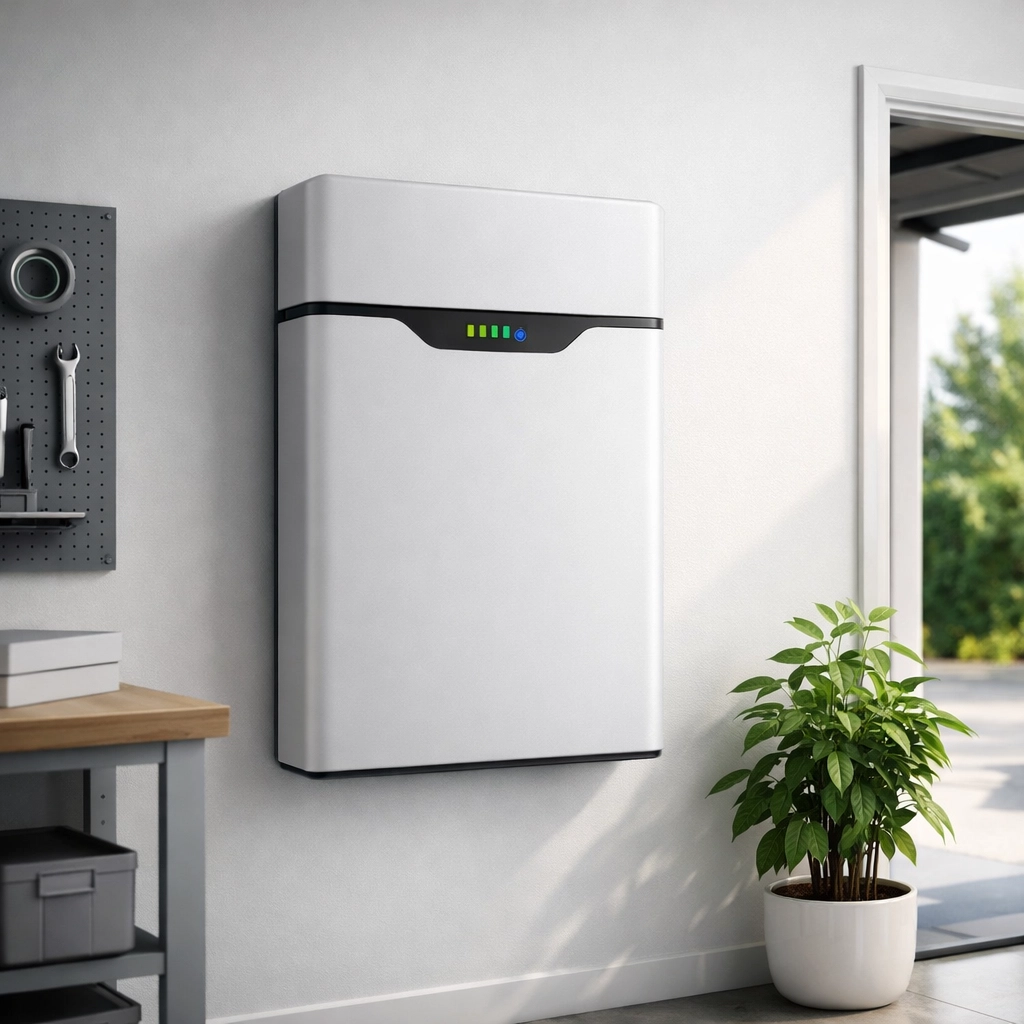
Tesla Powerwall 3 vs. GivEnergy All-In-One
If you’re looking for the best of the best, these are the two names you’ll hear most. As a Tesla Powerwall Certified installer, we see the benefits of both every day.
Tesla is the "gold standard" for integration, especially if you already drive a Tesla. The ecosystem is seamless. However, GivEnergy offers incredible value and a UK-based support team that many our customers love.
Here’s a quick breakdown to help you compare:
| Feature | Tesla Powerwall 3 | GivEnergy All-In-One |
|---|---|---|
| Usable Capacity | 13.5 kWh | 13.5 kWh |
| Max Discharge Rate | 11.5 kW (Continuous) | 7.2 kW |
| Warranty | 10 Years | 12 Years |
| Solar Inverter | Integrated (6-20 kW) | Integrated (6 kW) |
| Gateway Included? | Yes (Backup Gateway 2) | Yes (Giv-Gateway) |
| Best For | High power demands & Tesla owners | Value-conscious UK homeowners |
Both systems allow for "Solar Diversion." This means they can talk to your EV charger and say, "Hey, we have 3kW of extra solar power right now: send it to the car!"
SolarEdge: The Brains of the Operation
We can’t talk about solar-integrated charging without mentioning SolarEdge. While Tesla and GivEnergy handle the storage, SolarEdge often handles the conversion.
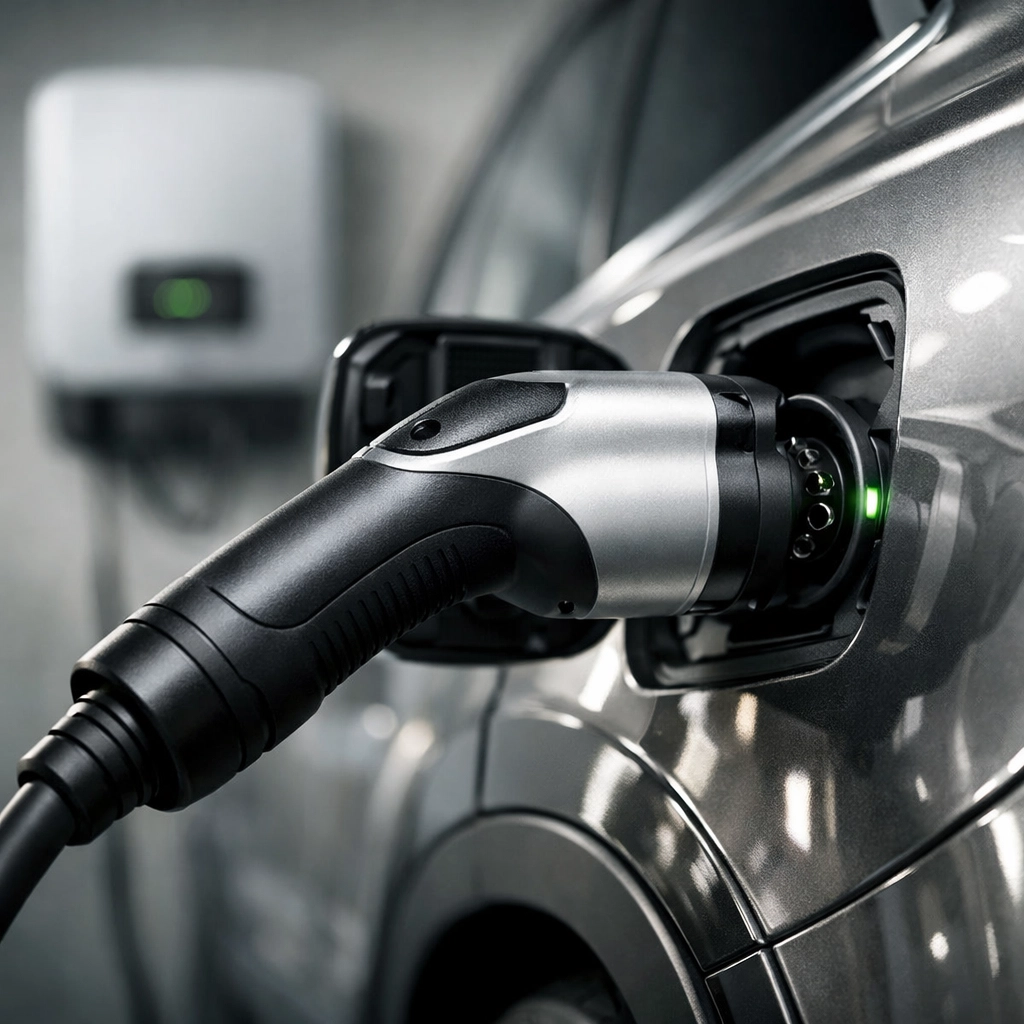
SolarEdge offers a 2-in-1 EV Charger and Solar Inverter. Why does this matter? Because it simplifies everything. Usually, you’d have a solar inverter and a separate EV charger on the wall. SolarEdge puts them in one box.
It also features "Solar Boost mode." This uses both the grid and the sun simultaneously to charge your car up to 2.5x faster than a standard charger. It’s clever, efficient, and looks great on your garage wall. You can learn more about how these systems work here.
The "Smart" in Smart Charging
You’ll often hear the term "Smart Charging." It’s not just a marketing buzzword. It refers to chargers that can connect to the internet and adjust their behaviour based on data.
As an Octopus Trusted Partner, we often recommend pairing your solar-integrated system with a smart tariff like Intelligent Octopus Go. These tariffs give you super-cheap electricity at night (often around 7p/kWh).
A smart system will:
- Charge your car using free solar during the day.
- If the car isn't full, it will top it up using cheap off-peak grid power at 2 AM.
- It avoids charging during the "peak" evening hours (4 PM – 7 PM) when electricity is most expensive and the grid is under strain.
This level of energy independence protects you from the £1,973 average annual bills that have become the new normal.
Is My House Suitable?
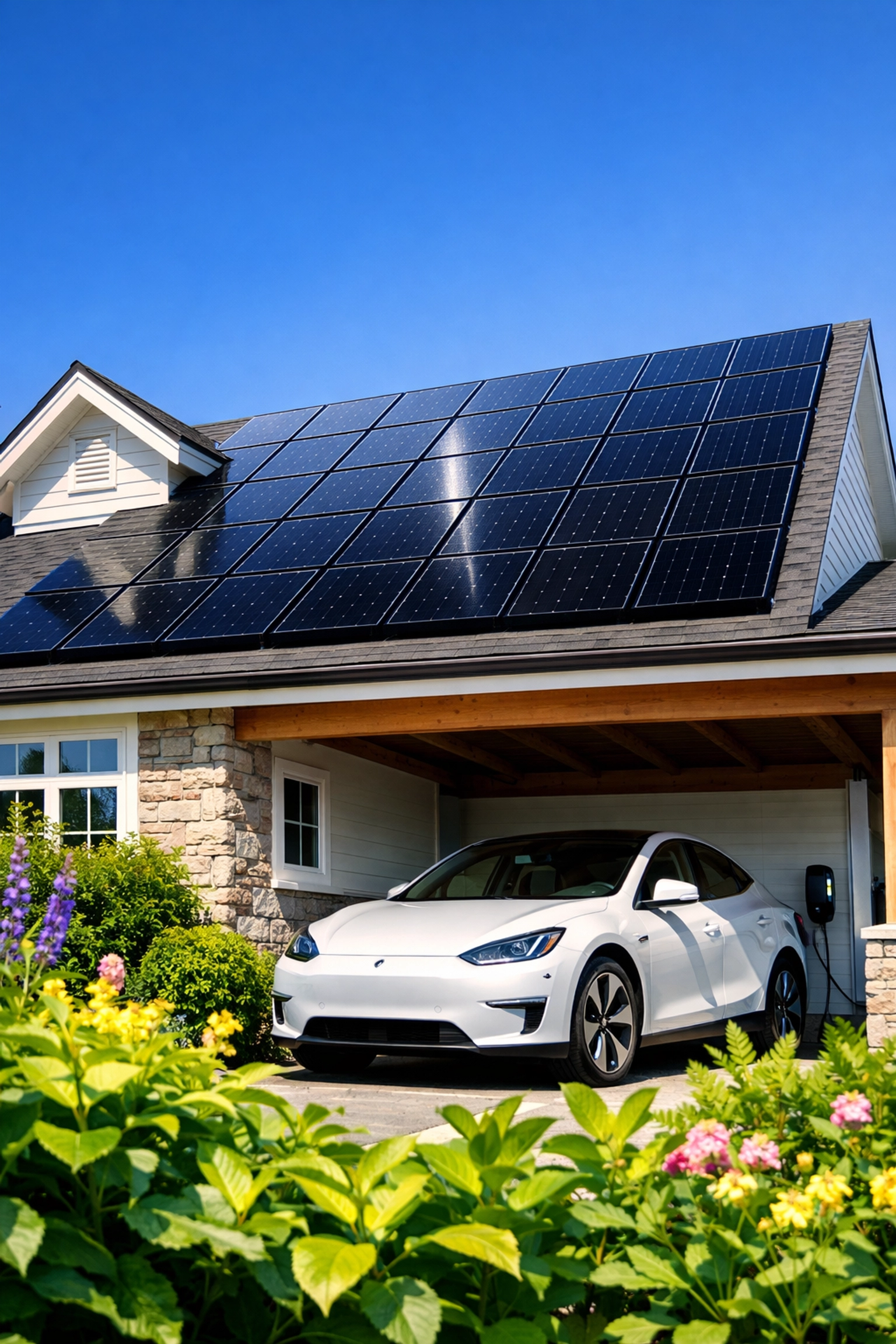
We understand if you’re scratching your head thinking, "But my roof faces West," or "I don't have a driveway." And that's OK. Most homes in the UK can benefit from some level of solar integration.
Even if you can’t cover 100% of your charging needs with solar, covering even 30-40% makes a massive difference to your long-term investment return.
When we visit your home, we don't just look at your roof. We look at your car’s battery size, your daily mileage, and your household energy habits. We’re not here to sell you a one-size-fits-all kit; we’re here to design a system that works for you.
Why Certification Matters (The Boring but Important Bit)
Installing solar panels and high-voltage batteries isn't a DIY job for a Sunday afternoon. To ensure your warranties stay valid and your house stays safe, you must use installers with the right badges.
We pride ourselves on being MCS and NAPIT certified. These certifications aren't just pieces of paper; they are your guarantee that the work meets strict national standards. If you use an uncertified installer, you might find your insurance is void or you can't sell your home later down the line. Don't take that risk.
Taking the Next Step
The world of renewable energy moves fast. Between 2024 and 2026, we’ve seen technology leaps that make solar-integrated EV charging more accessible than ever.
You don't need to be a technical expert to enjoy the benefits. You just need a partner who knows the ropes. Whether you are in Dorset, Hampshire, or anywhere in the South of England, we are here to help.
Between you and our team, we can figure out exactly how much you could save. Imagine waking up every morning with a full car battery, knowing it was filled by the sun while you slept. That's the reality of solar-integrated charging.
Ready to stop paying the grid and start powering your journey?
Contact us today for a casual chat about your home’s potential. We’ll guide you through the Tesla vs. GivEnergy debate and find the perfect fit for your driveway.