


If you have looked at your commercial energy bills lately, you probably felt a bit of a sting. You aren't alone. As we move through March 2026, the energy landscape remains as unpredictable as ever. Between ongoing geopolitical tensions in the Middle East impacting global supply chains and the latest Cornwall Insight forecasts suggesting that energy price caps are remaining stubbornly high: with the average business bill often feeling like a moving target: it’s no wonder you’re looking for a way out.
But what if you could stop "buying" electricity and start "owning" your power? That is the fundamental shift offered by business solar power. It isn't just about being "green"; it’s about taking a variable, volatile overhead and turning it into a fixed, predictable asset.
In this guide, we’re going to walk you through exactly how solar transforms your running costs, the honest pros and cons you need to weigh up, and why your Return on Investment (ROI) might be closer than you think.
The Problem: The "Variable Cost" Trap
Running a business in the UK means dealing with costs you can't control. Rent goes up, wages rise, and materials fluctuate. But energy is often the most frustrating because it’s so volatile. When global events cause wholesale prices to spike, your bottom line takes the hit.
Traditional utility markets are driven by infrastructure upgrades and national demand. This means you are essentially at the mercy of the grid. If you’re managing a high-demand site: like a manufacturing plant in Poole or a retail hub in Bournemouth: these fluctuations can wipe out your quarterly margins.
How Solar Changes the Game
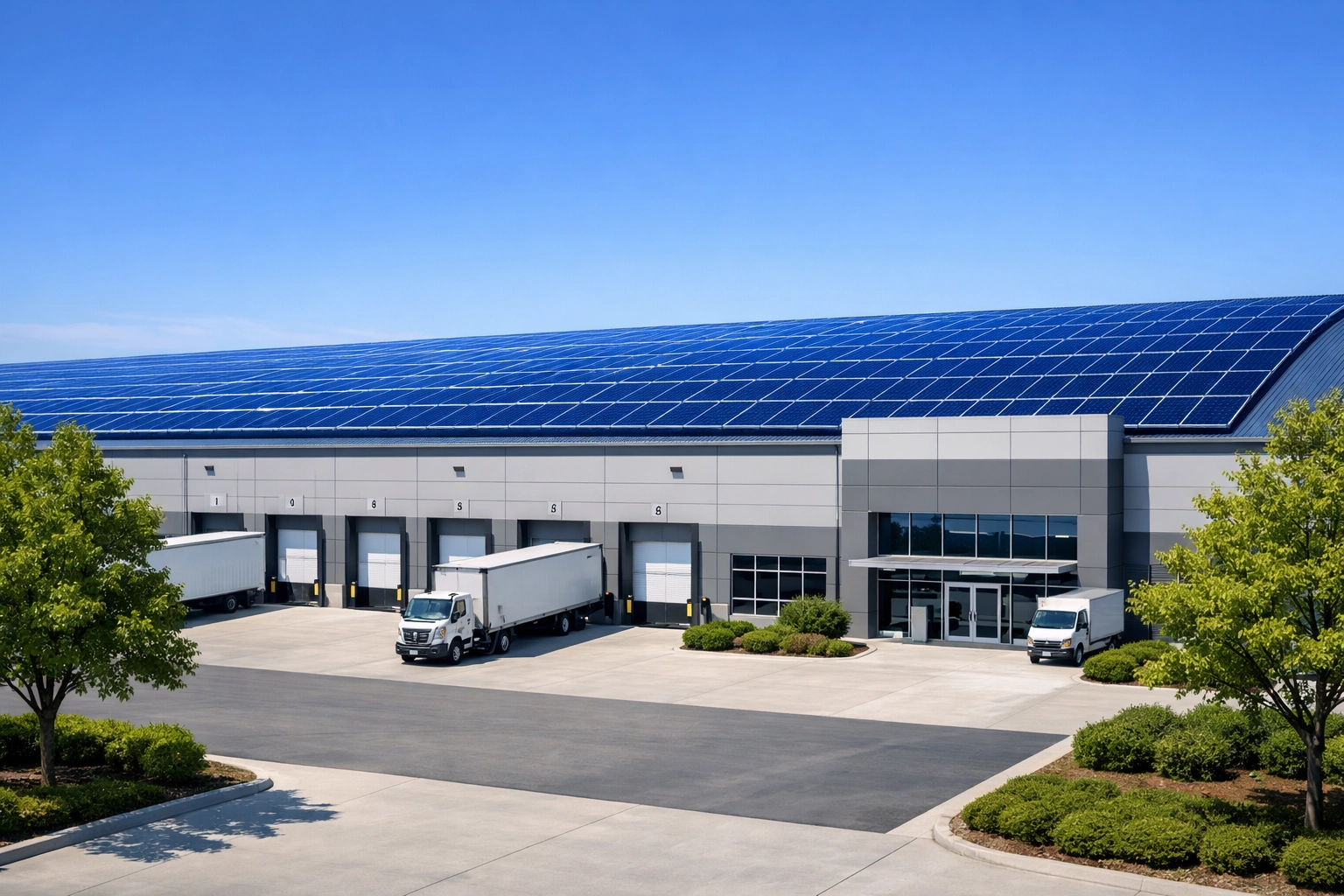
When you install a commercial solar system, you are effectively locking in your electricity rates for the next 25 years. Instead of paying a supplier a fluctuating rate per kWh, you generate that power on your own roof for a fixed upfront cost.
Most businesses we work with see an immediate reduction in monthly electricity bills of between 20% and 50%. And as grid prices inevitably rise over the next decade, the "value" of the energy you generate yourself actually increases. It’s one of the few investments where the returns get better as the external market gets worse.
Advantages and Disadvantages of Solar Power: The Honest Truth
We believe in transparency. While we love solar, it isn’t a "magic wand" that solves every problem instantly. It’s important to understand both sides of the coin before you commit.
The Advantages
- Cost Predictability: You’ll know exactly what your "generation cost" is for the next two decades.
- Tax Efficiency: In the UK, businesses can often take advantage of capital allowances. Whether it’s through Full Expensing or the Annual Investment Allowance (AIA), you can significantly reduce your tax liability by investing in solar.
- Energy Independence: You are less reliant on the National Grid. If there are supply issues or price surges, your business keeps running efficiently.
- Carbon Credentials: Your customers care about sustainability. Being able to show a reduced carbon footprint is a massive boost for your brand.
The Disadvantages (The Honest Part)
- Upfront Capital: Even with falling hardware prices, a commercial-grade system is a significant investment. We understand that seeing that initial quote can be a bit daunting: and that’s okay. It’s a long-term play, not a quick fix.
- Roof Suitability: Not every roof is perfect. If your roof is north-facing or heavily shaded, the efficiency will drop. We'll always be honest with you if your site isn't a good fit.
- Intermittency: The sun doesn't shine at night. For businesses with 24/7 operations, you’ll still need to rely on the grid or invest in battery storage solutions.
- Weather Dependence: While solar panels work in the UK (even on cloudy days!), their peak performance is seasonal. You have to budget for lower generation during the winter months.
If you’re just starting to explore these concepts, you might find our Business Solar Power 101 guide helpful to get your bearings.
Breaking Down the ROI: When Do You See the Money?
This is the question every Financial Director asks: "When do we break even?"
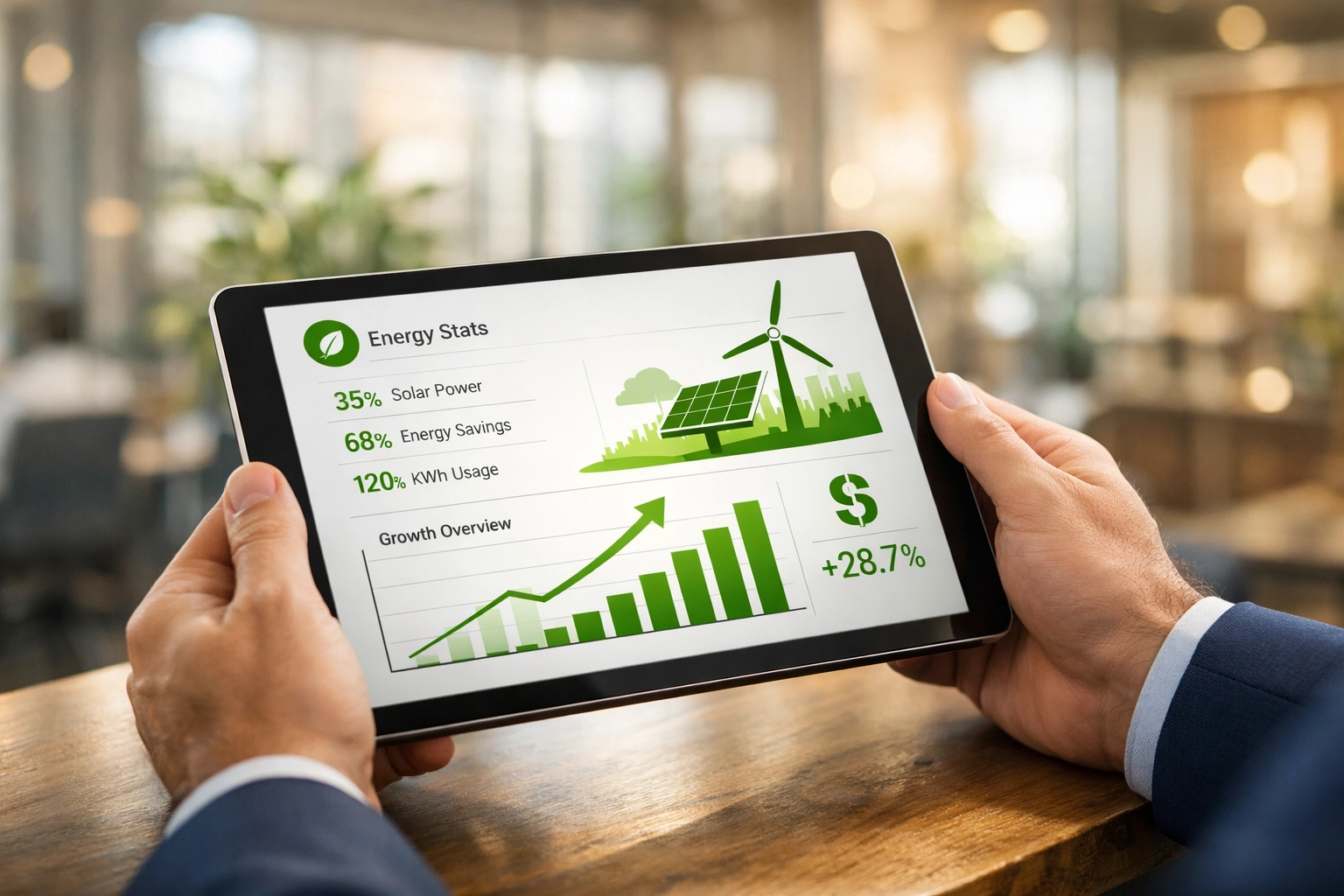
In the current 2026 market, most UK businesses are seeing a payback period of between 5 and 8 years. Given that a high-quality system is designed to last 25 to 30 years, that leaves you with roughly 20 years of essentially "free" electricity.
The Numbers
Let’s look at a hypothetical mid-sized business. If you spend £15,000 a year on electricity and install a system that offsets 40% of that usage, you’re saving £6,000 annually. Over 20 years, even if energy prices never rose (which they will), you’d be looking at £120,000 in savings.
When you factor in tax incentives like the ones we mentioned earlier, the effective cost of the system drops further. Many of our clients find that the system pays for itself far faster than they originally anticipated.
For a deeper dive into the specifics of local ROI, check out our Business Owner’s Guide to Solar ROI in Poole and Bournemouth.
Managing the System: Is It a Maintenance Headache?
We often hear from business owners who worry that solar panels will be another thing on their "to-fix" list. We understand the concern: you have enough to manage without worrying about your roof.
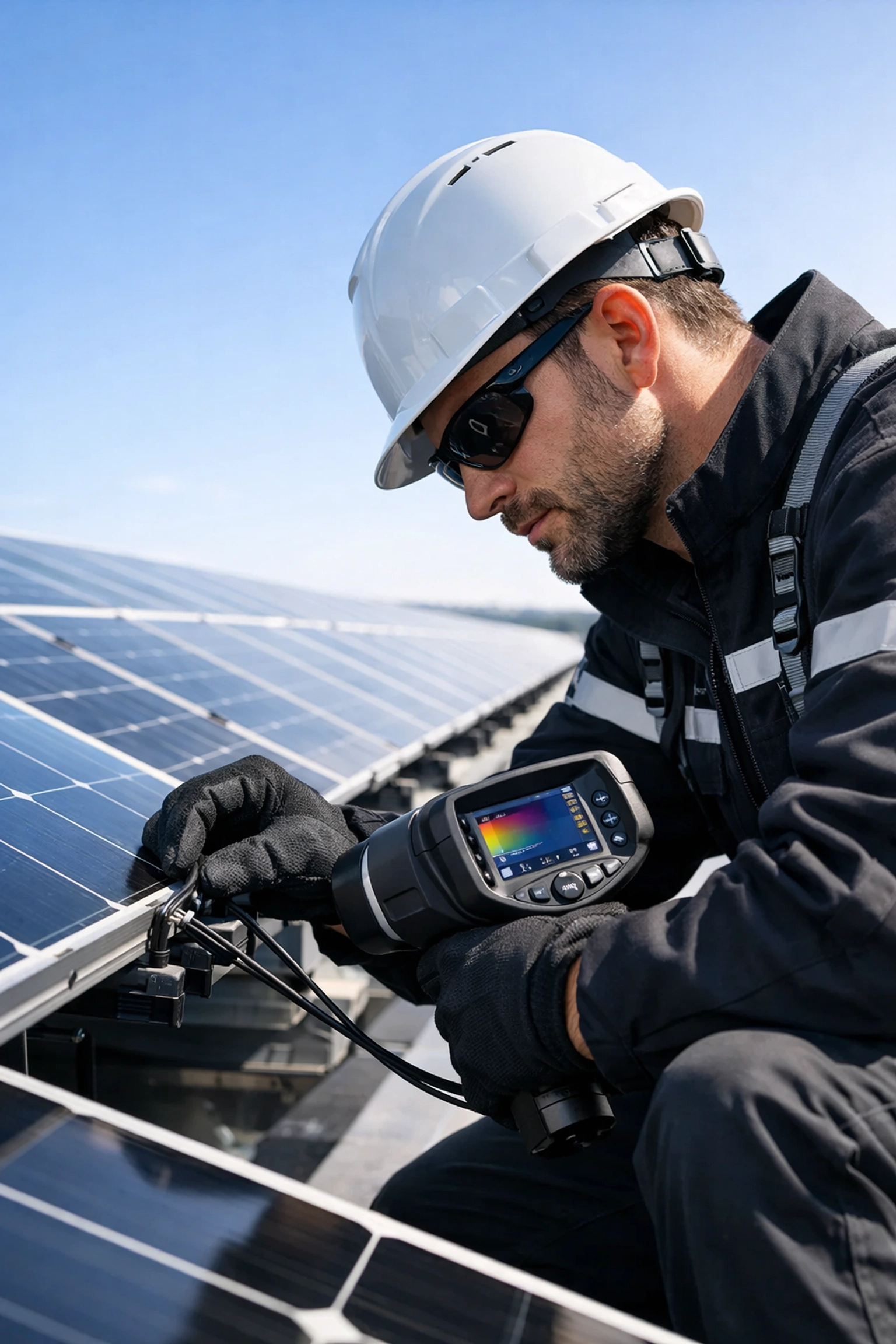
The good news? Solar PV is a solid-state technology. There are no moving parts to break. Beyond an annual check-up and the occasional cleaning to remove dust or bird droppings, they are remarkably low-maintenance.
As expert installers, we usually recommend a professional aftercare plan. This ensures your system is performing at its peak. If a single string of panels goes down due to a minor inverter issue, you could be losing money every day without realising it. Monitoring software (often accessible via a simple app on your phone) will alert you to any issues instantly.
You can learn more about keeping your system healthy in The Ultimate Guide to Solar Aftercare.
Why Certifications Like MCS and NAPIT Matter
If you are going to invest thousands of pounds into your infrastructure, you need to know the job is being done right. We’ve seen plenty of "cowboy" installers come and go, leaving businesses with warranties that aren't worth the paper they’re printed on.
To protect your investment and ensure you can access export tariffs (where you get paid for the extra energy you send back to the grid), your installer must be MCS certified. These certifications aren't just red tape; they are your guarantee of quality and safety.
If you’re currently vetting installers, we recommend reading our guide on Why your solar warranty depends on MCS and NAPIT certifications.
Is 2026 the Right Year for Your Business to Go Solar?
You might be thinking, "Should I wait for the technology to get even better?" It’s a fair question. But in the world of renewable energy, the "cost of waiting" usually outweighs the "gain of waiting."
Every month you spend paying full price for grid electricity is a month of ROI you’ve lost. With the current volatility in global markets: driven by those Middle East conflicts and shifting IEA recommendations: the value of energy independence has never been higher.
Business solar power isn't just a purchase; it's a strategic move to de-risk your company’s future. By taking control of your power generation, you’re not just saving money today; you’re building a more resilient business for tomorrow.
Next Steps for Your Business
If you’re wondering how much you could specifically save, or if your roof is suitable for a commercial array, we’d love to help. We can look at your current energy bills, assess your site, and provide a transparent breakdown of your potential ROI.
Contact us to discuss your needs and let’s see if we can help you wipe out those unpredictable energy bills for good. You can also take a look at our case studies to see how other businesses in the South of England have made the switch.