


If you’ve been walking along Bournemouth pier recently or driving through the streets of Poole and Christchurch, you might have noticed something changing. More and more of your neighbours are making the switch to solar energy.
And why wouldn't they? It’s Monday, 30th of March 2026, and the energy landscape has never felt more unpredictable. With global volatility, driven by ongoing conflicts in the Middle East, impacting gas prices, and the latest Cornwall Insight forecasts suggesting a projected £332 increase in annual costs for those on standard tariffs, the "wait and see" approach is becoming expensive. Currently, the average energy bill is hovering around £1,973, and for many Bournemouth families, that’s simply too much.
At DES Renewable Energy Ltd, we’ve spent years helping homeowners in Dorset, Hampshire, and Wiltshire take control of their power. But we know that "going solar" can feel like a massive leap. You probably have a dozen tabs open and a head full of questions.
Don't worry, that’s exactly why we’re here. Let’s break down the 10 essential things you need to know before installing solar panels in Bournemouth.
1. Bournemouth is a "Solar Goldmine"
You probably already know that we enjoy some of the best weather in the UK right here on the South Coast. But did you know that Bournemouth actually receives significantly more solar irradiance than cities further north?
This isn't just a "nice to have", it directly impacts your Return on Investment (ROI). Because we get more daylight hours and higher-intensity sun, your panels work harder and produce more kWh per year than the exact same system would in, say, Manchester.
Whether you are looking for solar panels in Bournemouth or searching for renewable energy installers in Poole, your geographical location is your biggest asset.
2. Your Roof Orientation Matters (But Shading Matters More)
Everyone thinks you must have a south-facing roof. While south is the "gold standard" for maximum generation, east-west splits are becoming incredibly popular for Bournemouth homeowners who are home during the day.
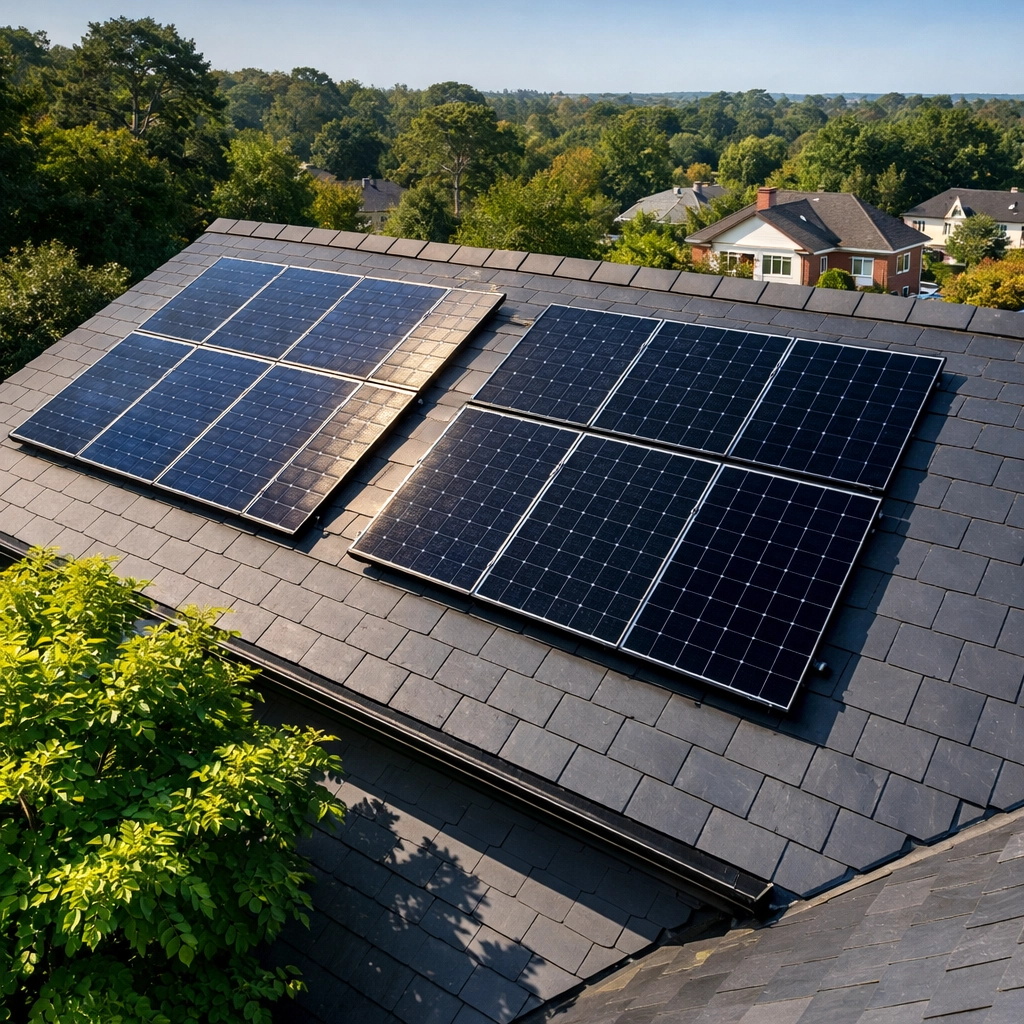
An east-west system captures the morning sun and the evening sun, providing a more consistent "bell curve" of energy throughout the day. However, what you really need to watch out for is shading. Even a small chimney or a beautiful oak tree in your Ferndown garden can significantly drop the output of a traditional "string" system.
3. Usage Patterns: How Do You Spend Your Power?
Before you buy a single panel, you need to look at your bills. Are you working from home in Christchurch? Do you charge an Electric Vehicle (EV) overnight?
Understanding your "baseload": the energy your house uses just to keep the fridge running and the lights on: is key. If you use most of your power in the evenings, a solar-only system might not be enough. You’ll likely need to pair those panels with a battery to store that Bournemouth sunshine for after the sun goes down.
4. The "Brain" of the System: Choosing Your Inverter
The panels get all the glory, but the inverter is the real hero. It converts the Direct Current (DC) from your roof into the Alternating Current (AC) your kettle and TV need.
In Bournemouth, we often recommend hybrid inverters, especially if you’re considering a battery later on. We also see a lot of interest in the Goodwe ESA system, which is an all-in-one solution that’s incredibly scalable. It’s perfect for families who might want to start small and grow their system as their needs change.
5. MCS and NAPIT: Why Certifications Are Non-Negotiable
This is the most important piece of advice we can give you: Always use an MCS-approved installer.
Why? Because without an MCS certificate, you cannot access the Smart Export Guarantee (SEG). This is the scheme that allows you to sell your excess energy back to the grid. Plus, most mortgage lenders and insurance companies now require these certifications as proof of a safe, professional install.
As a local, MCS-approved team, we’ve seen what happens when "cowboy" installers cut corners. You can read more about why your solar warranty depends on these certifications to make sure you're protected.
| Certification | What it Protects | Why it Matters for You |
|---|---|---|
| MCS | Installation Quality | Required for SEG payments and warranty |
| NAPIT | Electrical Safety | Ensures the wiring is up to UK building regs |
| RECC / HIES | Consumer Protection | Protects your deposit and provides insurance-backed guarantees |
6. Local Expertise Beats National "Value"
It’s tempting to go with a massive national company that advertises on TV. But does a call centre in another part of the country know the specific planning requirements for a conservation area in Bournemouth or the wind-loading needs for a coastal property in Poole?
Probably not. Local renewable energy installers in Bournemouth understand the local climate and the council's quirks. We live and work here, which means if you have a question six months after the install, we’re just a short drive away.
7. Battery Storage: Tesla vs. GivEnergy
In 2026, a solar system without a battery is like a car without a fuel tank. You’re generating great energy, but you're losing the most valuable parts of it back to the grid for pennies.
The two big players in the Bournemouth market are Tesla and GivEnergy.
- Tesla Powerwall 3: Known for its sleek design and massive power output.
- GivEnergy All-In-One: Often praised for its British-based support and excellent value.
If you’re torn between the two, check out our deep dive on Tesla Powerwall vs. GivEnergy to see which fits your specific home layout.
8. Planning Permission and the "Boring" Paperwork
Good news! For most residential homes in Bournemouth, solar panels fall under "Permitted Development." This means you don't usually need formal planning permission.
However, there are exceptions: especially if you live in a listed building or a designated conservation area. Also, your installer must handle the "G98" or "G99" application to the District Network Operator (DNO). This is essentially asking the grid for permission to connect your system. At DES Renewable Energy, we handle all this paperwork for you, so you don't have to worry about the red tape.
9. Solar for Business: The ROI is Faster Than Ever
If you own a business in Bournemouth or Poole, the argument for solar is even stronger. Commercial energy rates have been particularly volatile lately. By installing solar on your warehouse, office, or shop, you aren't just "going green": you're fixing your overhead costs for the next 25 years.
For a deeper look at the numbers, we’ve put together a business owner’s guide to solar ROI that explains how tax incentives and capital allowances can make the transition even more affordable.
10. Maintenance: Set It and Forget It? (Almost)
Solar PV is incredibly low-maintenance because there are no moving parts. However, "low maintenance" doesn't mean "no maintenance."
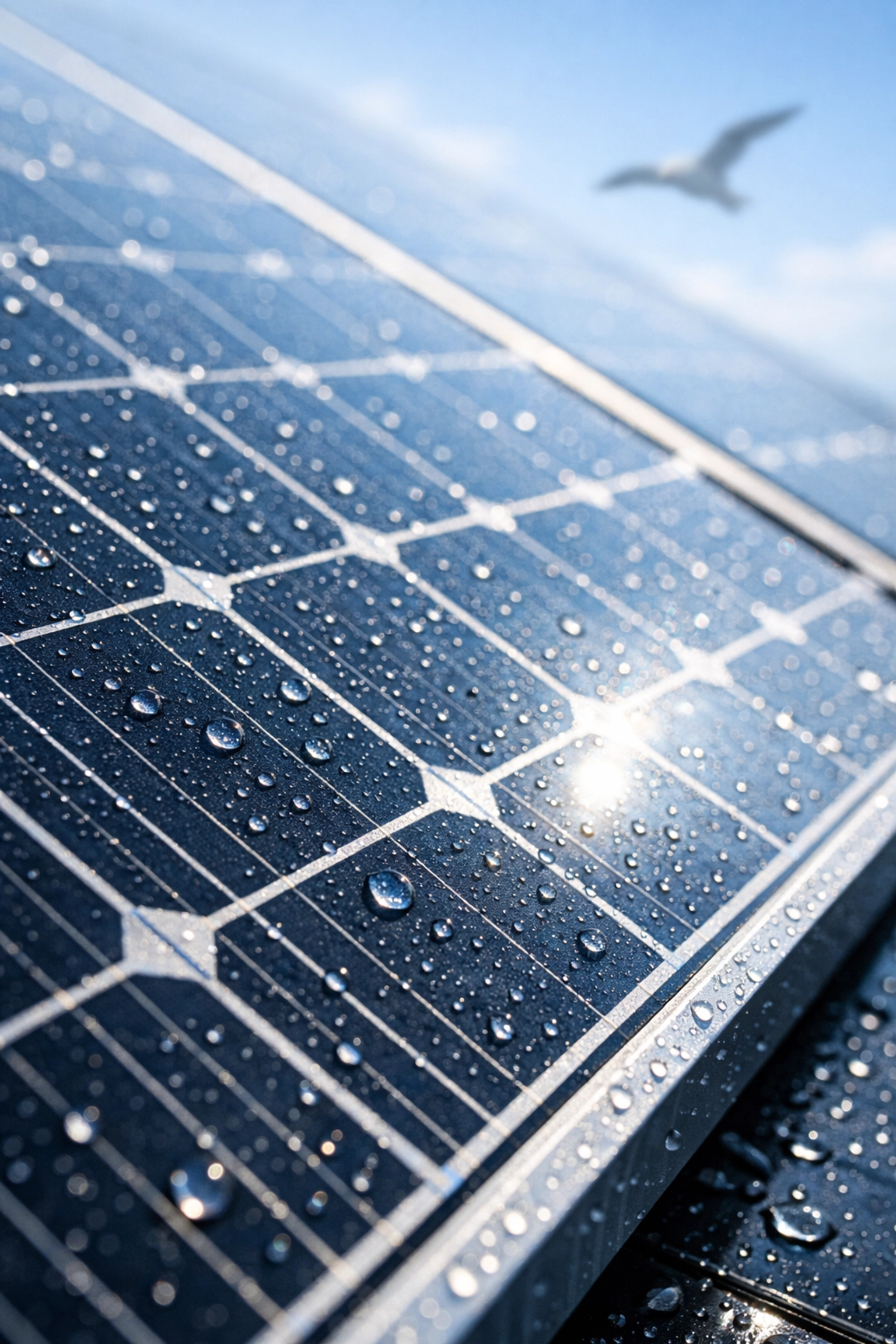
Living by the coast in Bournemouth means salt spray and seagull droppings can occasionally accumulate on your panels. A quick annual check-up ensures that your seals are intact and your inverter is running at peak efficiency. We recommend keeping an eye on your monitoring app once a week just to ensure everything is performing as expected. You can find more tips in our ultimate guide to solar aftercare.
Taking the Next Step in Bournemouth
The transition to renewable energy isn't just a trend; in 2026, it's a practical necessity for anyone looking to escape the cycle of rising energy prices. Whether you are in the heart of Bournemouth, the suburbs of Ferndown, or out towards the Hampshire border, the sun is waiting to power your home.
We understand that every home is different. Your roof, your budget, and your energy goals are unique to you. That’s why we don't do "cookie-cutter" quotes.
If you're ready to see how much you could save, or if you just want to chat through your options with a local expert who knows the BH postcode inside out, we’d love to help.
Contact the team at DES Renewable Energy Ltd today for a friendly, no-pressure consultation. Let’s make the most of that Bournemouth sunshine together.