


When you decide to invest in solar energy, you aren’t just buying glass panels for your roof; you are investing in a 25-year power plant for your home. In the UK, the solar market has seen a massive surge in demand, but with that growth comes a challenge: distinguishing between a professional installation and a "cowboy" job.
At DES Renewable Energy, we believe transparency is the foundation of trust. If you are currently browsing quotes, you’ve likely seen the acronyms MCS and NAPIT peppered across websites and brochures. But what do they actually mean for your home, your wallet, and your long-term peace of mind?
Before you sign a contract, here are the 10 essential things you need to know about these certifications and why they are the non-negotiables of the renewable energy world.
1. MCS is Your Ticket to Getting Paid (SEG)
The Microgeneration Certification Scheme (MCS) is an internationally recognised quality assurance mark, backed by the UK government. While it isn’t technically "illegal" to install solar panels without an MCS certificate, it is financially counter-productive.
To benefit from the Smart Export Guarantee (SEG): the scheme where energy suppliers pay you for the excess electricity you send back to the grid: your system must be MCS-certified. Without this certificate, you are essentially giving away your surplus green energy for free. For most UK homeowners, this can represent a loss of hundreds of pounds over the system’s lifespan.
2. NAPIT Ensures Your Home is Electrically Safe
While MCS focuses on the technology and the generation of power, NAPIT (National Association of Professional Inspectors and Testers) focuses on the electrical safety of the installation.
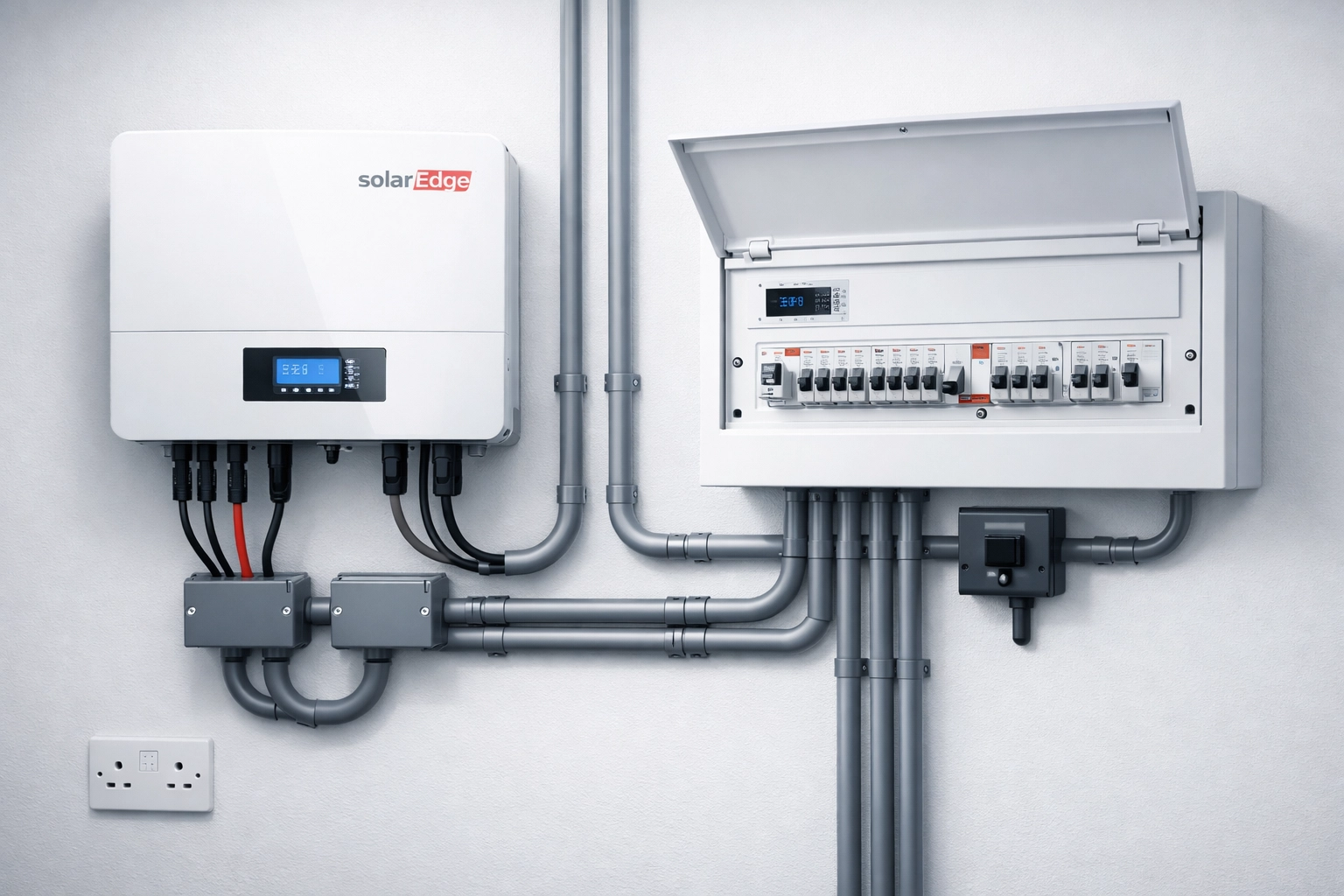
Solar PV systems involve high-voltage DC (Direct Current) electricity being converted into AC (Alternating Current) for your home. This requires sophisticated wiring, earthing, and circuit protection. A NAPIT-certified installer is a "Competent Person" who can self-certify that the work complies with Part P of the Building Regulations. This ensures your home insurance remains valid and, more importantly, that your family is safe from electrical hazards.
3. The "Product + Installer" Rule
A common misconception is that if you buy "MCS-approved panels," you are fully covered. This is not the case. For a valid MCS certificate to be issued, two conditions must be met:
- The products (panels and inverters) must be MCS-certified.
- The installer must be MCS-certified.
If a non-accredited handyman installs Tier-1 panels, you still won’t receive an MCS certificate. This is why it is vital to check your installer's credentials on the official MCS database before proceeding.
4. Protecting Your 25-Year Warranty
Modern solar equipment is designed to last. High-end brands like SolarEdge and Tesla offer substantial warranties, but these are often contingent on professional installation.
If a fault develops in year 10 and the manufacturer discovers the system wasn’t installed to the standards set by MCS or NAPIT, they may void your warranty. Using a certified partner like DES Renewable Energy ensures that your investment in Tier-1 solar equipment is fully protected by the manufacturer's promises.
5. The 10-Working-Day Rule
Once your solar installation is commissioned (turned on and tested), your installer is required to register it on the MCS database. You should receive your official MCS certificate within 10 working days.
If an installer is dragging their feet or making excuses about the paperwork, it’s a major red flag. This certificate is a legal document you will need if you ever decide to sell your home, as solicitors will require it to prove the solar system meets building and energy standards.

6. Consumer Protection and the Code of Conduct
Being MCS-certified isn’t just about technical skill; it’s about consumer ethics. Every MCS-certified company must also belong to a Consumer Code, such as RECC (Renewable Energy Consumer Code) or HIES.
These codes protect your deposit and ensure that any claims made about "estimated savings" or "payback periods" are realistic and calculated using industry-standard formulas. This prevents the "hard sell" tactics often used by less reputable companies. For more on choosing the right partner, see our guide to renewable energy installers.
7. Insurance Backed Guarantees (IBGs)
What happens if your solar company goes out of business five years from now? This is a question every homeowner should ask.
Part of the MCS and consumer code requirement is that installers must provide an Insurance Backed Guarantee (IBG). This means that if the original installer is no longer trading, another firm will be paid by the insurance company to honour the workmanship warranty. It’s the ultimate safety net for your investment.
8. Financial Advice and ROI Accuracy
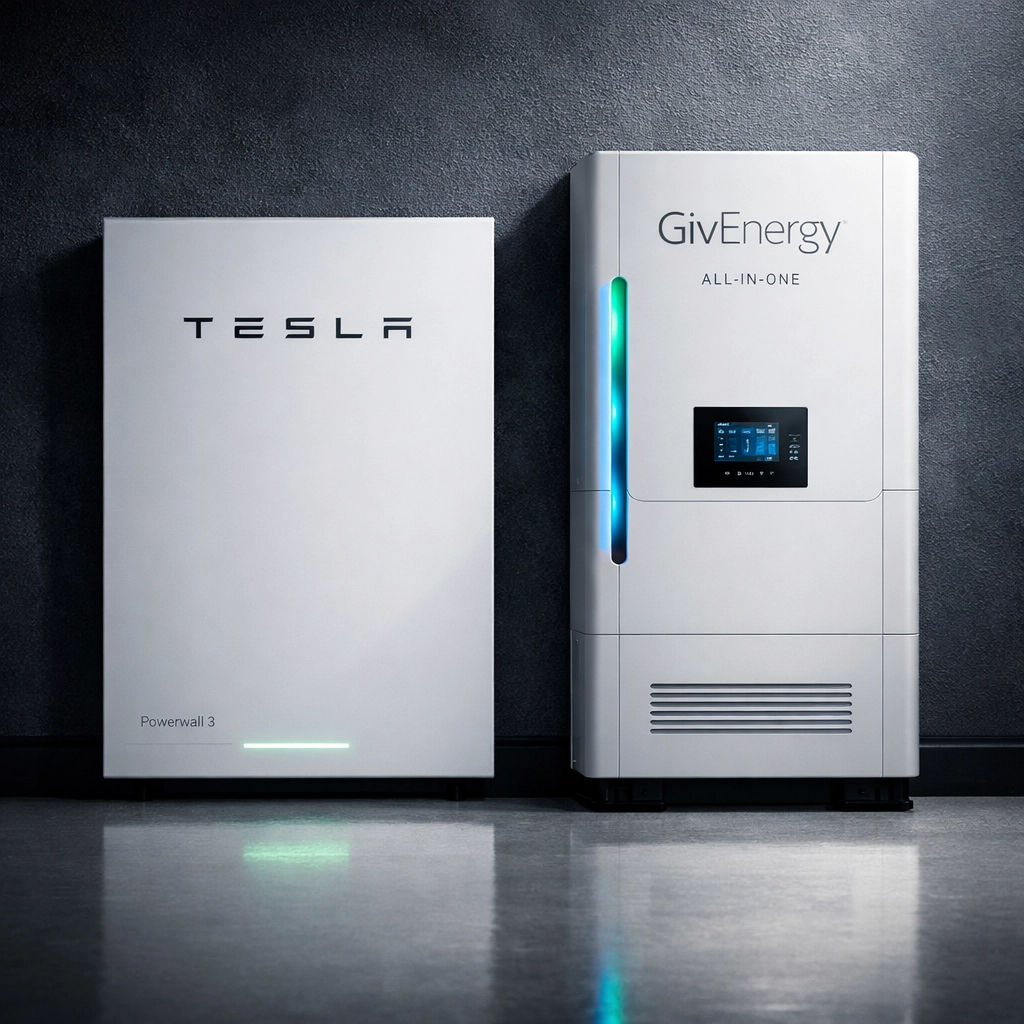
When we provide a quote for a system: whether it’s a Tesla Powerwall 3 or a GivEnergy All-in-One: our calculations for your Return on Investment (ROI) are governed by MCS standards.
These standards dictate how we account for shading, roof pitch, and regional sunlight data. This ensures that the numbers you see on your proposal are grounded in reality, not "best-case scenario" marketing fluff. You can learn more about the financial side of solar in our financial advice category.
9. The Importance of Aftercare
Certification doesn’t end on installation day. Keeping your system at peak performance for 25+ years requires a partner who understands the technical nuances of maintenance.
While MCS covers the initial setup, a professional installer will offer a comprehensive solar aftercare package. This includes remote monitoring (often via apps like SolarEdge or Tesla) to ensure your generation isn't dipping due to a minor technical glitch that an uncertified installer might miss.
10. Verification is Simple
You don't have to take an installer's word for it. You can verify their status in seconds:
- For MCS: Visit the MCS website and search by company name or postcode.
- For NAPIT: Use the "Check an Installer" tool on the NAPIT website.
If a company is not listed, do not use them. It is as simple as that.
Comparison: Why These Certifications Matter
| Feature | MCS Certified Installer | Non-Certified Installer |
|---|---|---|
| SEG Payments | Eligible (Get paid for export) | Not Eligible (Give away power) |
| Safety | Verified to national standards | No guarantee of safety |
| Warranty | Manufacturer-backed | Likely voided |
| Building Regs | Self-certified (Part P) | Requires separate council inspection |
| Consumer Protection | Insurance Backed Guarantee | None |
| Home Value | Increases (certified assets) | Complicates the sale of the house |
The DES Renewable Energy Difference
At DES Renewable Energy, we don’t just "meet" the standards; we aim to exceed them. We specialise in high-tech, future-proofed solutions for homeowners in Bournemouth, Dorset, and Hampshire who want the best equipment installed by the best technicians.
Whether you are looking to wipe out your energy bills or gain energy independence with a battery backup, we ensure every nut, bolt, and wire is certified and documented.
Final Thoughts
Choosing solar is one of the smartest financial and environmental moves you can make in 2026. However, the value of that choice hinges entirely on the quality of the installation. By insisting on MCS and NAPIT certifications, you aren't just being "fussy": you are being a smart investor.
Ready to start your solar journey with a team you can trust?
Contact our expert team today for a free, no-obligation site survey and a quote that’s built on quality, not shortcuts. Let's build a brighter, more sustainable future for your home together.