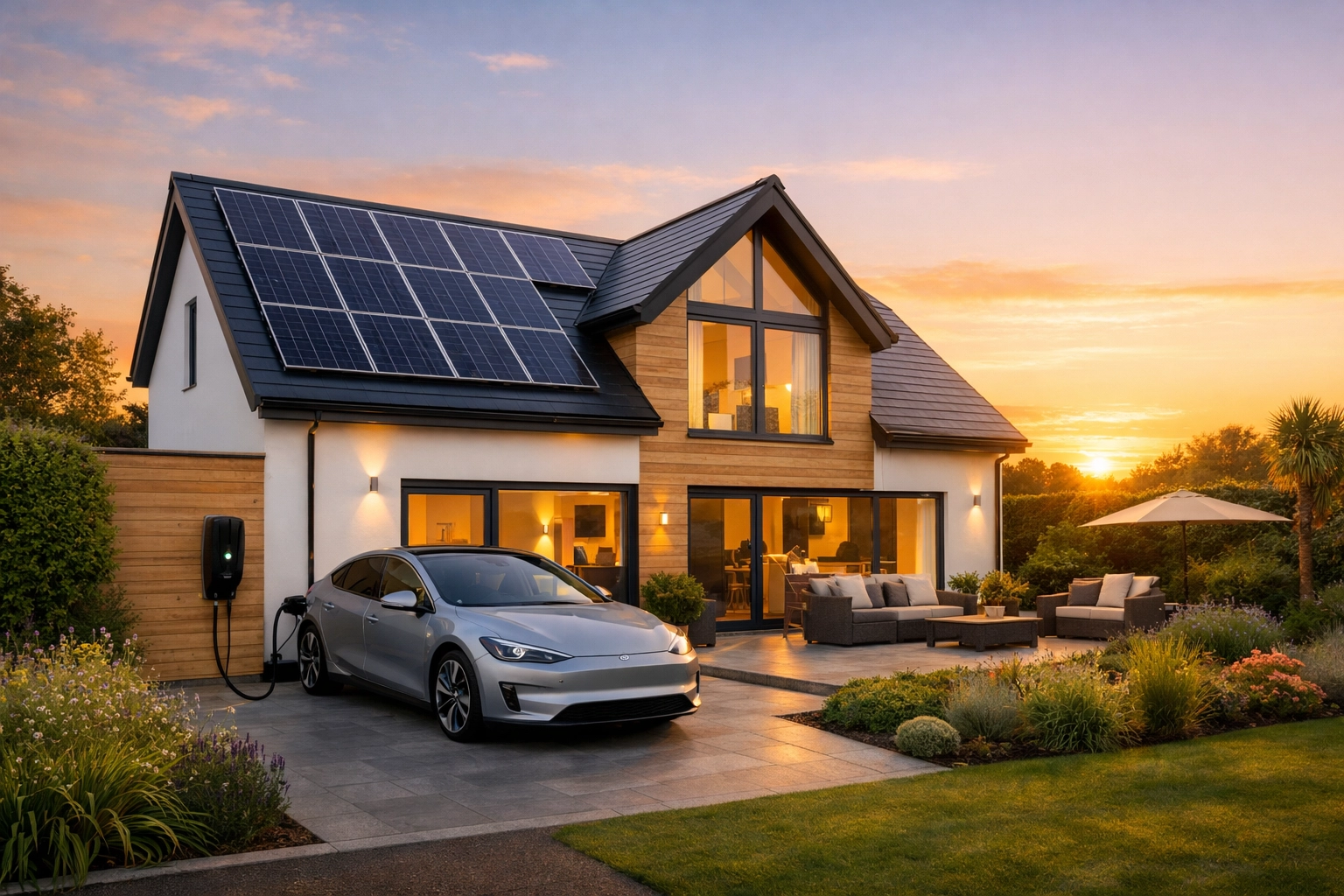
So, you’ve decided to make the jump to solar. That’s a brilliant move, especially with energy prices remaining as volatile as ever. With the Ofgem price cap currently sitting at an average of £1,928 (and projected increases often looming due to global instability), taking control of your own power is the smartest investment you can make for your home in Bournemouth or your business in Poole.
But here’s the thing: the "Wild West" of renewable energy is real. We’ve seen plenty of homeowners across Dorset, Hampshire, and Wiltshire get excited about green energy, only to be let down by poor advice or shoddy workmanship. It’s frustrating, and it can be expensive.
At DES Renewable Energy Ltd, we want you to get this right the first time. Whether you’re looking for solar panels in Ferndown or a full battery setup in Christchurch, here are the seven most common mistakes we see people making: and, more importantly, how you can avoid them.
1. Chasing the "Too Good to Be True" Quote
We all love a bargain, don't we? But when it comes to renewable energy installers in Dorset, the cheapest quote is often the most expensive one in the long run.
If a quote comes in 20% or 30% lower than everyone else, something has to give. Usually, that means low-grade panels, generic inverters, or a "splash and dash" installation team that won't be there when you need support three years down the line.
How to fix it:
- Always ask for an itemised breakdown of the components.
- Look for premium brands like Tesla, GivEnergy, or GoodWe ESA systems.
- Remember: high-quality components and a professional installation are what ensure your ROI over 25 years.
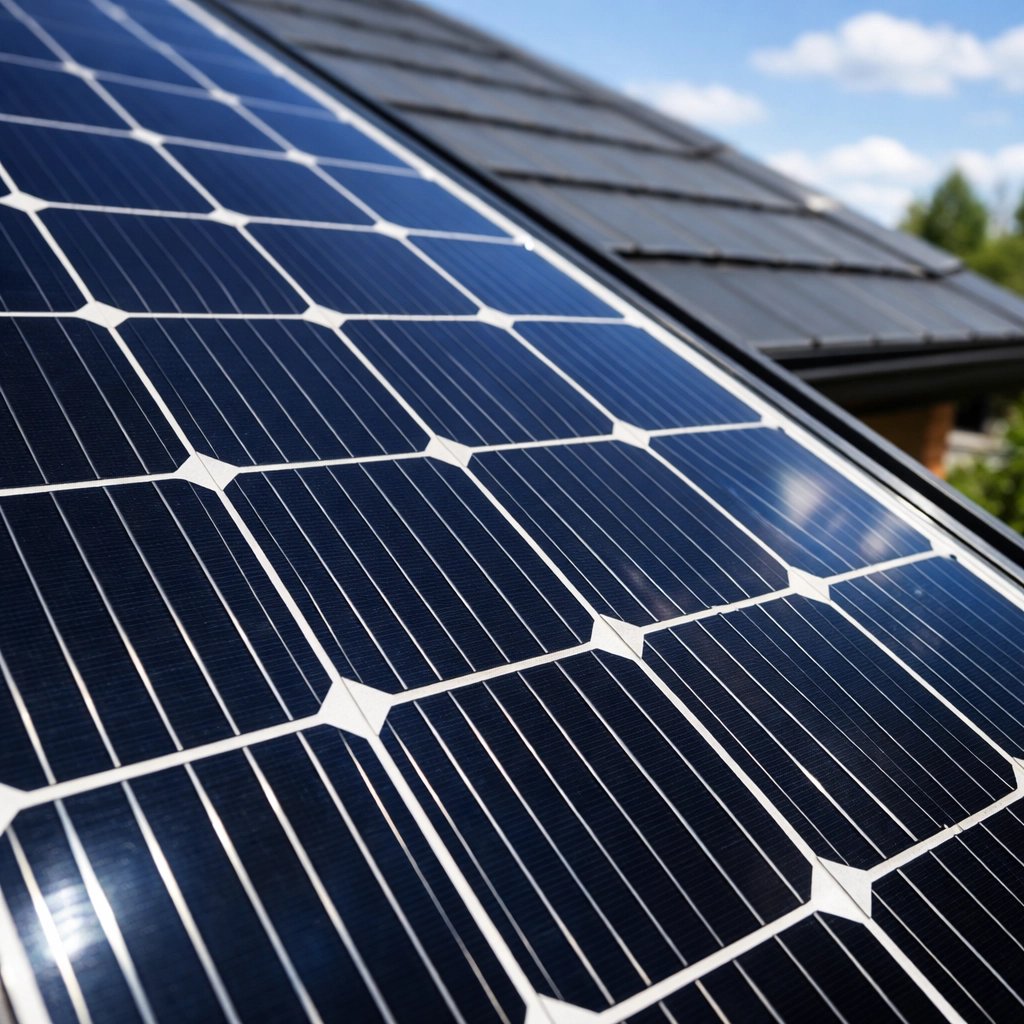
2. Ignoring MCS and NAPIT Certifications
This is a big one. Some installers might tell you that certifications aren't a big deal, or that they’ll "get someone else to sign it off." Don't fall for it.
Without an MCS (Microgeneration Certification Scheme) certificate, you won't be able to access the Smart Export Guarantee (SEG). This means you won’t get paid for the extra energy you send back to the grid. Even worse, many insurance companies and mortgage lenders won't touch a house with a non-certified solar installation.
How to fix it:
- Check that your installer is MCS-approved and NAPIT-registered.
- Ask for their registration numbers and verify them online.
- Read up on why these certifications matter for your warranty.
3. Hiring a "National" Firm Instead of a Local Expert
We see it all the time in places like Ferndown and Christchurch. A massive national company spends a fortune on TV ads, sends a high-pressure salesperson to your door, and then subcontracts the actual work to the lowest bidder they can find.
When you have a question or a technical glitch, you end up in a call centre queue for hours. They don't know the specific roof types in Poole or the local grid constraints in Wiltshire.
How to fix it:
- Go local. A Dorset-based team like DES Renewable Energy knows the area and relies on their local reputation.
- Check for recent local reviews. If they’ve successfully installed solar panels in Bournemouth or Hampshire recently, they’ll be happy to tell you about it.
4. Underestimating Your Battery Needs
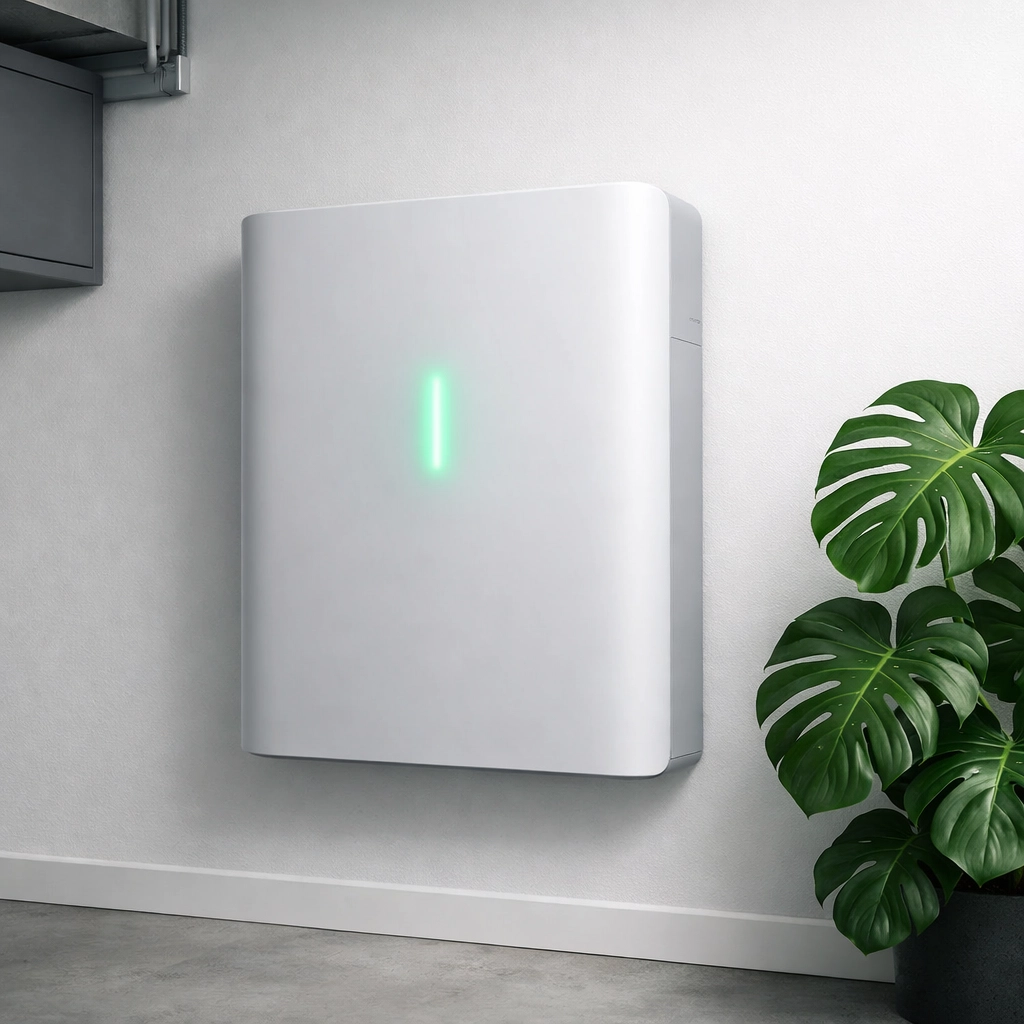
A common mistake is thinking solar panels alone will wipe out your bills. While panels are the engine, the battery is the fuel tank.
If you're out at work during the day, your panels are generating peak power while your house is empty. Without a battery, that power goes back to the grid for pennies, and you buy it back for pounds in the evening.
How to fix it:
- Look into smart storage solutions early.
- Compare the big hitters: the Tesla Powerwall 3 vs GivEnergy All-In-One.
- Ensure your installer sizes the battery to your actual evening usage, not just a "standard" size.
5. Skipping the Professional Roof and Shading Analysis
Did your installer just look at your house on Google Earth and send a quote? If so, run.
A proper design requires a structural check of your roof and a detailed shading analysis. Even a small chimney or a tree in your neighbour’s garden in Christchurch can significantly drop your system's performance if it isn't accounted for with the right technology (like optimisers).
How to fix it:
- Insist on a physical site survey or a high-tech LiDAR assessment.
- Ask how they plan to deal with shading.
- If your roof is older, have it inspected before the panels go on. It’s much cheaper to fix a tile now than it is to take the panels off later!
6. Forgetting About Aftercare and Maintenance
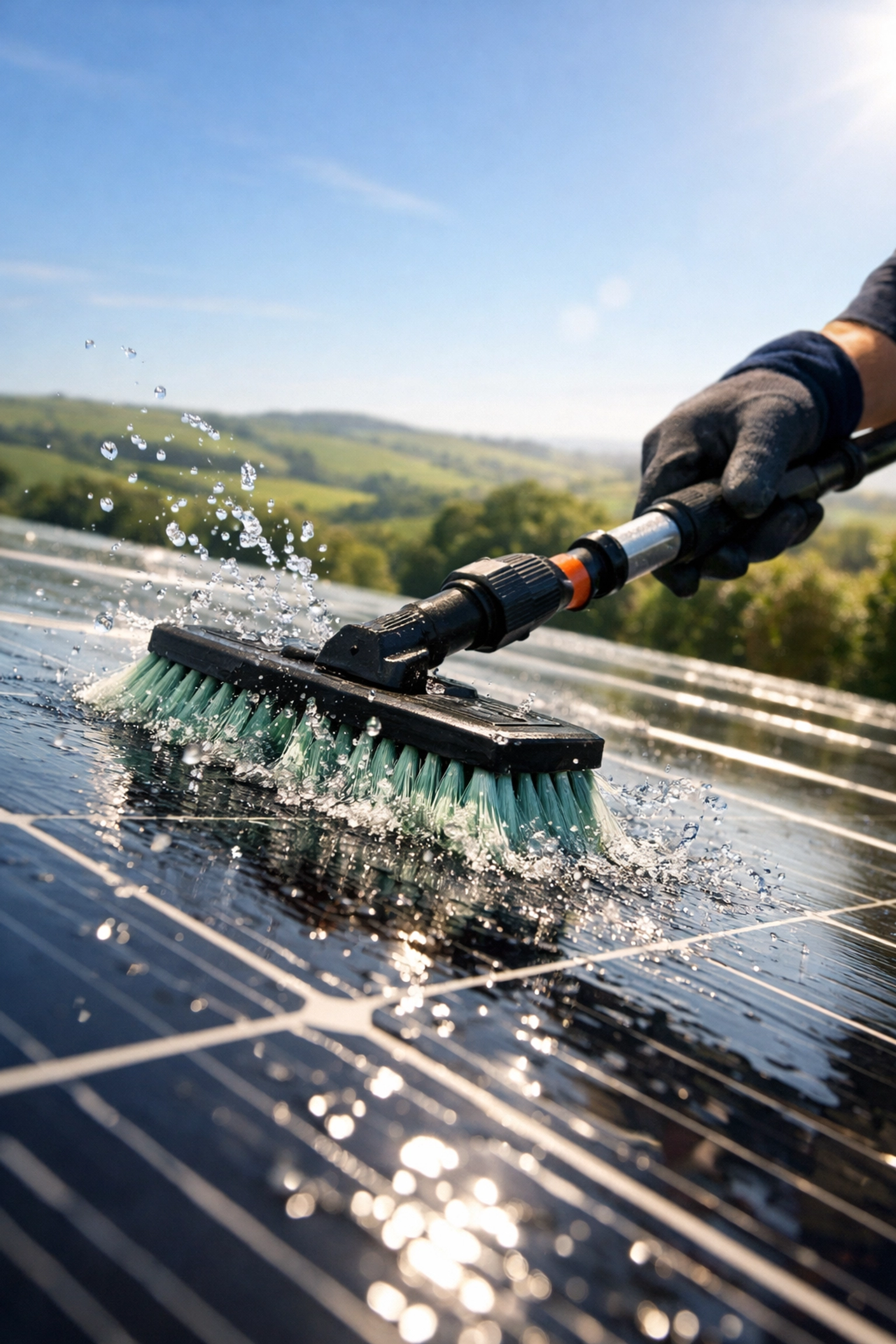
Solar is often sold as "fit and forget," but that's a bit of a myth. While they are low maintenance, they aren't no maintenance.
Dust, bird droppings, and the salty air we get here on the Dorset coast can all sap your system's efficiency over time. You need a partner who will be there for the long haul, not just until the check clears.
How to fix it:
- Ask about aftercare packages.
- Make sure you understand the monitoring app that comes with your system.
- Check out our ultimate guide to solar aftercare to see what's involved in keeping peak performance for 25 years.
7. Not Planning for the Future (EVs and Heat Pumps)
Are you planning to get an electric vehicle next year? Or maybe swap that old gas boiler for a heat pump?
If your installer only looks at your current energy bill, they’re designing a system that might be obsolete in 24 months. Adding more panels later is much more expensive than doing it right the first time.
How to fix it:
- Tell your installer about your 5-year plan.
- Consider a "modular" system like the GoodWe ESA, which can be scaled up as your needs grow.
- Ensure your inverter can handle the increased load of an EV charger.
Why Local Knowledge Matters in Dorset and Hampshire
Installing solar panels in Poole is different from installing them in a landlocked city. We have specific wind loads to consider and coastal conditions that can affect equipment longevity.
By choosing a local, MCS-approved specialist, you’re not just buying hardware. You’re buying peace of mind. You’re ensuring that when the UK energy market fluctuates: perhaps with a projected £332 increase in annual bills: you are shielded by a system that was built to last.
| Feature | Low-Cost "Cowboy" Installer | DES Renewable Energy (Local Expert) |
|---|---|---|
| Certifications | None or "Borrowed" | MCS & NAPIT Approved |
| Equipment | Generic / Low-tier | Tesla, GivEnergy, GoodWe |
| Site Survey | Google Maps only | Full Structural & Shading Analysis |
| Aftercare | Ghosted after payment | Comprehensive 25-Year Support |
| Grid Apps | You handle the DNO | We handle all DNO/Planning |
Take the Next Step
Making the transition to renewable energy shouldn't be stressful. It should be an exciting step toward energy independence and lower bills. Whether you are a business owner in Bournemouth looking to boost your ROI or a homeowner in Ferndown wanting to do your bit for the planet, we’re here to help.
Don't let these common mistakes hold you back. If you’re ready to see what a professional, localized approach looks like, read our ultimate guide to renewable energy installers in Dorset or get in touch with our team today.
Let’s get your project started the right way. And remember, the best time to install solar was ten years ago; the second best time is today.