


You’ve done the research, you’ve seen the energy bills climbing, and you’ve decided that 2026 is finally the year you go solar. It’s an exciting move. But here is the cold, hard truth: the solar industry in the UK has become a bit of a "Wild West."
For every specialist installer who cares about your roof’s structural integrity and your system’s 25-year yield, there’s a "solar cowboy" looking to slap some panels up and disappear before the first winter rain hits.
I’m Jason Brown, Director at DES Renewable Energy Ltd, and I’ve seen firsthand what happens when homeowners fall into the common traps of solar procurement. Choosing the wrong partner doesn't just mean a sub-par installation; it can mean voided warranties, roof leaks, and a system that fails to pay for itself.
To help you navigate this, I’ve put together the seven most common mistakes homeowners make: and exactly how you can spot a true specialist.
1. Chasing the Lowest Price (The "Cheap Quote" Trap)
It’s tempting. You get three quotes: two are around £9,000, and one comes in at £6,500. Your brain screams "bargain," but your gut should be screaming "danger."
In solar, you truly get what you pay for. An installer offering a price 20–30% below the market average is cutting corners somewhere. Usually, it’s one of three things:
- Low-grade components: Using "unbranded" panels or cheap Chinese inverters that have high failure rates.
- Subcontracted labour: Hiring "bods" who aren't solar specialists to rush the job in a day.
- Zero aftercare: They can’t afford to provide a 25-year service if they aren't making enough margin to stay in business.
How to spot a specialist:
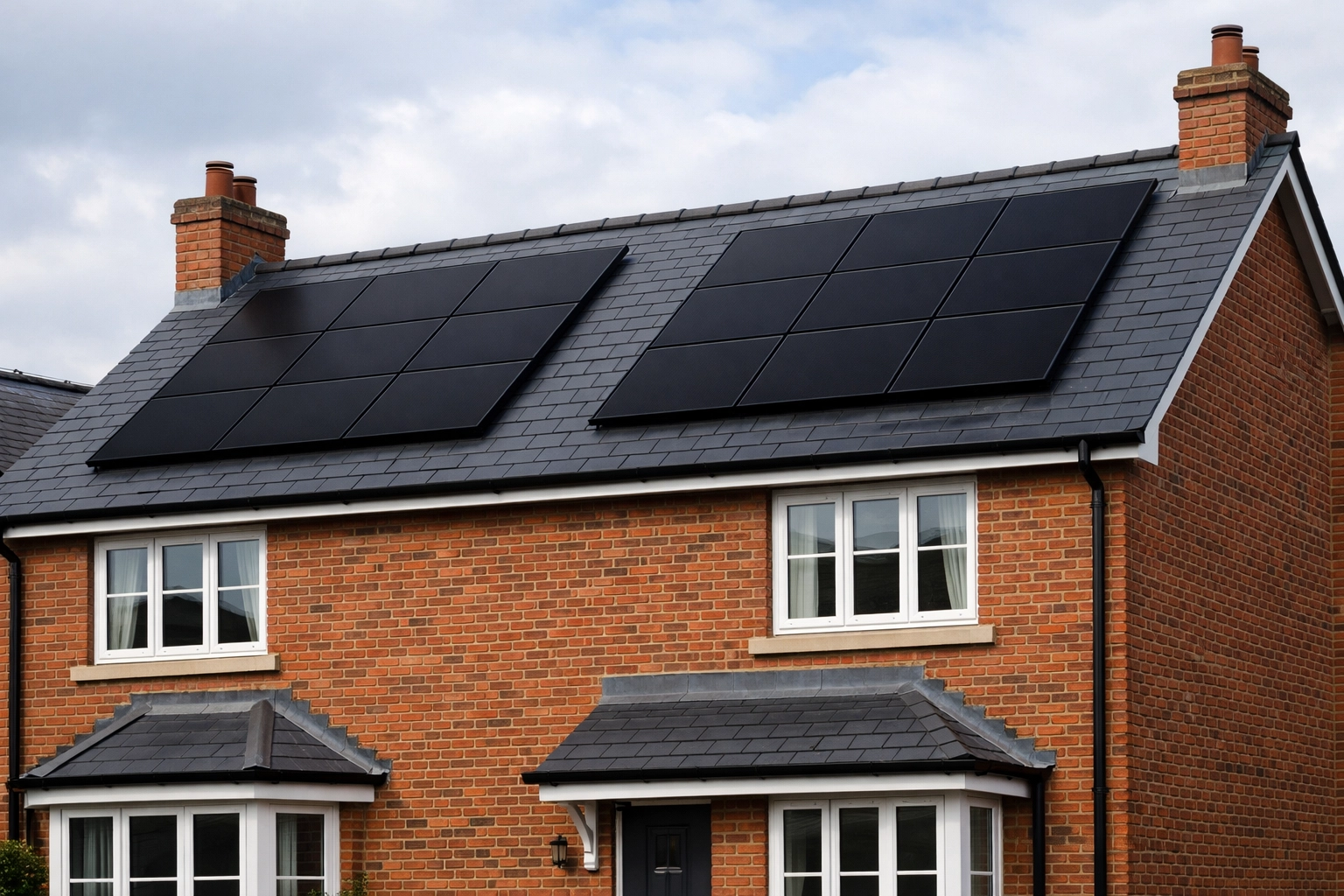
A specialist focuses on value, not just the bottom line. They will provide a detailed breakdown of components, including brand names like Tesla or SolarEdge. If you want to see why quality matters, look at how we future-proof homes using Tier-1 equipment.
2. Ignoring MCS and NAPIT Certifications
This is perhaps the biggest "rookie" mistake. In the UK, if your installer isn't MCS (Microgeneration Certification Scheme) accredited, you are essentially throwing money away.
Without an MCS certificate:
- You cannot sign up for the Smart Export Guarantee (SEG), meaning you won’t get paid for the excess energy you send back to the grid.
- Your home insurance may be invalidated.
- You have no guarantee that the system meets UK safety and performance standards.
NAPIT or NICEIC registrations are equally vital for the electrical side of the work.
How to spot a specialist:
Don't take their word for it. A specialist will have these logos proudly displayed on their website and will be listed on the official MCS register. They should also be able to explain how these certifications protect your solar panel financial advice and long-term investment.
3. Accepting a "Desktop Survey" as Final
We’ve all used Google Maps to look at our houses, but you shouldn't buy a £10,000+ technical energy system based on a satellite photo alone.
Many national "volume" installers will give you a quote over the phone based on your postcode. The problem? A satellite doesn't see the slight dip in your rafters, the ancient fuse box that needs upgrading, or the small vent pipe that will force a change in panel layout.
How to spot a specialist:
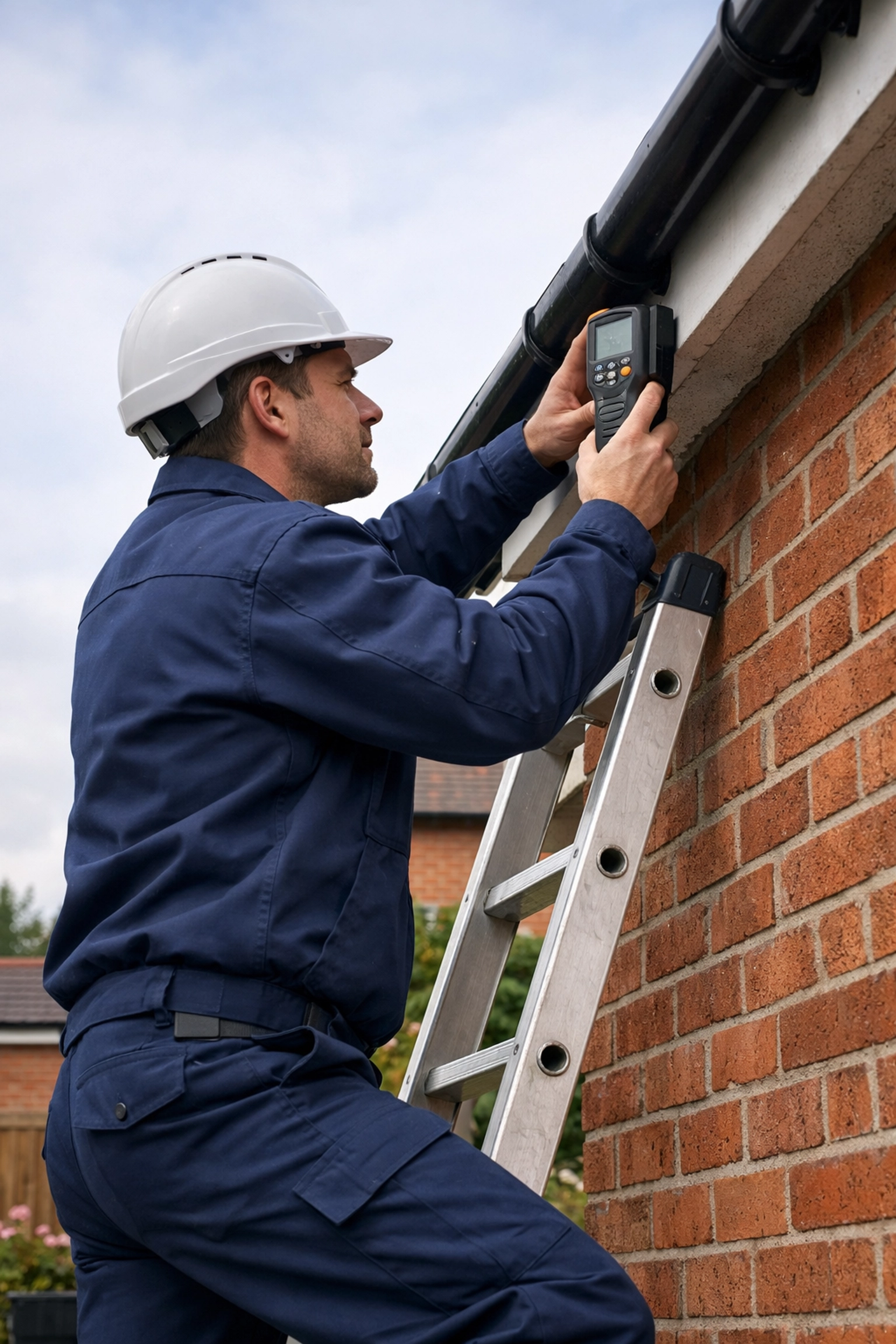
A true specialist will insist on a physical site survey or a highly detailed virtual survey using LiDAR technology. They will check:
- Roof Integrity: Can your rafters actually take the weight of 14 panels?
- Electrical Compatibility: Does your consumer unit meet 18th Edition wiring regulations?
- Shading Analysis: Even a chimney stack casting a shadow for two hours a day can drop your production by 30% if the system isn't designed correctly.
4. Failing to Understand the Warranty "Small Print"
Most panels come with a "25-year warranty." Sounds great, right? But you need to know which warranty they are talking about.
There is a Performance Warranty (guaranteeing the panels will still produce X% of power in 25 years) and a Product Warranty (covering if the panel actually breaks or the frame corrodes). Many cheap panels have a 25-year performance warranty but only a 10-year product warranty. If the panel stops working in year 12, that performance guarantee is useless.
Furthermore, who pays for the scaffolding and labour to replace a faulty panel in year 15?
How to spot a specialist:
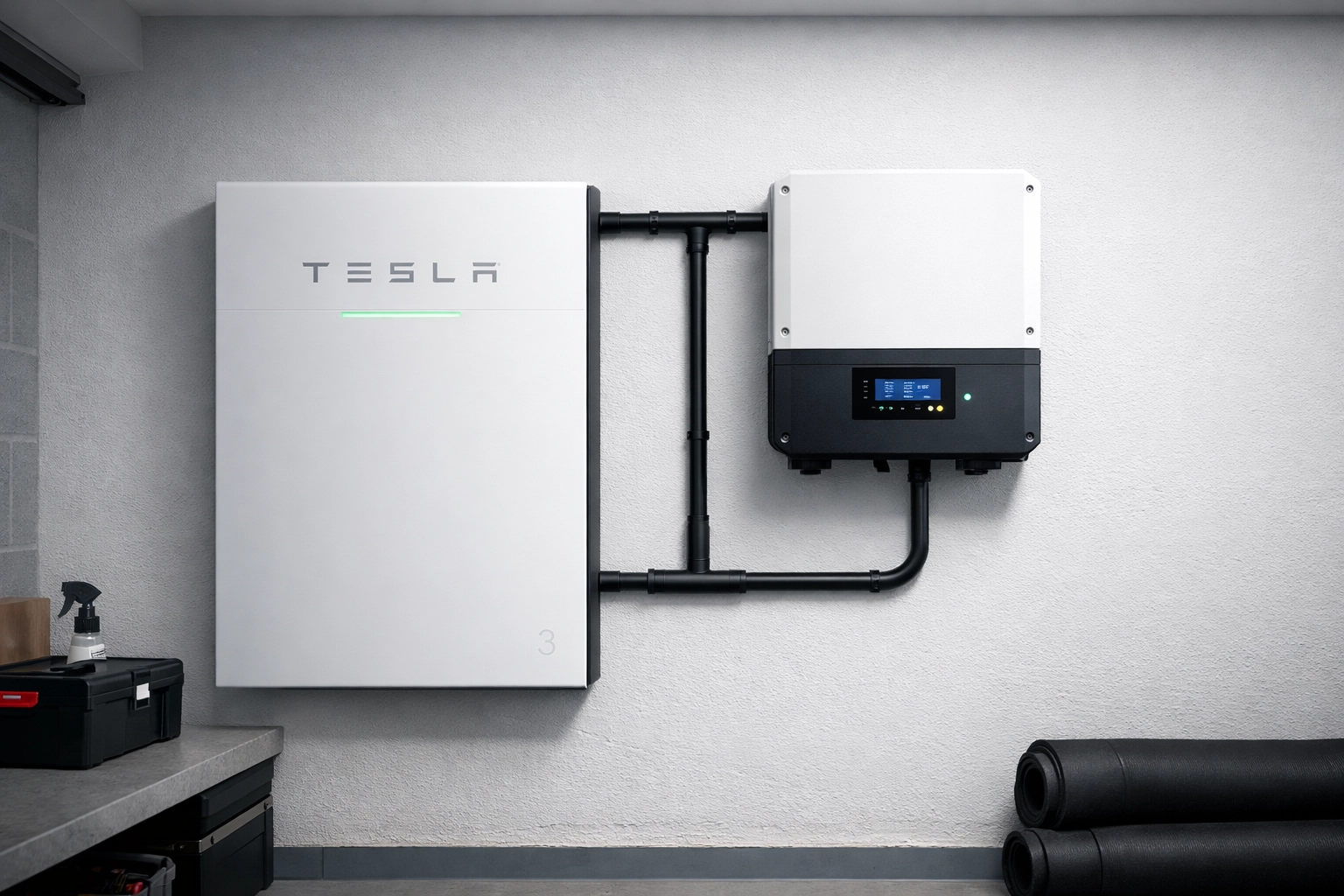
Specialists offer comprehensive protection. They use brands like Tesla and GivEnergy because these companies have a solid UK presence. We often compare these top-tier options to help homeowners decide; for instance, you might want to look at our breakdown of the Tesla Powerwall 3 vs GivEnergy All-in-One to see how warranties and performance differ in the real world.
5. Overlooking the Inverter (The Brain of the System)
The panels get all the glory, but the inverter does all the hard work. It converts the DC electricity from your roof into AC electricity for your kettle.
Cheap installers often use a "string inverter" without optimisers. If one panel gets covered in bird droppings or is slightly shaded, the entire string drops to that lower performance level. It’s like a kink in a hosepipe.
How to spot a specialist:
Specialists will often recommend Power Optimisers (like SolarEdge) or Microinverters. This allows every panel to work independently. If one panel is shaded, the rest keep pumping out maximum power. It’s more expensive upfront, but over 25 years, the extra energy generated pays for itself many times over.
6. Falling for the "Pressure Sell"
If an installer tells you that "this price is only valid if you sign today," or uses "government grants" as a scare tactic (most grants are for very specific low-income criteria, not general solar installs), walk away.
A solar installation is a significant home improvement. It requires thought, financial planning, and sometimes structural checks. Anyone trying to rush you into a five-figure contract within 20 minutes of meeting you is a salesman, not an engineer.
How to spot a specialist:
A specialist provides a detailed proposal and then gives you space. They should be happy to answer technical questions and provide a "heat map" of your expected energy production across the year. They focus on how it works rather than how quickly they can get your signature.
7. Ignoring Post-Installation Aftercare
What happens in five years if your app stops showing data? Or if a rogue storm knocks a component loose?
The "solar cowboys" are notorious for being unreachable once the final invoice is paid. Many of these companies phoenix (close down and reopen under a new name) every few years to avoid warranty claims.
How to spot a specialist:
Look for an established local presence. A specialist will have a dedicated maintenance and aftercare team. They should offer monitoring services where they can see your system’s health remotely. At DES, we believe this is so vital we wrote the ultimate guide to solar aftercare to help homeowners understand what to expect over the next two decades.

Summary: The Specialist Checklist
Before you sign anything, run through this quick checklist. If you can’t tick every box, you’re likely dealing with a generalist (or a cowboy) rather than a specialist.
| Feature | Specialist Installer | "Budget" Installer |
|---|---|---|
| Survey | Physical or LiDAR-based | "Desktop" (Google Maps) only |
| Accreditation | MCS, NAPIT, RECC/HIES | Often missing or "pending" |
| Components | Tier-1 (Tesla, SolarEdge, etc.) | Unbranded or "House Brand" |
| Communication | Direct access to engineers | Sales-led, hard to reach after deposit |
| Aftercare | 25-year support plan | "Call the manufacturer" |
Final Thoughts from Jason
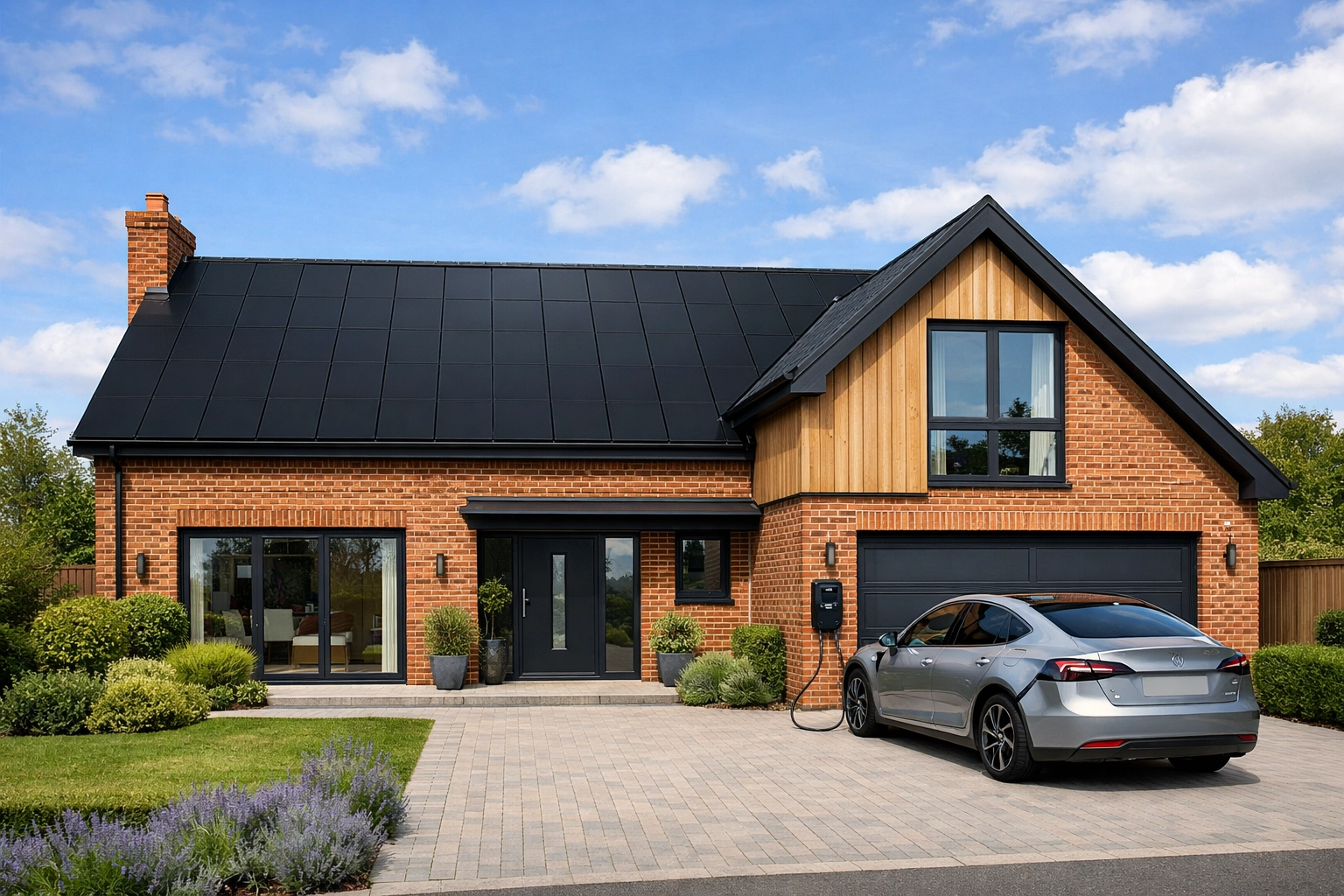
Choosing solar is one of the best things you can do for your home’s value and your carbon footprint. In 2026, the technology is better than it has ever been: systems like the GoodWe ESA are changing the game for energy independence.
But the hardware is only half the story. The person who installs it matters just as much as the panels themselves. Don't be afraid to grill your installer. Ask the hard questions about structural loads, shading losses, and warranty claim procedures.
A true specialist will love answering those questions because it shows they know their craft.
Ready to see what a specialist installation looks like for your home?
Whether you're looking for solar panels in Hampshire or a battery retrofit in Dorset, our team is here to help. Contact DES Renewable Energy today for an honest, engineer-led assessment of your home’s potential.