


Do you ever find yourself checking the news and feeling a slight sense of dread when you see headlines about the Middle East? You aren't alone. In early 2026, the global landscape feels more volatile than ever, and while these conflicts may seem worlds away, the impact lands right on your doorstep: usually in the form of your monthly energy bill.
When tensions rise in regions like Iran or the wider Middle East, the global oil market reacts instantly. And because the UK’s energy grid is still heavily influenced by international gas and oil prices, your "local" electricity cost is actually tied to global events you have zero control over.
But what if you could opt out of that cycle? What if you could build a "moat" around your home’s finances? That is exactly what local energy generation offers. In this guide, we’re going to look at the advantages and disadvantages of solar power in the context of global instability and why staying tethered solely to the grid might be the riskiest financial move you can make right now.
Why Your Energy Bill Cares About the Middle East
You might be wondering, "I don't heat my home with oil, so why does a conflict in the Middle East make my electricity bill spike?" It’s a fair question, and the answer lies in how our energy markets are structured.
Even as we transition to renewables, the price of electricity in the UK is often set by the most expensive "marginal" source needed to meet demand: which is usually natural gas. Since gas prices frequently track oil prices, any threat to oil supplies from the Middle East sends ripples through the entire energy sector. When tankers are delayed or production is threatened, the market panics, and you pay the price.
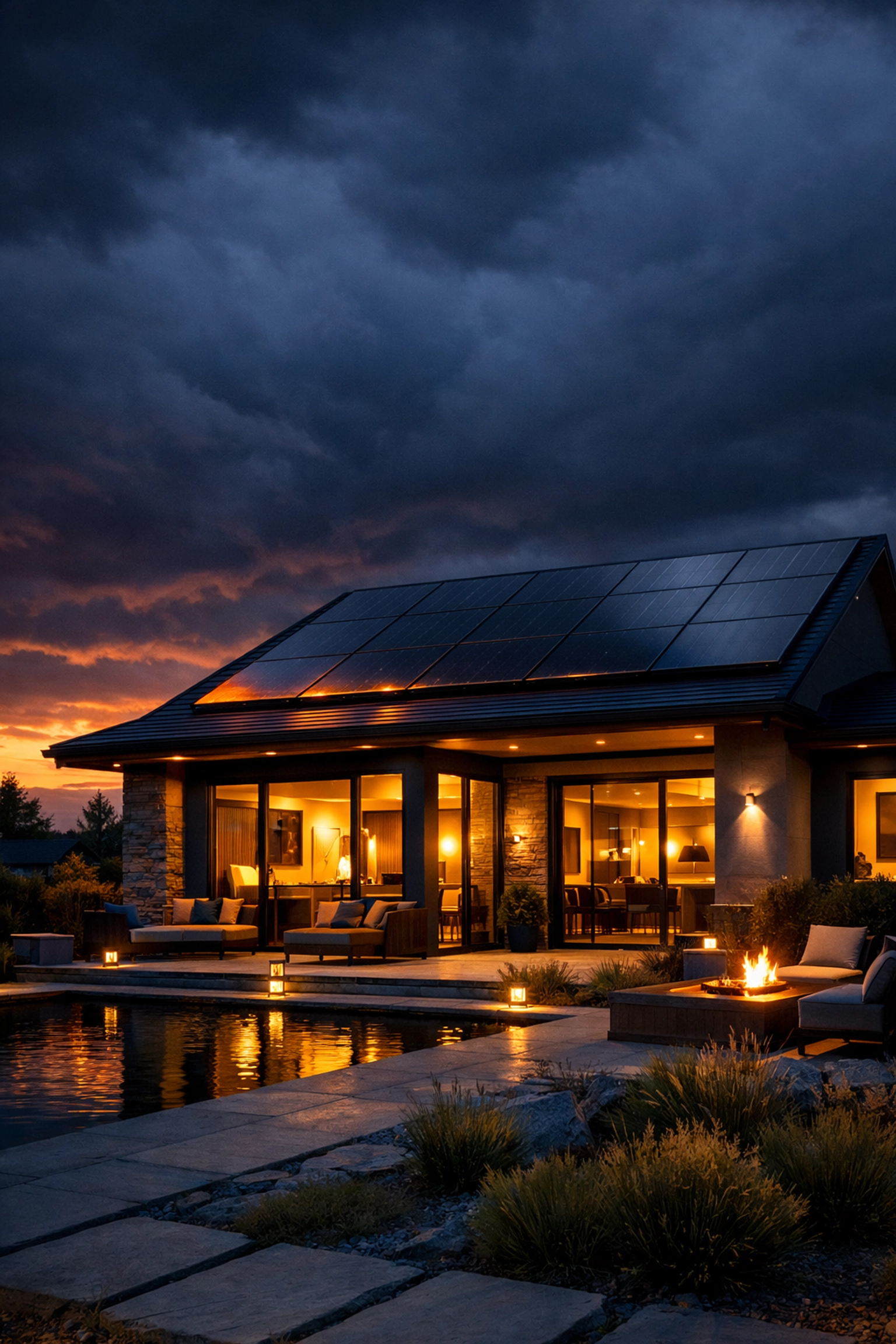
By generating your own power locally, you are essentially "short-circuiting" this global dependency. You aren't buying energy that has been traded three times on an international exchange before reaching your toaster. You’re catching photons that travelled for free from the sun directly to your roof.
The Advantages and Disadvantages of Solar Power
Before you make the jump to energy independence, it is important to have a clear-eyed view of what you’re getting into. Like any major home investment, there are trade-offs. Let's break down the advantages and disadvantages of solar power so you can decide if it’s the right shield for your home.
The Advantages: Why Solar is Winning in 2026
- Immunity to Price Spikes: Once your system is paid for, the "fuel" (sunlight) is free. While others are worrying about what’s happening in the Strait of Hormuz, your energy costs remain flat and predictable.
- Energy Independence: When you pair solar panels with a battery system, you become your own utility provider. You can store energy during the day and use it at night, significantly reducing your reliance on the National Grid.
- Carbon Footprint Reduction: This is the obvious one, but it’s more relevant than ever. By generating clean power, you’re helping the UK move away from the very fossil fuels that cause so much geopolitical tension.
- Property Value: Homes with high-quality, MCS-certified solar installations are increasingly attractive to buyers who are also looking for protection against future energy shocks.
The Disadvantages: The Hurdles to Consider
- Upfront Cost: There’s no sugar-coating it: installing a high-quality solar and battery system requires an initial investment. However, when you factor in the rising cost of grid power, the "payback period" is getting shorter every month.
- Intermittency: The sun doesn't shine at night, and it’s less intense in the winter. This is why we almost always recommend a battery backup (like the Tesla Powerwall 3 or GivEnergy) to bridge those gaps.
- Roof Suitability: Not every roof is perfect. If your home is heavily shaded or faces due North, the efficiency will be lower. But don't worry: as expert installers, we can usually find a configuration that works.
Comparison Table: Solar vs. Grid Power
| Feature | National Grid Reliance | Local Solar + Battery |
|---|---|---|
| Price Stability | Volatile (linked to global oil/gas) | Fixed (Sunlight is free) |
| Source of Power | Often imported fossil fuels | 100% Renewable & Local |
| Reliability | Vulnerable to grid outages | Provides backup during blackouts |
| Environmental Impact | High Carbon | Low Carbon |
| Long-term ROI | Zero (Money is gone forever) | High (System pays for itself) |
The "Battery Factor": Why Solar Alone Isn't Enough Anymore
If you want true defense against global tensions, solar panels are only half the story. To truly offset rising energy costs, you need a way to store that power.
Think of it this way: solar panels are your "income," and the battery is your "savings account." Without the savings account, you’re forced to spend your income the moment you get it. If you’re at work during the day while your panels are soaking up the sun, that energy is sent back to the grid for a pittance. Then, you come home at 6 PM and buy expensive, "conflict-affected" energy back from the grid.
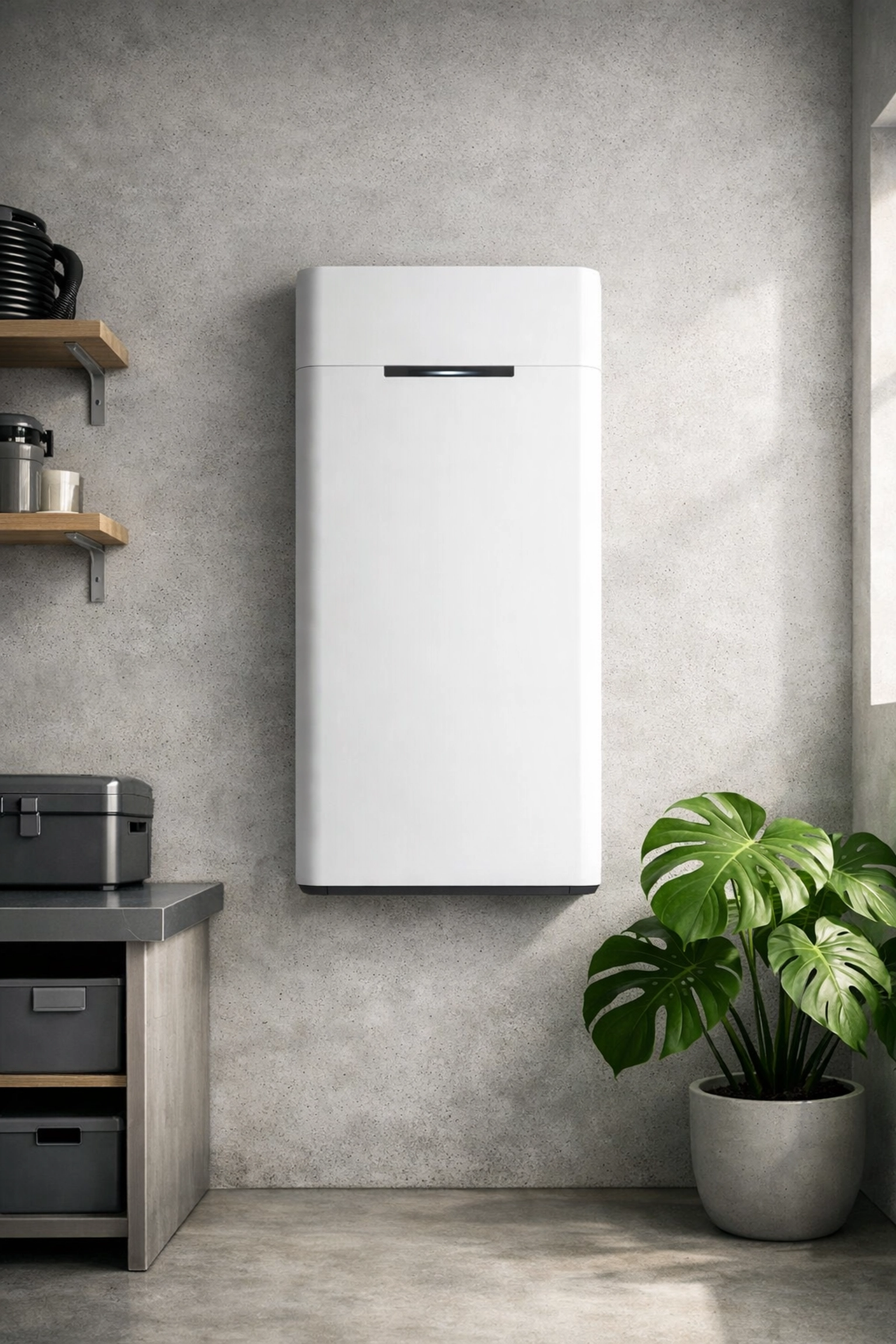
By adding a battery, you keep every kilowatt you generate. Whether you're looking at the GoodWe ESA system or a Tesla Powerwall, the goal is the same: absolute energy security. When the grid price spikes because of a new crisis in the Middle East, you simply switch over to your stored battery power and carry on as normal.
The Cost of Waiting: Why "Inaction" is a Strategy (And a Bad One)
We often talk to homeowners in Bournemouth and across Dorset who say, "I'll wait another year for the technology to get better or the price to drop."
But here is the catch: while you wait, you are paying a "volatility tax." Every month that you remain 100% dependent on the grid is a month where your finances are at the mercy of international relations and oil production quotas.
Furthermore, the demand for renewable energy installers is skyrocketing. As more people realize that local power is the only defense against rising costs, installation lead times and equipment prices can increase. By acting now, you lock in today’s technology and start your journey toward a 25-year period of energy security.
Why Trust DES Renewable Energy Ltd?
Navigating the advantages and disadvantages of solar power can feel overwhelming, and we understand if you're scratching your head over which system is best for your specific home. That's where we come in.
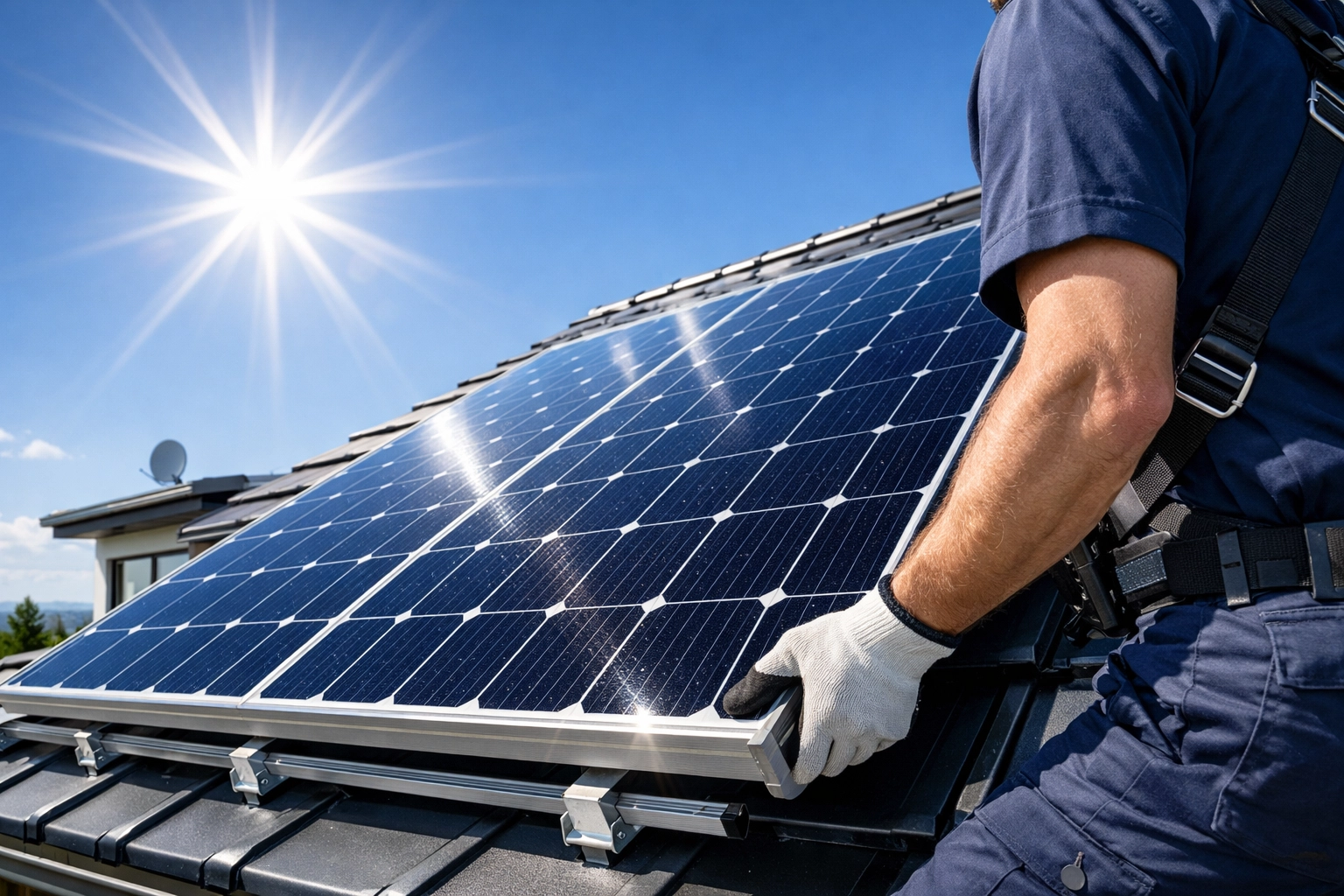
At DES Renewable Energy Ltd, we don't just "fit panels." We design energy security systems. We are fully MCS certified, which is the gold standard in our industry. It ensures that your system is installed to the highest safety and performance standards, and it's often a requirement if you want to sell your excess energy back to the grid through the Smart Export Guarantee (SEG).
From Bournemouth to Hampshire, we’ve helped hundreds of homeowners stop worrying about the news and start enjoying their energy independence. Whether you're interested in business solar power or a residential setup, our team provides a comprehensive service: from the initial site survey to long-term aftercare and maintenance.
Taking the First Step Toward Independence
The world isn't getting any less complicated. Tensions in the Middle East, fluctuating oil prices, and the fragility of global supply chains are likely to be part of our reality for years to come. But your home’s energy bill doesn't have to be a casualty of that chaos.
Generating your own power is more than just an environmental choice; it is a declaration of independence. It’s about knowing that no matter what happens on the global stage, your lights will stay on and your costs will stay down.
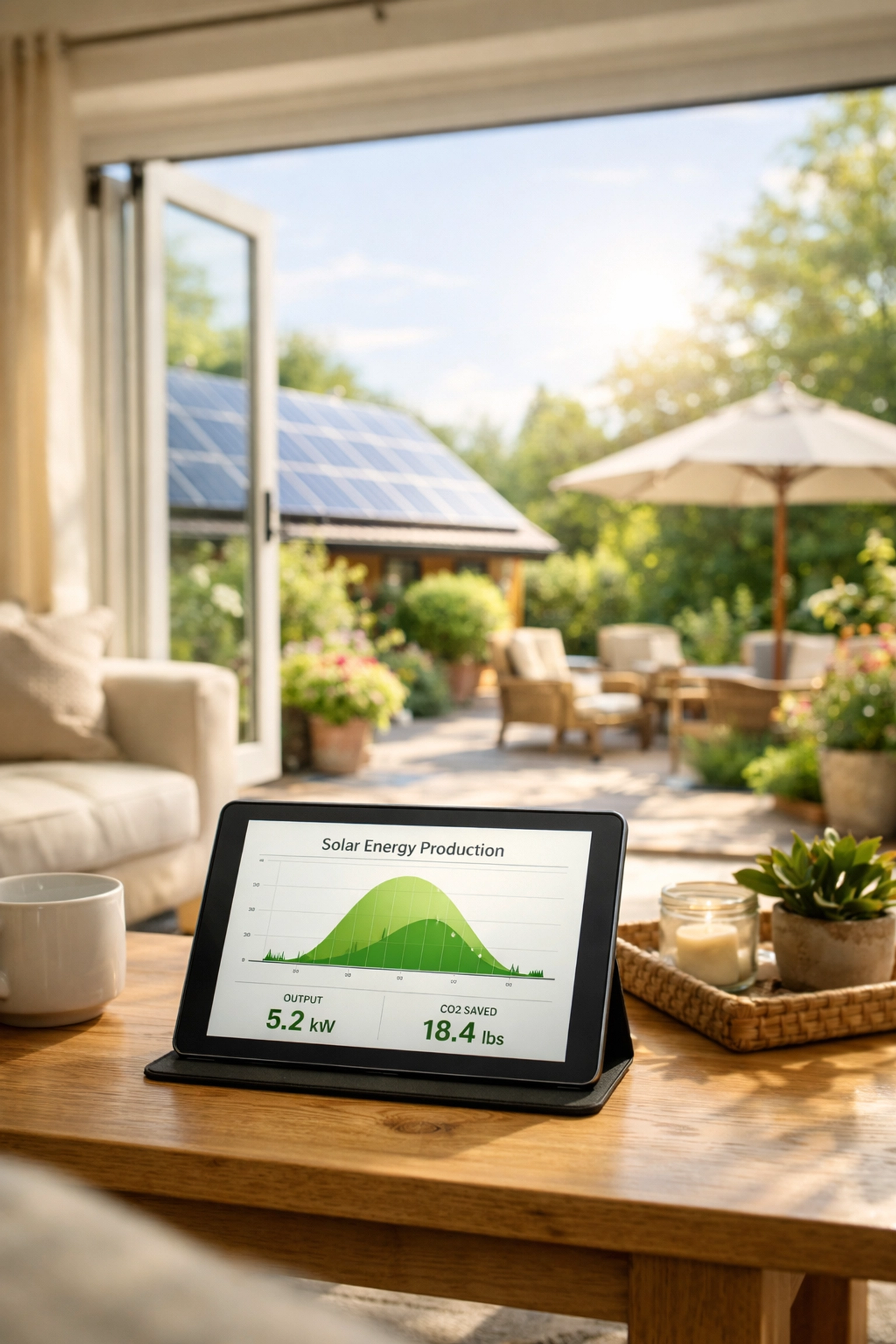
Are you ready to see how solar and battery storage could work for your specific property? The best way to start is with a conversation. We’ll look at your roof, your energy usage, and your goals to create a bespoke plan that offers the best defense against a volatile world.
Contact us today to discuss your needs and let’s build your energy security together.