


So, you’ve decided to take control of your energy bills. That is a smart move. With the energy market feeling more like a rollercoaster than a utility service lately, Bournemouth homeowners are looking for stability. Whether it’s the sting of the latest Ofgem price cap or the global volatility caused by conflicts in the Middle East pushing gas prices upward, the message is clear: generating and storing your own power is the ultimate hedge against inflation.
But now you’re faced with the "big" question. Do you go with the sleek, world-famous Tesla Powerwall 3, or do you opt for the British-engineered powerhouse, the GivEnergy All-in-One?
At DES Renewable Energy Ltd, we see this debate every day. As Tesla Powerwall Certified installers and an Octopus Trusted Partner, we’ve fitted hundreds of these systems across Dorset. We know that the "best" battery isn't the one with the biggest brand name: it’s the one that fits your specific lifestyle, your home’s wiring, and your future plans.
Let’s dive deep into the specs, the costs, and the "real-world" performance to see which one deserves a spot on your wall.
Why Energy Storage Matters in 2026
Before we look at the hardware, let’s talk about the "why." You might have noticed that the average energy bill has hovered around the £1,900 to £2,000 mark for a while now. Some forecasts suggest projected increases of over £300 for households relying solely on the grid.
A battery allows you to "time-shift" your energy. You can soak up free solar power during our sunny Bournemouth afternoons and use it at night. Or, if you’re on a smart tariff like Octopus Flux, you can charge your battery from the grid when prices are rock-bottom (usually in the middle of the night) and use that cheap power during the expensive evening peak.
It’s about more than just saving pennies; it’s about energy independence.
Meet the Contenders: Tesla vs. GivEnergy
Both of these systems are industry leaders for a reason. They both use Lithium Iron Phosphate (LFP) chemistry. This is the "gold standard" for home batteries because it’s incredibly safe, has a long lifespan, and doesn't use cobalt.
The Tesla Powerwall 3
The Powerwall 3 is the latest evolution from Elon Musk’s tech giant. It’s an integrated solar inverter and battery system. This means it can take the DC (Direct Current) electricity straight from your solar panels and convert it into AC (Alternating Current) for your home, all while managing the battery storage. It’s sleek, it’s powerful, and the software is arguably the best in the world.
The GivEnergy All-in-One (AIO)
GivEnergy has taken the UK by storm. Their All-in-One system is exactly what it sounds like: a premium battery and a high-spec inverter in one robust package. It’s known for its incredible value and its "modular" approach, which gives you a bit more flexibility if your energy needs grow down the line.
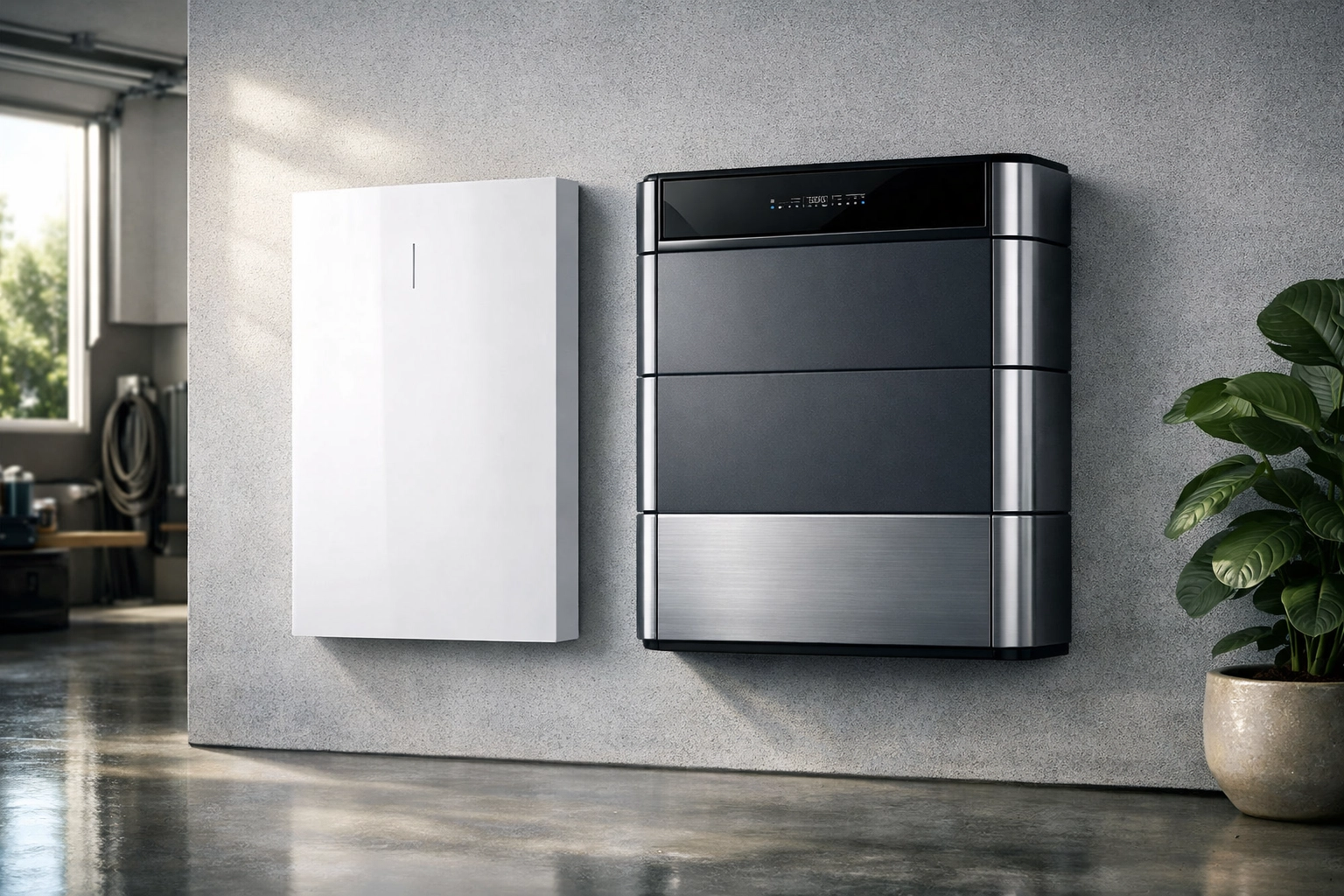
Head-to-Head: The Specifications
When you’re comparing these two, the numbers matter. Here is how they stack up side-by-side:
| Feature | GivEnergy All-in-One | Tesla Powerwall 3 |
|---|---|---|
| Storage Capacity | 13.5 kWh | 13.5 kWh |
| Continuous Power | 6.0 kW | 3.68 kW – 11.04 kW* |
| Peak Power | 6.0 kW | Up to 13 kW |
| Warranty | 12 Years | 10 Years |
| Chemistry | LFP (Cobalt-free) | LFP (Cobalt-free) |
| Installation | Indoor or Outdoor | Indoor or Outdoor |
| Expandability | Up to 6 units (78 kWh) | Up to 10 units (135 kWh) |
*Note: In the UK, the output is often limited by your local District Network Operator (DNO) to 3.68kW or 7kW on a single-phase supply.
Power Output: Why "Continuous Power" is the Secret Metric
You’ll notice both batteries hold 13.5 kWh of energy. To visualize that, 13.5 kWh is enough to run a typical UK home for a full day (excluding heavy heating). But the real difference is how fast they can deliver that power.
The GivEnergy AIO can deliver 6 kW of continuous power. This is plenty for most homes. It means you can run your kettle, your oven, and your TV simultaneously without pulling a single watt from the grid.
The Tesla Powerwall 3, however, is a beast. It can deliver up to 11.04 kW of continuous power (if your home’s electrical connection allows it). If you have a high-demand home: perhaps you have a heat pump, an electric shower, and an EV charger all running at once: the Powerwall 3 is less likely to "bottleneck."
And if you’re worried about technical jargon, don't be. Think of capacity (kWh) as the size of your fuel tank, and power (kW) as the size of the fuel pipe. Tesla has a slightly bigger pipe.
Warranty and Reliability: Peace of Mind in Dorset
Let’s face it: a solar battery is a significant investment. You want to know it’s going to last.
GivEnergy offers a 12-year warranty, provided the system is serviced. This is one of the best in the industry. Because they are a UK-based company, their support is excellent for local homeowners. If something goes wrong, getting a technician or a part is usually straightforward.
Tesla offers a 10-year warranty with a guarantee that the battery will still hold at least 80% of its capacity at the end of that decade. Tesla’s build quality is legendary, and their "fit and forget" reputation is well-earned.
Between you and our team, we often say that GivEnergy wins on the length of the warranty, but Tesla wins on the "ecosystem" and app experience.

The Software: Apps and Automation
This is where the two systems really start to feel different.
The Tesla App is widely considered the gold standard. It’s beautiful, fast, and incredibly intuitive. If you already own a Tesla car or a Tesla Wall Connector EV charger, everything sits in one place. You can watch your energy flow in real-time with zero lag. It even has a "Storm Watch" mode that automatically tops up your battery if a weather warning is issued for the Bournemouth area.
GivEnergy’s app is more geared towards the "data geek." It gives you incredibly granular control. You can see exactly what each string of your solar panels is doing. While it might not be quite as "pretty" as Tesla’s, it offers more flexibility for those who want to micro-manage their energy usage to save every possible penny.
Integration: Solar Panels and EV Chargers
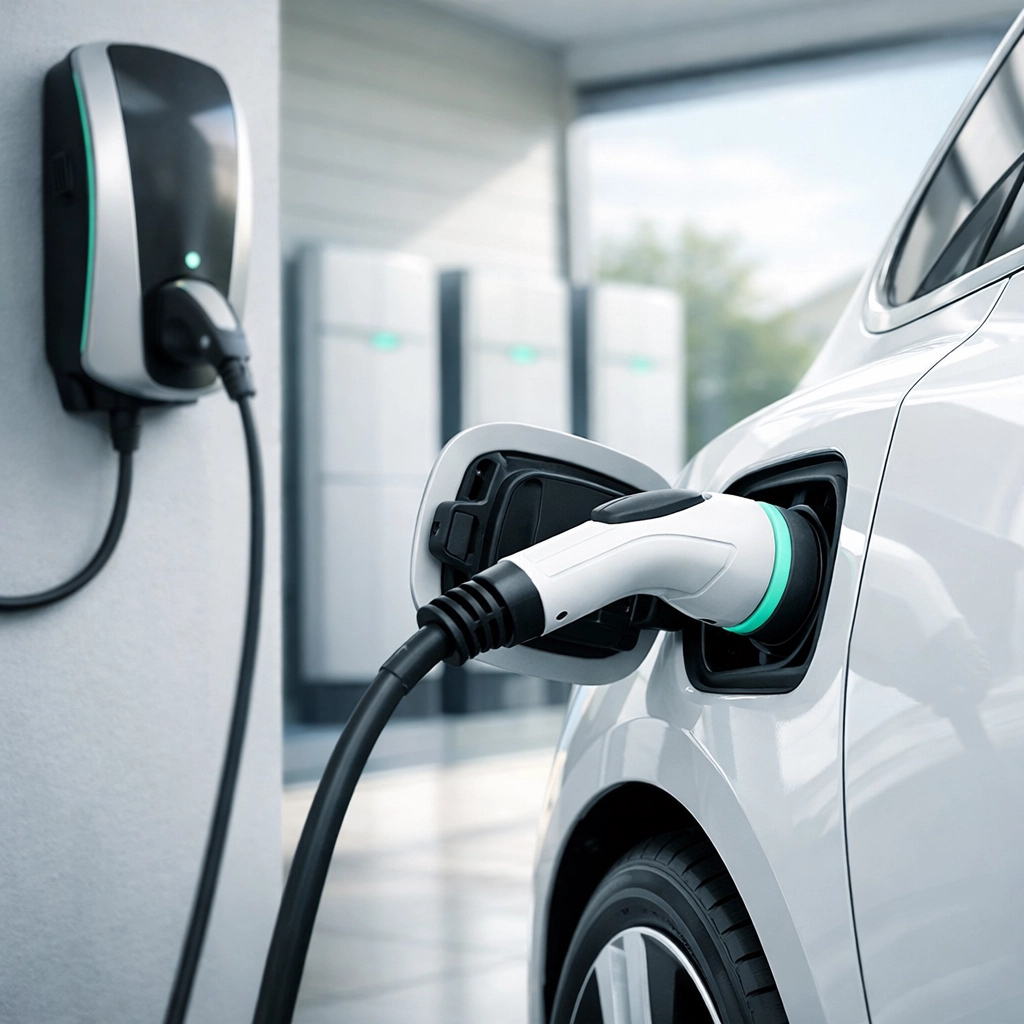
Are you planning to add an EV charger? This is where your choice might be decided for you.
If you are looking for a solar-integrated EV charging setup, both systems play well with others. However, the Powerwall 3 acts as its own solar inverter. This makes for a very "clean" install with fewer boxes on your wall.
GivEnergy, on the other hand, is famously compatible. It works seamlessly with their own range of chargers and is designed to be the heart of a "smart home." If you have a complex roof with multiple orientations (East/West/South), the GivEnergy system’s flexibility can sometimes make it easier to design an efficient array.
The Bournemouth Factor: Local Installation Considerations
Living on the coast in Bournemouth or Poole brings its own set of challenges. We have salty air and sometimes quite windy conditions.
Both the Tesla Powerwall 3 and the GivEnergy AIO are IP65 rated, meaning they are perfectly happy living outside. However, we often recommend installing them in a garage or a sheltered area to keep them looking their best.
More importantly, we have to talk about the DNO (District Network Operator). In our area, SSE (Scottish and Southern Electricity Networks) manages the grid. They have strict rules about how much power you can "push" back into the grid. As an MCS and NAPIT certified installer, we handle all the paperwork for you, ensuring your battery is configured to meet these local regulations without sacrificing performance.
Cost: The Bottom Line
We understand if you’re scratching your head over the price tags. There is a gap between these two.
- GivEnergy All-in-One: Typically costs around £9,000 – £10,000 fully installed.
- Tesla Powerwall 3: Usually sits in the £11,000 – £12,500 bracket.
Why the difference? With Tesla, you are paying for the integrated high-power inverter, the premium brand, and the world-class software. With GivEnergy, you are getting a highly efficient, UK-backed system that offers the best "bang for your buck" in terms of storage-per-pound.
Which is Better for Your Home?
There is no one-size-fits-all answer, but here is our "expert's guide" to choosing:
Choose the Tesla Powerwall 3 if:
- You already own a Tesla vehicle.
- You have a very high-demand home (heat pumps, multiple electric showers).
- You want the best mobile app experience on the market.
- You prefer a single, sleek unit that replaces your solar inverter.
Choose the GivEnergy All-in-One if:
- You want the best possible value for money.
- A 12-year warranty is important for your peace of mind.
- You want to support a UK-based company with local support.
- You might want to add more batteries later as your family grows.

Don't Make These Mistakes
When choosing a battery, don't just look at the brand. We’ve seen many homeowners in Dorset fall for "cowboy" installers who offer prices that seem too good to be true. Usually, these installs lack the proper certifications (like MCS), which means you could lose out on export payments and find your warranty is void.
We’ve put together a guide on 7 mistakes you’re making when choosing a solar installer to help you avoid the pitfalls.
Final Thoughts from DES Renewable Energy Ltd
Whether you choose the high-tech allure of the Tesla Powerwall 3 or the robust reliability of the GivEnergy All-in-One, you are making a fantastic decision for your home’s future. You’re protecting yourself from energy price hikes and doing your bit for the planet.
As a local, Bournemouth-based team, we are here to help you make that final call. We can visit your home, look at your current energy usage, and provide a tailored quote that shows exactly how much you could save.
Ready to see which battery fits your Bournemouth home? Contact our team today for a friendly, no-pressure chat about your renewable energy journey. Between our expertise and your vision, we’ll make sure your home is powered for the future.