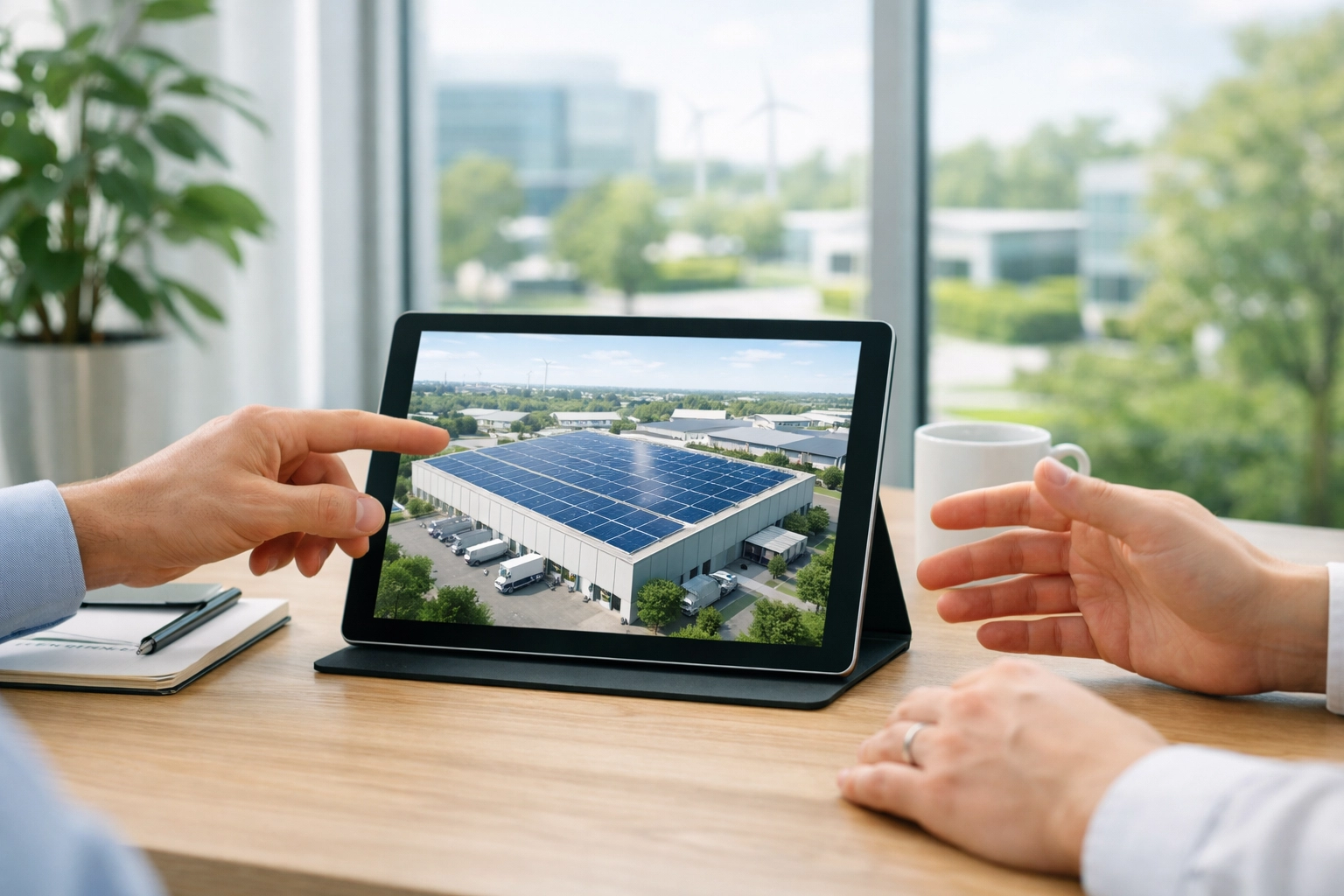
You’ve seen the panels appearing on the roofs of your competitors. You’ve probably heard the buzz about "going green" and "energy independence." But as a business owner or manager, you aren't interested in trends: you’re interested in the bottom line. You want to know if business solar power is a genuine financial asset or just an expensive eco-friendly badge.
The truth is, solar isn't a magic wand that fixes every financial woe. For some businesses, it’s the best investment they’ll make this decade. For others, the timing might not be quite right. And that’s okay.
In this guide, we’re going to strip away the marketing fluff and look at the cold, hard data regarding commercial ROI, the honest disadvantages of solar, and what you can actually expect after the installers pack up their tools.
The Hard Numbers: What Does Commercial ROI Actually Look Like?
When we talk about Return on Investment (ROI), we’re looking at how quickly the system pays for itself and how much "profit" it generates over its lifespan. For most commercial entities in the UK and beyond, the financial case has never been stronger.
Typically, businesses are seeing a payback period of between 5 to 7 years. If that sounds like a long time, consider this: after those initial years, your electricity is essentially free for the remainder of the system's life. Since high-quality Tier 1 panels are rated to last 25 to 30 years, you’re looking at two decades of pure profit.
Breaking Down the Annual Returns
Once the system has paid for itself, most companies see an annual ROI of 10% to 20%. To put that into perspective, if you invest £100,000 in a solar array, you could be looking at £150,000 in cumulative savings within just five to six years, depending on your energy usage and local rates.
And it's not just about the savings on your bill. Through mechanisms like the Smart Export Guarantee (SEG) or similar net metering schemes, you can sell excess energy back to the grid. It turns your roof from a maintenance liability into a secondary revenue stream.
If you're just starting to explore these concepts, our Business Solar Power 101 guide is a great place to get your bearings.
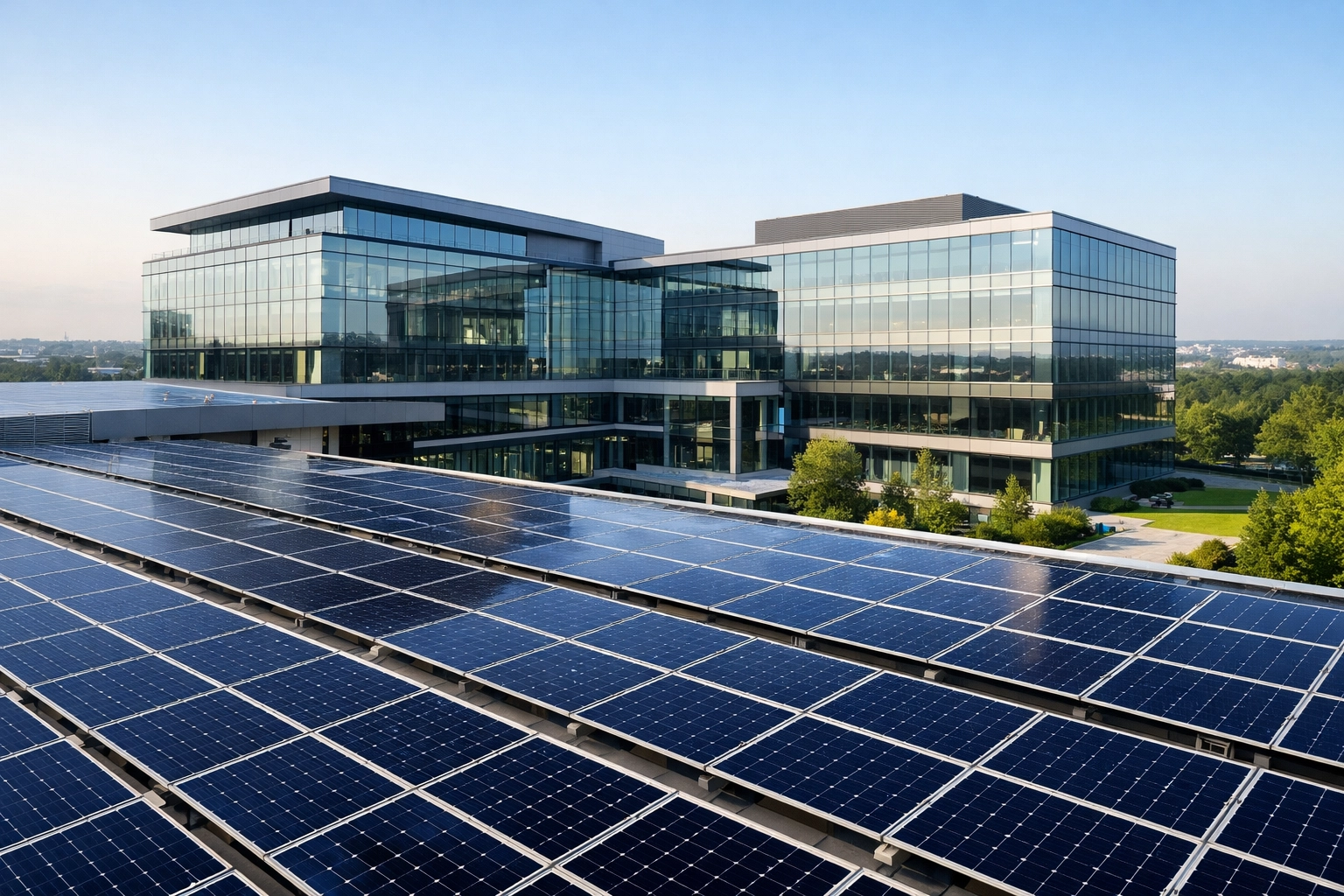
Advantages and Disadvantages of Solar Power: The Balanced View
We promised you the truth, and the truth includes the bits that aren't so shiny. To make an informed decision, you need to weigh the advantages and disadvantages of solar power specifically through a commercial lens.
The Advantages
- Price Certainty: Energy markets are volatile. By generating your own power, you "lock in" your energy costs for the next 25 years.
- Tax Incentives: Many businesses can take advantage of capital allowances (like Full Expensing in the UK), allowing you to deduct the full cost of the installation from your taxable profits in the first year.
- Property Value: Commercial buildings with high energy efficiency ratings (EPC) are significantly more attractive to tenants and buyers.
- Carbon Reduction: It’s the fastest way to hit your ESG (Environmental, Social, and Governance) targets.
The Honest Disadvantages
We understand if you're feeling skeptical about the "perfect" solution. Here are the real-world drawbacks:
- The Upfront Cost: Even with a high ROI, the initial capital outlay can be significant. If your cash flow is tight, this can be a hurdle.
- Roof Suitability: If you lease your building or your roof is nearing the end of its life, solar might not be viable right now.
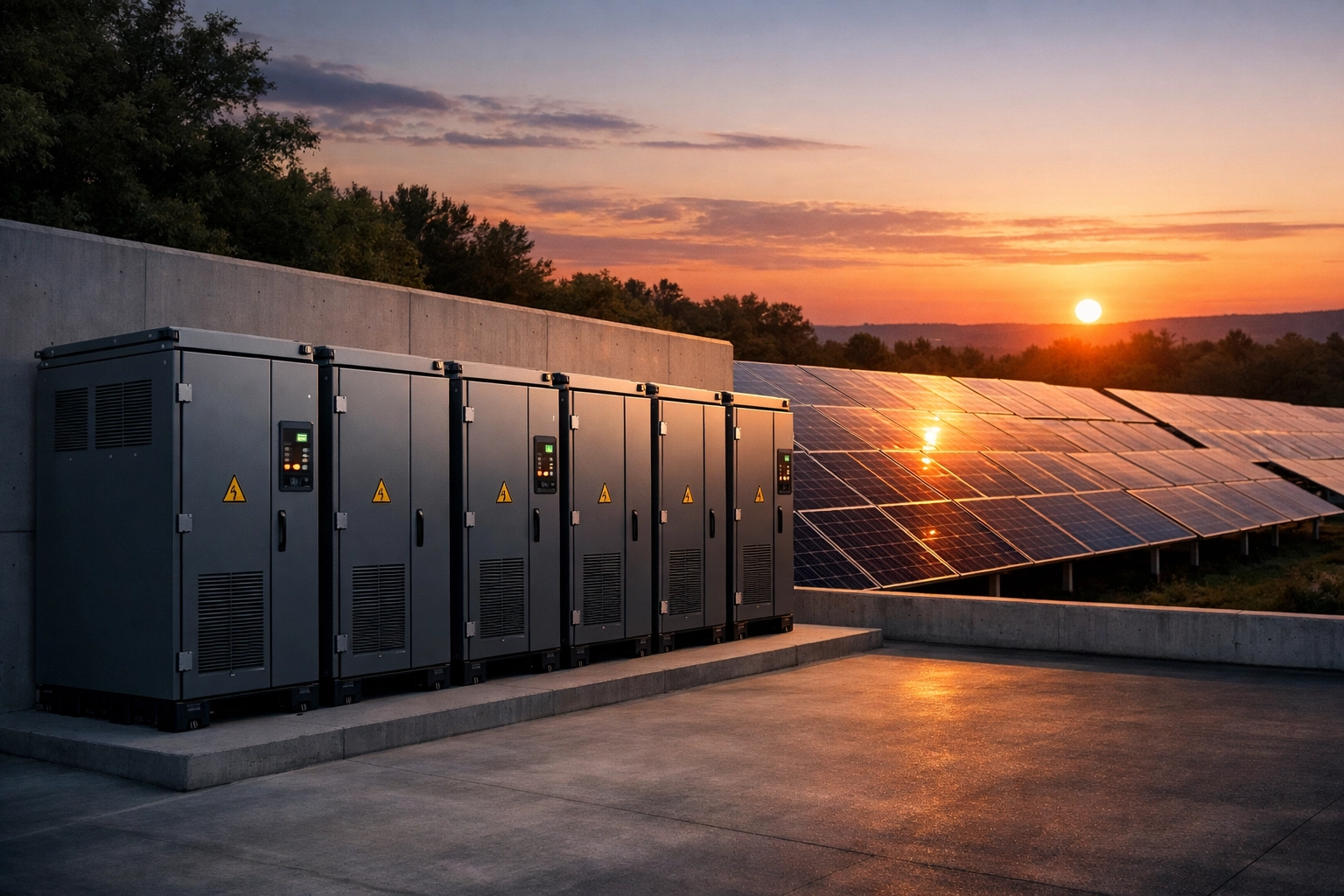
- Intermittency: The sun doesn't shine at night. Unless you invest in battery storage, you’ll still be relying on the grid during off-hours.
- Weather Dependency: While modern panels are incredibly efficient even on cloudy days, your peak production is tied to the seasons.
If you’re worried about whether your specific roof in Dorset or Hampshire is right for this, you might find our local guide on choosing solar installers helpful.
What Factors Determine Your Specific ROI?
Not every business will see a 5-year payback. Your "truth" depends on a few specific variables.
1. Your Energy Usage Profile
Solar is most profitable for businesses that consume the majority of their energy during daylight hours. If you run a manufacturing plant from 8 AM to 5 PM, you are the perfect candidate. You’ll be using your solar energy as it’s generated, which is far more valuable than selling it back to the grid.
2. Current Electricity Rates
The more you pay the grid, the more you save with solar. With commercial energy rates remaining unpredictable, solar acts as a hedge against future inflation.
3. System Design and Shading
A poorly designed system won't deliver. If a nearby building or even a vent stack casts a shadow over your panels, it can significantly drop your output. This is why professional site surveys are non-negotiable.
| Factor | High ROI Impact | Low ROI Impact |
|---|---|---|
| Operational Hours | Day-time (9-5) | Night-time/Shift work |
| Roof Orientation | South-facing | North-facing |
| Local Rates | High/Volatile | Low/Fixed |
| Incentives | Full Tax Relief | No Incentives |
For a deeper dive into the specifics of local returns, check out The Business Owner’s Guide to Solar ROI in Poole and Bournemouth.
Maintenance Tips: Keeping Your Investment at Peak Performance
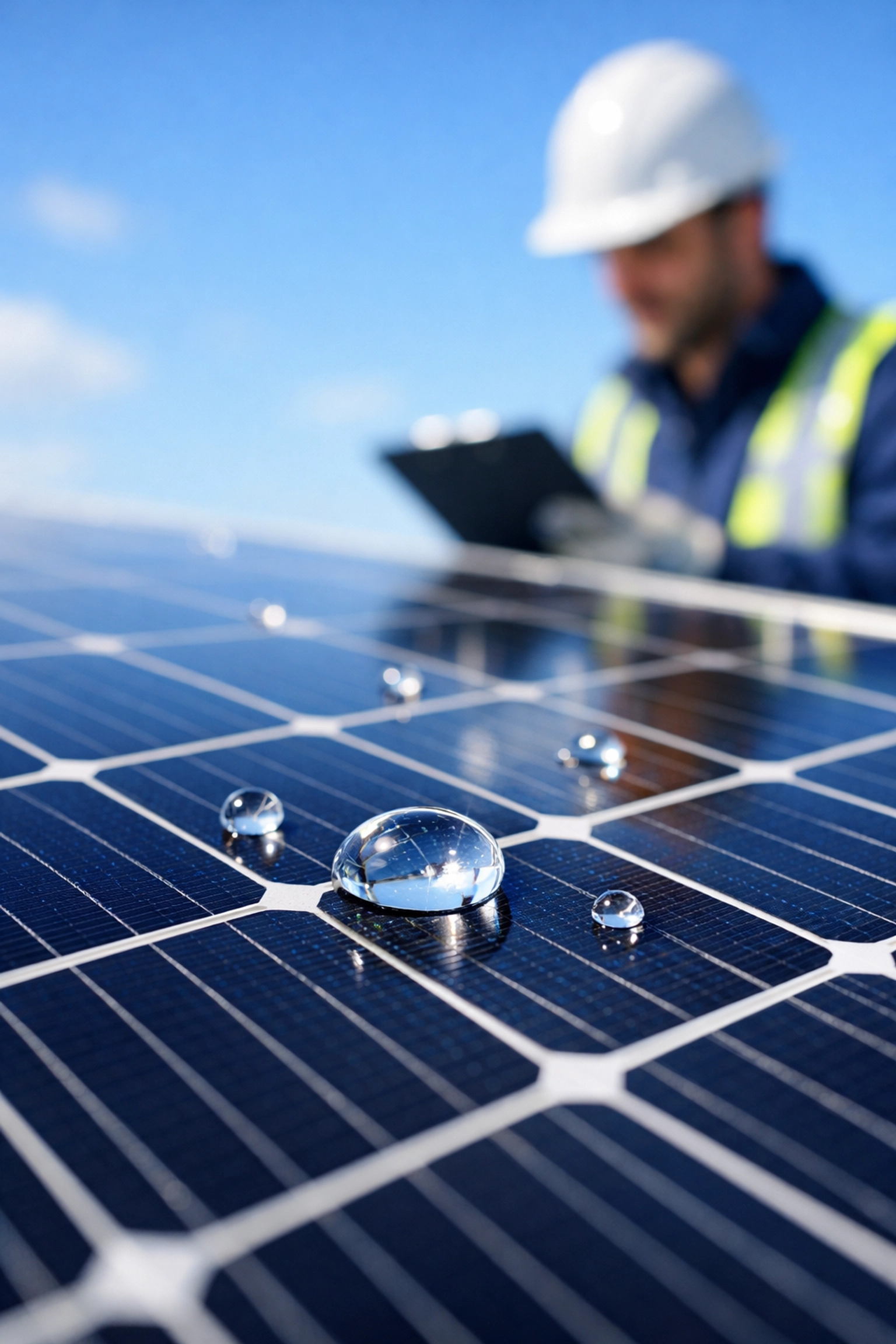
One of the best things about business solar power is that it has no moving parts. This means maintenance is relatively low: but it isn't zero. If you ignore your system, your ROI will slowly drift away as dirt and grime build up.
- Annual Inspections: We recommend a professional check-up once a year. This ensures that all electrical connections are tight and that the inverter (the brain of your system) is operating at maximum efficiency.
- Cleaning: Depending on your location (especially if you're near the coast or an industrial area), dust and bird droppings can reduce output by 5-10%. A simple cleaning every 1-2 years can pay for itself in recovered energy.
- Monitoring: Use the software that comes with your system. Most commercial inverters provide an app that lets you see production in real-time. If you see a sudden dip, you know something's wrong.
To learn more about protecting your 25-year investment, read our ultimate guide to solar aftercare.
Is Business Solar Power Actually Necessary?
Let’s be honest: your business won't collapse tomorrow if you don't install solar panels. You can continue to pay your utility bills as a standard cost of doing business. But in a world where margins are getting tighter and energy costs are a top-three expense for most SMEs, can you afford not to look at it?
If you have the roof space, the daytime energy demand, and a desire to stabilize your long-term overheads, solar isn't just a "nice-to-have": it's a competitive advantage.
Next Steps for Your Business
Navigating the world of commercial solar can feel overwhelming. You’re dealing with technical specifications, tax law, and construction logistics all at once. And that's okay. You don't need to be an expert; you just need to work with one.
At DES Renewable Energy Ltd, we specialize in helping businesses across the South of England figure out if solar is a smart move for them. We don't do "hard sells": we do data.
If you’re ready to see the real numbers for your building, contact us to discuss your needs. We can provide a bespoke ROI projection based on your actual energy bills and roof dimensions.
Whether you're in Poole, Bournemouth, or anywhere across Dorset and Hampshire, we're here to help you decide if business solar power is the right truth for your company.