


If you run a business in Dorset, you’ve likely spent the last few years watching your overheads fluctuate like a boat in a Poole Harbour gale. Between global market volatility and the rising costs of traditional energy, keeping your profit margins healthy has become a full-time job in itself.
But what if your roof could start paying you back?
In 2026, business solar power isn't just a "green" statement; it’s a calculated financial move. We aren't just talking about saving a few pounds here and there. We’re talking about a genuine, achievable 20% Return on Investment (ROI). For many Dorset companies, solar is now outperforming traditional ISA rates and stock market averages.
If that sounds like a lot of technical jargon to unpack, don't worry, and that's okay. We’re going to break down exactly how the numbers work, the honest pros and cons, and how your business can secure its energy future.
Why Solar ROI is Skyrocketing in 2026
You might be wondering why everyone is talking about solar right now. The reality is that the energy landscape has changed. With the average annual bill for UK businesses remaining volatile, often hovering around the £1,973 mark for smaller firms and significantly higher for industrial units, waiting for prices to drop isn't a viable strategy.
Factors like Middle East conflicts and global supply chain shifts continue to push grid prices upward. By installing solar, you aren't just buying panels; you’re buying a fixed energy price for the next 25 years.
The 20% ROI Calculation
How do we get to that 20% figure? It’s a combination of four main pillars:
- Bill Reduction: Generating your own electricity means you aren't buying it from the grid at 25p–35p per kWh.
- Smart Export Guarantee (SEG): Selling your excess energy back to the grid.
- Tax Incentives: Using capital allowances to offset the installation cost against your corporation tax.
- Grants: Programs like Low Carbon Dorset can cover up to 50% of your project costs.
When you factor these in, many systems pay for themselves in just 3 to 5 years. After that? It’s pure profit.
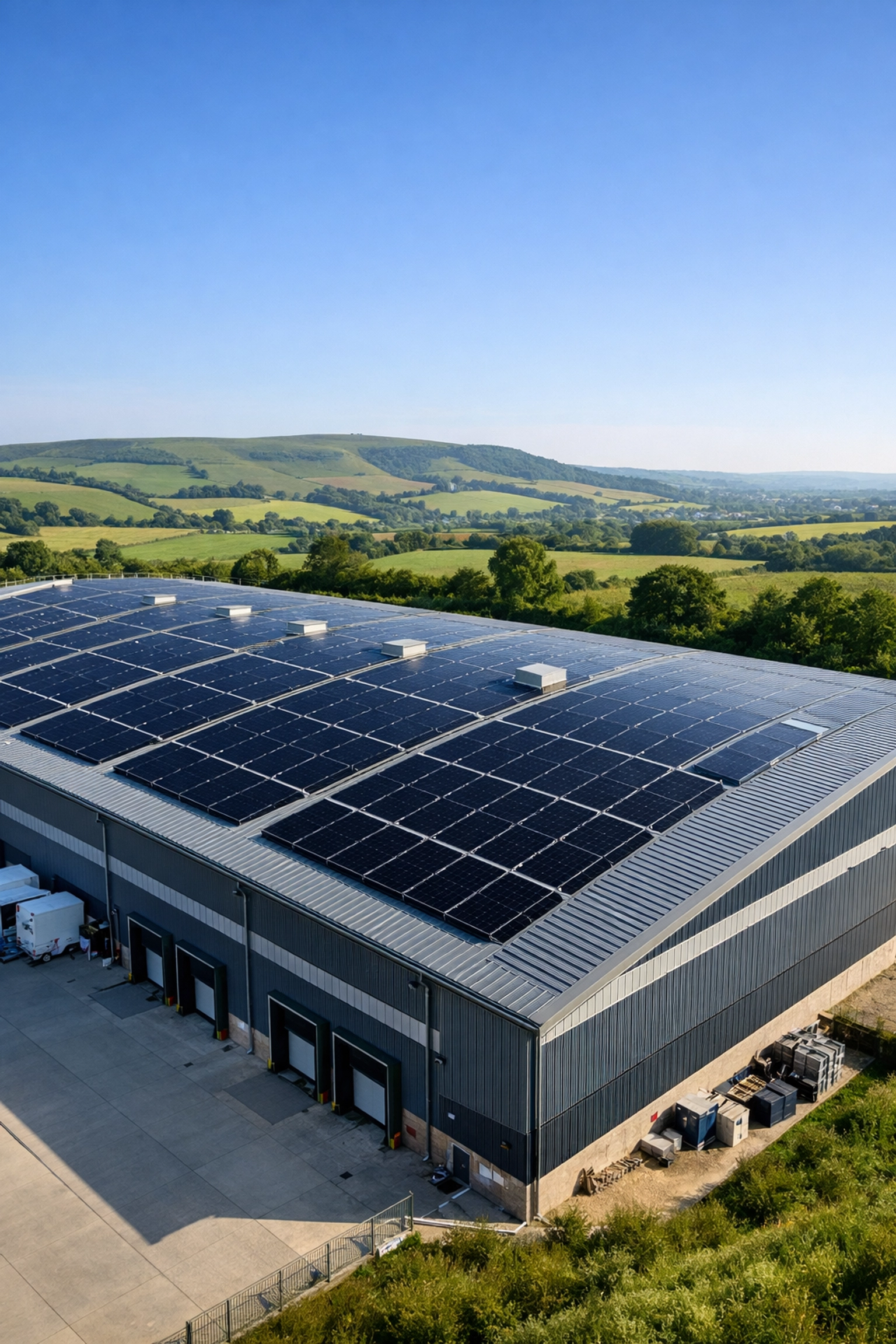
The Advantages and Disadvantages of Solar Power
We promised to be transparent, and that means looking at the full picture. Every investment has two sides, and business solar power is no different.
The Advantages: More Than Just Savings
- Energy Independence: You become less vulnerable to "price shocks" in the energy market. If the grid price spikes, your roof doesn't care.
- Carbon Footprint Reduction: This is becoming a massive requirement for B2B contracts. Many larger companies now require their suppliers to demonstrate a clear plan for carbon footprint reduction.
- Property Value: A commercial building with a high-yield solar array and an excellent EPC rating is far more attractive to future buyers or tenants.
The Honest Disadvantages: What to Watch Out For
It wouldn’t be an "expert guide" if we didn't mention the hurdles.
- The Upfront Cost: Even with grants, a commercial solar array is a significant capital outlay.
- Weather Dependency: Yes, we live in the UK. While solar technology has improved massively and works perfectly well on cloudy days, your peak generation will always be during the summer.
- Roof Suitability: If your roof is shaded by taller buildings or requires structural reinforcement, your ROI might take a hit.
If your roof isn't perfect, you might feel a bit discouraged, and that's okay. There are often workarounds, such as ground-mounted arrays or high-efficiency panels that maximize smaller spaces. You can learn more about the specifics of solar panels and how they fit different structures on our dedicated page.
Maximizing Your ROI: The "Dorset Advantage"
Dorset is actually one of the best places in the UK for solar. Why? Because we get significantly more "irradiance" (sunlight energy) than our friends up north.
To hit that 20% ROI target, you need to be smart about how you set up your system. Here is a comparison of how different setups impact your financial return:
| Feature | Basic Solar PV | Solar PV + Battery Storage |
|---|---|---|
| Typical ROI | 12% – 15% | 18% – 22% |
| Payback Period | 5-7 Years | 3-5 Years |
| Self-Consumption | 30% – 50% | 70% – 90% |
| Grid Independence | Low | High |
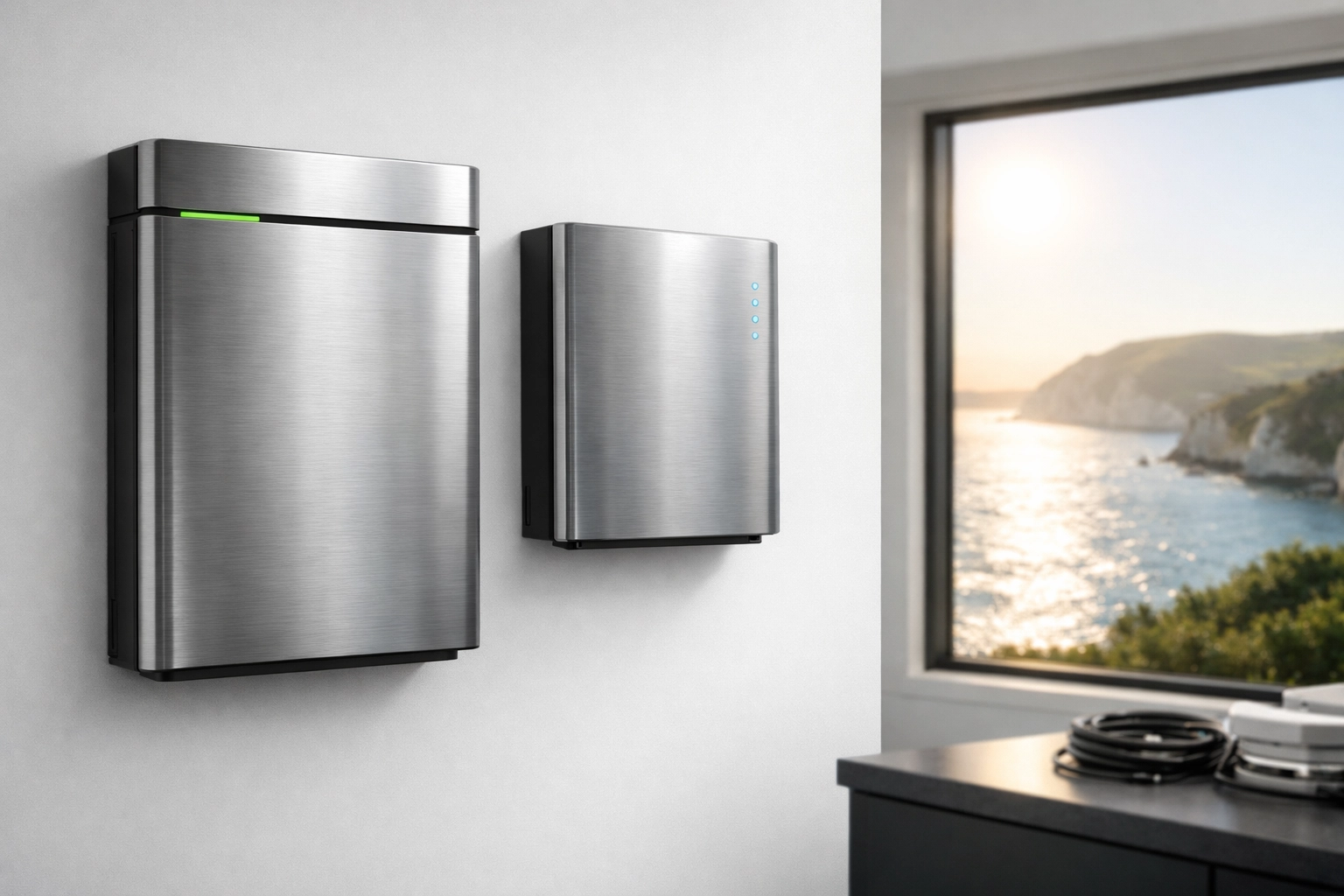
By adding battery storage: like the Tesla Powerwall or GivEnergy systems: you can store the energy you generate during the day and use it during expensive peak evening hours or early morning shifts. This "load shifting" is often the secret to pushing your ROI over the 20% mark.
Don't Leave Money on the Table: Grants and Financing
If you are a Dorset-based SME, you shouldn't be paying full price for your installation. The Low Carbon Dorset programme has been a game-changer for local businesses, offering grants from £1,000 to £75,000.
If you're wondering where to start with the paperwork, we recommend checking out the ultimate guide to renewable energy installers in Dorset. It covers everything from finding the right partner to navigating the grant application process.
Maintenance: Protecting Your 25-Year Investment
A common concern we hear is: "What happens if the panels break in five years?"
Modern commercial solar panels are incredibly durable. Most come with a 25-year performance warranty. However, to maintain that 20% ROI, you can't just "fit and forget." Dirt, salt spray (especially near the Dorset coast), and bird droppings can reduce your efficiency by 10% or more.
Simple Maintenance Tips for Businesses:
- Annual Professional Cleaning: Especially if you are near an industrial area or the coast.
- Inverter Checks: The inverter is the "brain" of your system. It works hard and usually needs replacing every 10–12 years. Factor this into your long-term solar installation maintenance budget.
- Monitoring Software: Most modern systems come with an app. Check it once a week. If your generation drops suddenly, you’ll know there is an issue before it costs you a month of savings.
For a deeper dive into keeping your system running at its peak, see our ultimate guide to solar aftercare.
Is Business Solar Right for You?
We’ve covered the data, the ROI, and the honest disadvantages. But at the end of the day, every business is unique. A manufacturing plant in Bournemouth will have different needs than a boutique hotel in Dorchester or a farm in North Dorset.
If you’re feeling a bit overwhelmed by the options: from Tesla Powerwall 3 vs GivEnergy All-in-One to choosing the right mounting system: don't worry. The best first step is always an energy audit.
How to Start Your Solar Journey
- Review your bills: Look at your half-hourly data if you have a smart meter. When are you using the most power?
- Check your roof: Is it south-facing? Is it in good repair?
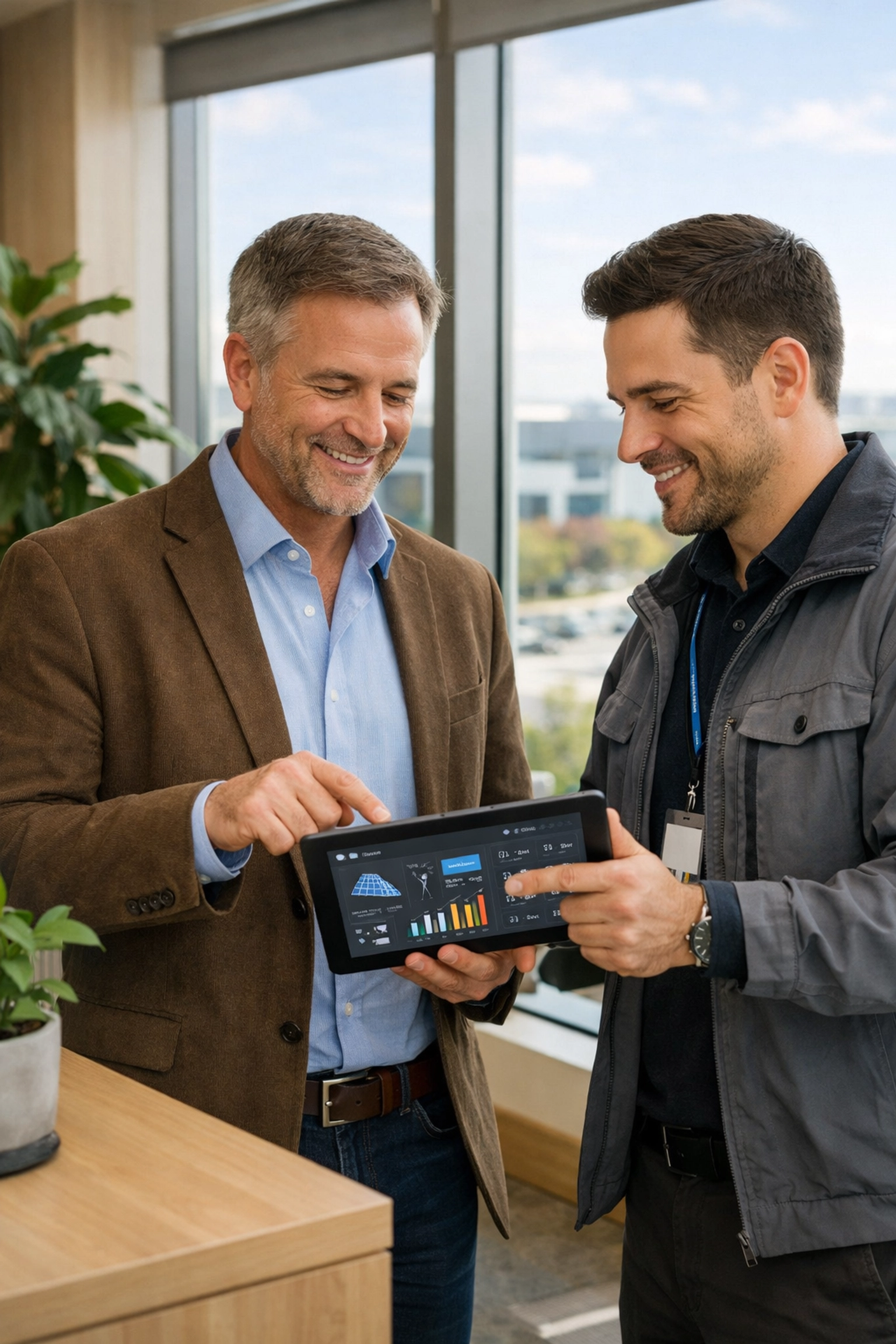
- Get a professional quote: A reputable installer will provide a detailed ROI forecast based on your specific location and usage.
At DES Renewable Energy Ltd, we specialize in helping local companies navigate the world of business solar power. We believe in honest advice and transparent data.
Ready to see if your business can hit that 20% ROI?
We’d love to help you crunch the numbers. Whether you're just starting your research or you're ready to apply for a grant, contact us to discuss your needs. Let’s work together to make your business more sustainable and significantly more profitable.