


You’ve done it. You’ve invested in a cutting-edge solar battery system. Maybe it’s the sleek Tesla Powerwall 3, or perhaps the robust GivEnergy All-In-One. You’re ready to watch those energy bills plummet and your energy independence soar.
But here’s the reality: simply having the hardware isn't enough.
Think of your energy storage system like a high-performance sports car. If you leave it in first gear, you’re never going to see what it can really do. At DES Renewable Energy Ltd, we’ve visited countless homes across Dorset and Hampshire where homeowners are frustrated because their savings haven't hit the "magic numbers" they expected.
Most of the time, the hardware is fine. The problem? The settings are working against them.
Let’s dive into the seven most common mistakes we see and, more importantly, how you can fix them today to get the most out of your investment.
1. The "Set and Forget" Fallacy
The biggest mistake you can make is assuming your installer set everything perfectly for every day of the year. Energy prices change. Seasons change. Your habits change.
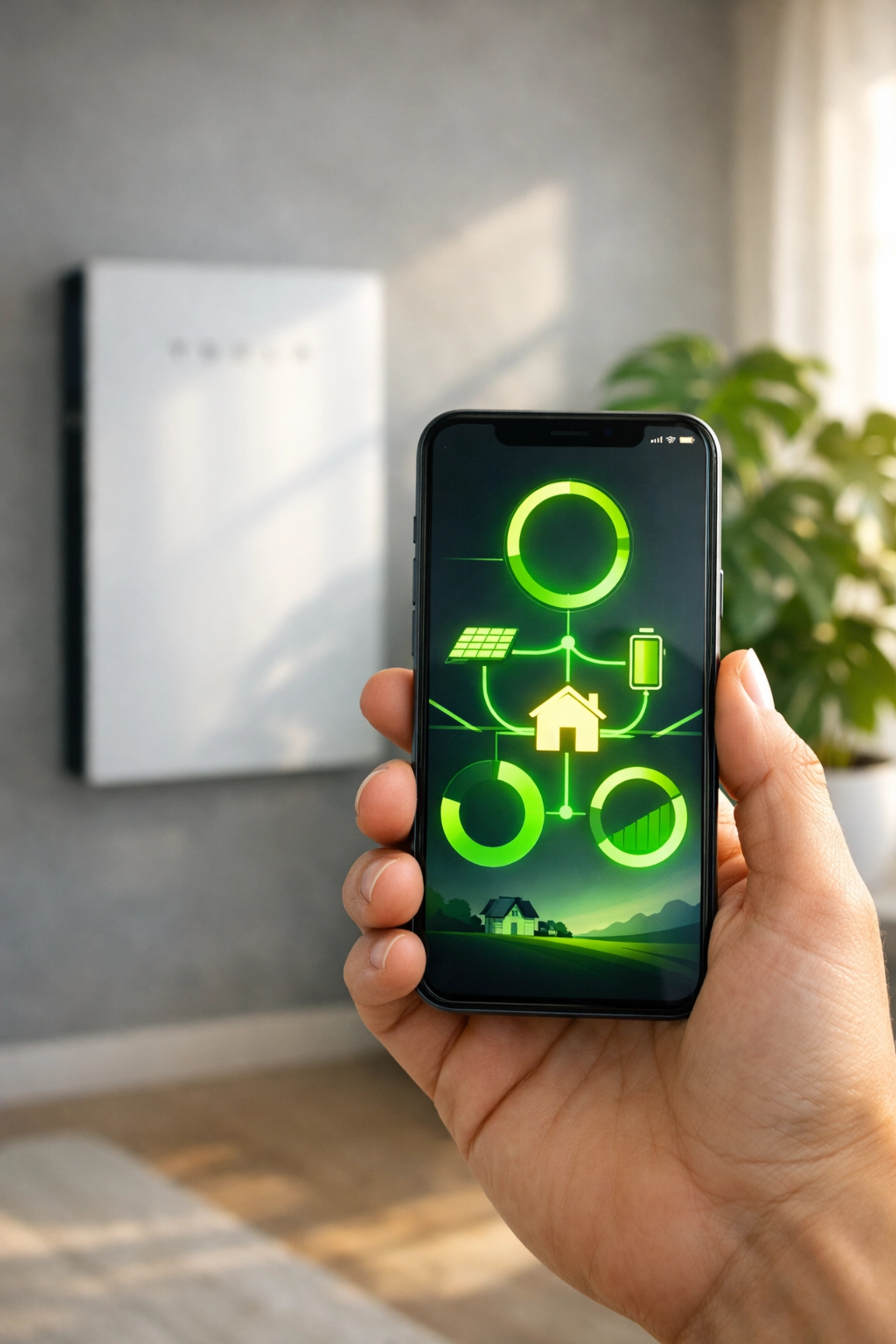
If you haven't opened your Tesla or GivEnergy app in three months, you’re likely wasting money. Your system has a Battery Management System (BMS): a clever bit of tech that protects the battery cells: but it still needs your input on how you want to use that power.
The Fix: Check your app at least once a week. Look at your "State of Charge" (SoC) and see if the battery is actually hitting 0% (or your set limit) by the end of the evening. If you’re going to bed with 40% left every night, you aren't using your stored energy effectively.
2. Ignoring Seasonal Mode Adjustments
In the UK, a "standard" setting for July is a disaster for January.
During the summer, your main goal is likely maximizing self-consumption: using every drop of sunshine to power your home and charge the battery. But in the winter, the sun is lower and the days are shorter. You might not generate enough solar to fill the battery at all.
The Fix: Switch to a "Timed Charge" or "Eco Strategy" in the winter. As an Octopus Trusted Partner, we often recommend using smart tariffs like Octopus Flux or Agile. You should set your battery to "Force Charge" from the grid during the cheapest overnight hours (usually 2 AM to 5 AM). This ensures you start the day with a full battery of cheap electricity, even if it’s raining outside.
3. Setting an Unrealistic Backup Reserve
We understand the peace of mind that comes with having a backup. If the grid goes down in Bournemouth, you want your lights to stay on. But if you set your "Backup Reserve" too high: say, 50%: you are effectively cutting your battery’s useful capacity in half.
A 13.5kWh Tesla Powerwall with a 50% reserve only gives you 6.75kWh for daily use. That’s a lot of expensive hardware sitting idle just "in case."
The Fix: For most UK homeowners, a 10% to 20% backup reserve is plenty. This keeps enough juice to run your fridge and lights during a typical short outage while leaving the rest of the capacity to shave your daily bills. If a storm is forecasted, you can always bump it up to 100% temporarily through the app.
Check out our guide on how to keep your system at peak performance for more on longevity.
4. Misunderstanding Depth of Discharge (DoD)
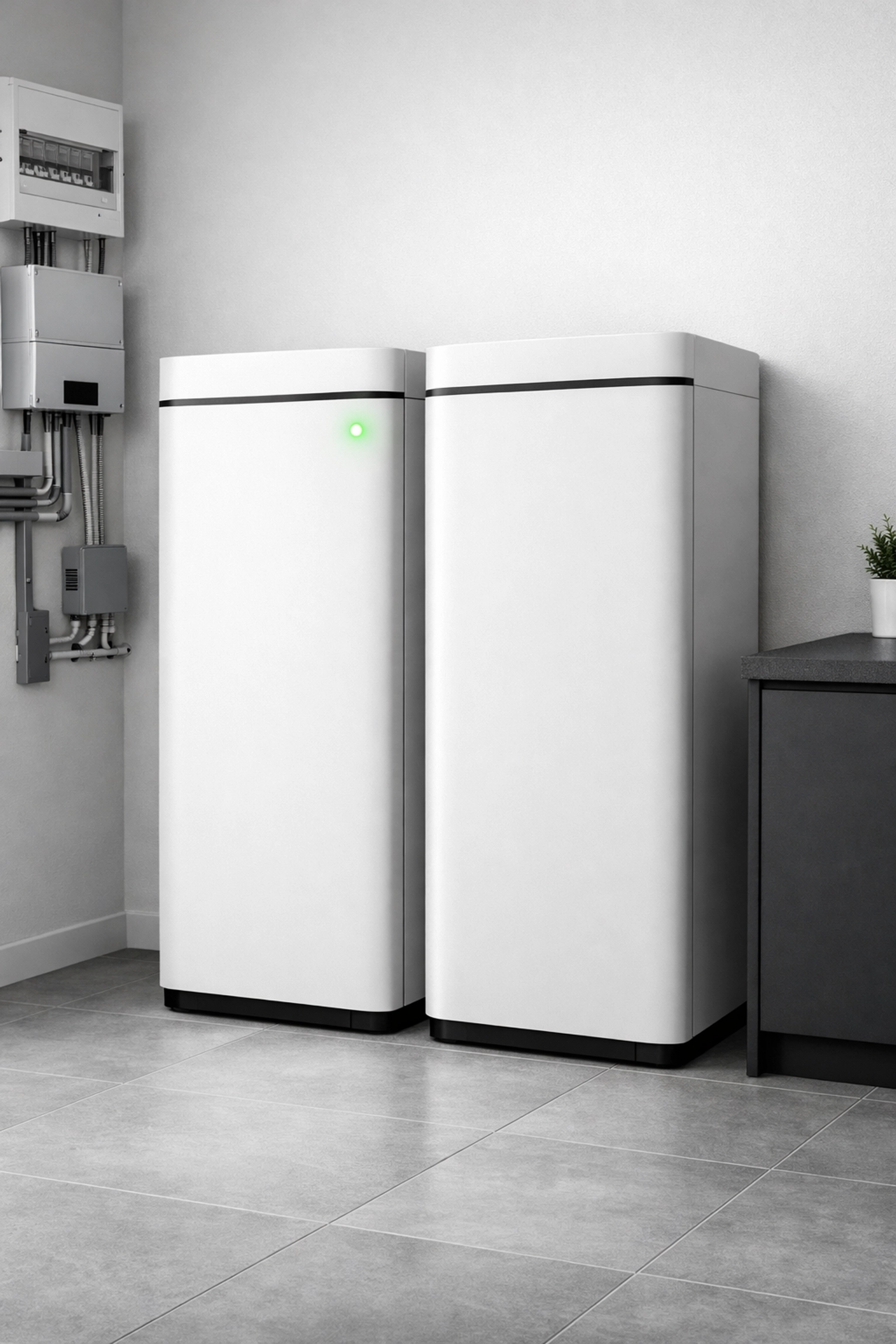
Technical jargon alert! Depth of Discharge (DoD) refers to how much of the battery’s energy can be used before it needs to recharge. Older lead-acid batteries could only be drained 50% without damage. Modern lithium-ion systems like the ones we install are much tougher.
However, some homeowners still set their systems too conservatively, fearing they will "wear out" the battery.
| System | Recommended Max DoD | Total Usable Capacity |
|---|---|---|
| Tesla Powerwall 3 | 100% | 13.5 kWh |
| GivEnergy All-In-One | 100% | 13.5 kWh |
| SolarEdge Home Battery | 100% | 9.7 kWh |
The Fix: Don’t be afraid to use the full range. Tesla and GivEnergy systems are designed for 100% DoD. The BMS handles the safety margins internally, so if the app says 0%, there is still a tiny chemical reserve keeping the cells healthy. Use what you paid for!
5. Clashing with Your EV Charger Settings
This is a big one. You plug in your electric vehicle (EV) at 6 PM, and suddenly your home battery drains into your car in twenty minutes. Now your battery is empty, and you’re buying peak-rate electricity from the grid for the rest of the evening.
This is a classic case of "dumb" integration. Your EV charger and your home battery are fighting over the same energy.
The Fix: You need "Solar Integrated Charging." Systems like the Zappi or the GivEnergy EV Charger can talk to your solar setup. Set your EV to charge only when there is excess solar (Eco+ mode) or during those same cheap overnight hours when your battery is also charging from the grid.
Want to see which battery plays best with your setup? Compare the Tesla Powerwall 3 vs GivEnergy All-In-One here.
6. Neglecting Environmental Factors in Your Settings
Did you know that extreme cold can slow down your battery's charge rate? If your battery is in a drafty garage or an external lean-to, it might struggle to take in energy as fast as your panels are producing it on a crisp, sunny March morning.
Some systems have a "Preconditioning" or "Battery Warming" setting. If you don't enable this, you might see "Clipping," where solar energy is wasted because the battery can't accept it fast enough.
The Fix: If your battery is installed in an unheated space, ensure "Preconditioning" is turned on during winter months. This uses a tiny bit of energy to warm the cells to an optimal temperature, ensuring they can charge at maximum speed when the sun hits your panels.
7. Failing to Plan for Future Expansion
Your energy needs today won't be your energy needs in three years. Maybe you’re planning a loft conversion, or perhaps you’re finally getting that heat pump. If you lock your settings into a small, rigid system now, you’ll hit a bottleneck later.
Many people choose a battery that isn't easily scalable. When they try to add more capacity later, the settings become a nightmare because the two units don't "talk" to each other correctly.
The Fix: When choosing your system, look for "Scalability." The GivEnergy range is fantastic for this, allowing you to add more battery modules easily. If you’re looking for a "plug and play" solution that grows with you, the Goodwe ESA is a game-changer for South England homeowners.
Summary: Getting it Right
Setting up a solar battery isn't a "one and done" job. It’s a partnership between your lifestyle and the technology. By avoiding these seven mistakes, you can significantly shorten your Return on Investment (ROI) and ensure your system lasts for its full 25-year expected lifespan.
Quick Checklist for Your Settings:
- Check your app: Are you using your full capacity daily?
- Adjust for seasons: Are you grid-charging in the winter?
- Review your backup: Is it set higher than 20%? (If so, why?)
- Sync your EV: Is your car "stealing" from your home battery at peak times?
Work With the Experts
If you're feeling overwhelmed by all the toggles and modes in your app, don't worry. That’s what we’re here for. As Tesla Powerwall Certified installers and experts in SolarEdge and GivEnergy, we don't just bolt boxes to walls: we help you master your energy.
Whether you're in Poole, Bournemouth, or anywhere across Dorset and Hampshire, we can help you optimize your setup for maximum savings.
Ready to stop making these mistakes and start saving?
Contact the team at DES Renewable Energy Ltd today. We’ll help you navigate the world of smart energy storage and make sure your settings are working as hard as you are.