


So, you’ve made the leap into commercial solar. You’ve seen the glossy brochures, heard the promises of energy independence, and probably felt a sense of pride as those panels went up on the roof. But now, six months or a year down the line, you’re looking at the numbers and wondering: where is that massive Return on Investment (ROI) you were promised?
It’s a frustrating spot to be in, especially with the current global energy landscape. As of March 2026, we’re seeing significant volatility in the Middle East and fluctuating oil prices that make grid electricity more unpredictable than ever. Achieving energy security through business solar power isn't just a "green" choice anymore; it’s a vital financial strategy.
If your ROI isn't hitting the mark, don't panic. It’s often down to a few common, fixable hurdles. Let’s dive into why your system might be underperforming and how we can get those numbers back into the black.
1. Suboptimal System Design and Orientation
It sounds simple, but you’d be surprised how often a system is designed for "ease of installation" rather than "maximum yield." If your panels aren't tilted at the correct angle or are facing away from the peak sun, you could be losing 10% to 15% of your potential energy every single day.
In the UK, a south-facing roof is the gold standard, but east-west splits can also be highly effective for businesses that operate 9-to-5. If your installer didn't use advanced 3D modeling to account for nearby trees or neighbouring buildings, shadows could be "choking" your output.
How to fix it:
- Request a performance audit.
- Check for new obstructions (like new construction nearby).
- Consider power optimisers that allow panels to work independently, so one shaded panel doesn't bring down the whole string.
2. You’ve Overlooked Energy Storage
Generating power is one thing; using it effectively is another. If your business creates most of its solar energy at noon but your peak demand is at 7 AM or 6 PM, you’re likely exporting your "cheap" energy to the grid for pennies and buying it back at a premium.
With energy prices remaining high due to global tensions, the gap between what you get paid for export and what you pay for import is widening. This is where battery storage becomes a game-changer. By storing that midday sun, you can "shave" your peak demand and significantly lower your bills.
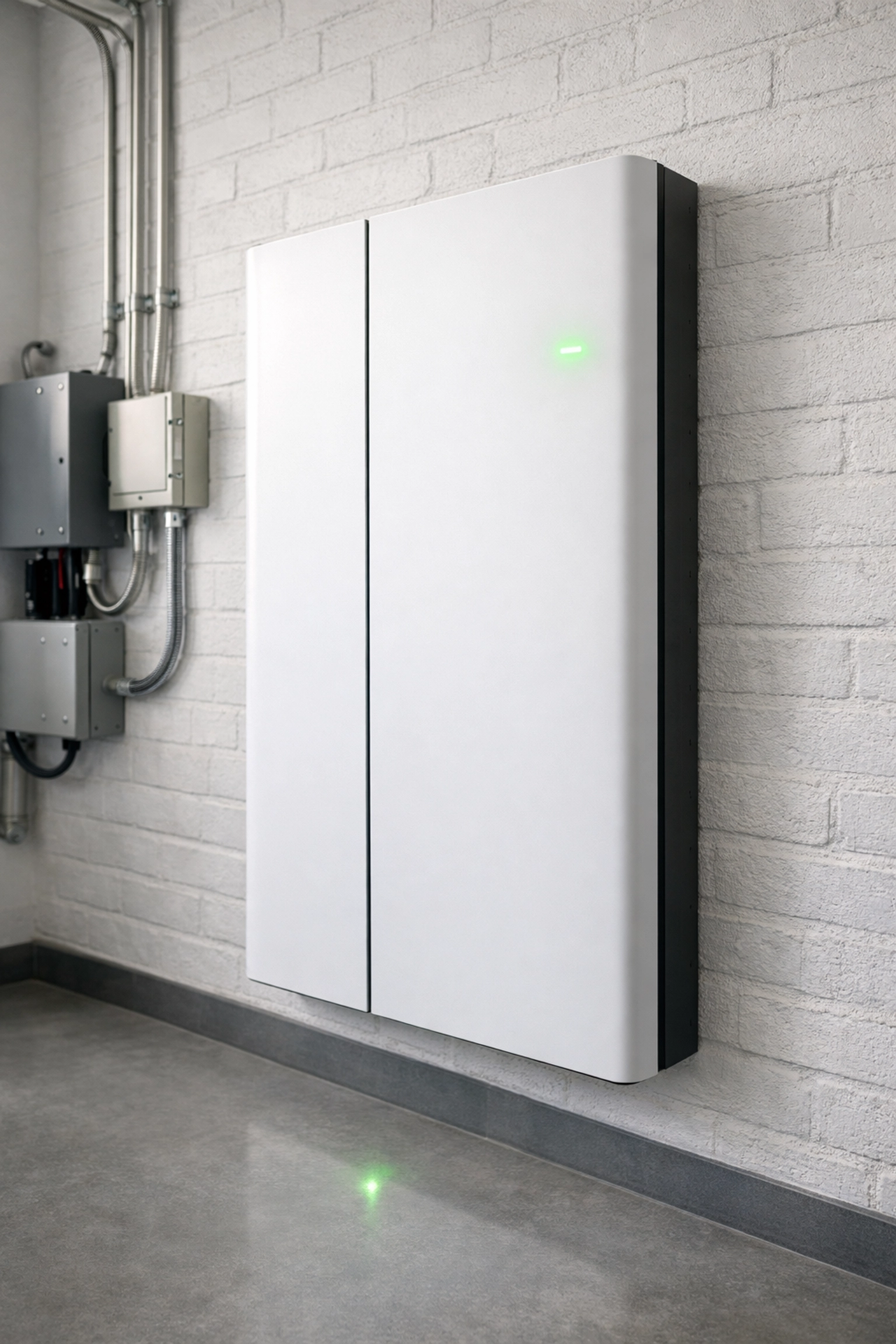
Comparing Popular Storage Solutions
| Feature | Tesla Powerwall 3 | GivEnergy All-In-One |
|---|---|---|
| Usable Capacity | 13.5 kWh | 13.5 kWh |
| Max Power Output | 11.5 kW (continuous) | 6.0 kW (continuous) |
| Warranty | 10 Years | 12 Years |
| Best For | High-demand machinery | Standard commercial offices |
If you're wondering which might suit your specific premises, we’ve put together a comparison of the Tesla Powerwall 3 vs GivEnergy All-In-One to help you decide.
3. Inadequate Monitoring and "Silent" Failures
Solar systems are generally reliable, but they aren't immortal. Inverters can fail, strings can go offline, and debris can cause "hotspots." If you aren't checking your monitoring app regularly, your system could be half-broken for months without you noticing: and that’s okay, we’ve all got businesses to run.
However, a "silent" failure is an ROI killer. For a typical 50kW commercial system, even a week of downtime can cost hundreds of pounds in lost savings.
How to fix it:
- Set up automated alerts on your monitoring platform.
- Schedule a professional "health check" once a year.
- If you’re in Dorset or Hampshire, look for renewable energy installers who offer proactive maintenance packages.
4. The "Dirty" Truth: Neglecting Maintenance
The advantages and disadvantages of solar power often revolve around the idea that they are maintenance-free. While they have no moving parts, they do get dirty. Dust, bird droppings, and industrial soot can create a film over the glass that blocks sunlight.
Data shows that heavily soiled panels can lose up to 25% of their efficiency. If your ROI is dipping, a simple professional clean could be the cheapest way to boost it.
How to fix it:
- Check out our ultimate guide to solar aftercare for a maintenance checklist.
- Don’t just use a garden hose; mineral buildup from hard water can actually make the problem worse!
5. Incorrect System Sizing
There is a "Goldilocks" zone for solar sizing. If your system is too small, it barely makes a dent in your bills. If it’s too large and you don't have enough storage or a good export tariff, you’ve spent a lot of capital on capacity that isn't working for you.
Many businesses make the mistake of sizing their system based on their total annual usage, rather than their daytime usage. If you aren't using the power as it's generated, your ROI timeline will stretch from 5 years to 10 years very quickly.
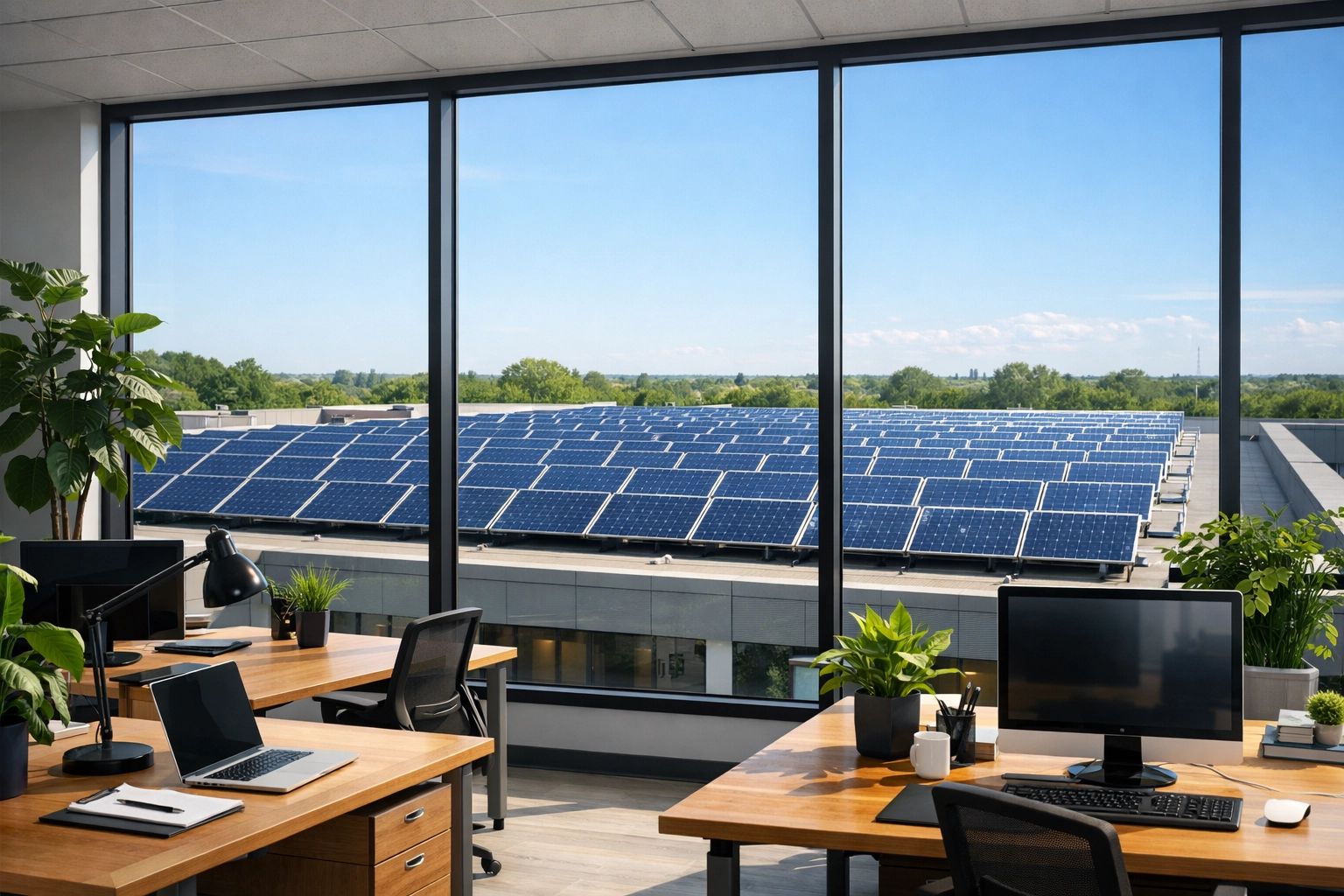
6. Ignoring the Honest Disadvantages of Solar
We love solar, but we have to be transparent: it isn't perfect. One of the honest disadvantages of solar power is its intermittency. On a dark, rainy Tuesday in November, your ROI effectively pauses.
If your financial model assumed 100% sunny days, your expectations might be skewed. Understanding the solar panel investment landscape means accounting for seasonal variations. If your ROI is lower in winter, that’s normal: and that’s okay. The summer months will usually make up the difference, provided the system is healthy.
7. Not Leveraging Tax Incentives and Grants
In 2026, there are still various capital allowances and "super-deduction" style incentives available for UK businesses investing in green tech. If your accountant hasn't factored in these tax breaks, your ROI will look much worse on paper than it actually is.
What to look for:
- Annual Investment Allowance (AIA): This often allows you to deduct the full cost of the solar installation from your profits before tax.
- Smart Export Guarantee (SEG): Ensure you are actually signed up to receive payments for the energy you send back to the grid.
8. Missing Out on Energy Efficiency Synergies
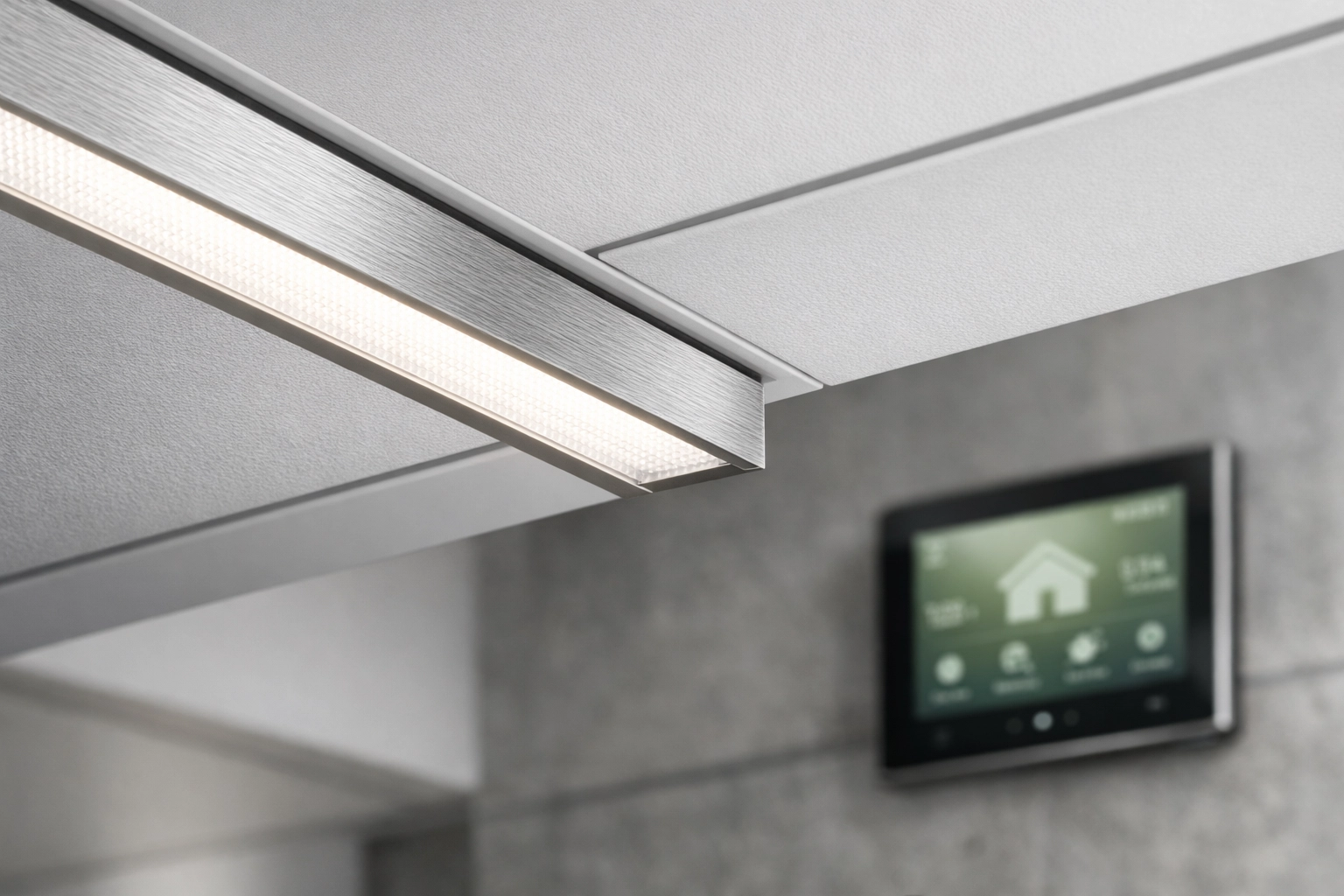
Solar shouldn't work in a vacuum. If you have a massive solar array but your warehouse still uses old-fashioned halogen lighting, you’re essentially pouring water into a leaky bucket.
By pairing solar with LED retrofits and smart HVAC controls, you reduce your overall "baseload." This allows your solar energy to cover a larger percentage of your total needs, effectively "accelerating" your ROI.
9. Sticking with the Wrong Energy Tariff
Many businesses install solar but stay on a standard fixed-rate energy tariff. In today’s market, many providers offer "Time of Use" (ToU) tariffs. These allow you to buy grid electricity very cheaply at night (to charge your batteries) and avoid the massive spikes in the late afternoon.
Without the right tariff, your solar panel financial advice is incomplete. You need a setup that works with the grid, not just against it.
10. Failing to Account for Energy Price Inflation
When calculating ROI, many businesses use today’s energy prices. However, looking at the geopolitical climate in 2026: with continued tensions affecting global supply chains: energy prices are likely to rise by an average of 5-7% annually over the next decade.
Your solar system is a hedge against this inflation. Every kWh you generate is a kWh you don't have to buy at future, higher prices. When you factor in "avoided cost" inflation, your ROI usually looks much healthier.
Typical ROI Breakdown for a 30kW Business System
| Factor | Impact on Payback Period |
|---|---|
| Optimal Design | Reducess payback by 1.5 years |
| Battery Storage | Reduces payback by 2 years (via peak shaving) |
| No Maintenance | Increases payback by 2+ years |
| Tax Incentives | Immediate 19-25% "discount" on net cost |
The Path Forward
Maximising your solar ROI isn't about one single "magic" fix. It’s about a combination of smart hardware, proactive maintenance, and strategic financial planning. Whether you're just starting your journey or you're looking at an existing system that isn't quite hitting the mark, we’re here to help you bridge that gap.
If you’re feeling unsure about your system's performance or you're considering an upgrade to include storage like the Tesla Powerwall, the best next step is a professional audit.
Contact us to discuss your needs. We can take a look at your current data and help you find those "missing" percentages to ensure your business is as energy-independent as possible.