


You’ve probably noticed your electricity bill creeping up again. It’s a frustrating cycle, isn’t it? With the average UK energy bill hovering around £1,973 and recent forecasts suggesting further increases due to global market volatility and conflicts in the Middle East, the "standard" way of powering your home is becoming a luxury.
But here is the good news: you don't have to be at the mercy of the grid.
If you already have solar panels: or you’re thinking about getting them: a solar battery is the missing piece of the puzzle. It allows you to store the energy you generate during the day so you can use it at night. In this guide, we’re going to deep-dive into the two heavyweights of the industry: the Tesla Powerwall and GivEnergy.
By the time you finish reading, you’ll know exactly which system fits your lifestyle, your budget, and your home.
What Exactly is a Solar Battery?
Think of a solar battery like a giant, smart power bank for your house. Without one, any solar energy you don't use the moment it's generated gets sent back to the grid. Usually, the grid pays you pennies for it, only to charge you pounds to buy it back a few hours later. That doesn't seem fair, does it?
A battery system stores that "excess" energy. Instead of exporting it, you keep it.
Key Terms You Should Know
- kWh (Kilowatt-hour): This measures how much energy the battery can hold. Think of it like the size of a fuel tank.
- kW (Kilowatt): This is the power output: how much energy the battery can "give" at any one moment. A higher kW means you can run more appliances (like a kettle and a tumble dryer) at the same time.
- LFP (Lithium Ferro Phosphate): This is the modern chemical makeup of the batteries. It’s safer, more stable, and lasts longer than older lithium-ion versions. Both Tesla and GivEnergy use this tech now.
The Tesla Powerwall 3: The Gold Standard?
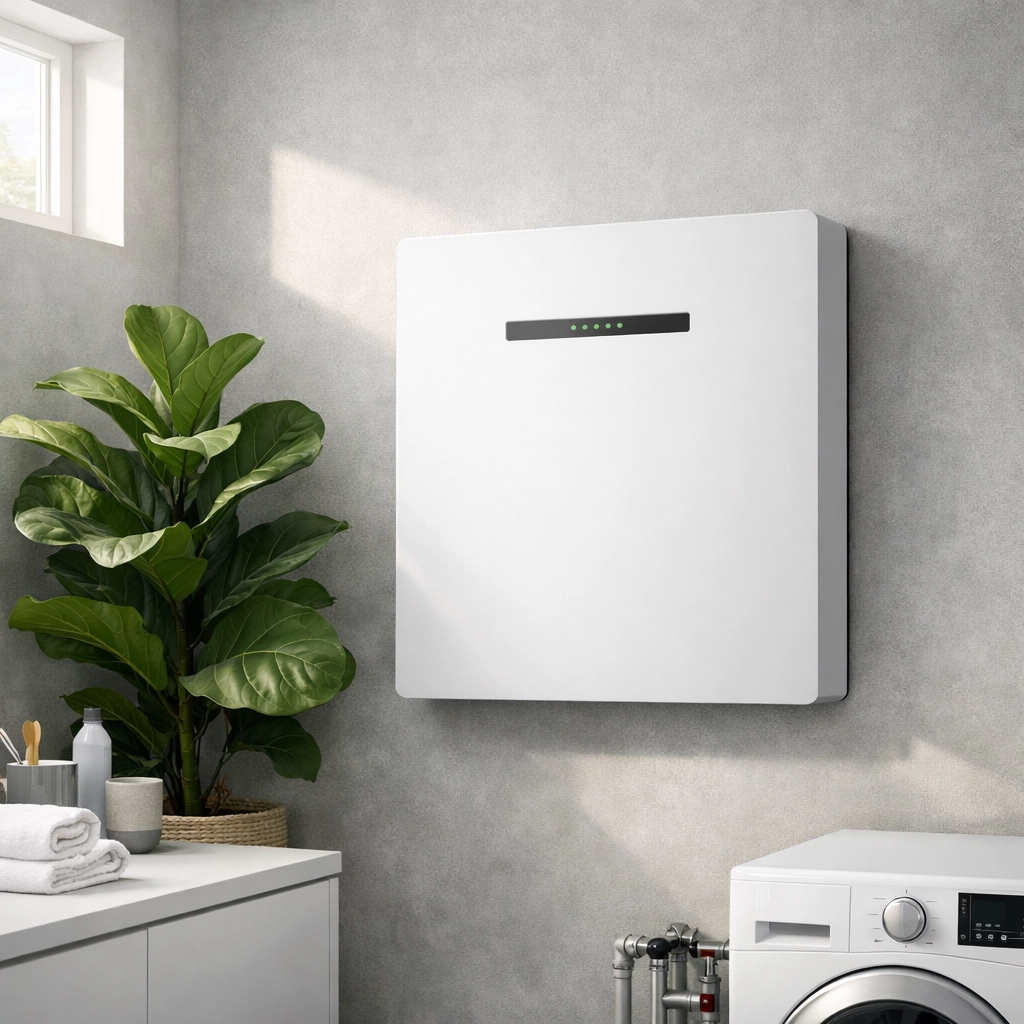
Tesla isn't just about cars. The Powerwall 3 is widely considered the most polished battery system on the market. As a Tesla Powerwall Certified installer, we’ve seen firsthand how these units transform a home’s energy profile.
The Powerwall 3 is an "all-in-one" system. This means it has a built-in hybrid solar inverter. If you’re starting a new solar installation, this is a massive win because you don’t need to buy a separate inverter for your panels.
Why Homeowners Love Tesla:
- Whole-Home Backup: If the grid goes down, the Powerwall 3 takes over in milliseconds. You won't even see the lights flicker. It’s seamless.
- The App: Tesla’s mobile app is arguably the best in the business. It’s clean, real-time, and lets you see exactly where every watt of energy is going.
- Stackability: Need more power? You can stack up to 10 units together. That’s enough to power a small mansion or a very energy-hungry business.
But it does come at a premium. You are paying for the brand, the software, and that sleek, minimalist design. You can learn more about how it stacks up against the competition in our Tesla Powerwall 3 vs GivEnergy comparison guide.
GivEnergy: The Modular Powerhouse
If Tesla is the "iPhone" of batteries, GivEnergy is the high-spec "Android." It offers incredible flexibility and, often, a more attractive price point for homeowners in Bournemouth and Poole.
GivEnergy systems, particularly the All-in-One (AIO), are designed to be rugged and versatile. Unlike Tesla, which comes in one size (13.5 kWh), GivEnergy offers various sizes like 5.2 kWh and 9.5 kWh modules. This means you can start small and grow your system as your budget allows.
Why GivEnergy Might Be For You:
- Value for Money: Generally, a GivEnergy system will cost you significantly less than a Tesla setup while offering similar storage capacity.
- Longer Warranty: GivEnergy offers a 12-year warranty (subject to minor maintenance checks), which is two years longer than Tesla’s standard 10-year offering.
- British Engineering: Being a UK-based company, their tech is specifically designed for the quirks of the British power grid.
While GivEnergy also offers backup power (EPS), it’s often set up to power "essential" circuits (like your fridge and lights) rather than the whole house, unless you opt for specific gateway hardware.

Side-by-Side: Tesla vs. GivEnergy
To make your decision easier, let’s look at the hard data.
| Feature | Tesla Powerwall 3 | GivEnergy All-in-One |
|---|---|---|
| Usable Capacity | 13.5 kWh | 13.5 kWh |
| Max Power Output | 5 kW (Continuous) | 6 kW (Continuous) |
| Warranty | 10 Years | 12 Years |
| Installation Style | All-in-one (Built-in Inverter) | Modular or All-in-one |
| Backup Capability | Seamless Whole-Home | Emergency Power (EPS) |
| App Experience | Industry-leading, real-time | Comprehensive, slight delay |
| Price (Installed) | £9,000 – £12,000 | £6,000 – £8,500 |
Note: Prices are estimates based on standard 2026 installation costs and may vary based on your home's specific wiring.
If you're still torn between the two, check out our detailed breakdown for Bournemouth homeowners.
Beyond Batteries: SolarEdge and Smart EV Charging
A battery is great, but it’s even better when it talks to your other appliances. This is where SolarEdge comes in. SolarEdge systems use "power optimizers" on every single solar panel. This means if one panel is in the shade, the others keep performing at 100%.
When you integrate a battery with a SolarEdge system and an EV charger, you create a "Smart Home" ecosystem.
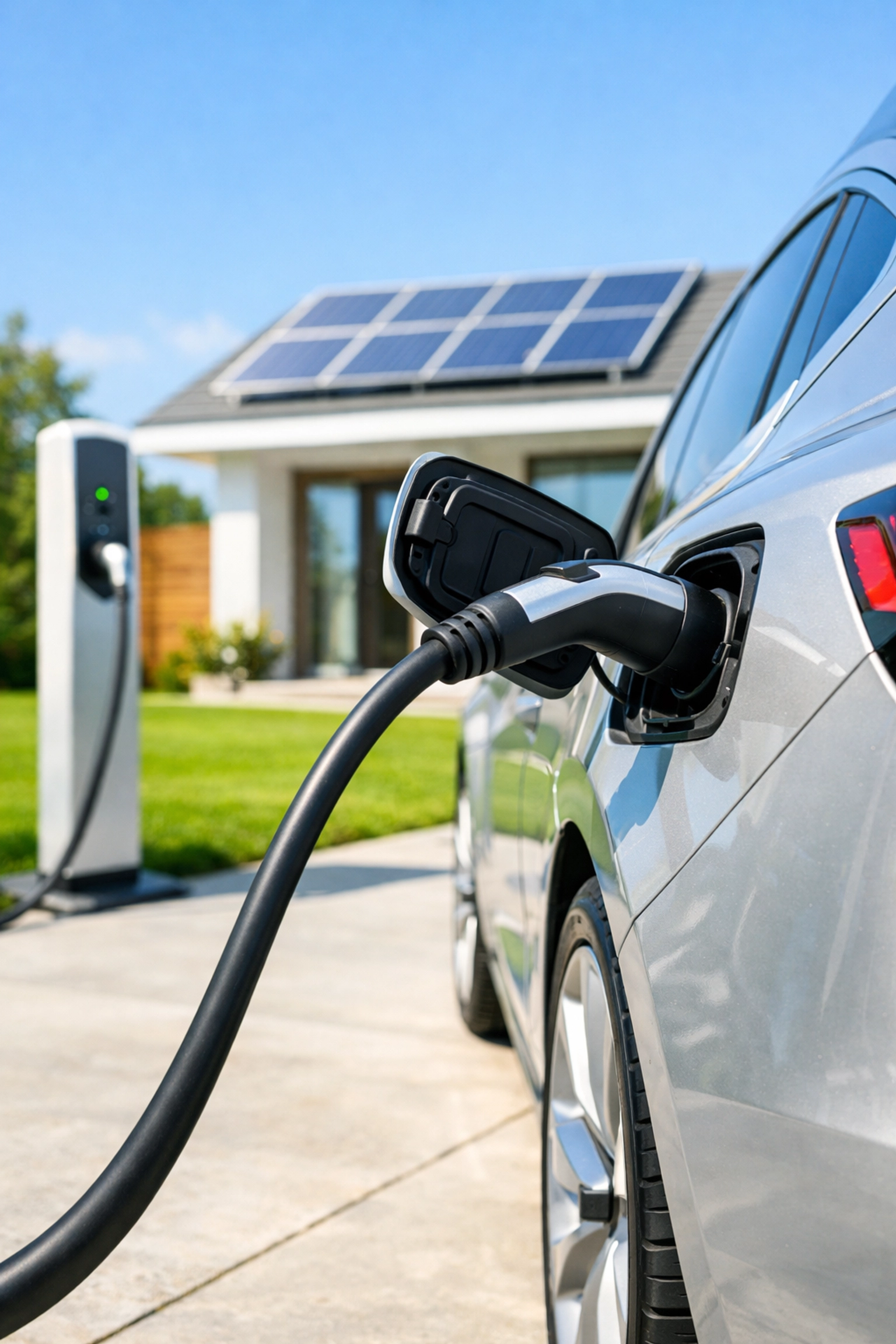
Imagine this: your solar panels charge your Tesla Powerwall during the day. Once the battery is full, the system automatically redirects the excess sun to your electric vehicle. You are essentially driving on sunshine. This isn't science fiction: it's what we install for families across Hampshire and Dorset every week.
Mastering the "Smart Tariff" (The Octopus Edge)
At DES Renewable Energy Ltd, we are an Octopus Trusted Partner. Why does this matter to you? Because the real magic of a solar battery happens when you pair it with a smart tariff like Octopus Flux or Intelligent Octopus.
These tariffs have "plunge pricing." During the night, when demand on the grid is low, electricity is incredibly cheap (sometimes even free!). Your battery is smart enough to "charge from the grid" during these cheap hours.
Then, during the "peak" hours (usually 4 PM to 7 PM) when electricity is most expensive, your battery stops taking power from the grid and runs your home for free. This "tariff arbitrage" can save you an additional £300 to £600 a year on top of your solar savings. And that’s how you truly wipe out your energy bills.
Is a Solar Battery Right for You?
We understand if you’re scratching your head trying to figure out if the investment is worth it. It’s a big decision.
However, with energy prices remaining volatile due to global events, the best time to lock in your energy independence was yesterday. The second best time is now. Whether you choose the premium, seamless experience of a Tesla Powerwall or the flexible, cost-effective power of a GivEnergy system, you are taking a massive step toward a sustainable future.
Why choose DES Renewable Energy Ltd?
We don't just "fit" panels. We design systems. We are MCS and NAPIT certified, which is crucial for your warranty and for getting paid for any energy you do export. You can read more about why these certifications matter in our guide to solar warranties.
Your Next Steps
Choosing between Tesla and GivEnergy doesn't have to be a headache. It usually comes down to three things: your budget, your backup needs, and how much you value a fancy app.
As your local experts in Dorset and Hampshire, we’re here to help you navigate these choices. We’ll look at your energy usage, your roof space, and your future plans (like getting an EV) to recommend the perfect setup.
Ready to stop paying the Big Six energy companies and start owning your power?
Contact our team at DES Renewable Energy Ltd today for a no-pressure consultation. Let’s build your path to energy independence together.