


If you’ve spent more than five minutes researching solar panels in the UK, you’ve likely bumped into the acronym "MCS." It stands for the Microgeneration Certification Scheme, and in the industry, it’s often treated as the holy grail of standards.
But as the Director of DES Renewable Energy Ltd, I hear the same questions every week: "Jason, do I actually need an MCS installer? My mate’s brother is an electrician and says he can do it for half the price. Is the certificate really worth the paper it’s printed on?"
I get it. When you're looking at a significant investment for your home, saving a few thousand pounds on labour is tempting. However, there is a massive difference between a system that "works" and a system that is legally compliant, financially incentivised, and, most importantly, fully protected for the next 25 years.
Let’s pull back the curtain on the "Solar Cowboy" vs. Specialist debate and look at the hard truths about your warranty, your home’s value, and your bank account.
What is MCS Certification (And Why Should You Care)?
The Microgeneration Certification Scheme (MCS) is an internationally recognised quality assurance scheme, supported by the Department for Energy Security and Net Zero. It doesn’t just cover the products (the panels and inverters); it covers the installation process itself.
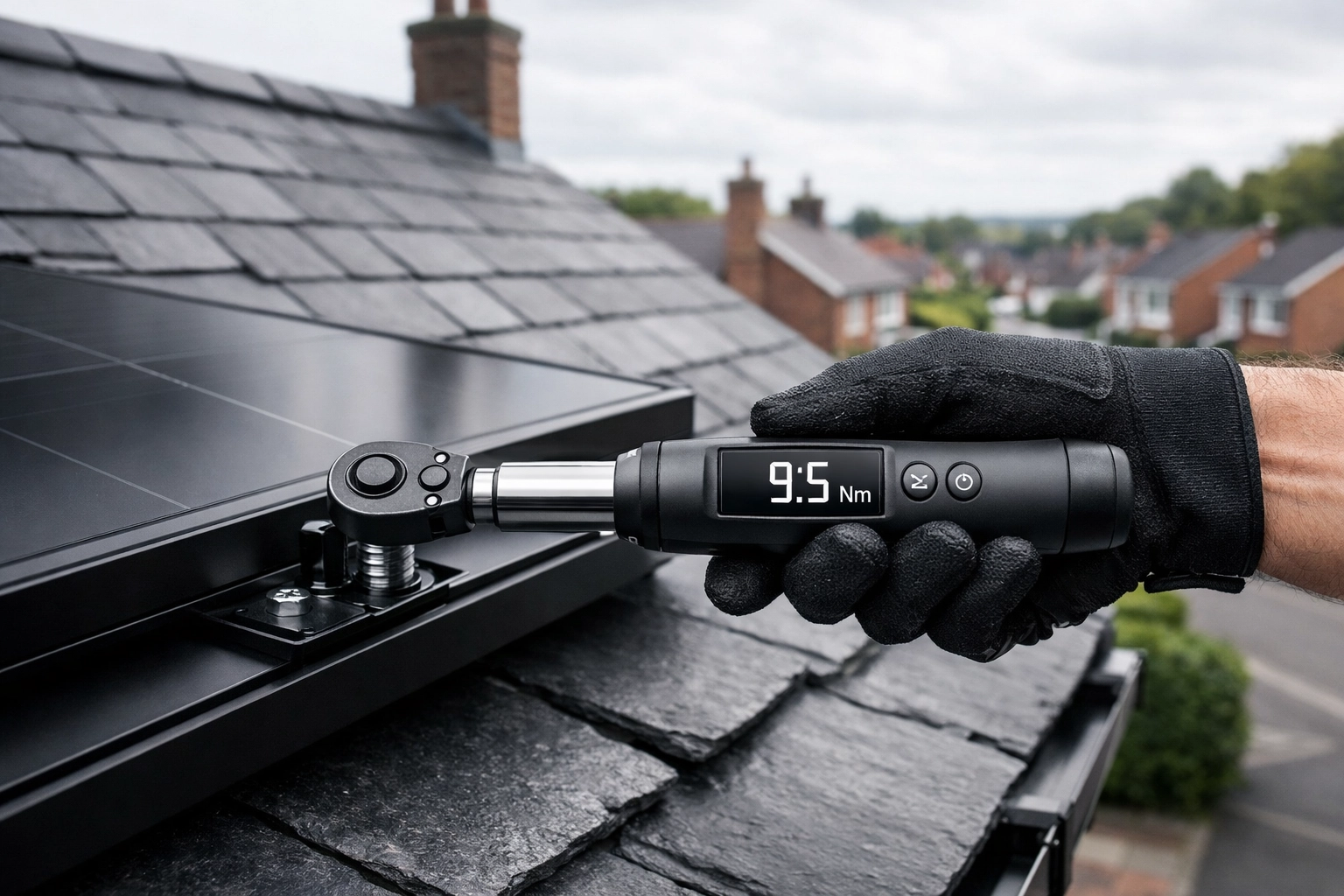
To be MCS certified, a company like DES Renewable Energy undergoes rigorous annual audits. They check our office systems, our technical designs, and they even come out to site to watch us work. It ensures that every bolt is tightened to the correct torque and every cable is safely managed.
Is it a legal requirement?
Technically, no. You won’t go to jail for having a non-certified installer put panels on your roof. However, the "legal" side isn't the problem, it’s the "practical" side. Without that certificate, your solar installation is essentially an expensive hobby rather than a smart financial asset.
The Three Pillars of MCS Necessity
While you can physically install panels without MCS, you will hit three massive brick walls almost immediately.
1. The Smart Export Guarantee (SEG)
This is the biggest one. The SEG is the government-backed scheme that requires energy suppliers to pay you for the excess electricity you pump back into the grid. In 2026, with smart meters and flexible tariffs being the norm, this is a vital part of your return on investment.
To sign up for an SEG tariff with companies like Octopus Energy or British Gas, you must provide a valid MCS certificate. Without it, you are giving your excess green energy away for free. Over 20 years, that is thousands of pounds left on the table. You can find more details on how this fits into your ROI in our solar panel financial advice section.
2. Mortgages and Home Sales
The Council of Mortgage Lenders is very clear: solar installations should be MCS-certified. If you ever want to remortgage your home or sell it, the buyer’s solicitor will ask for the MCS certificate and the building regulations compliance notice.
If you can't produce them, the lender may refuse the mortgage or require the system to be removed or professionally decommissioned before the sale proceeds. We’ve seen homeowners forced to pay for a "retrospective" audit (which is incredibly difficult to get) just to close a house sale.
3. Home Insurance
Many UK insurers now require MCS certification as a condition of your buildings insurance. If a non-certified system causes a roof leak or, heaven forbid, an electrical fire, your insurer could reject the claim entirely because the system wasn't installed by a "competent person" under a recognised scheme.
The Truth About Your Warranty: Product vs. Workmanship
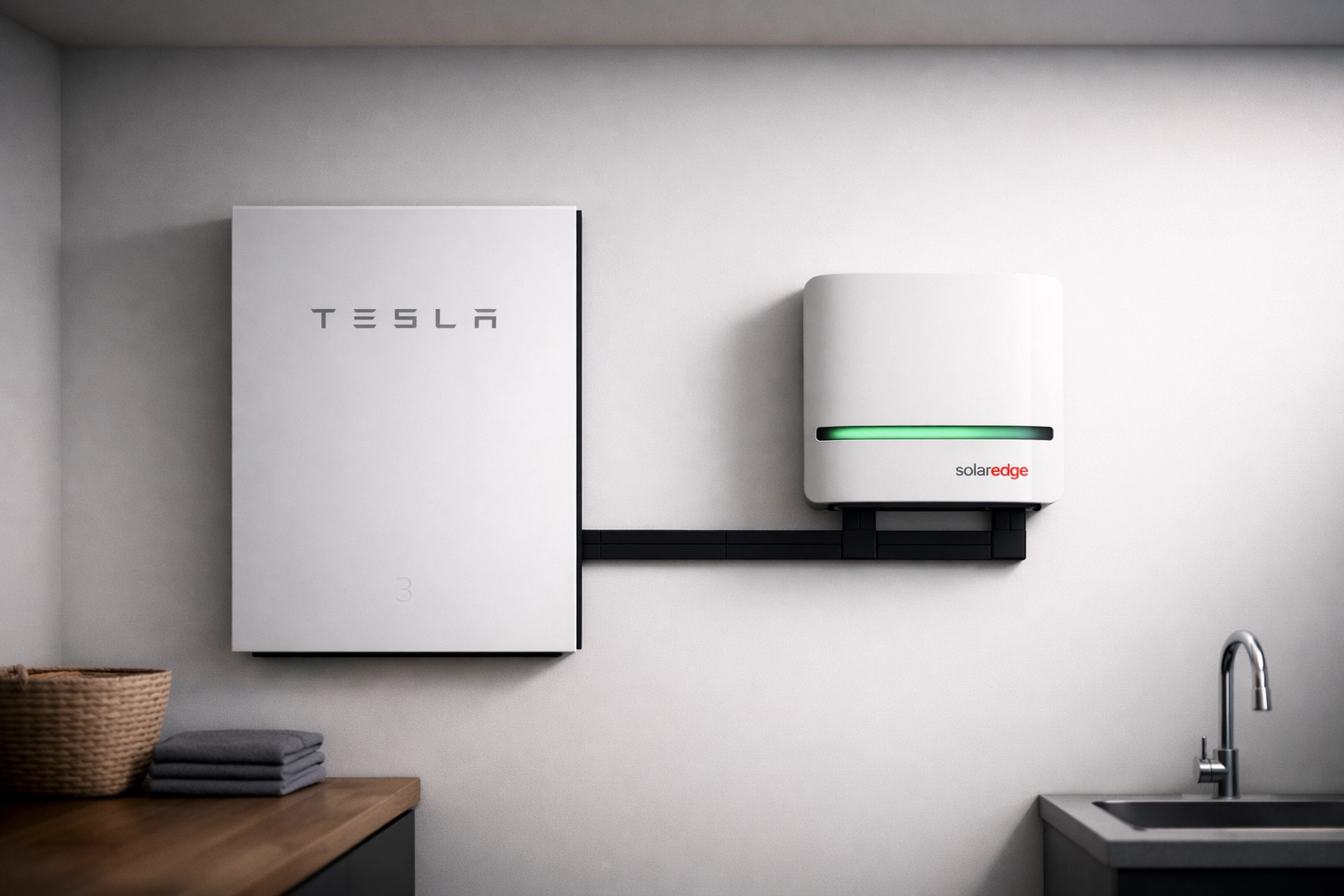
This is where things get tricky. Most Tier-1 manufacturers like SolarEdge or Tesla offer 12 to 25-year warranties. But here is the catch: those warranties often specify that the equipment must be installed by a "certified professional" according to local standards.
If a "Solar Cowboy" installs a Tesla Powerwall 3 and it fails, Tesla may ask for the installation commission report and the installer's credentials. If they see the system wasn't installed to their stringent standards, your £5,000+ battery warranty could be void.
The "Installer Gone Bust" Scenario
This is the most critical part of the MCS ecosystem. Every MCS-certified installation must be registered with a Consumer Code (like RECC or HIES). This provides you with an Insurance-Backed Guarantee (IBG).
If DES Renewable Energy were to stop trading tomorrow, your 10-year workmanship warranty wouldn't vanish. The IBG kicks in and pays for another certified firm to come out and fix any issues. If you use an uncertified "man with a van," and he changes his phone number next year, you are completely on your own.
For a deeper dive into how we handle long-term care, check out The Ultimate Guide to Solar Aftercare.
Beyond MCS: NAPIT, RECC, and Technical Expertise
While MCS is the baseline, it isn't the only thing you should look for. At DES, we believe in a "belt and braces" approach to certification.
- NAPIT / NICEIC: These ensure that the high-voltage AC work in your home (connecting the inverter to your consumer unit) meets BS 7671 wiring regulations.
- RECC (Renewable Energy Consumer Code): This protects you from "dodgy" sales tactics. It ensures that the performance estimates we give you are realistic and based on actual data, not just "best-case scenarios" designed to get a signature.
- Manufacturer Accreditation: Being a "Tesla Certified Installer" or a "SolarEdge Advanced Partner" means we’ve had specific training on that hardware.
If you're wondering how to vet a company properly, we have a comprehensive guide to renewable energy installers in Dorset that applies no matter where you are in the UK.
The "Solar Cowboy" Red Flags
How do you spot someone who isn't up to scratch? Here are a few things that should set off alarm bells:
| Feature | Specialist Installer (DES) | Solar Cowboy |
|---|---|---|
| Quote Price | Fair, reflecting quality components. | "Too good to be true" low price. |
| Site Survey | Physical or detailed remote structural check. | "Yeah, the roof looks fine from Google Maps." |
| Paperwork | Detailed performance estimates and MCS info. | A one-page invoice with no technical data. |
| Deposit | Protected by a Consumer Code scheme. | Personal bank transfer with no protection. |
| Equipment | Tier-1 brands (Tesla, SolarEdge, GivEnergy). | Generic "no-name" panels and inverters. |
Is it Worth the Extra Cost?
In short: Yes.
An MCS-certified installation might cost 10-15% more than a "cash-in-hand" job from an uncertified electrician. However, you recover that cost through:
- SEG Payments: Usually around £150–£400 per year depending on your system size and export rate.
- Home Value: A certified system adds value; an uncertified one is a liability.
- Peace of Mind: Knowing that if a component fails in year 12, it will be replaced at zero cost to you.
The DES Renewable Energy Promise
When we install a system, we aren't just bolting glass to a roof. We are building a micro-power plant that needs to perform safely for a quarter of a century. We take the "boring" paperwork: the MCS certificates, the DNO (Distribution Network Operator) notifications, and the Building Control certificates: as seriously as the installation itself.
We only use Tier-1 equipment because we know those companies will still be around in 2040 to honour their warranties. Whether it’s a Tesla Powerwall or a GivEnergy system, we ensure the paperwork matches the high-spec hardware.

Summary: Don't Gamble with Your Roof
The truth about your solar warranty is that it’s only as strong as the certification behind it. Without MCS, you lose your export income, you risk your home insurance, and you potentially void your equipment warranties.
If you’re looking for a partner who values technical expertise over "quick and cheap" fixes, we’re here to help. We’ve seen the damage that "cowboy" installs can do, and we’re dedicated to making sure your transition to renewable energy is smooth, safe, and financially sound.
Ready to do it right the first time?
Contact our team today for a transparent, no-obligation quote and a full breakdown of the warranties and protections we provide with every single installation. Let’s build something that lasts.