


As we move further into 2026, solar energy has transitioned from a "futuristic luxury" to a standard feature of the British home. With energy prices remaining a central concern for households across the UK, thousands are turning to renewables to secure their financial independence.
However, the surge in demand has invited an influx of installers into the market. While many are dedicated professionals, others: often referred to as "solar cowboys": are looking to make a quick profit by cutting corners. A solar PV system is a 25-year investment; a mistake made during the installation phase can lead to decades of underperformance, roof leaks, or even significant fire risks.
At DES Renewable Energy Ltd, we believe that transparency is the best tool for homeowners. In this guide, we will walk you through the most common installation blunders and show you exactly how to distinguish a specialist from a cowboy before you sign on the dotted line.
1. The Shading and Positioning Trap
One of the most frequent (and expensive) mistakes is poor panel placement. In the UK, panels should generally face south at a tilt angle between 30 and 40 degrees to capture the maximum amount of annual sunlight.
A "cowboy" installer will often take a "one size fits all" approach. They might suggest filling every available inch of your roof without considering the path of the sun throughout the seasons.
How Specialists Do It Differently
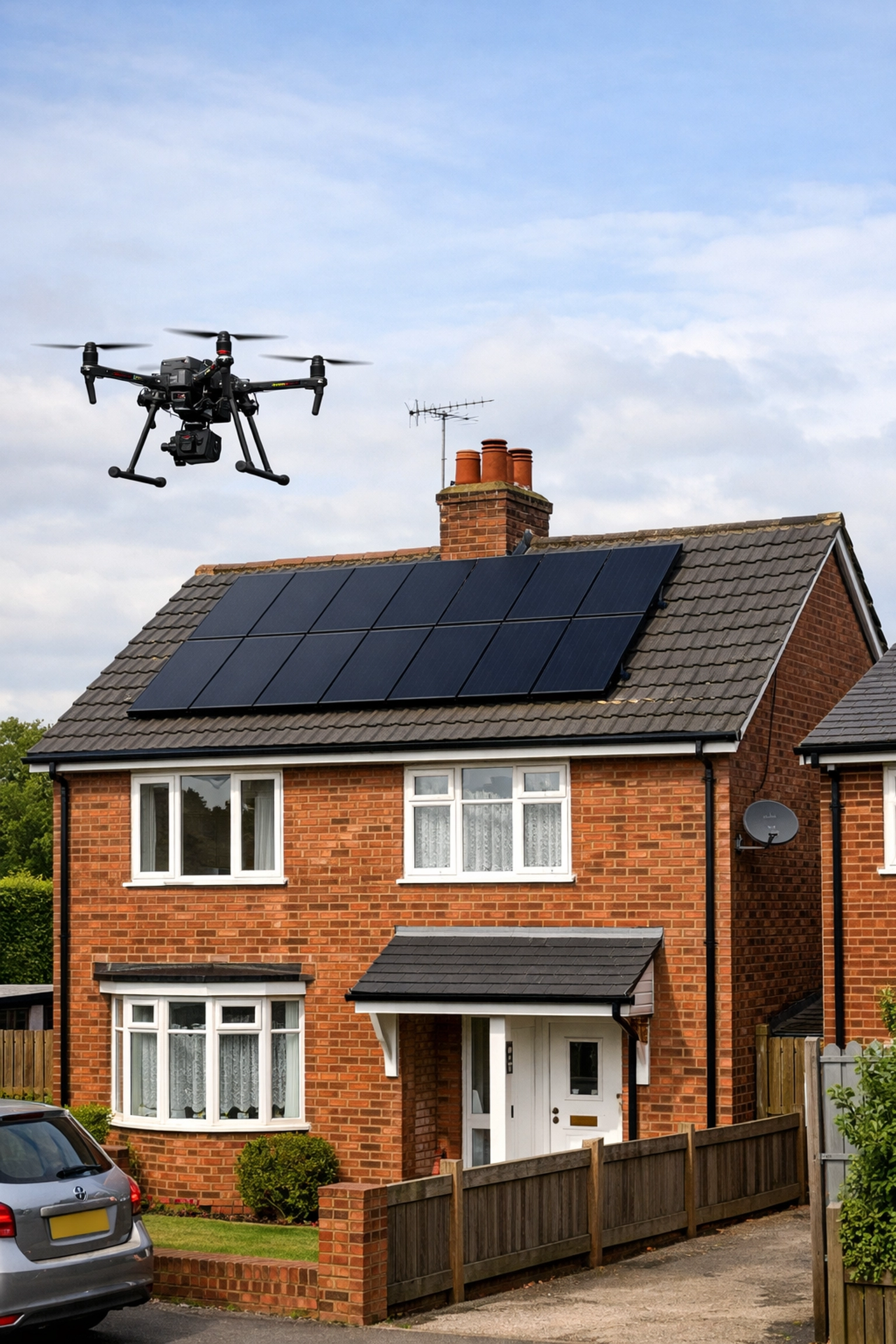
Specialists don't guess; they calculate. Using advanced 3D shading analysis and drone-based surveys, we can simulate exactly how shadows from your chimney, nearby trees, or neighbouring buildings will fall on your panels in December versus June.
Even a small amount of shading on a single panel can significantly drop the output of an entire string if the system isn't designed correctly. This is why we often recommend Tier-1 equipment like SolarEdge, which uses optimisers to ensure that if one panel is in the shade, the others continue to perform at 100% capacity.
2. Inadequate System Sizing: The "Rule of Thumb" Failure
Many homeowners are sold a system based on a "rule of thumb" rather than their actual energy profile. If your system is undersized, you won't offset enough of your electricity bill to justify the initial cost. If it’s oversized without a proper battery storage strategy, you’ll be exporting your valuable energy back to the grid for a pittance rather than using it yourself.
A common technical error involves the DC-to-AC ratio. Solar panels produce DC (Direct Current) power, which your inverter converts to AC (Alternating Current) for use in your home. It is standard for a system to produce about 20-30% less AC power than its DC rating due to conversion losses and environmental factors.
The Cowboy Approach: They promise you the "max rating" of the panels without explaining the real-world AC output you will actually see on your monitoring app.
The Specialist Approach: We look at your half-hourly energy data (if available from your smart meter) to design a system that matches your lifestyle. Whether you are charging an EV overnight or running a heat pump during the day, the system should be bespoke to you. You can learn more about how this works in our Business Solar Power 101 guide, which applies many of the same principles to residential properties.
3. Electrical Safety and "Invisible" Corners
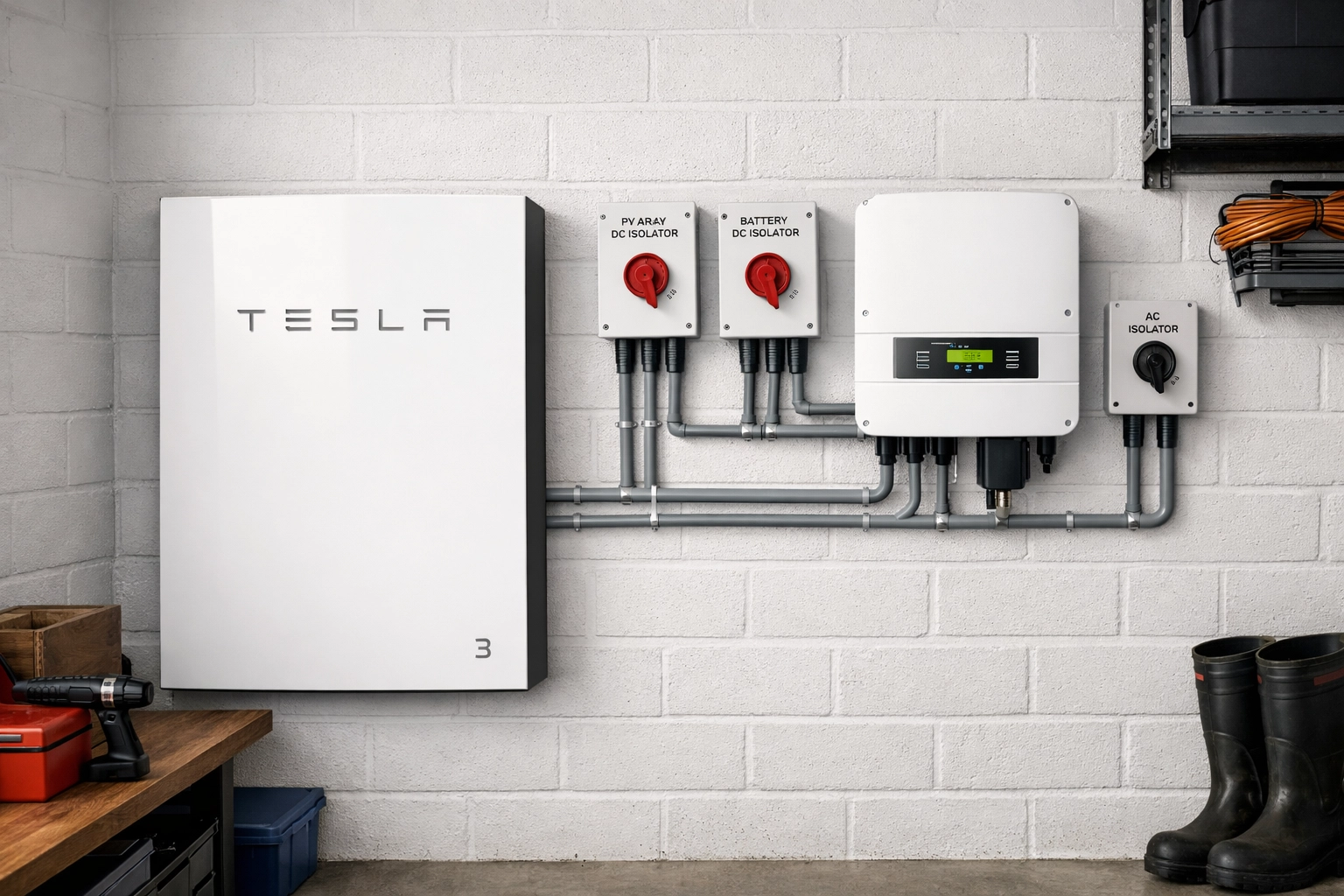
Solar installations involve high-voltage DC electricity. This is not the area where you want to save a few pounds. Poor electrical connections are the leading cause of system failures and, in extreme cases, roof fires.
Common mistakes include:
- Undersized Wiring: Using thin cables that can overheat under heavy loads. Specialists use 10 AWG (6mm²) cables or thicker to ensure safety and efficiency.
- Mismatched Connectors: Using "MC4-compatible" connectors rather than genuine, high-quality components. Mixing different brands of connectors can lead to moisture ingress and electrical arcing.
- Poor Torque: If a screw or terminal isn't tightened to the exact manufacturer specification, it creates resistance, heat, and eventual failure.
4. Roof Integrity: More Than Just Brackets
Your roof is the first line of defence for your home. A cowboy installer views your roof merely as a mounting surface; a specialist views it as a structural component.
We frequently see "dry-fixed" installations where installers have simply screwed brackets through your tiles or slates without proper flashing. This might look fine from the ground, but in three years, you’ll be dealing with damp patches and structural rot.
A professional installer will:
- Conduct a Structural Assessment: Ensure your rafters can handle the added "dead load" of the panels and the "wind load" (the lift created by high winds).
- Use Quality Mounting Systems: We use high-grade aluminium and stainless steel mounting kits designed for the UK’s coastal and windy climate.
- Ensure Fire Gaps: Leave appropriate spacing between panels and the roof edge to comply with building regulations and allow for thermal expansion.
5. The Warranty Trap: MCS, NAPIT, and Beyond
In the UK, certifications aren't just "nice to have": they are your insurance policy. If your installer isn't MCS (Microgeneration Certification Scheme) accredited, you cannot access the Smart Export Guarantee (SEG) to get paid for the excess energy you send back to the grid.
Furthermore, many "cowboys" will offer a "10-year warranty" but won't be around in two years to honour it. They often use "grey market" components that don't carry valid UK manufacturer support.
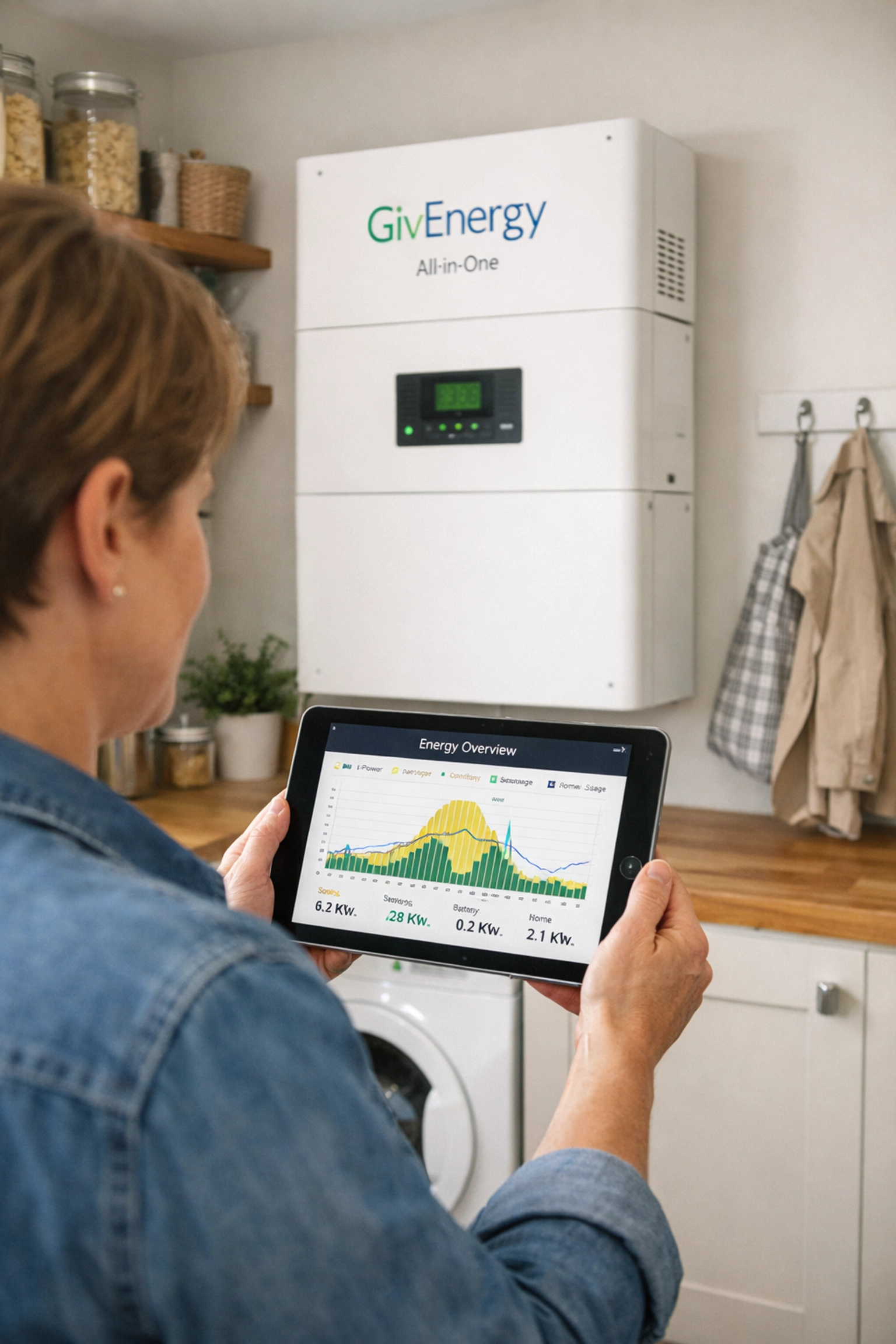
At DES Renewable Energy Ltd, we focus on Future-Proofing Your Home by only using Tier-1 equipment from manufacturers like Tesla, GivEnergy, and SolarEdge. These companies have a massive UK presence and robust warranties that are backed by the manufacturers themselves, not just the installer.
| Feature | Cowboy Installer | Renewable Energy Specialist |
|---|---|---|
| Site Survey | Done via Google Maps only | Physical or drone-based survey |
| Certifications | "Pending" or non-existent | MCS, NAPIT, RECC/HIES members |
| Equipment | Unbranded or "B-Grade" panels | Tier-1 (Tesla, SolarEdge, etc.) |
| Electrical | Standard domestic wiring | DC-rated specialized components |
| Aftercare | "Call the manufacturer" | Dedicated maintenance & monitoring |
6. Battery Storage Blunders
In 2026, a solar system without a battery is only half a solution. However, we see many installations where the battery is incorrectly paired with the solar array. For example, installing a high-capacity battery like the Tesla Powerwall 3 with an undersized solar array means the battery may never fully charge during the winter months.
Conversely, some installers might suggest a "budget" battery that has a low depth of discharge (DoD) or a slow charge/discharge rate, meaning it can't handle the power requirements of your kettle and oven running at the same time.
How to Spot a Specialist in 5 Minutes
If you are currently receiving quotes, look for these "Green Flags":
- Detailed Proposals: Does the quote include a predicted annual yield (kWh) based on your specific roof orientation and location?
- The "Too Good to Be True" Price: High-quality components and qualified labour have a baseline cost. If one quote is 30% cheaper than all others, they are likely cutting corners on safety or equipment.
- Technical Knowledge: Ask them about the difference between a string inverter and micro-inverters. A specialist will explain it clearly; a cowboy will dodge the question.
- Local Reputation: Look for a partner that is established in your area. For instance, we pride ourselves on being the go-to renewable energy installers in Dorset.
Don’t Settle for "Good Enough"
A solar installation is one of the most significant upgrades you can make to your home. When done correctly, it provides clean energy, increases your property value, and offers a payback period typically between 6 and 10 years. When done poorly, it becomes a liability.
Are you ready to see what a professional, Tier-1 solar installation looks like for your home? At DES Renewable Energy Ltd, we don’t just "fit" panels; we engineer energy solutions.
Contact our team today for a free, no-pressure site survey and let’s build a system that’s here for the long haul.