


It is a scenario we see all too often at DES Renewable Energy. You have decided to make the leap into solar power. You have done your research, you are excited about cutting your energy bills, and you have started gathering quotes. Then, you see it: a price that is significantly lower than all the others, perhaps by £2,000 or even £3,000.
It is tempting. In a world where the cost of living remains a primary concern, saving a few thousand pounds upfront feels like a massive win. But in the solar industry, the "cheapest" quote is rarely the best value. In fact, it can often be the most expensive mistake a homeowner makes.
As we move through 2026, the UK solar market has matured, but the "solar cowboys" haven't disappeared; they have simply become better at marketing. This guide will help you understand why low-cost installers can be a risk and how to identify a specialist partner who will ensure your system performs for the next 25 years.
The Reality of the "Cheap" Solar Quote
When an installer offers a price that seems too good to be true, they aren't finding "secret" savings that other companies haven't noticed. To drop a price significantly below the market average, an installer usually has to cut corners in four specific areas:
- Equipment Quality: Using "Tier-2" or unbranded panels and inverters with shorter lifespans.
- Labour and Training: Using sub-contracted teams who are paid per "drop" (install) rather than for the quality of their work.
- System Design: Skipping a detailed technical site survey and using a "one-size-fits-all" design that doesn't account for your roof’s specific shading or orientation.
- Aftercare and Longevity: Providing little to no support once the final invoice is paid.

1. Certifications: Why MCS and NAPIT Are Non-Negotiable
In the UK, certifications are your first line of defence. If an installer cannot provide proof of their MCS (Microgeneration Certification Scheme) and NAPIT (or NICEIC) accreditations, you should walk away immediately.
Why MCS Matters
The MCS mark is a sign of quality and reliability. Without an MCS certificate for your installation, you cannot access the Smart Export Guarantee (SEG). This is the mechanism that allows you to get paid for the excess energy you export back to the grid. Without it, you are essentially giving away free electricity to your energy supplier.
Why NAPIT Matters
NAPIT certification ensures that the electrical work, connecting high-voltage DC solar arrays to your home’s AC consumer unit, is done safely and up to current UK building regulations. Cheap installers often bypass these rigorous checks to save on registration fees and administrative time.
For more information on navigating these requirements, you can explore our expert help and advice section.
2. The Equipment Trap: Tier-1 vs. The Rest
A solar system is only as strong as its weakest link. If you install premium panels but a bargain-basement inverter, your system’s efficiency will plummet, and your fire risk could increase.
At DES Renewable Energy, we focus on Tier-1 equipment. This doesn't just mean the brand is famous; it means the manufacturer is bankable, has its own manufacturing facilities, and invests heavily in R&D.
| Feature | Cheap/Generic Equipment | Tier-1 (e.g., SolarEdge, Tesla, GivEnergy) |
|---|---|---|
| Product Warranty | 5–10 years | 12–25 years |
| Efficiency | Drops significantly after 5 years | Guaranteed 85–90% after 25 years |
| Safety Features | Basic | Rapid shutdown, arc-fault detection |
| Monitoring | Minimal or glitchy apps | Real-time, per-panel monitoring |
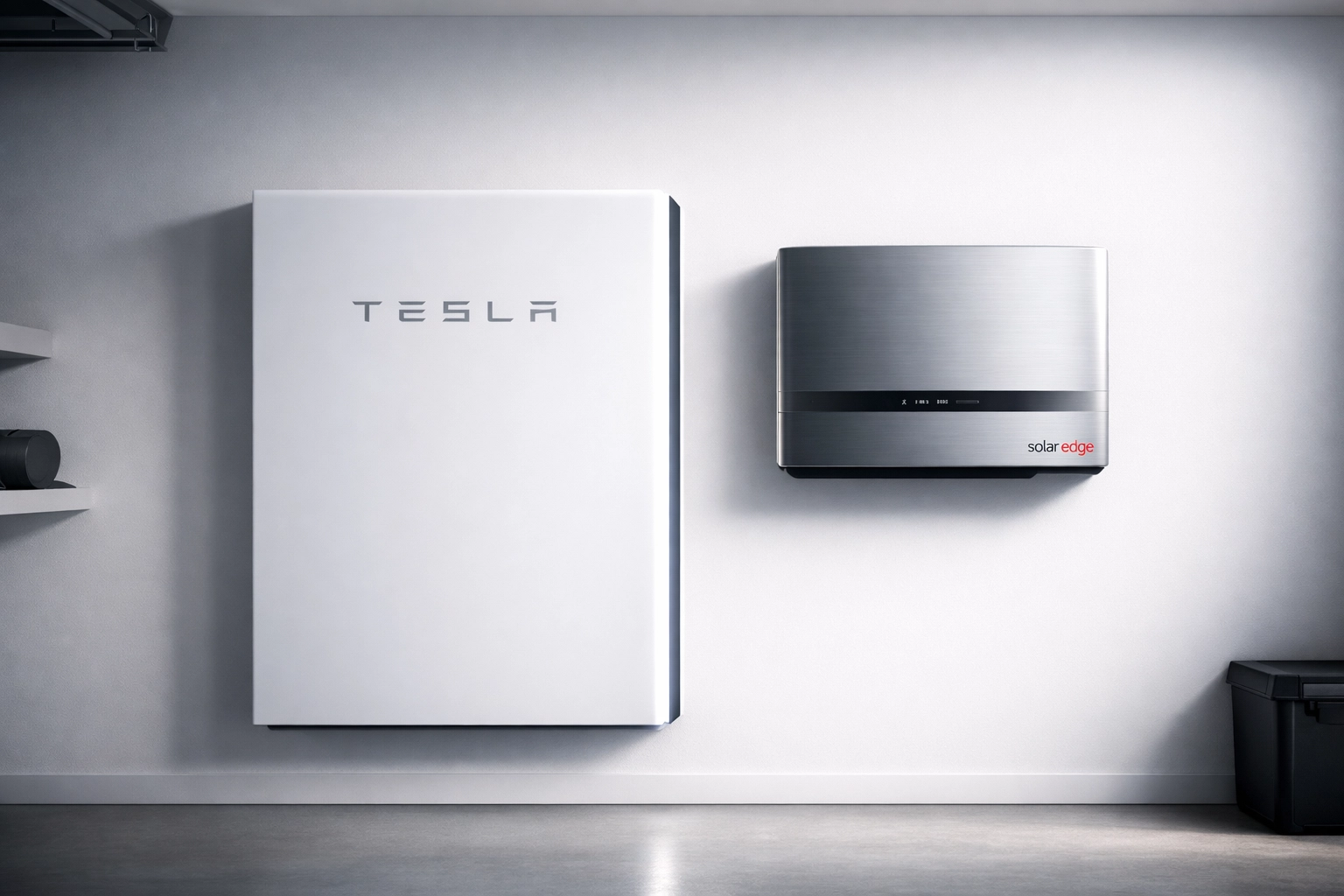
We often recommend brands like SolarEdge for their power optimisers, which ensure that if one panel is in the shade, the rest of your array keeps performing at 100%. If you are looking at battery storage, the choice between the Tesla Powerwall 3 and the GivEnergy All-in-One is a common debate in 2026. You can read our detailed comparison here.
3. The "Solar Cowboy" vs. The Specialist
The "Solar Cowboy" is an installer who enters the market during a boom, installs as many systems as possible as cheaply as possible, and then disappears or rebrands when warranty claims start rolling in.
A Specialist Partner, on the other hand, views your installation as the start of a 25-year relationship. Here is how to tell the difference:
- The Survey: A specialist will perform a structural check of your roof and a detailed electrical assessment of your home. A "cowboy" will often quote based on a Google Maps satellite image alone.
- The Design: A specialist will provide a realistic generation report based on UK weather data and your specific roof pitch. They won't promise "zero bills" if it isn't mathematically possible.
- The Workmanship Warranty: Most cheap installers offer the bare minimum. A specialist partner will often provide a 10-year workmanship warranty, backed by insurance, giving you peace of mind that if a leak occurs or a cable comes loose, they will be there to fix it.
To understand more about what to look for in a local expert, see our guide to renewable energy installers in Dorset.
4. Why Aftercare is the Secret to ROI
Solar panels are remarkably durable, but they aren't "set and forget." Over 25 years, your system will face UK storms, nesting birds, and the natural degradation of electrical components.
Cheap installers rarely have an aftercare department. If your inverter fails in year seven, you might find their phone line is dead. A specialist partner provides ongoing monitoring and maintenance. We believe that solar aftercare is essential for maintaining peak performance.
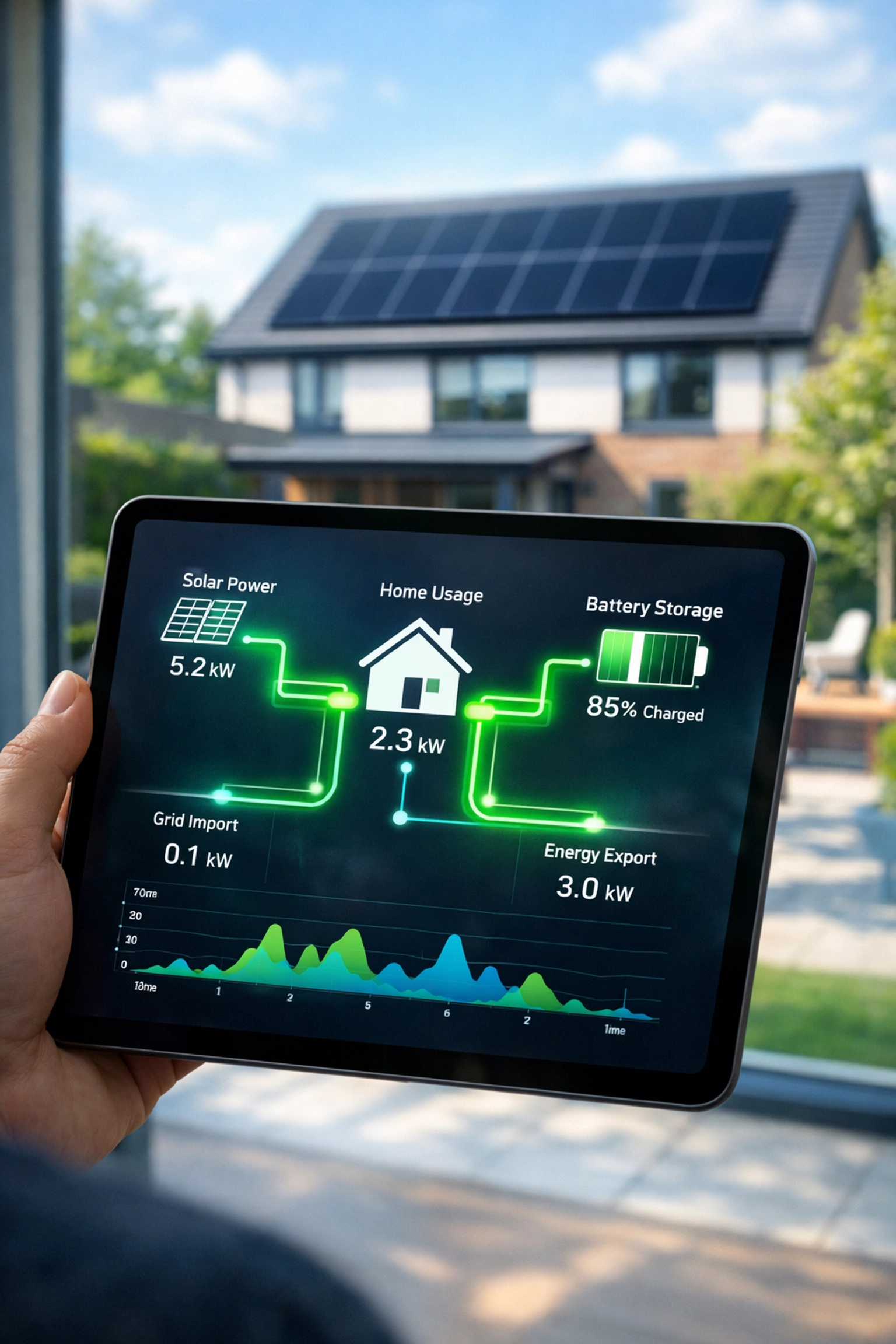
If your system is not monitored, you could lose months of generation (and hundreds of pounds in savings) before you even realise there is a fault. Specialists use platforms like the SolarEdge monitoring portal to get alerts the moment something looks wrong, often fixing issues remotely before you even notice.
5. The True Cost of a "Cheap" System Over 20 Years
Let's look at the numbers. Imagine a standard 4kWp system.
- Installer A (Cheap): £5,000. Uses generic panels and a budget inverter. 5-year warranty.
- Installer B (Specialist): £7,500. Uses Tier-1 panels, SolarEdge optimisation, and provides a 10-year workmanship warranty.
In year 8, the budget inverter in System A fails. The original installer is no longer in business. You have to pay a new company £1,500 for a replacement inverter plus labour. Because the system wasn't monitored, you didn't notice the failure for three months, losing £200 in energy savings.
By year 12, System A's panels have degraded faster than expected, producing 15% less energy than System B. Over 20 years, the "expensive" system usually generates significantly more financial return because it stays online longer and produces more power.
Questions You Should Ask Every Installer
Before you sign a contract, ask these five questions. Their answers will tell you everything you need to know about their professionalism:
- "Are you MCS certified, and will I receive an MCS certificate upon completion?" (If the answer is anything but a firm "Yes," stop the conversation).
- "Can you show me a sample of a full technical site survey you’ve done recently?"
- "Who actually carries out the installation: your own employed staff or sub-contractors?"
- "What happens if my system stops working in five years? Who do I call?"
- "Do you offer insurance-backed warranties for your workmanship?"
Choosing a Partner for the Long Haul
At DES Renewable Energy, we pride ourselves on being specialists, not just installers. We understand that solar is a significant investment for any UK household. Our goal is to ensure that your system is still saving you money and reducing your carbon footprint well into the 2050s.
Choosing a specialist means you are paying for expertise, safety, and the security of knowing we will be here to support you for the lifetime of your system. Whether you are interested in how solar works or you are ready to invest in battery storage, we are here to guide you.
Ready to do it right the first time?
Don't settle for a "cheap" fix that could cost you thousands in the long run. Contact our team today for a comprehensive, honest, and technically sound consultation.
[Contact DES Renewable Energy for a Professional Site Survey]