


So, you’ve decided to look into solar panels for your home in Dorset. Or perhaps you’ve already had them installed and you’re wondering, “Am I actually getting the most out of this investment?”
It’s a fair question. With energy prices continuing to fluctuate due to global volatility and the Ofgem price cap hovering around the £1,900 to £2,000 mark for the average household, taking control of your own generation is more than just a "green" choice: it’s a savvy financial move. But let’s be honest: solar isn't a "set it and forget it" system if you want to see the best possible Return on Investment (ROI).
In this guide, we’re going to walk you through the five essential steps to ensure your solar PV system pays for itself as quickly as possible. We’ll also cover the honest advantages and disadvantages of solar power so you can make an informed decision.
1. Right-Size Your System and Adapt Your Habits
The first step to a high ROI happens before the first panel even touches your roof. If your system is too small, you’ll still be leaning heavily on the grid. If it’s too large without a storage solution, you’re sending valuable energy back to the grid for a lower price than you pay to buy it.
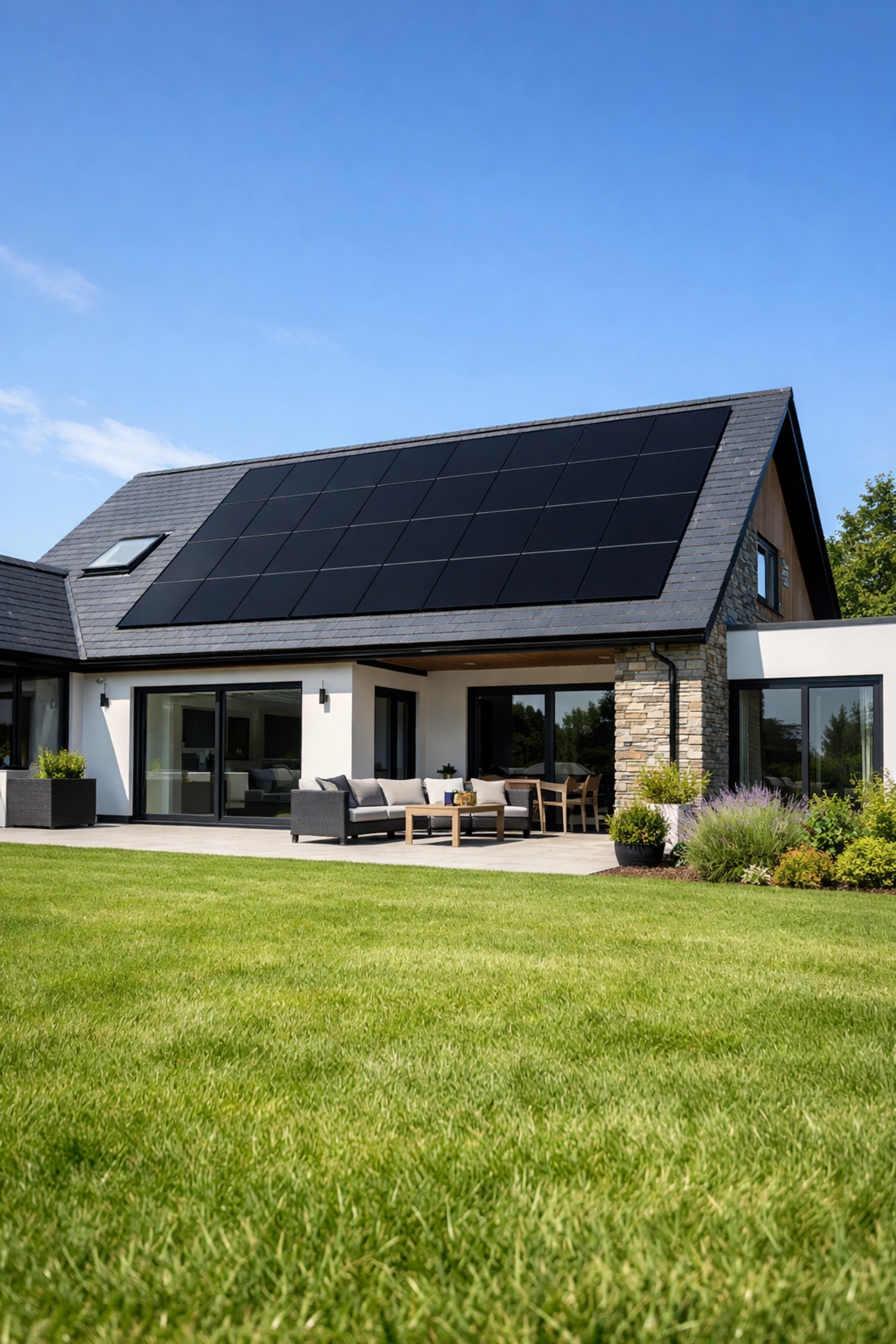
For a typical three-bedroom home in Dorset, a system of about 10 solar panels (roughly 3.5 kW to 4 kW) is often the "sweet spot." This setup usually costs around £7,050, depending on the complexity of your roof.
Changing When You Use Power
The "gold mine" of solar ROI is self-consumption. The more of your own solar energy you use, the less you buy from your supplier at 24p–28p per kWh.
- Run your dishwasher and washing machine at midday.
- Charge your electric vehicle (EV) while the sun is high.
- Use a timer for your immersion heater.
We understand if you’re scratching your head thinking about how to manage all this while you're at work, and that’s okay. That is where smart home technology and step two come in.
2. Invest in Smart Battery Storage
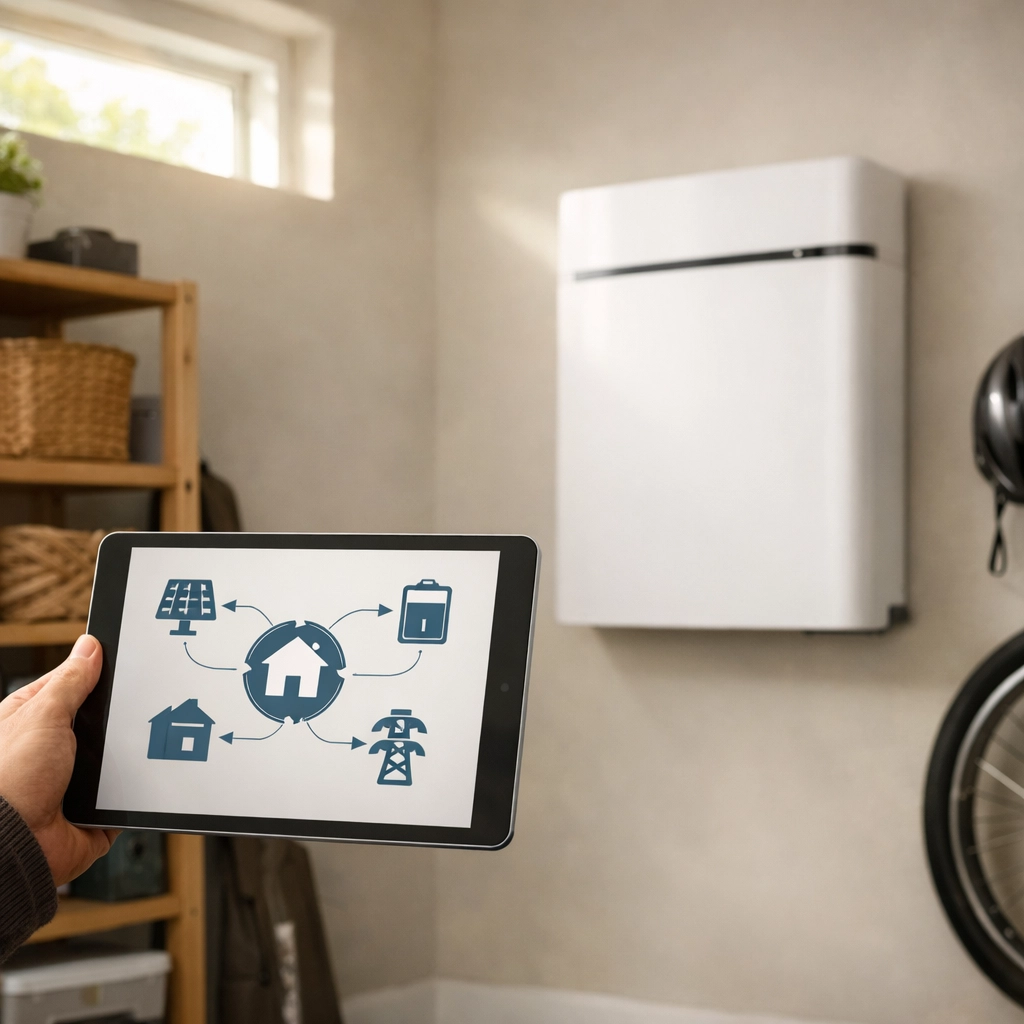
If you really want to maximise your ROI, you need a way to keep the energy you generate during the day for use in the evening. This is where many homeowners feel the "honest disadvantage" of solar: it doesn't produce power when the sun goes down.
Adding a battery, like the Tesla Powerwall or a GivEnergy system, allows you to store that midday surplus.
Why Batteries Change the ROI Game
| Feature | Without Battery | With Battery |
|---|---|---|
| Self-Consumption | ~20-30% | ~70-80% |
| Annual Savings | £400 – £600 | £800 – £1,200+ |
| Grid Independence | Low | High |
| Estimated Payback | 10-12 Years | 7-9 Years |
While the upfront cost of a battery adds to your initial investment, the long-term savings often result in a faster "break-even" point because you are avoiding peak-rate electricity almost entirely.
3. Don't Ignore Maintenance (The 25-Year Plan)
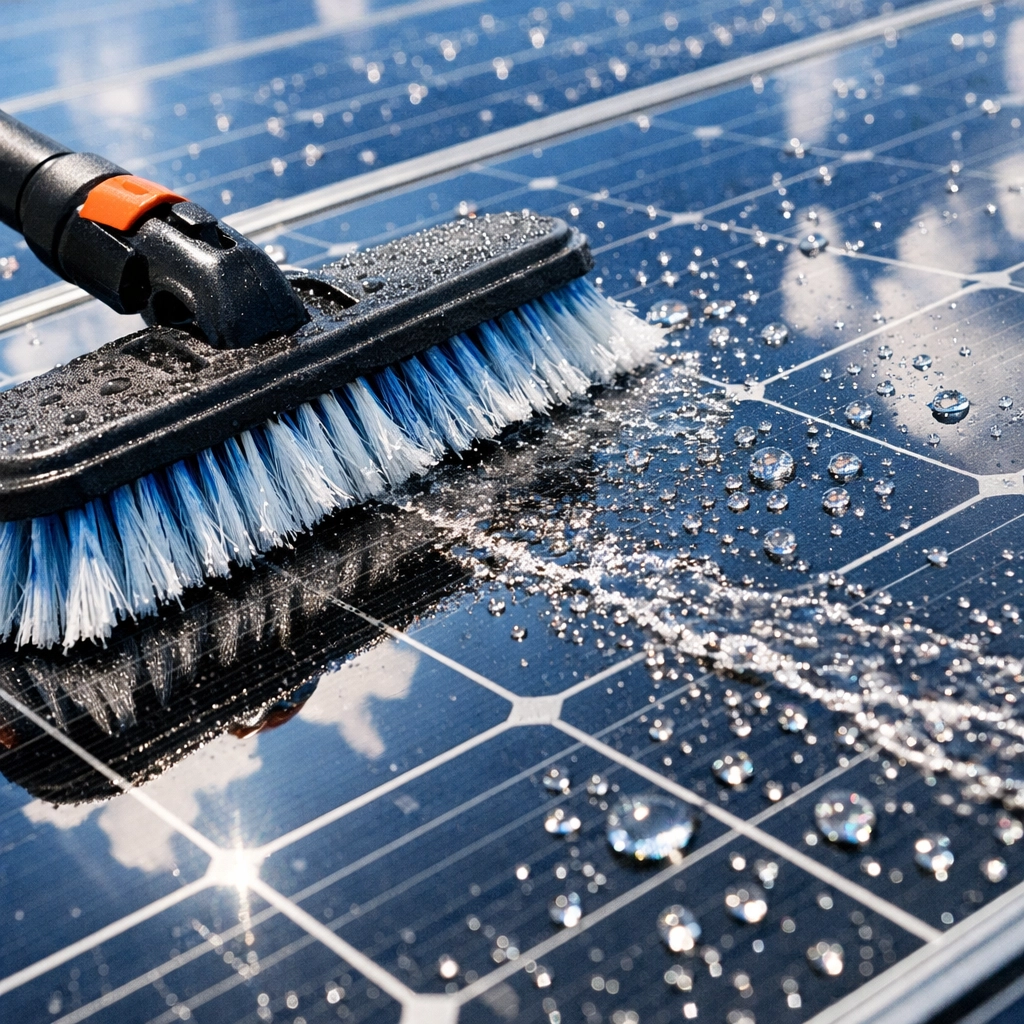
A solar PV system is designed to last 25 years or more, but it won’t stay at peak performance if it’s covered in dust, bird droppings, or salt spray from the Dorset coast.
Maintenance is the "secret sauce" of ROI. Even a thin layer of grime can reduce your panels' efficiency by 5% to 15%. Over a year, that is a significant amount of lost "free" electricity.
Your Easy Maintenance Checklist:
- Annual Cleaning: Use a professional service or a reach-pole with deionised water. Avoid abrasive chemicals or hard water that can leave mineral deposits.
- Monitor Your App: Check your system’s performance weekly via your monitoring app (like the GivEnergy or Tesla portal). If production drops suddenly, it’s a red flag.
- Inverter Health: Your inverter is the "brain" of the system. It works hard and may need replacing after 10-12 years. Factor this into your long-term financial plan.
- Professional Inspection: Every 5 years, have a qualified installer like DES Renewable Energy Ltd perform a health check on the wiring and mounting.
For a deeper dive into keeping your system healthy, check out The Ultimate Guide to Solar Aftercare.
4. Master the Smart Export Guarantee (SEG)
Even with a battery, there will be days (especially in July!) where you produce more than you can use or store. Don't let that energy go to waste.
By signing up for a Smart Export Guarantee (SEG) tariff, your energy supplier will pay you for every kilowatt-hour you send back to the national grid. While export rates (usually 5p–15p per kWh) are lower than import rates, they can still add £300 to £500 to your annual returns.
Tip for Dorset Residents:
Shop around for the best SEG rate. You don't have to use the same company that provides your electricity to get an export tariff from them. It’s a competitive market: use that to your advantage.
5. Consider Business Solar Power for Commercial ROI
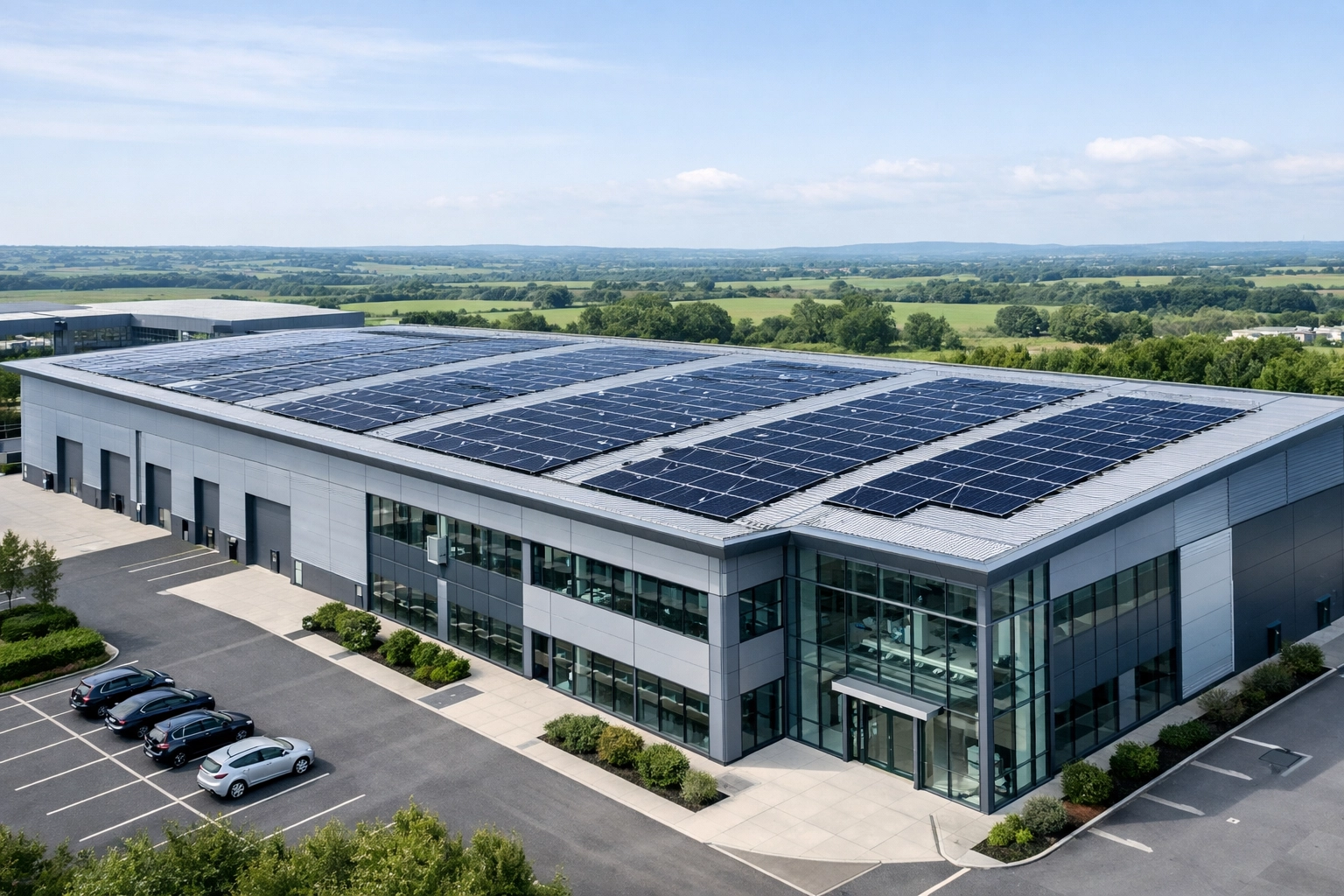
If you own a local business or operate from a commercial premises in Dorset, the ROI for business solar power is often even more impressive than for residential homes.
Commercial properties typically use most of their energy during daylight hours: exactly when solar panels are working their hardest. This creates a "perfect match" for ROI.
Why Business Solar is a No-Brainer:
- Tax Incentives: Many businesses can claim capital allowances on solar installations, significantly reducing the effective cost.
- Energy Price Stability: Lock in your energy costs for the next two decades, protecting your bottom line from global market shocks.
- Corporate Responsibility: Show your customers that your Dorset business is committed to a lower carbon footprint.
You can learn more about how to get started in our Business Solar Power 101 guide.
The Honest Advantages and Disadvantages of Solar Power
We believe in transparency. Solar is fantastic, but it isn't perfect for everyone.
The Advantages:
- Drastic Bill Reductions: You can cut your electricity bills by up to 70% or more.
- Low Maintenance: Compared to other home upgrades, solar requires very little active work.
- Property Value: Homes with solar panels and high EPC ratings are increasingly attractive to buyers.
The Disadvantages:
- High Upfront Cost: Even with falling prices, a full system is a significant investment.
- Weather Dependency: While panels work on cloudy days (and Dorset gets plenty of those!), output is lower than on bright, sunny days.
- Aesthetics: Some homeowners aren't fans of how panels look on traditional roofs (though all-black panels are much sleeker nowadays).
Is Solar Right for Your Dorset Home?
Maximising your solar ROI comes down to three things: smart sizing, smart storage, and smart maintenance.
By following these five steps, you aren't just "getting solar panels": you’re building a personal power station that provides financial security for years to come. Whether you're in Bournemouth, Dorchester, or a rural village in the Purbecks, the sun is a resource that’s waiting to be tapped.
And if all this technical talk feels a bit overwhelming? That’s okay. We’re here to help you navigate the jargon and find a system that actually works for your lifestyle and budget.
Ready to see how much you could save?
Contact us to discuss your needs and get a personalised ROI projection for your home or business. Let's make your energy independence a reality.