


Have you taken a look at your energy bill lately and felt a bit of a sting? If you have, you aren’t alone. As we move through March 2026, the global energy landscape feels more like a roller coaster than a steady utility service. Between ongoing tensions in the Middle East and the resulting fluctuations in oil and gas prices, the "business as usual" approach to powering our homes is rapidly disappearing.
But here is the thing: while global events might feel completely out of your control, the way you react to them isn't. In fact, the volatility we are seeing right now is fundamentally changing the way savvy homeowners and businesses think about energy. It’s no longer just about "being green": it’s about energy security, independence, and outsmarting a market that seems to change by the hour.
At DES Renewable Energy Ltd, we’ve seen this shift firsthand. We are moving away from the era of "install and forget" into an era of "smart flexibility." And that starts with understanding why battery storage is no longer an optional extra, but the beating heart of a modern home.
The Global "Why": Why Your Bill Cares About World Events
It can feel strange to think that a supply chain issue thousands of miles away can dictate how much it costs to boil your kettle in the UK. But that is the reality of our interconnected grid. When global volatility hits, gas prices spike. Since the UK still relies heavily on gas-fired power stations to balance the grid, those costs get passed directly to you.
Recent forecasts from organisations like Cornwall Insight have highlighted this exact vulnerability. We've seen projections suggesting an average annual bill of £1,973, representing a projected £332 increase for many households compared to previous stability periods. When the price cap moves, it moves fast.
But what if you could opt out of that cycle?
By combining solar PV with advanced battery systems like the Tesla Powerwall or GivEnergy stacks, you effectively build a buffer between your bank account and the global oil market. You aren't just generating power; you are stockpiling it when it's cheap (or free from the sun) and using it when the rest of the country is paying peak prices.

From "Capacity" to "Flexibility": A New Way to Think
In the past, people bought batteries based on size. "How much energy can it hold?" was the only question that mattered. In 2026, the conversation has changed. Now, the most important word is flexibility.
The UK grid is becoming increasingly crowded. We have more renewables than ever, which is great, but it creates "bottlenecks." Sometimes there is too much wind or solar power, and the grid can't handle it. Other times, there isn't enough. This leads to massive price swings.
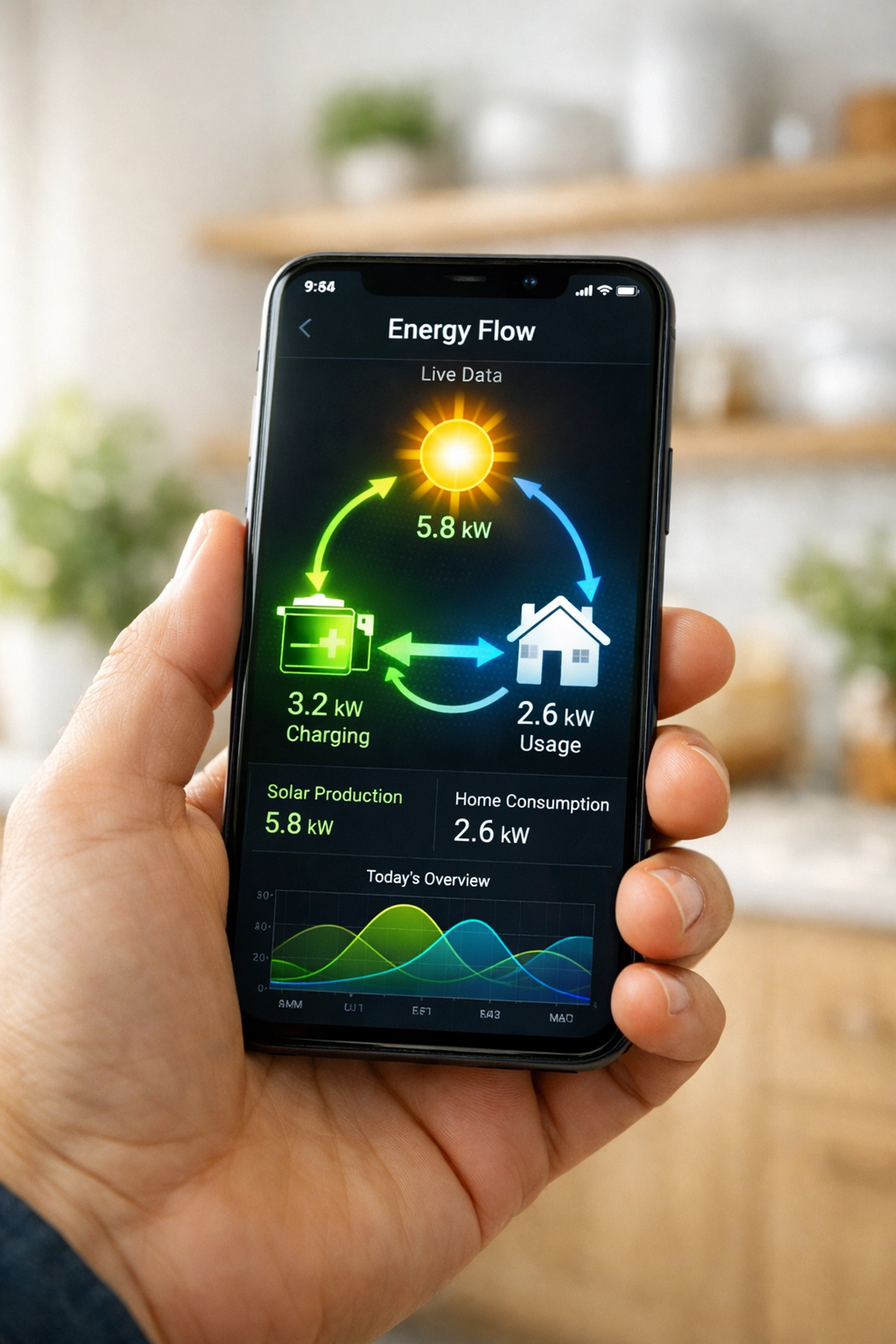
The search for energy security has turned batteries into dynamic flexibility resources. They aren't just buckets for electricity anymore; they are smart managers. Modern systems use AI-driven load forecasting to look at the weather, your usage patterns, and real-time grid prices to decide exactly what to do with every kilowatt.
Think of it this way:
- Old way: Your battery charges from the sun and empties at night.
- New way: Your battery sees that tomorrow will be cloudy but knows that grid prices will be negative at 3 AM due to high wind speeds. It charges itself from the grid while being paid to do so, then saves that energy for your morning shower.
And that’s OK if it sounds a bit complex: our team at DES Renewable Energy Ltd handles the technical side so you can just enjoy the savings. You can learn more about how we integrate these systems on our technical support page.
Tesla Powerwall vs. GivEnergy: Choosing Your Defender
When it comes to protecting your home from volatility, two names lead the pack. Both are excellent, but they suit different needs. As expert installers, we’ll guide you through which one fits your specific lifestyle.
| Feature | Tesla Powerwall 3 | GivEnergy All-In-One |
|---|---|---|
| Usable Capacity | 13.5 kWh | 13.5 kWh |
| Power Output | High (can start heavy pumps/AC) | High (whole-home backup) |
| Software | World-class app & eco-system | Highly flexible, great for UK tariffs |
| Installation | Sleek, integrated inverter | Modular, easy to expand |
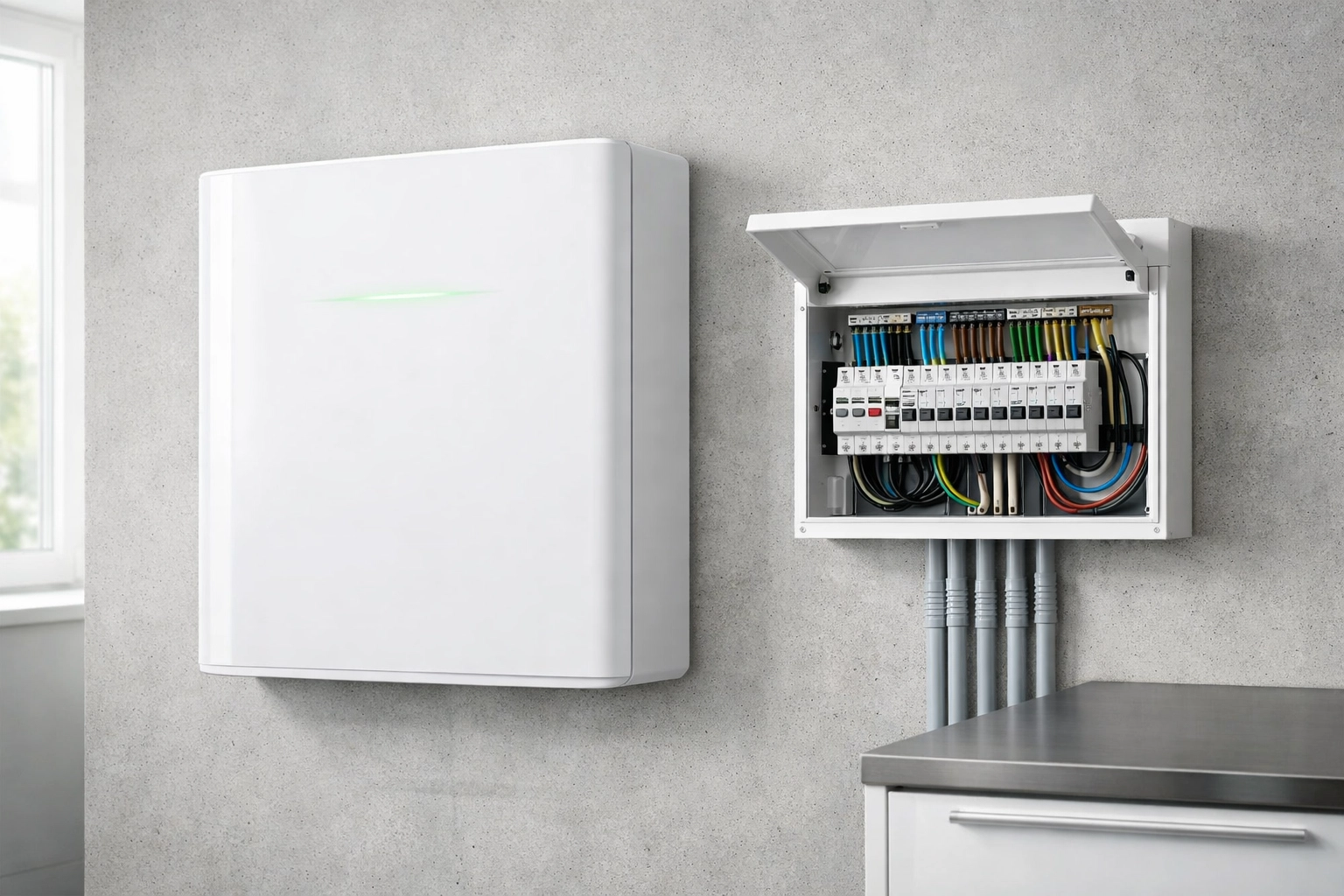
The Tesla Powerwall is often the go-to for those who want a "set it and forget it" premium experience with incredible backup capabilities. On the other hand, GivEnergy systems are incredibly popular in the UK because they play so well with dynamic tariffs like Octopus Energy.
Grid Constraints and the "Negative Price" Phenomenon
One of the strangest things about the 2026 energy market is the frequency of "negative pricing." Because the UK has expanded solar capacity so rapidly, there are moments during the day when the grid actually has too much power.
If you don't have a battery, you might be exporting your excess solar for a few pence, or worse, getting nothing for it. But if you have a smart battery system, you can "soak up" that excess. In some cases, smart tariffs actually pay you to take electricity off the grid to help balance the system.
Without a storage solution, you are a passive observer of these market shifts. With one, you are an active participant. You become part of the solution to the UK's infrastructure challenges while keeping your own costs at a near-zero level. This is why we are seeing such a surge in interest for both residential and commercial solar installations.
Is Your Home Ready for the Rest of 2026?
We understand if you're scratching your head at the technical jargon of "grid constraints" and "infrastructure resilience." The bottom line is simple: the world is getting more volatile, not less. Relying solely on the national grid is becoming a risky financial strategy.
Installing solar PV and battery storage is no longer just a "green" lifestyle choice. It is a calculated move to ensure that no matter what happens in the Middle East, or what the latest Ofgem price cap says, your home remains powered and your costs remain predictable.
But you shouldn't have to navigate this alone. Choosing the right inverter, the right battery capacity, and the right tariff requires a bit of expert planning. That is where we come in. Between you and our team, we can design a system that turns energy volatility from a threat into an opportunity.
Why the "Wait and See" Approach Might Cost You
A common question we get is, "Should I wait for battery prices to drop further?"
It's a fair question. However, when you factor in the £1,973 average bill and the increasing frequency of price spikes, the "cost of waiting" often outweighs any potential future savings on hardware. Every month you wait is another month you are exposed to global market shifts.
Plus, the current incentives and smart tariffs available in the UK: especially through partners like Octopus Energy: are designed to reward early adopters who help balance the grid today.
The DES Renewable Energy Ltd Advantage
When you work with us, you aren't just getting a battery bolted to your wall. You are getting:
- Expert Consultation: We look at your specific energy patterns.
- Top-Tier Hardware: We are certified SolarEdge, SolaX, and GivEnergy installers.
- Long-term Support: From maintenance and cleaning to repairs, we stay with you.
Final Thoughts: Taking the Power Back
The way we think about energy is changing because the world is changing. We are moving away from a central system where you are just a customer, to a decentralised system where you are a producer and a manager.
Global volatility is a wake-up call. It’s a reminder that energy security starts at home. Whether you are looking to protect your family from rising bills or ensure your business stays operational during grid stress, battery storage is the answer.
Ready to see how a battery could change your relationship with energy? The best way to start is with a bespoke calculation for your property.
Contact us today to discuss your needs or request a solar quote to get started on your journey toward energy independence.