


It’s impossible to open a news app lately without seeing headlines about global volatility. Whether it’s the ongoing tensions in the Middle East or the sudden spikes in Brent Crude prices, the world feels a bit more unpredictable than it did a few years ago. And while these events might feel a world away, the reality is that they land squarely on your business’s balance sheet every time you pay your energy bill.
If you’ve been feeling a bit uneasy about the rising costs and the stability of the UK grid, you aren’t alone. We’re seeing more UK business owners and homeowners than ever before asking the same question: "How do I stop being at the mercy of global events I can’t control?"
The answer is energy independence. But what does that actually mean for a business in 2026? It’s not about moving to a cabin in the woods; it’s about turning your commercial roof into a powerhouse that protects your bottom line.
The Global Ripple Effect: Why Your Bill is Rising
You might wonder why a conflict thousands of miles away affects the cost of running your office in Manchester or your warehouse in Birmingham. In the UK, our electricity prices are still heavily tied to the global price of gas. When international markets get nervous due to geopolitical instability, gas prices jump, and your electricity rates follow suit.
Recent forecasts from experts like Cornwall Insight have shown that we are far from the "stable" prices of the pre-2020 era. With the average business energy bill seeing projected increases and the domestic price cap hovering around £1,973, the "wait and see" approach is becoming an expensive gamble.
When you rely 100% on the grid, you are essentially signing a blank cheque for your energy supplier. Energy independence changes that dynamic. It’s about shifting from being a consumer to being a producer.
What Exactly is Energy Independence?
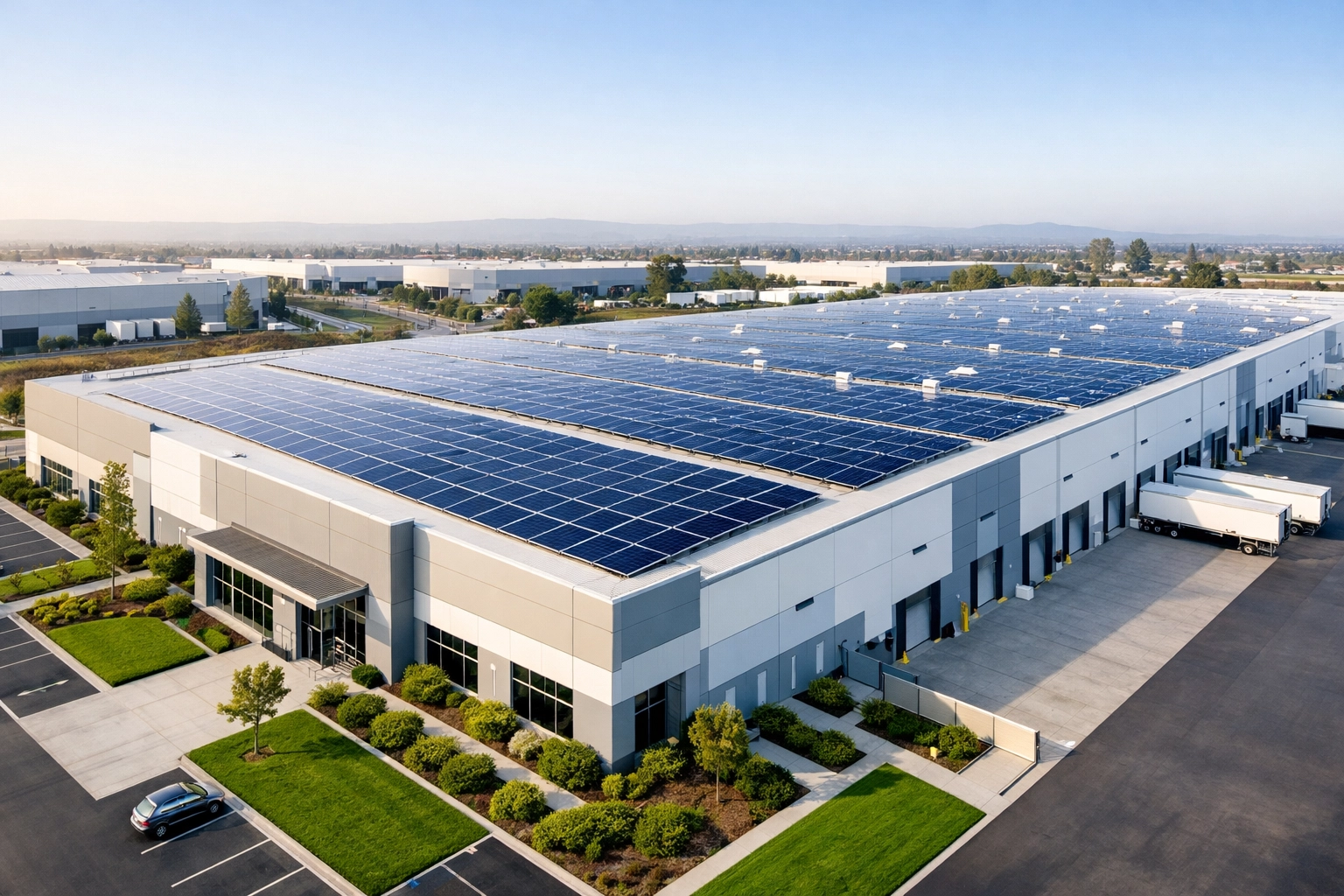
In simple terms, energy independence is your ability to generate, store, and manage your own power on-site. For a business, this usually involves a combination of Solar PV (photovoltaic) panels and a robust Battery Energy Storage System (BESS).
Think of it as an insurance policy against the grid. Rather than being 100% dependent on an aging infrastructure and a volatile global market, you create a "microgrid" for your own property. You aren't necessarily cutting the cord with the National Grid entirely, and that's OK, but you are significantly reducing how much you need to buy from them.
Why the Grid is Feeling the Strain
It’s not just global politics that’s the problem. The UK grid is under more pressure than ever. As we all move toward electric vehicles (EVs) and heat pumps, the demand for electricity is skyrocketing. This record demand means the grid is more susceptible to brownouts or price surges during peak hours. By generating your own power, you bypass these risks.
The Solar + Storage Power Couple
If you installed solar panels ten years ago, you probably sent most of your excess energy back to the grid for a small credit. In 2026, that’s no longer the smartest play. To truly achieve independence, you need a way to keep that energy for yourself. This is where battery storage comes in.
Why Batteries are Non-Negotiable
Solar panels are great, but they have one obvious limitation: the sun eventually goes down. Most businesses operate throughout the day, but many also have security systems, servers, or refrigeration that run 24/7.
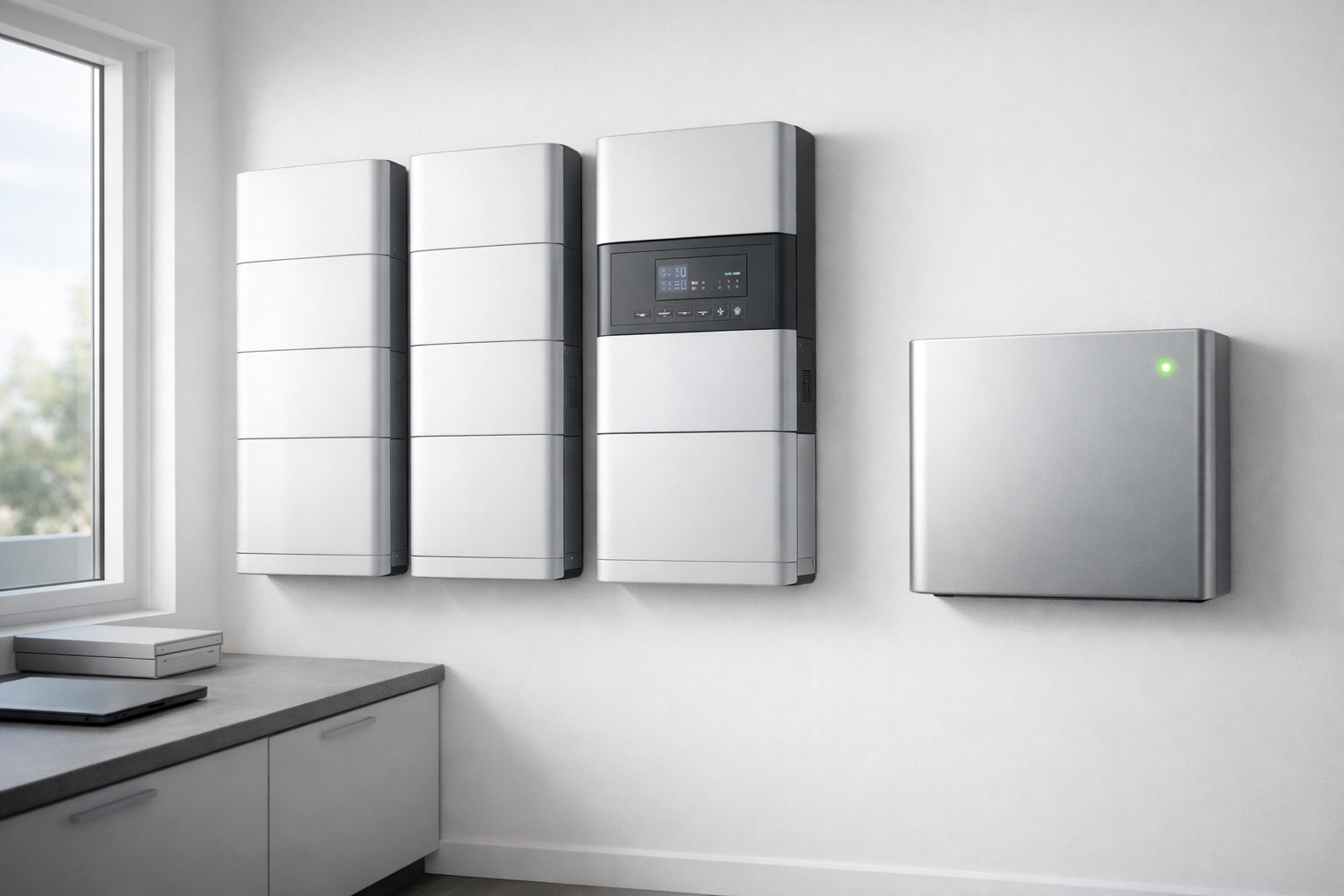
When you pair your solar panels with a system like the Tesla Powerwall or a GivEnergy commercial setup, you capture the excess energy generated during the day and store it for use when the sun isn't shining.
| Feature | Solar Only | Solar + Battery Storage |
|---|---|---|
| Daytime Savings | High | Very High |
| Night-time Savings | Zero | High |
| Grid Outage Protection | Usually No | Yes (with Backup Gateway) |
| Peak Shaving | Limited | Exceptional |
| Energy Independence | Partial | Maximum |
Using a battery allows for "Peak Shaving": a fancy term for avoiding the grid when electricity is at its most expensive. You charge your battery with free solar energy during the day and discharge it during those pricey 4 pm to 7 pm slots. It’s a simple way to keep your operational costs flat while everyone else is watching their meters spin.
Why Your Business Needs Solar Power Now
We understand if you're scratching your head about the timing. Is 2026 really the right year to invest? As it turns out, the stars have aligned to make this the most critical window for commercial solar investment.
1. Risk Management vs. Sustainability
In the past, solar was often seen as a "green" PR move. While the carbon footprint benefits are huge, today’s shift is driven by risk management. If you run a grocery store, a cold storage facility, or a manufacturing plant, a four-hour power outage isn't just an inconvenience: it’s a financial disaster. Having a solar and battery system provides a layer of operational continuity that the grid simply can't guarantee anymore.
2. Financial Incentives and Capital Allowances
The financial case for solar in the UK has never been stronger. Under current tax rules, many businesses can take advantage of Full Expensing or other capital allowances. This allows you to deduct the full cost of your solar installation from your taxable profits in the first year.
Combined with the fact that solar technology has become more efficient and affordable, the ROI (Return on Investment) timeline has shrunk significantly. We often see commercial systems paying for themselves in just a few years, followed by decades of essentially free energy. You can explore our solar panel financial advice for a deeper dive into these numbers.
3. Fixed Costs in a Volatile Market
Imagine if you could fix the price of your fuel for the next 25 years. That’s exactly what solar power does for your electricity. While your competitors are worrying about what’s happening in the Middle East and how it will affect their Q4 overheads, your costs remain locked in.
The Technology: Tesla Powerwall and GivEnergy
At DES Renewable Energy Ltd, we don't believe in a one-size-fits-all approach. Between you and our team, we’ll figure out which tech fits your specific roof and energy profile.
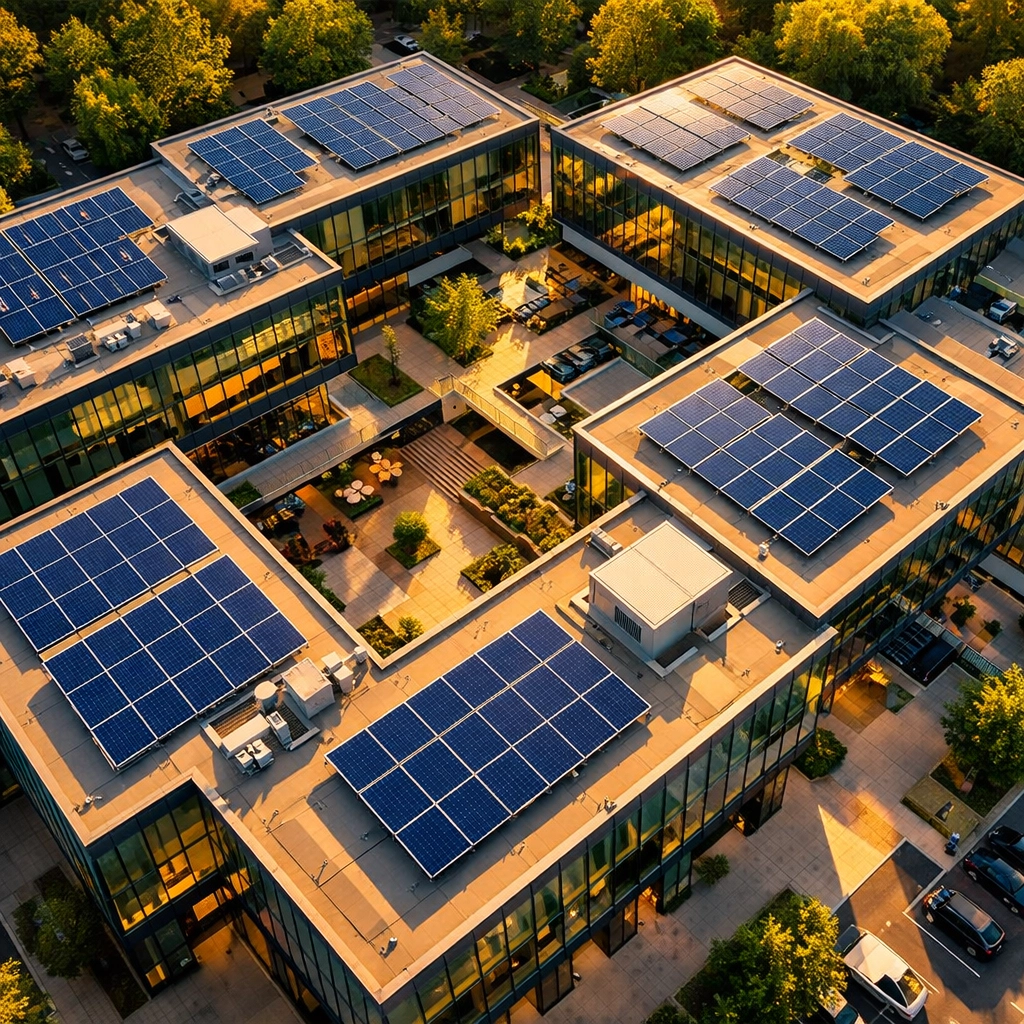
- Tesla Powerwall: Renowned for its sleek design and incredible software. It’s perfect for businesses that want a "set it and forget it" system with world-class backup capabilities.
- GivEnergy: A fantastic option for those who need modularity. Their commercial battery systems are highly scalable, meaning they can grow alongside your business.
Whether you're looking at a small office or a large industrial unit, the goal is the same: maximum efficiency and minimum reliance on the National Grid. You can see how these systems perform in the real world by checking out our case studies.
How It Works: Your Path to Independence
The process of moving toward energy independence doesn't have to be overwhelming. As expert installers, we’ll guide you through every step:
- Energy Audit: We look at how much power you use and, more importantly, when you use it.
- System Design: We design a solar array and battery storage system tailored to your building’s architecture and energy needs.
- Financial Modelling: We’ll show you the projected savings, payback period, and tax benefits.
- Professional Installation: Our team handles the solar installation with minimal disruption to your daily operations.
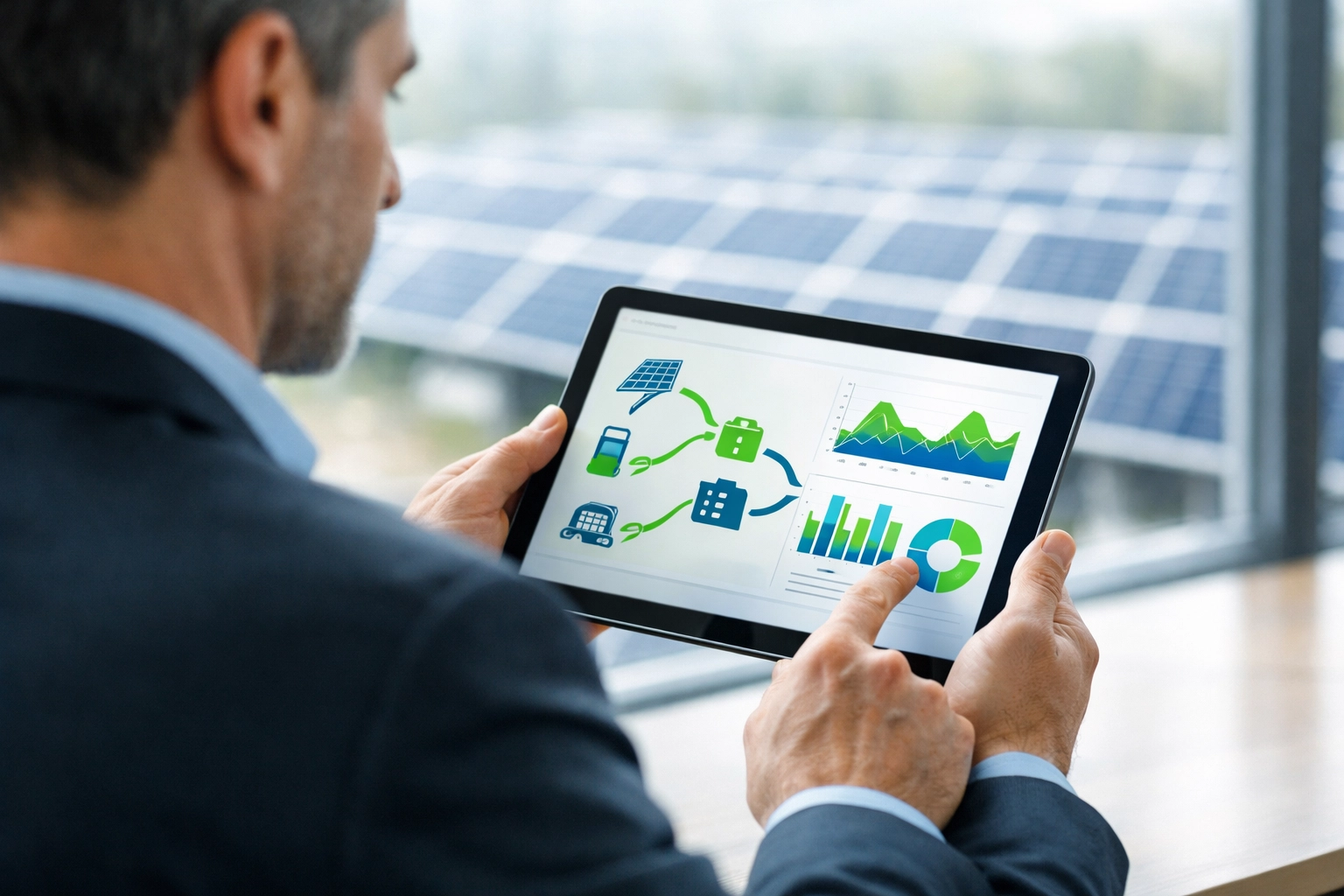
- Monitoring & Support: You’ll get an app to track your generation and storage in real-time. If you ever run into a snag, our technical support is just a call away.
Final Thoughts: Taking Control
The world is always going to have its share of volatility. We can’t control global oil prices or international conflicts, but we can control how much they impact our lives and our businesses.
Energy independence is more than just a buzzword; it’s a strategic move to ensure that your business remains resilient, profitable, and sustainable no matter what the future holds. By investing in solar PV and battery storage now, you aren't just saving money: you're buying peace of mind.
If you’re ready to see how solar power could transform your business overheads, the best way to start is with a bespoke quote. We’re here to help you navigate the jargon and find a solution that works for you.
Contact us today to discuss your needs or request a solar quote to get started on your journey to energy independence.