


If you are running a business in 2026, you already know the drill. You open your monthly overhead report, and there it is, the energy bill. It’s volatile, it’s rising, and it’s one of those "variable" costs that feels impossible to control. But what if you could turn that variable cost into a fixed, predictable asset?
That is exactly what business solar power is doing for companies right now. We aren't just talking about "being green" for the sake of a PR badge. We are talking about fundamentally changing how you manage your cash flow.
At DES Renewable Energy Ltd, we’ve seen first-hand how switching to solar shifts a company’s financial trajectory. It’s okay if the technical side feels overwhelming, most of our clients feel the same way at the start. Between you and our team, we can break it down into simple, honest numbers.
The Financial Reality: Real ROI Data for 2026
When we talk about ROI, we aren't guessing. We are looking at hard data from the field. For most businesses, the financial case for solar has never been stronger.
Currently, commercial systems are seeing a payback period of 4 to 6 years. If you are in a particularly sunny region, that can even drop to under 4 years. But what happens after that? You’re looking at decades of nearly free energy.
A Breakdown of the Numbers
Let's look at a typical mid-sized commercial installation to see how the math actually works:
| Metric | Estimated Value (200kW System) |
|---|---|
| Total System Cost | £500,000 |
| Federal/Tax Incentives (approx. 30%) | -£150,000 |
| Net Investment | £350,000 |
| Annual Electricity Savings | £70,000 – £90,000 |
| Payback Period | 4.5 – 5.5 Years |
| 20-Year Total Savings | £1,000,000+ |
As you can see, the initial investment is significant, but the "cliff" where you stop paying for power and start generating pure profit comes remarkably fast. Some of our commercial case studies show businesses achieving a 10-15% annual ROI, which often outperforms traditional market investments.
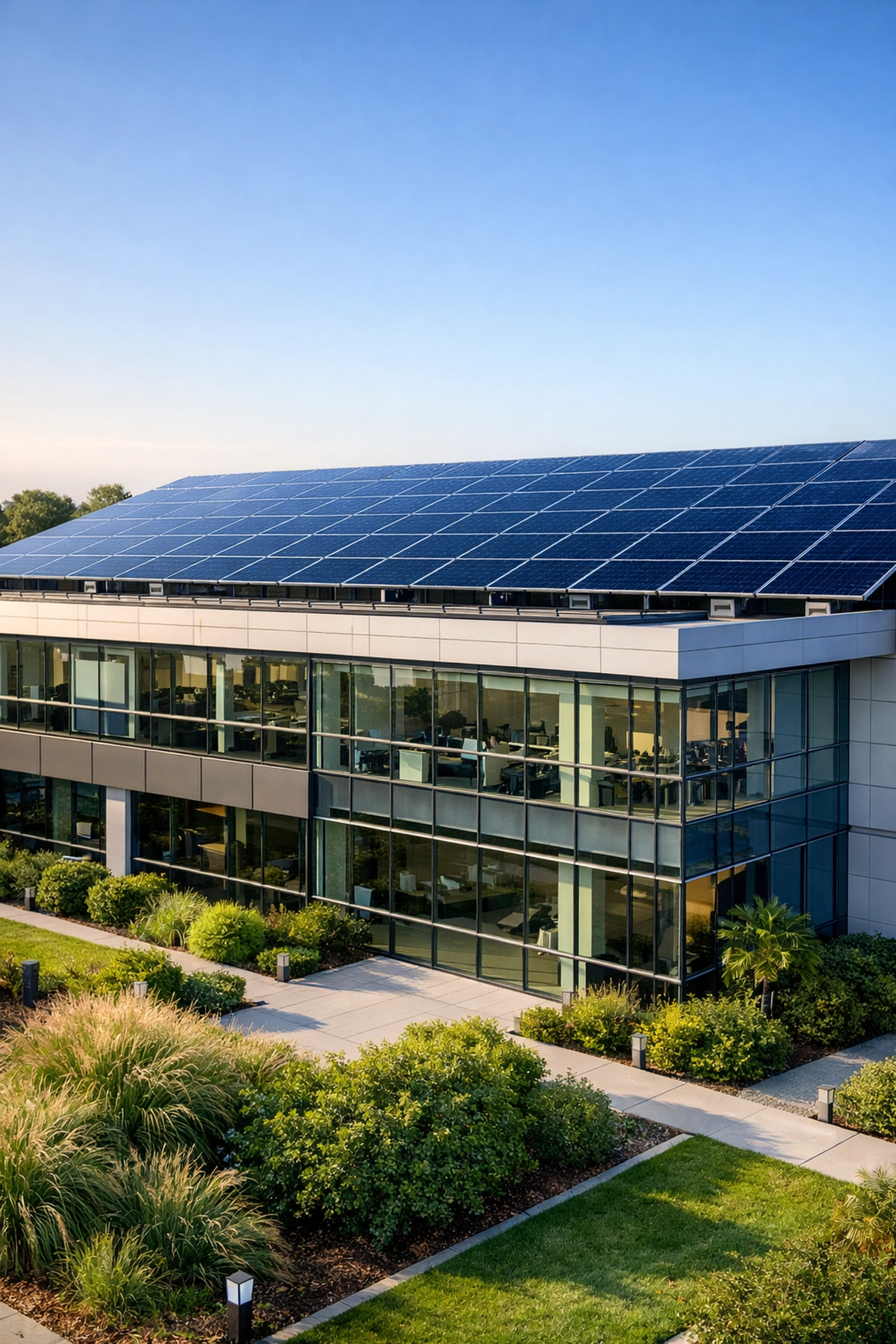
Advantages and Disadvantages of Solar Power: The Honest Truth
We believe in transparency. While we love solar, it isn't a magical solution without its own set of hurdles. If you are weighing up your options, you need the full picture, the good and the tricky.
The Advantages
- Locked-in Energy Rates: Utility rates typically climb by 3-5% every year. Solar allows you to "lock in" your rate at roughly 4-6 cents per kilowatt-hour for the next 25 years.
- Tax Efficiency: With current incentives, you can often offset 50-60% of the total system cost within the first five years through tax credits and depreciation.
- Increased Property Value: Commercial buildings with solar installations are often valued higher and are more attractive to premium tenants.
- Energy Independence: With a hybrid system (solar plus battery storage), you aren't just saving money; you’re protected against grid outages.
The Disadvantages (The "Honest" Part)
- High Upfront Capital: Even with incentives, the initial check is large. And that’s okay, many businesses choose to finance the system so the monthly loan payment is lower than their previous energy bill.
- Roof Suitability: Not every roof is ready for solar. If your roof needs repairs in three years, you should fix it before the panels go up.
- Weather Dependency: Yes, cloudy days happen. Your production will fluctuate. This is why we use sophisticated modelling to give you a "yearly average" rather than a daily guarantee.
- Maintenance Needs: While solar is low-maintenance, it isn't "no-maintenance." You’ll need occasional cleanings and inverter checks to keep efficiency high.
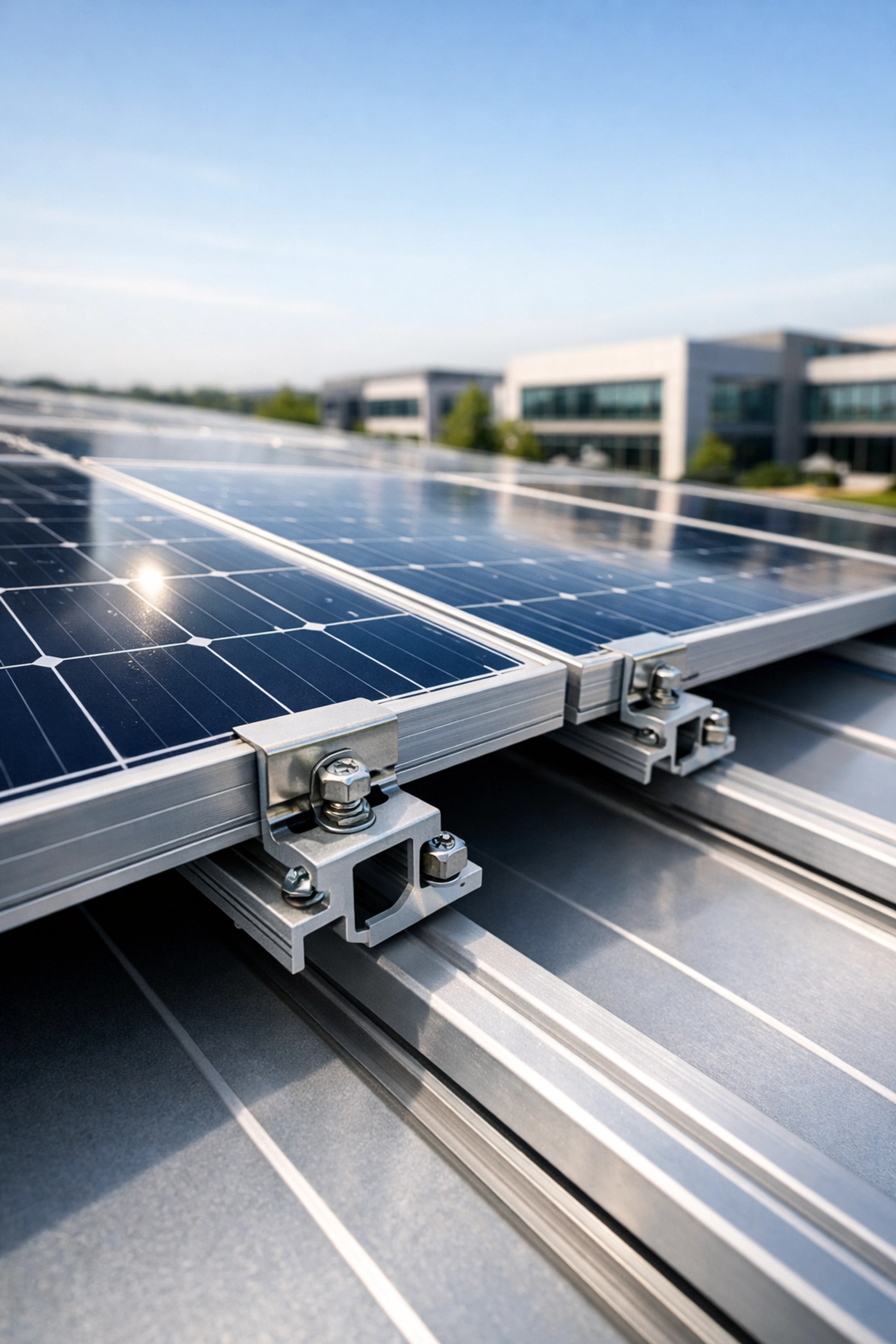
How Solar Changes Your Overhead Management
Managing overheads is all about predictability. When you rely 100% on the grid, you are at the mercy of global energy markets and infrastructure updates.
By installing business solar power, you are essentially "pre-purchasing" 25 years of electricity. This allows your finance team to forecast costs with incredible accuracy. Imagine knowing exactly what your power costs will be in 2035. That level of certainty is a competitive advantage, especially in industries with high power consumption like manufacturing or cold storage.
For example, we recently saw a regional retail chain install 120kW systems across three locations. They are now saving approximately £18,000 annually per location. That’s £54,000 a year that can be reinvested into marketing, staff, or new equipment rather than disappearing into a utility bill.
If you’re wondering how this might look for your specific building, you can get a solar quote here to see the projected savings.
The Role of Battery Storage in 2026
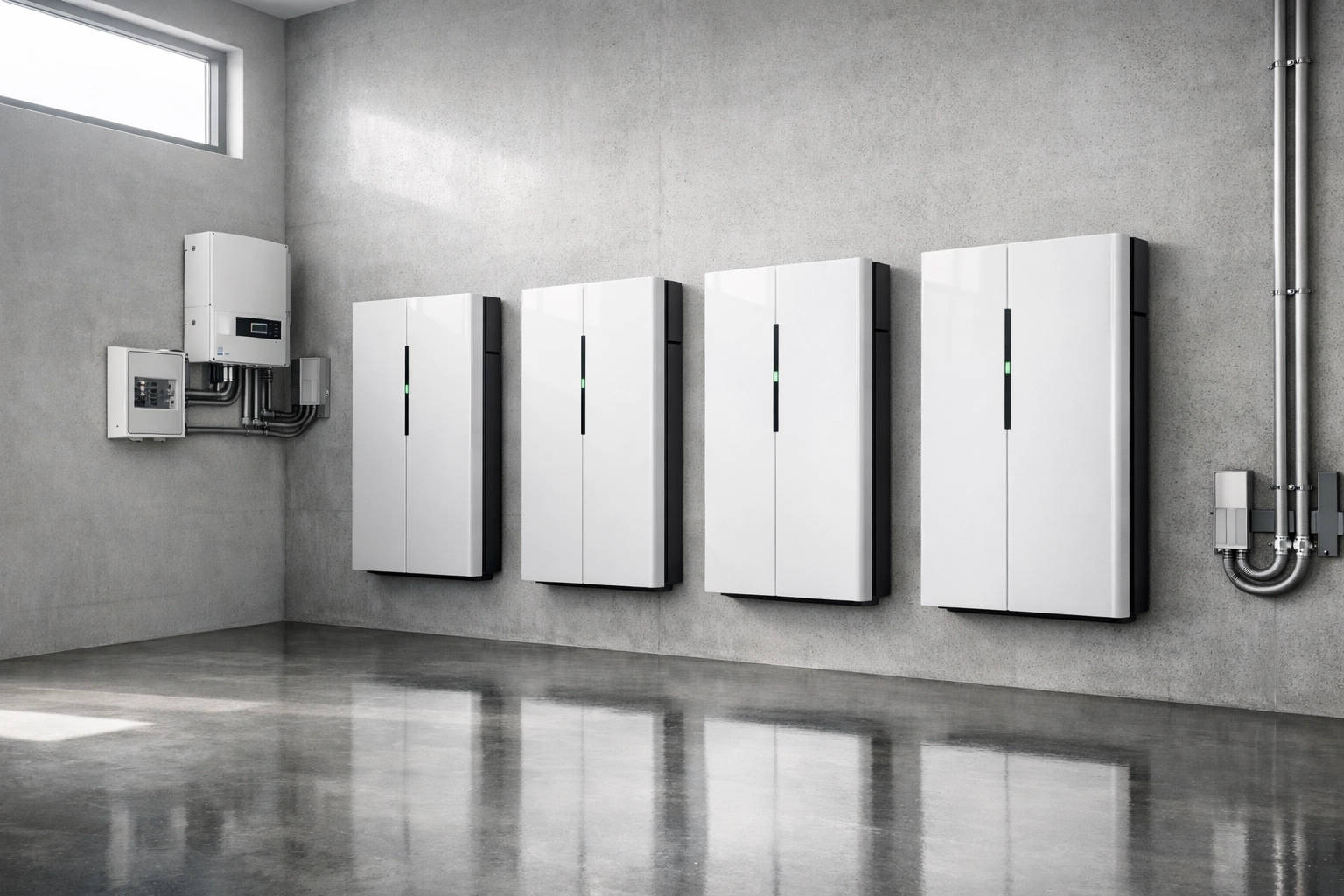
In the past, solar was just about what you could use while the sun was shining. Today, it’s about the "Hybrid" model. By adding battery storage, such as the Tesla Powerwall, you can store the excess energy your panels produce during the day and use it during peak evening hours when grid prices are at their highest.
This "peak shaving" is a game-changer for businesses that operate 24/7 or have high demand in the late afternoon. It ensures you are getting the absolute maximum ROI out of every photon your roof captures.
Maintenance Tips: Keeping Your Investment Productive
To ensure you hit those 4-6 year payback targets, you need to treat your solar array like any other piece of critical business infrastructure.
- Annual Cleaning: Dust, bird droppings, and industrial residue can drop your efficiency by 10-15% if left ignored. A professional cleaning once a year is usually enough.
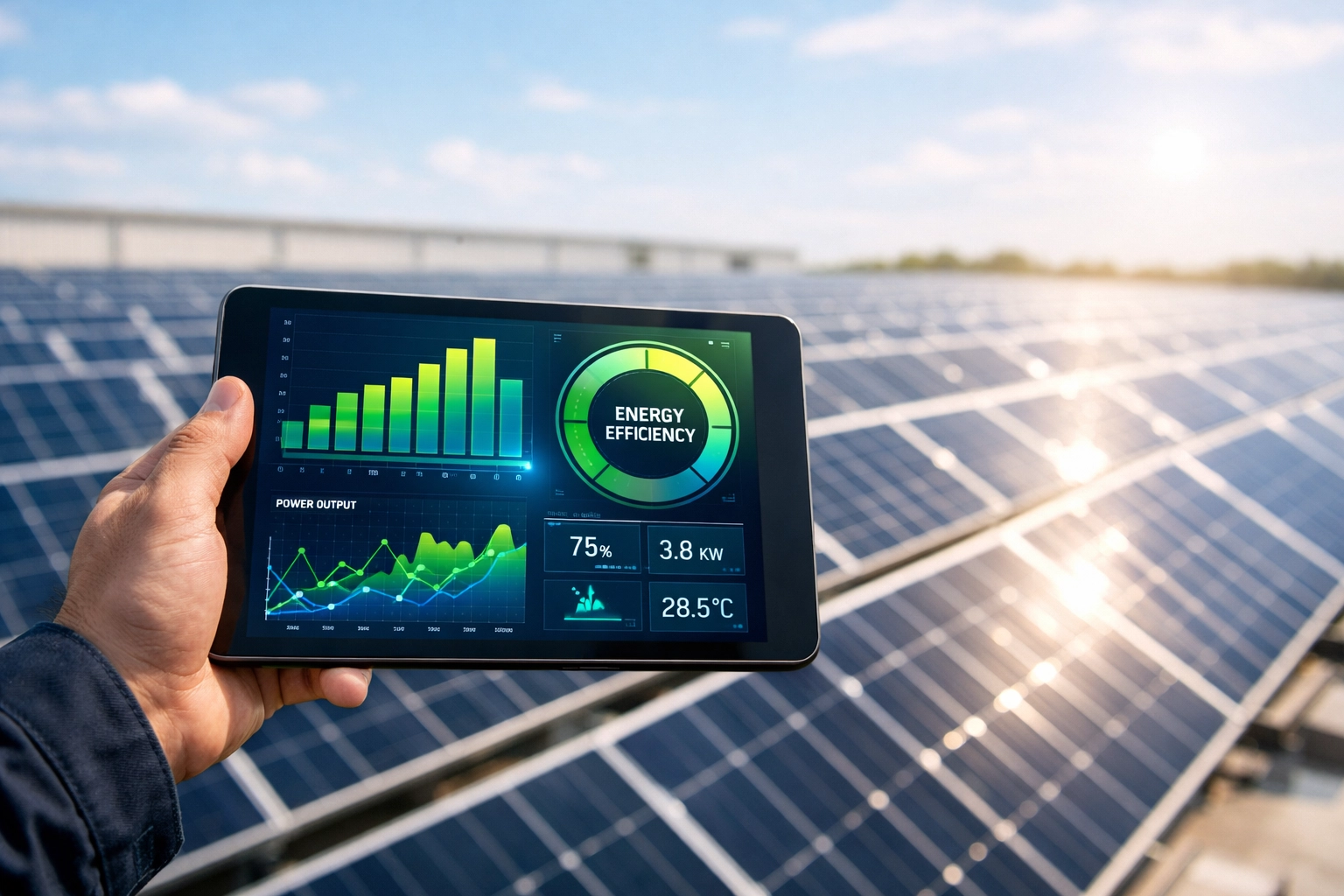
- Inverter Monitoring: The inverter is the "brain" of your system. Use your monitoring app to check for any alerts. If something looks off, it’s best to catch it early.
- Check for Shading: Trees grow. New signage gets installed. Periodically check that nothing new is casting a shadow over your panels.
- Professional Health Checks: Every few years, have a technician perform a thermal imaging scan to ensure there are no "hot spots" or micro-cracks in the cells.
If you ever feel like you're falling behind on this, our solar PV maintenance and cleaning services are designed to take that weight off your shoulders.
Is Your Business Ready for the Switch?
Making the move to solar is a big decision, and it’s one that requires a bit of homework. But the data is clear: the advantages and disadvantages of solar power heavily weigh in favour of the switch for most commercial properties in 2026.
It’s about more than just a lower bill; it’s about taking control of your company’s energy future. Whether you are looking at a small 20kW system for a retail shop or a massive multi-megawatt array for a factory, the goal is the same: fixed costs, high ROI, and a more resilient business.
We know it can be a lot to take in, and that’s okay. You don't have to figure it all out today. The best way to start is with a simple conversation about your current energy usage and your long-term goals.
Ready to see the numbers for your business?
Contact us to discuss your needs and let’s see if business solar power is the right fit for your overhead strategy. Between you and our expert team, we'll build a solution that actually works for your bottom line.