


If you're considering solar panels for your home, you've probably come across the term "MCS accreditation" in your research. It's one of those industry phrases that gets thrown around constantly: but what does it actually mean for you as a homeowner, and why should you care?
The short answer: MCS accreditation is your safeguard against cowboy installers, substandard equipment, and missed financial incentives. It's the UK's quality assurance scheme that ensures both solar products and installers meet rigorous standards for safety, performance, and consumer protection.
Let's break down exactly what MCS accreditation is, why it matters, and how it protects your investment.
What Is MCS Accreditation?
MCS stands for the Microgeneration Certification Scheme: a government-backed quality assurance programme run by Renewable Energy Assurance Limited. Established to regulate the renewable energy industry, MCS sets strict standards for both the products used in solar installations and the installers who fit them.
Think of it as the renewable energy industry's quality stamp. When you see an MCS-certified installer, you're looking at a company that has demonstrated technical competence, follows best practice guidelines, and adheres to consumer protection codes.
The scheme covers multiple renewable technologies, including solar photovoltaic (PV) systems, battery storage, and heat pumps. For solar installations specifically, two key standards apply:
- MCS 005 – The Solar PV Standard (installation practices)
- MCS 010 – Product Quality Requirements (equipment specifications)
What Does MCS Certification Cover?
MCS certification applies to two distinct areas of your solar installation:
Products
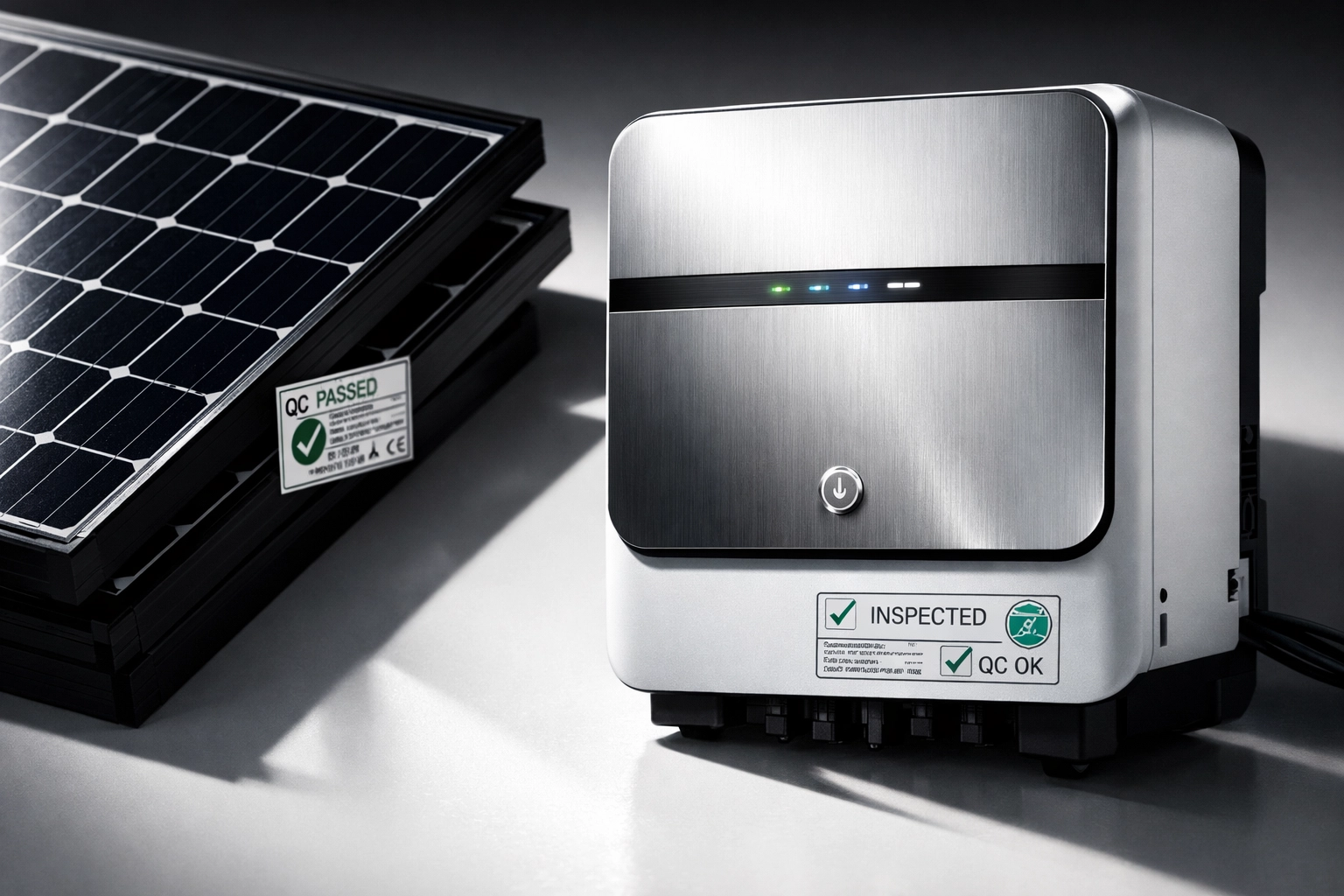
Solar panels, inverters, and battery storage systems must undergo independent third-party testing before they can be MCS-certified. This testing verifies that products meet performance benchmarks, safety standards, and durability requirements. You're not just taking a manufacturer's word that their equipment works: you have independent verification.
Installers
For a company to become MCS-certified, they must demonstrate technical competency, carry appropriate insurance, employ qualified engineers, and follow the renewable energy consumer code. The certification isn't permanent: installers undergo regular audits to maintain their status.
This dual certification approach means both the equipment going on your roof and the people installing it have met rigorous quality standards.
Is MCS Certification Legally Required?
Here's where it gets interesting: MCS certification is not a legal requirement to install solar panels on your home. Any qualified electrician can technically fit a solar system, whether or not they hold MCS accreditation.
However: and this is crucial: without an MCS certificate, you cannot access the Smart Export Guarantee (SEG), the government scheme that pays you for excess solar electricity you export back to the grid.
The SEG replaced the old Feed-in Tariff scheme and requires MCS certification as a prerequisite. Without it, you'll generate your own electricity and use it in your home, but you won't receive payment for any surplus you export. For most homeowners, that's leaving money on the table.
So while it's not illegal to use a non-MCS installer, it's financially inadvisable. You'd be forgoing one of the key financial benefits of solar ownership.
Why MCS Accreditation Matters for Your Home
Beyond SEG eligibility, MCS certification provides several important protections:
Quality Assurance
You're investing thousands of pounds in a system that should last 25 years or more. MCS-certified products have been independently tested for performance and durability. You have confidence that the panels on your roof will actually deliver the energy output promised, and that your inverter won't fail prematurely.
Safety Standards
Solar installations involve electrical work, roof mounting, and connection to the National Grid. MCS-certified installers follow strict safety guidelines that protect both you and your property. The installation must meet Building Regulations and be carried out by qualified engineers.
Consumer Protection
MCS-certified installers must adhere to the Renewable Energy Consumer Code, which includes provisions for deposits, cancellation rights, and dispute resolution. If something goes wrong, you have clear recourse through established complaint procedures.
Property Value
When you come to sell your home, an MCS certificate demonstrates to potential buyers that your solar installation was properly designed and installed to recognised standards. Homes with certified solar systems often command higher prices, as buyers recognise the long-term savings and environmental benefits: and crucially, they know the system qualifies for SEG payments.
Warranty Validation
Many solar panel and inverter manufacturers require MCS-certified installation to validate their warranties. Use a non-certified installer, and you risk voiding manufacturer warranties worth thousands of pounds.
How the MCS Certification Process Works
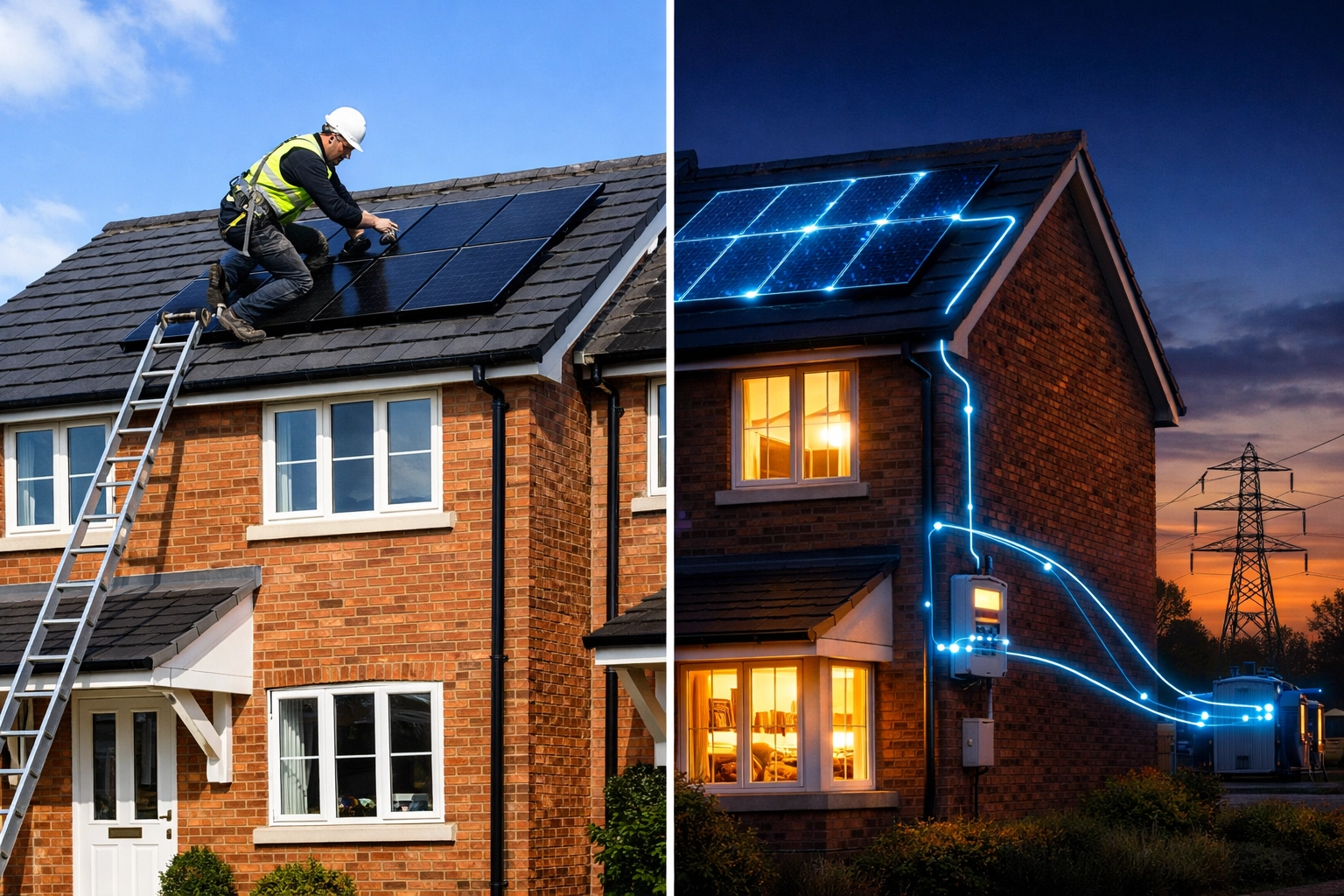
When you hire an MCS-certified installer for your solar project, the process follows a structured pathway:
1. Site Survey and Design
The installer assesses your property, taking into account roof orientation, shading, structural capacity, and your electricity consumption patterns. They design a system specifically tailored to your home's needs.
2. Installation
Qualified engineers install the equipment following MCS standards and manufacturer guidelines. This includes proper roof mounting, electrical connections, and grid integration.
3. Commissioning and Testing
Once installed, the system undergoes thorough testing to verify correct operation, safety, and performance. All electrical connections are checked, and the system is commissioned for safe use.
4. MCS Certificate Issued
Upon successful completion, your installer provides an MCS certificate: typically within 10 days of finishing the installation. This certificate includes your commissioning date, installation address, system size, equipment specifications, and confirmation that MCS standards have been met.
You'll need this certificate to register for SEG payments with your chosen energy supplier. Keep it safe: it's an important document for warranty claims and future property transactions.
How to Find and Verify an MCS-Certified Installer
Not all solar companies are MCS-certified, and unfortunately, some non-certified installers aren't always transparent about this fact. Here's how to protect yourself:
Check the MCS Directory
Visit the official MCS website and use their installer directory. You can search by postcode to find certified installers in your area. The directory shows each company's certification status, scope of work, and contact details.
Ask for Certification Numbers
Any reputable MCS-certified installer will prominently display their certification and provide their MCS certificate number. Don't be shy about asking: legitimate installers are proud of their accreditation.
Verify Before You Commit
Even if an installer claims MCS certification, verify their status yourself before signing any contracts or paying deposits. The MCS helpdesk can confirm current certification status if you have any doubts.
Check the MCS Installations Database
After your installation, your system should be registered on the MCS Installations Database (MID), which holds records of every MCS-certified renewable energy installation in the UK. This provides an additional layer of verification and protection.

The Bottom Line
MCS accreditation isn't just industry bureaucracy: it's your protection against poor workmanship, substandard equipment, and financial loss. While technically optional, choosing an MCS-certified installer and receiving an MCS certificate is essential if you want to:
- Access SEG payments for exported electricity
- Ensure product and installation quality
- Validate manufacturer warranties
- Protect your property value
- Benefit from consumer protection provisions
The renewable energy market has matured significantly, but cowboy installers still exist. MCS certification helps you separate the professionals from the chancers.
When you're ready to move forward with solar panels, make MCS certification a non-negotiable requirement. It's one of the simplest ways to protect your investment and ensure your solar system delivers the financial and environmental benefits you expect.
Ready to Get Started?
At DES Renewable Energy Ltd, we're proud to be MCS-certified installers serving homeowners across the UK. Our team designs and installs solar PV systems that meet the highest standards for quality, safety, and performance: and every installation comes with full MCS certification.
Contact our team today for a free, no-obligation site survey. We'll assess your property, answer your questions, and provide a detailed quote for a solar system tailored to your home's specific needs.