


You've made the investment in solar panels: now it's time to protect it. The good news? Solar panels are remarkably low-maintenance compared to most home improvements. No moving parts, no complex machinery, just silicon cells quietly converting sunlight into electricity year after year.
But "low-maintenance" doesn't mean "no maintenance." A bit of regular care can be the difference between a system that limps along at 80% efficiency and one that delivers peak performance for decades. This guide walks you through everything you need to know to keep your solar panels running smoothly, from DIY cleaning to knowing when to call in the professionals.
Why Solar Panel Maintenance Actually Matters
Your solar panels are designed to last 25+ years, but their efficiency depends on consistent upkeep. Dirt, debris, and environmental wear don't just make your panels look scruffy: they directly impact your energy output and, ultimately, your savings.
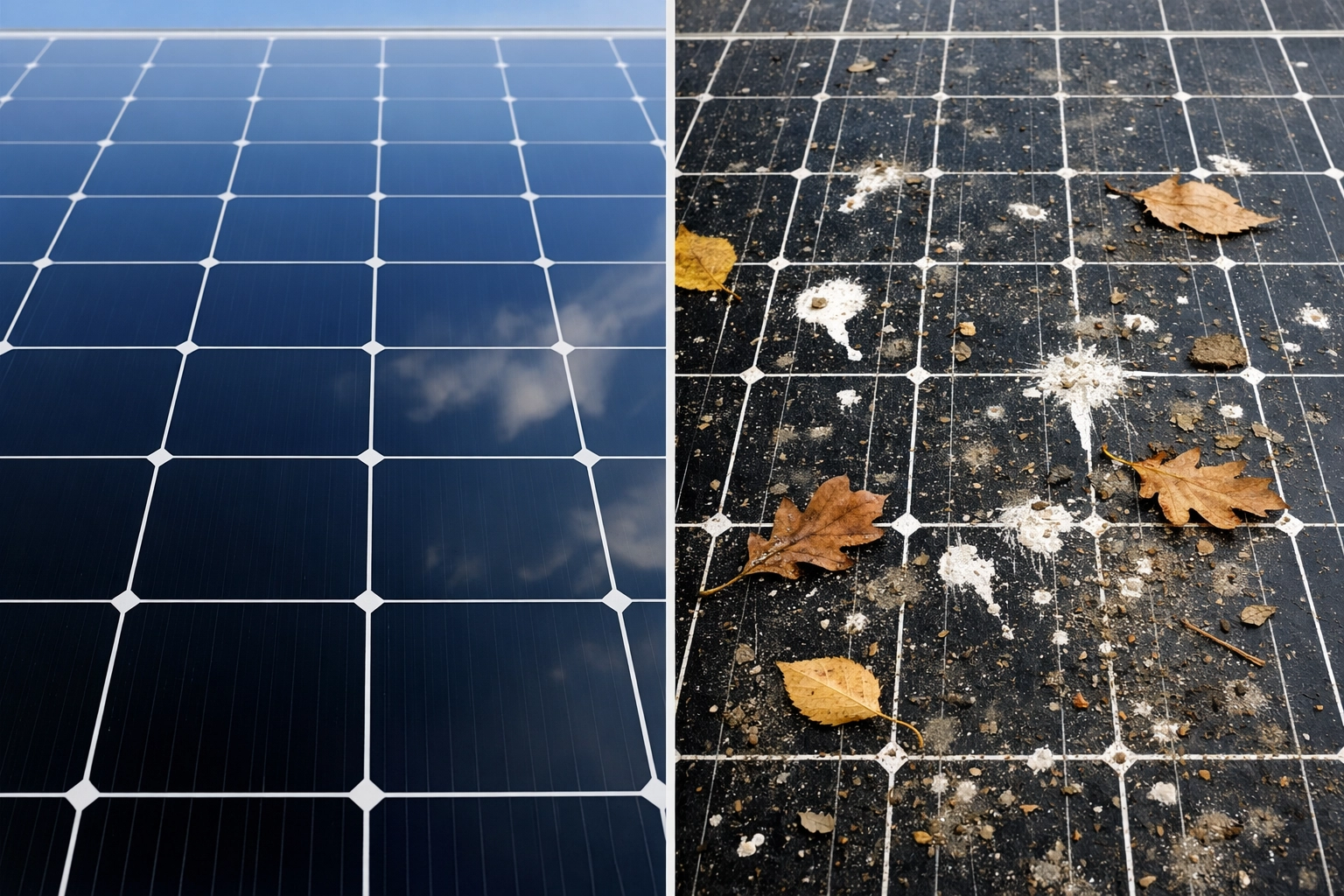
A thin layer of dust or pollen can reduce your system's efficiency by 5–10%. Bird droppings in the wrong spot? That could jump to 20% or more. In the UK, where every ray of sunshine counts (especially during our grey winters), you can't afford to lose that production.
Regular maintenance also helps you spot small issues before they become expensive problems. A loose cable connection today could mean a failed inverter tomorrow. An unnoticed crack in a panel might let moisture in, leading to long-term damage that voids your warranty.
Cleaning Your Solar Panels: The Essentials
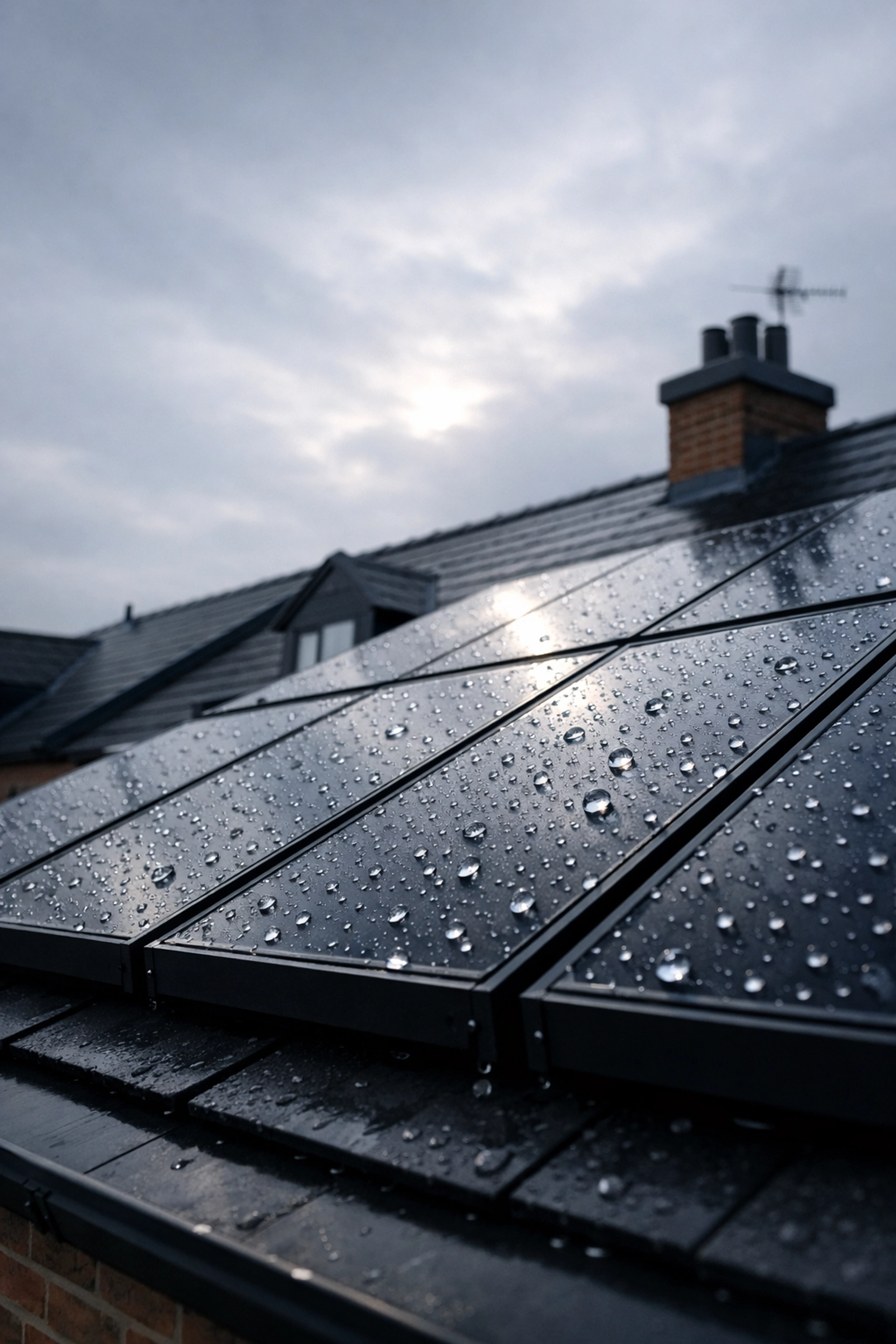
Cleaning is the backbone of solar panel maintenance. Rainwater does some of the work for you: particularly useful in the UK: but it won't tackle stubborn grime, bird droppings, or the fine layer of dust that accumulates during dry spells.
How Often Should You Clean?
Most UK homeowners should aim for 2–4 cleans per year. At minimum, clean your panels once or twice annually. If you live near the coast (where salt spray accumulates), in a built-up area (with higher pollution), or near farmland (dust and pollen), you'll want to lean toward the higher end of that range.
If your area gets regular rainfall, you can often get away with fewer manual cleans. During prolonged dry periods: think those rare British heatwaves: schedule a clean to remove the buildup that rain would normally wash away.
The Right Way to Clean
Don't overthink this. Here's what works:
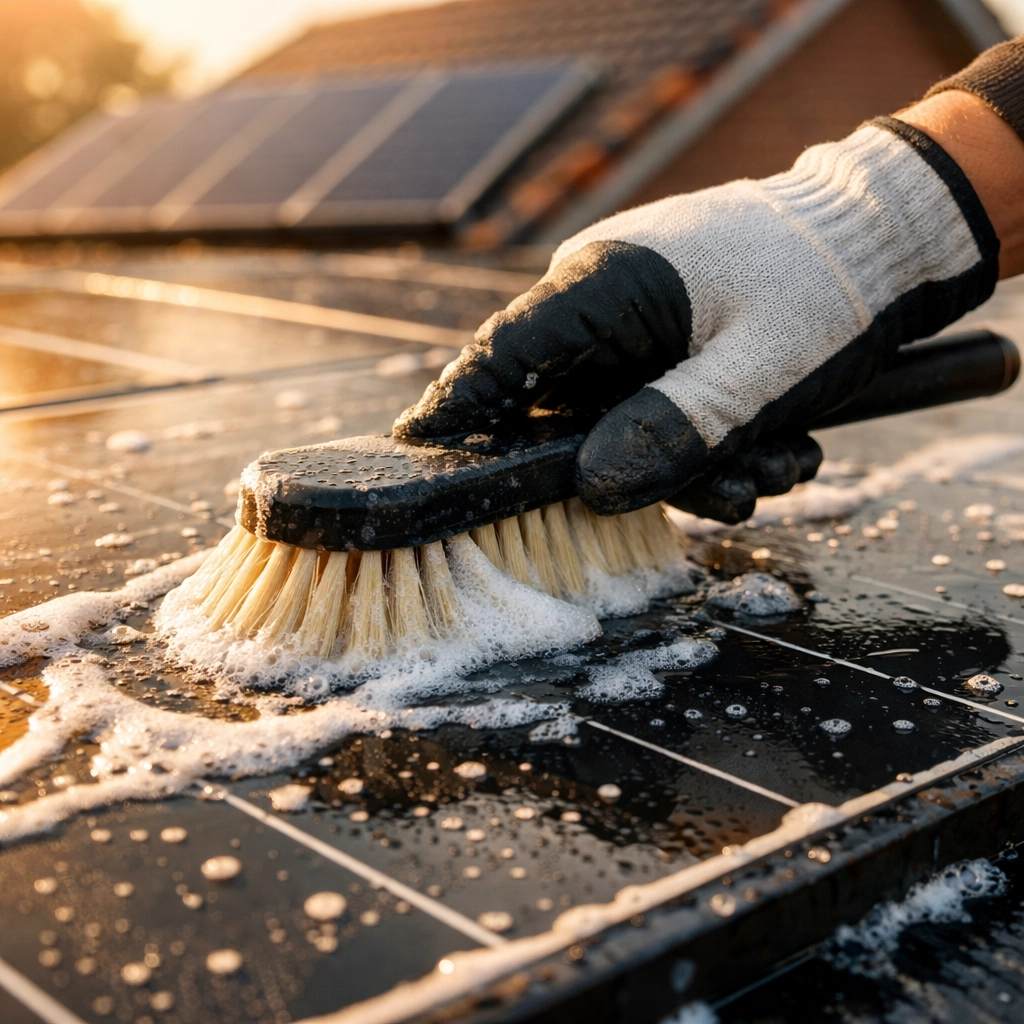
- Use a soft-bristled brush or sponge with lukewarm water and a small amount of mild detergent. Avoid abrasive materials, harsh chemicals, or anything you wouldn't use on your car windscreen.
- Clean from the ground using an extendable brush or hose whenever possible. Climbing onto your roof introduces unnecessary risk: leave that to the professionals.
- Schedule cleaning for early morning or late afternoon. Spraying cold water on hot panels (especially on a sunny day) can cause thermal shock and potentially crack the glass.
- Start with a gentle rinse to remove loose debris, then work your way across the panels methodically. Finish with a clean water rinse to avoid streaking.
For light maintenance between deep cleans, a leaf blower or a standard garden hose can shift loose leaves and dust without requiring a full scrub.
What You're Cleaning Off
The usual culprits include:
- Dust and pollen (especially in spring)
- Bird droppings (surprisingly problematic: they create "hot spots" that reduce efficiency)
- Fallen leaves and tree sap
- Coastal salt spray or urban pollution residue
Each of these obstructs sunlight from reaching the solar cells, which means less energy production and lower savings on your electricity bills.
Visual Inspections: Spotting Problems Early
Cleaning is reactive. Visual inspections are proactive. You're looking for signs of wear, damage, or potential failure before they escalate into costly repairs.
Inspection Schedule
Check your panels every few months: ideally quarterly. A quick visual sweep from ground level takes five minutes and could save you hundreds of pounds in repairs.
What to Look For
When inspecting your panels, keep an eye out for:
- Cracks, chips, or scratches in the glass surface (even small ones can let moisture in)
- Discolouration or dark spots (signs of internal damage or "hot spots")
- Loose or corroded mounting hardware (panels need to stay firmly attached to your roof)
- Frayed or exposed wiring (a safety hazard and a performance issue)
- Inverter warning lights or error messages (your inverter is the system's brain: listen when it complains)
If you notice anything unusual, don't ignore it. Contact a professional installer to assess the issue before it worsens.
Monitoring System Performance: Your Early Warning System
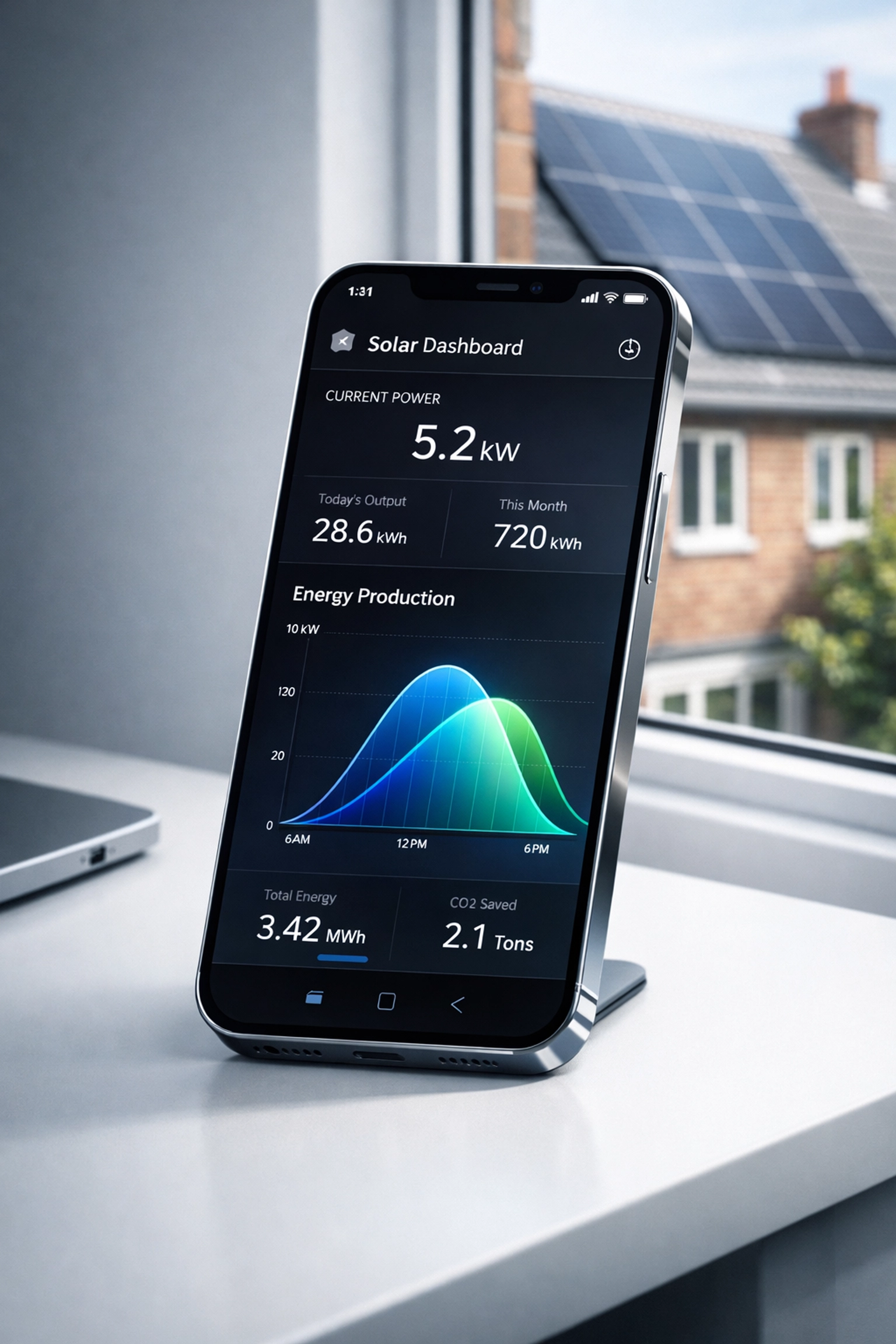
Modern solar systems come with monitoring apps or dashboards that track your energy production in real time. This isn't just a nice-to-have feature: it's your first line of defence against underperformance.
How to Monitor Effectively
Check your system output monthly. You don't need to obsess over daily fluctuations (cloudy days happen), but tracking month-on-month trends helps you spot problems early.
If you notice a significant drop in production that doesn't align with weather patterns, investigate. Common causes include:
- Shading from new tree growth or nearby construction
- Dirt or debris buildup (time for a clean)
- Inverter issues or electrical faults
- Panel damage from storms or wildlife
Cross-reference your monitoring data with your electricity bills. If your energy production looks normal but your bills are creeping up, your system might not be performing as efficiently as the numbers suggest.
Most monitoring systems will alert you to faults automatically, but it pays to stay engaged with the data yourself. You know your home's energy usage better than any algorithm.
Managing Vegetation and Shading
Even a small amount of shade can disproportionately reduce your solar panel output. If branches have grown over your panels since installation, or a neighbour's tree is casting shadows in the afternoon, your system is working harder for less.
Trim back trees and shrubs at least once a year: more often if growth is rapid. Solar panels need unobstructed access to sunlight, especially during peak daylight hours (roughly 10 AM to 4 PM in the UK).
If shading is unavoidable, speak to your installer about solutions like panel optimisers or microinverters, which can minimise the impact of partial shading.
When to Call in the Professionals
DIY maintenance covers most of your needs, but some tasks require a licensed professional. Here's when to book in expert support:
Every 3 Years: Electrical Inspections
Hire a licensed electrical professional to inspect your system's connections, wiring, and electrical components. This isn't something you should attempt yourself: solar systems involve high-voltage DC current, and safety must come first.
During this inspection, the electrician will:
- Test all electrical connections for wear or corrosion
- Check inverter performance and settings
- Verify grounding and earthing systems
- Inspect isolators and switchgear
Every 5–10 Years: Comprehensive System Check
If your system is performing well, a full inspection every 5–10 years is sufficient. This includes:
- Detailed inverter diagnostics
- Mounting system integrity check
- Panel-by-panel performance testing
- Review of warranty coverage and system documentation
If you notice performance issues, strange noises, or warning lights between scheduled inspections, don't wait: book a professional assessment immediately.
Your Solar Panel Maintenance Checklist
Here's your at-a-glance schedule for keeping your system in top shape:
Monthly:
- Check your monitoring app for unusual drops in production
- Review inverter for error messages
Quarterly:
- Remove visible debris (leaves, branches) from panels
- Perform a visual inspection for damage, cracks, or loose hardware
Biannually (Every 6 Months):
- Clean panels thoroughly using soft brush and mild detergent
- Trim back vegetation that's causing shading
Every 3 Years:
- Professional electrical inspection by licensed professional
Every 5–10 Years:
- Comprehensive system inspection (if system is performing normally)
Following this schedule will maximise your system's efficiency, extend its lifespan well beyond 25 years, and protect your investment.
The Bottom Line
Solar panel maintenance isn't complicated, but it is important. A few hours of DIY care each year, combined with periodic professional inspections, will keep your system running at peak performance for decades.
The payoff? Maximum energy production, lower electricity bills, and the peace of mind that comes from knowing your renewable energy system is working exactly as it should.
If you're unsure about any aspect of maintaining your solar installation: or if you'd like to book a professional inspection: our team at DES Renewable Energy is here to help. We service systems across the South of England and can provide expert guidance tailored to your specific setup. Get in touch today to schedule a maintenance visit.