


You've made the switch to electric. Now comes the next question: which home charger should you install? If you're researching smart EV chargers in the UK, you've probably narrowed it down to two names: Zappi and Ohme. They're the most popular choices for good reason, but they're designed for different priorities.
Zappi is the go-to for solar households who want to charge their car with sunshine. Ohme is built for drivers who want the cheapest possible electricity costs with zero effort. Both are excellent chargers, but the right one depends on how you want to use it.
Let's break down exactly what each charger offers, who they're best suited for, and which one makes sense for your home.
What Makes These Chargers Different?
At first glance, Zappi and Ohme look similar. Both are 7kW smart chargers, both have slick apps, and both will charge your car overnight. But dig deeper and you'll find they're solving different problems.
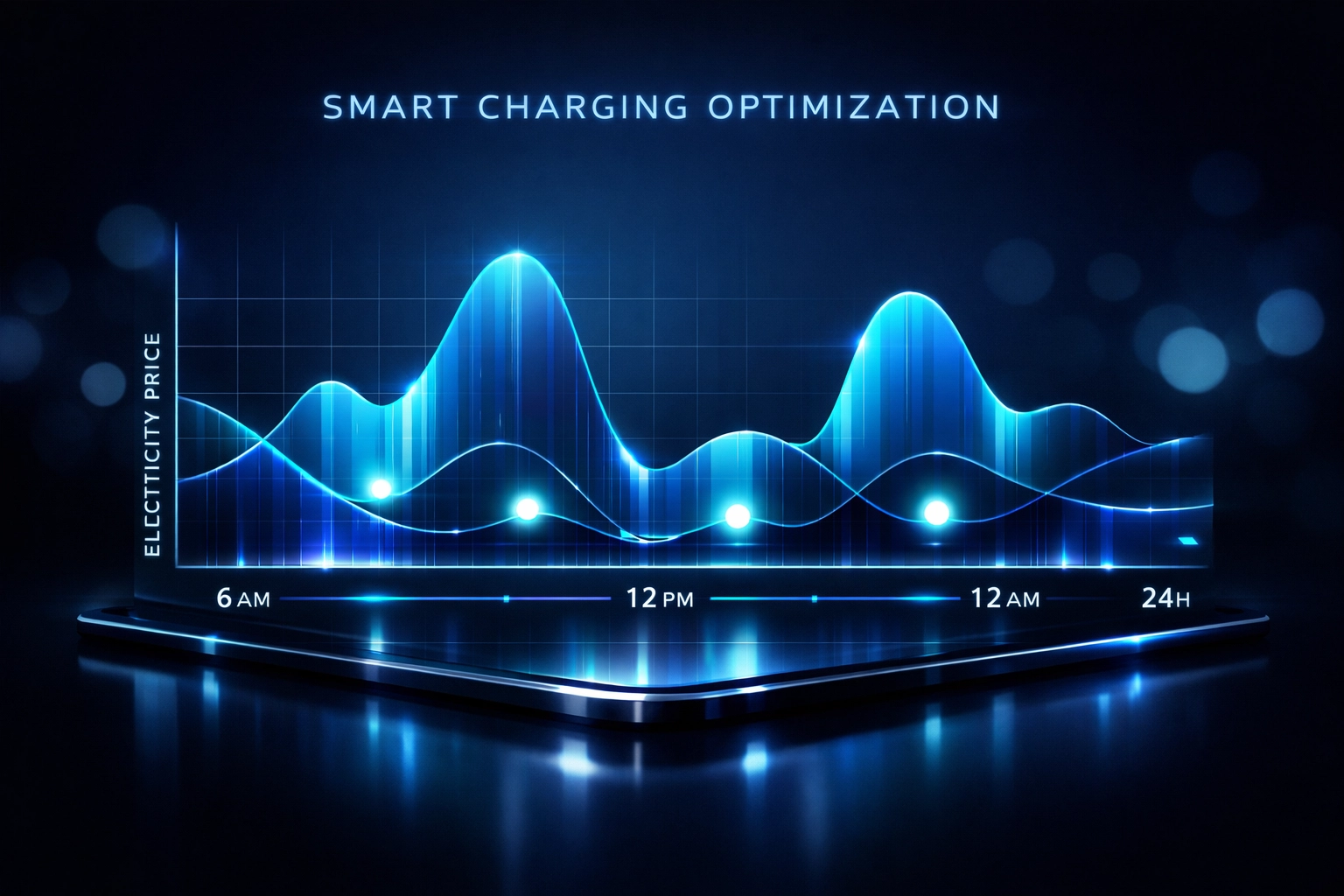
Zappi is designed by MyEnergi, a UK company that specialises in renewable energy products. Its standout feature is intelligent solar integration: it can automatically adjust your car's charging speed based on how much solar energy your panels are generating. If you have solar panels (or plan to install them), Zappi is purpose-built to help you use as much of that free energy as possible.
Ohme takes a different approach. It's all about automation and cost optimisation. Connect it to your energy tariff, tell it when you need your car charged, and it handles the rest: scheduling charging sessions during the cheapest overnight periods. You wake up to a full battery and lower bills, without lifting a finger.
Pricing and Build Quality
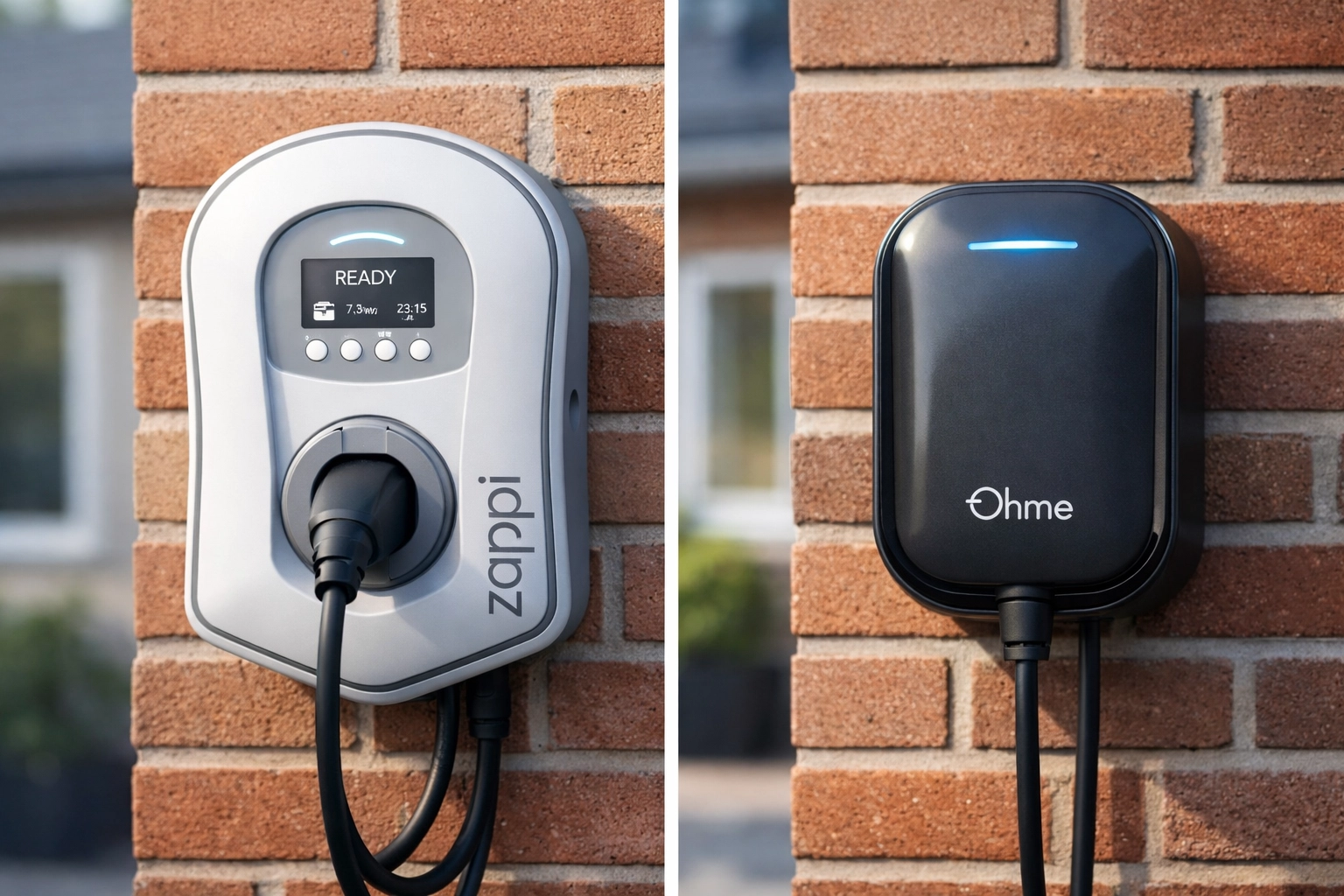
Let's talk numbers. Zappi typically costs between £850–£1,000, depending on whether you choose the tethered (cable attached) or untethered version. It's manufactured in the UK with a robust weatherproof casing, a clear LCD display on the unit itself, and a three-year warranty. The build quality is excellent: this is a charger designed to last a decade or more on the side of your house.
Ohme Home Pro sits slightly lower, usually priced between £700–£850. Despite the lower cost, the build quality is still very solid. It's weatherproof, compact, and the design is clean and modern. Where Ohme really shines is in its software: the app experience is exceptional, and the tariff integration works seamlessly with most major UK energy suppliers.
Installation costs for both chargers are similar (typically £500–£800 depending on your setup), and both qualify for the OZEV grant if you meet the eligibility criteria.
Solar Integration: Where Zappi Dominates
If you have solar panels, this is where Zappi becomes hard to beat. It offers three distinct charging modes that give you complete control over how your car charges:
Fast Mode: Charges your car at full 7kW speed, pulling from the grid regardless of solar generation. Use this when you need a quick top-up.
Eco Mode: Uses available solar first, then tops up from the grid as needed to maintain charging speed. This is the "best of both worlds" mode: you maximise solar usage without worrying about whether there's enough sun.
Eco+ Mode: Charges only when there's excess solar generation. If a cloud rolls over, charging pauses until the sun comes back. This mode is perfect for sunny days when you're not in a hurry: you can charge your car with 100% renewable energy.
The Zappi's integration with other MyEnergi products (like the Eddi solar diverter or Libbi battery system) means it can intelligently prioritise energy use across your whole home. If you're heating water with Eddi and generating solar, Zappi will wait its turn rather than competing for the same energy.
Ohme does have solar compatibility, but it's not its focus. You can manually time charging to coincide with peak solar hours, but there's no automatic solar-tracking mode like Zappi offers.
Tariff Optimisation: Ohme's Killer Feature
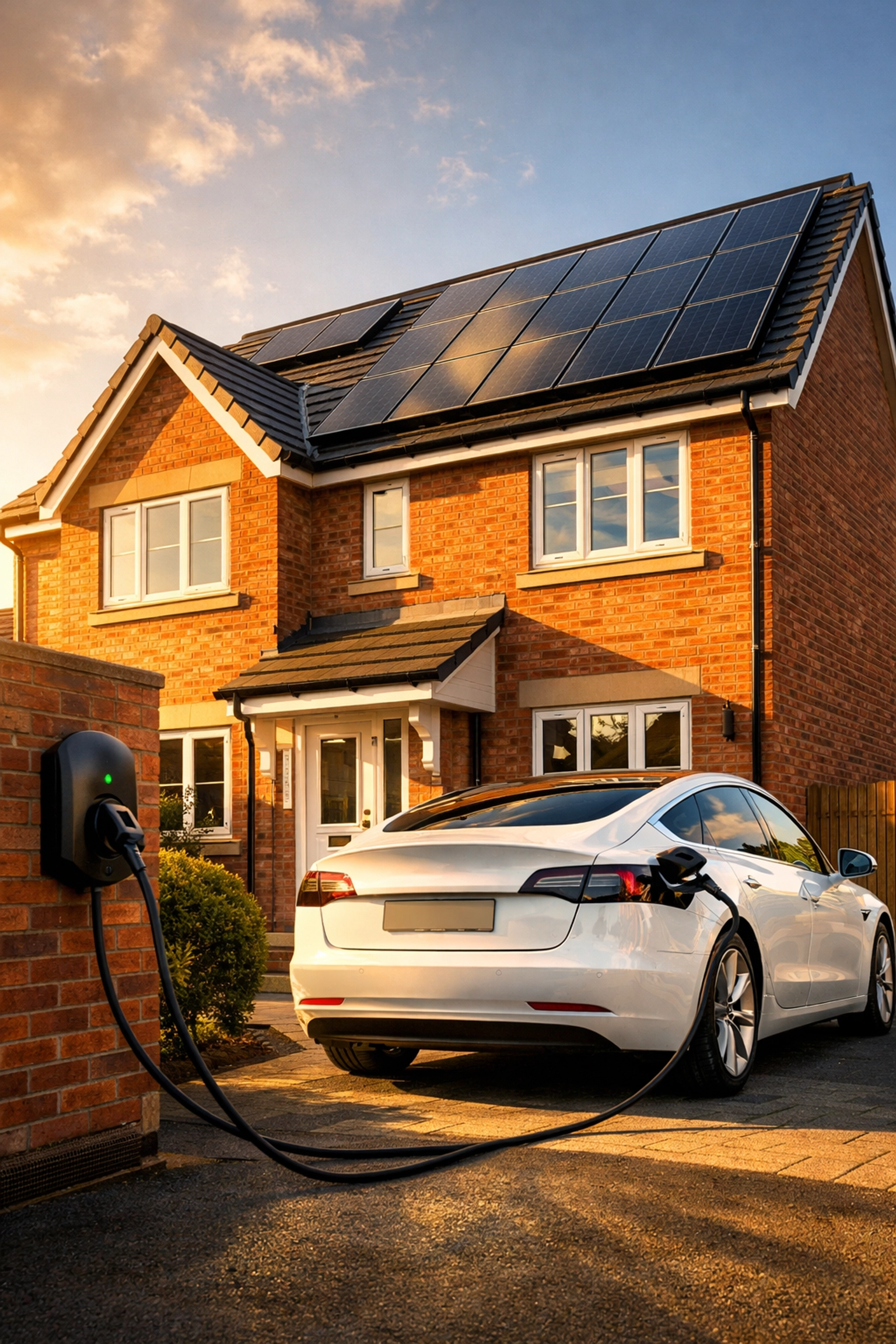
Here's where Ohme leaves Zappi behind. If you're on a flexible EV tariff: Octopus Go, Intelligent Octopus, OVO Charge Anytime, or similar: Ohme will automatically schedule your charging during the cheapest periods.
Instead of manually setting timers or checking tariff windows, you simply tell the Ohme app, "I need 80% charge by 8am." The app communicates directly with your energy supplier, figures out when electricity is cheapest (often 7–12p per kWh, compared to standard rates of 24–30p), and charges your car during those windows.
The result? You save hundreds of pounds per year without thinking about it. If you drive regularly and charge at home most nights, those savings add up fast: easily £300–£500 annually compared to charging at peak rates.
Zappi can work with off-peak tariffs, but you need to set manual timers. It's not difficult, but it's not as seamless as Ohme's automatic optimisation.
App Experience and Smart Features
Both chargers have well-designed apps, but they serve different purposes.
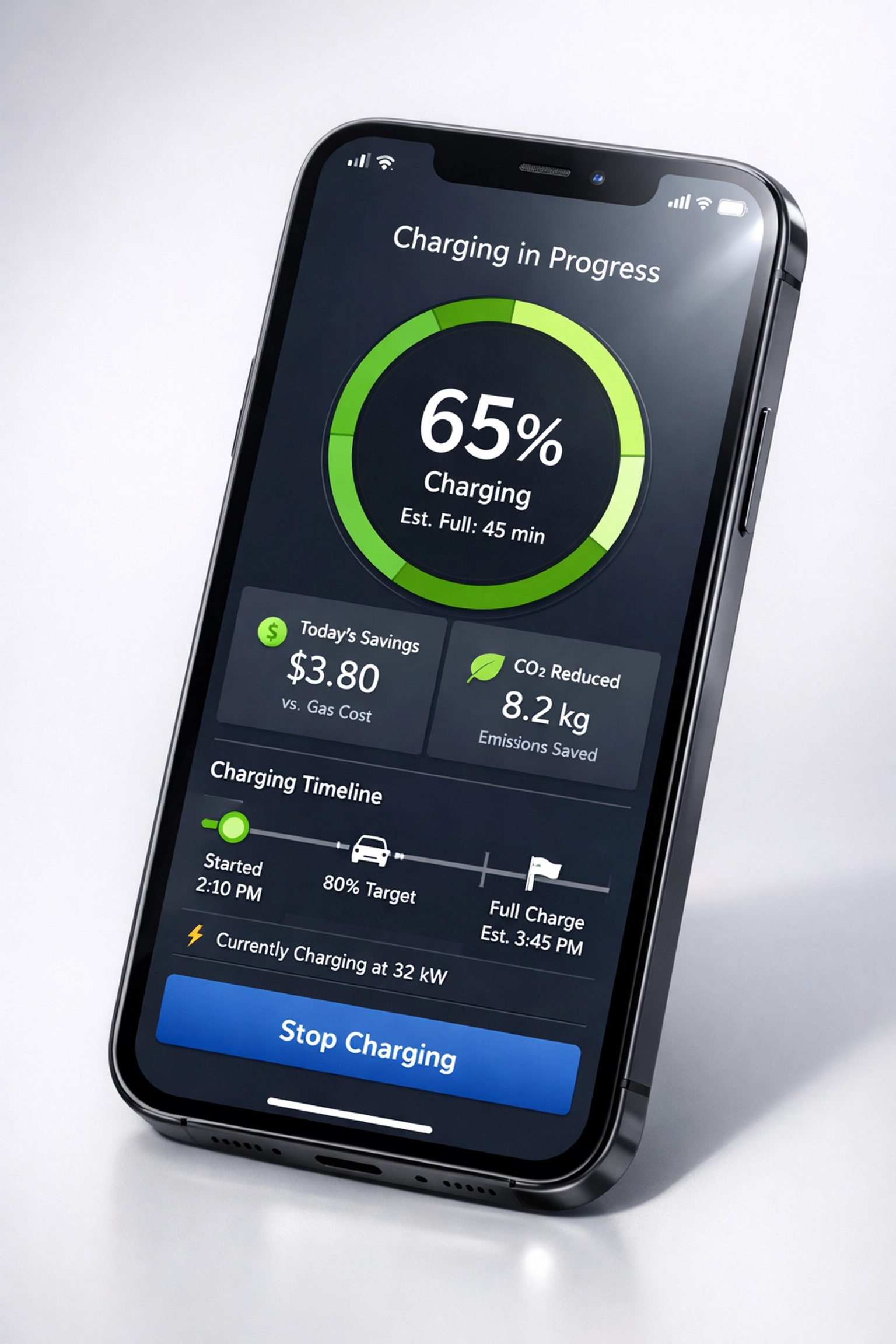
Ohme's app is intuitive and hands-off. You set your departure time and desired charge level, and it does the rest. The interface is clean, you can see real-time cost savings, and the tariff integration just works. It's genuinely impressive how little effort is required once it's set up.
Zappi's myenergi app gives you detailed energy monitoring: you can see exactly how much solar energy you're using, how much you're pulling from the grid, and track your carbon savings over time. The app is more technical, which some users love for the granular control. However, it does require more active input if you're switching between charging modes.
Both apps allow you to start/stop charging remotely, set schedules, and lock the charger to prevent unauthorised use.
Side-by-Side Comparison
| Feature | Zappi | Ohme Home Pro |
|---|---|---|
| Price | £850–£1,000 | £700–£850 |
| Solar Integration | Excellent (3 dedicated modes) | Basic (manual scheduling) |
| Tariff Optimisation | Manual timer setup required | Automatic with supplier integration |
| App Experience | Detailed energy monitoring | Intuitive, hands-off automation |
| Build Quality | UK-made, premium build | Solid, weatherproof, compact |
| Warranty | 3 years | 3 years |
| Best For | Solar households, renewable focus | Cost-conscious drivers on flexible tariffs |
| Cable Options | Tethered or untethered | 5m or 8m tethered versions |
Which Charger Should You Choose?
Choose Zappi if you:
- Have solar panels installed (or plan to install them soon)
- Want to maximise renewable energy usage and minimise grid dependence
- Like detailed control and monitoring of your energy flows
- Have (or plan to add) a home battery system
- Value UK manufacturing and premium build quality
Choose Ohme if you:
- Want the lowest possible charging costs with minimal effort
- Are on (or planning to switch to) a flexible EV tariff
- Prefer automation over manual control
- Don't have solar panels and aren't planning to install them
- Value exceptional app design and user experience
Neither choice is wrong: they're just optimised for different households.
Practical Considerations
Cable length matters more than you might think. If your driveway is long or your parking spot is far from your consumer unit, check whether you need the 5m or 8m option. Both Zappi and Ohme offer longer cables, but they do add to the cost.
Installation is similar for both chargers. You'll need a qualified electrician to install either unit, and the process typically takes 3–4 hours. If your consumer unit is old or you don't have a spare circuit, you may need additional electrical work before installation.
Both chargers have load balancing features, which prevent your home's electricity supply from being overloaded if you're using other high-power appliances while charging.
The Bottom Line
Zappi and Ohme are both excellent chargers, but they're designed for different lifestyles. If you have solar panels and want to charge your car with sunshine, Zappi's solar integration is unmatched. If you want the cheapest possible electricity costs without thinking about it, Ohme's automatic tariff optimisation is brilliant.
You can't really go wrong with either choice: both are reliable, well-supported, and will serve you well for years. The key is matching the charger to your priorities.
If you're still weighing up your options or need advice on which charger suits your home best, our team at DES Renewable Energy can help. We install both Zappi and Ohme chargers across the South of England, and we're happy to talk through your specific setup during a free site survey. Get in touch: we'll make sure you choose the charger that actually saves you money.