


Have you taken a close look at your energy bill lately? If you’re like most homeowners in Dorset, you’ve probably noticed that the numbers just keep climbing. It feels like every time you turn on the news, there’s a new reason for prices to spike. Whether it’s tensions in the Middle East affecting oil supply chains or global market shifts, the result is always the same: you end up paying more to keep your lights on.
But what if you didn't have to be at the mercy of global politics? What if you could take control of your own power supply?
Welcome to the world of energy security. In this guide, we’re going to show you exactly how solar PV and battery storage can act as a shield for your home. We'll break down the technical stuff into plain English and show you why 2026 is the year to finally stop worrying about the "next big price hike."
Why Your Energy Bill is Linked to Global Headlines
It might seem strange that a conflict thousands of miles away can impact the cost of boiling your kettle in Bournemouth or Dorchester. But the UK energy market is deeply intertwined with global events. When tensions rise in oil-producing regions like the Middle East, the price of natural gas: which the UK still relies on for a huge portion of its electricity generation: often follows suit.
Recent forecasts from experts like Cornwall Insight suggest that we aren't out of the woods yet. With projected increases of up to £332 on already high annual bills, the average UK household could be looking at a staggering £1,973 a year just for basic utilities.
And that’s the core of the problem. When you rely 100% on the grid, you are effectively a passenger on a very turbulent flight. You have no control over the fuel prices, the geopolitical climate, or the decisions made in boardrooms half a world away. Energy security is about moving from the passenger seat into the pilot’s chair.
Solar PV: Your Personal Power Station
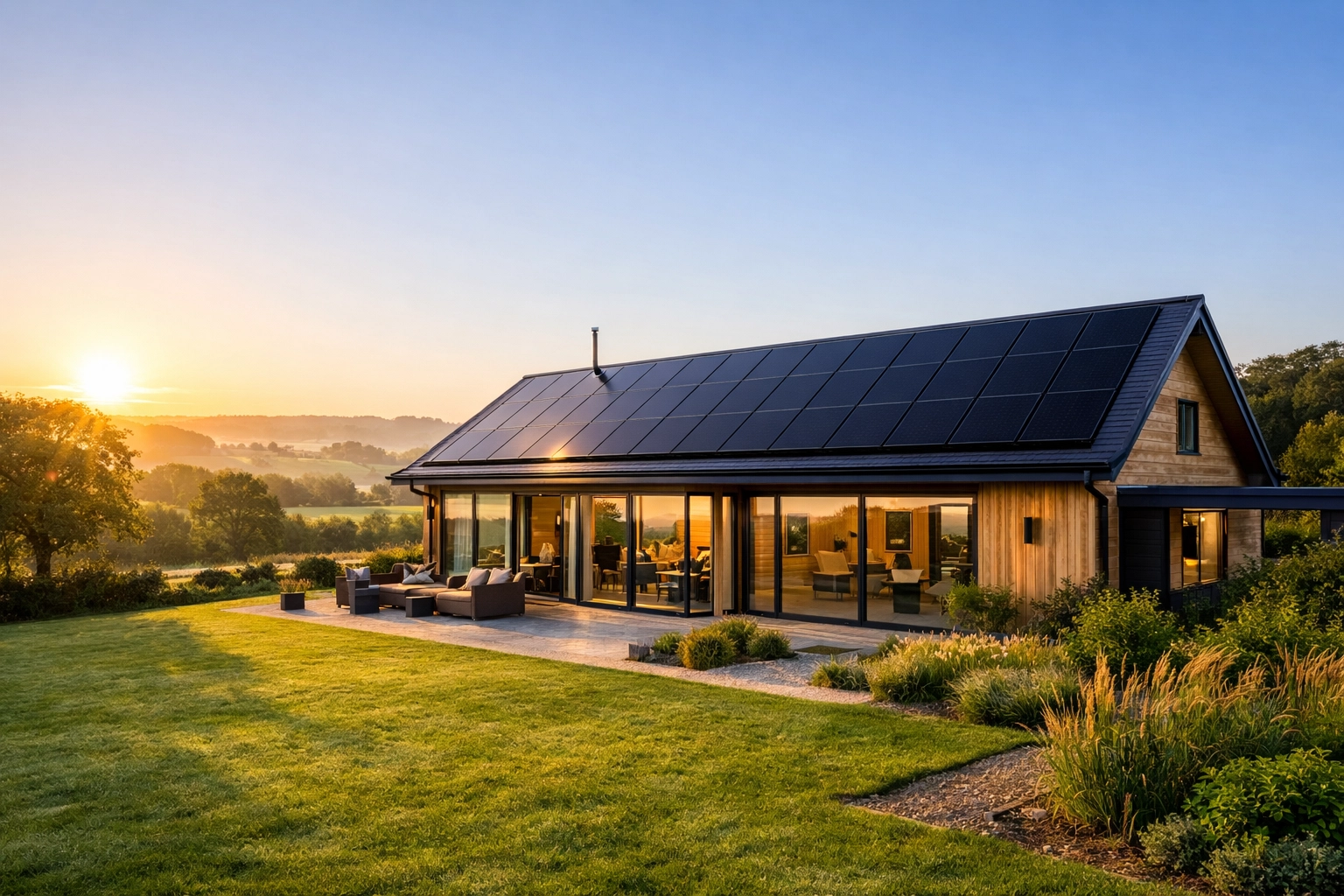
The first step to energy independence is generation. Solar Photovoltaic (PV) panels have come a long way in the last few years. They are more efficient, more durable, and: thanks to new developments like the plug-in solar options expected to hit Britain later this year: more accessible than ever.
But how does it actually help with market volatility? It’s simple: the sun doesn’t send you a bill.
When you install solar panels on your Dorset home, you are essentially pre-purchasing your electricity for the next 25 to 30 years at a fixed, low rate. While the "Big Six" energy companies are scrambling to adjust their prices based on the latest global crisis, your "fuel" remains free and abundant.
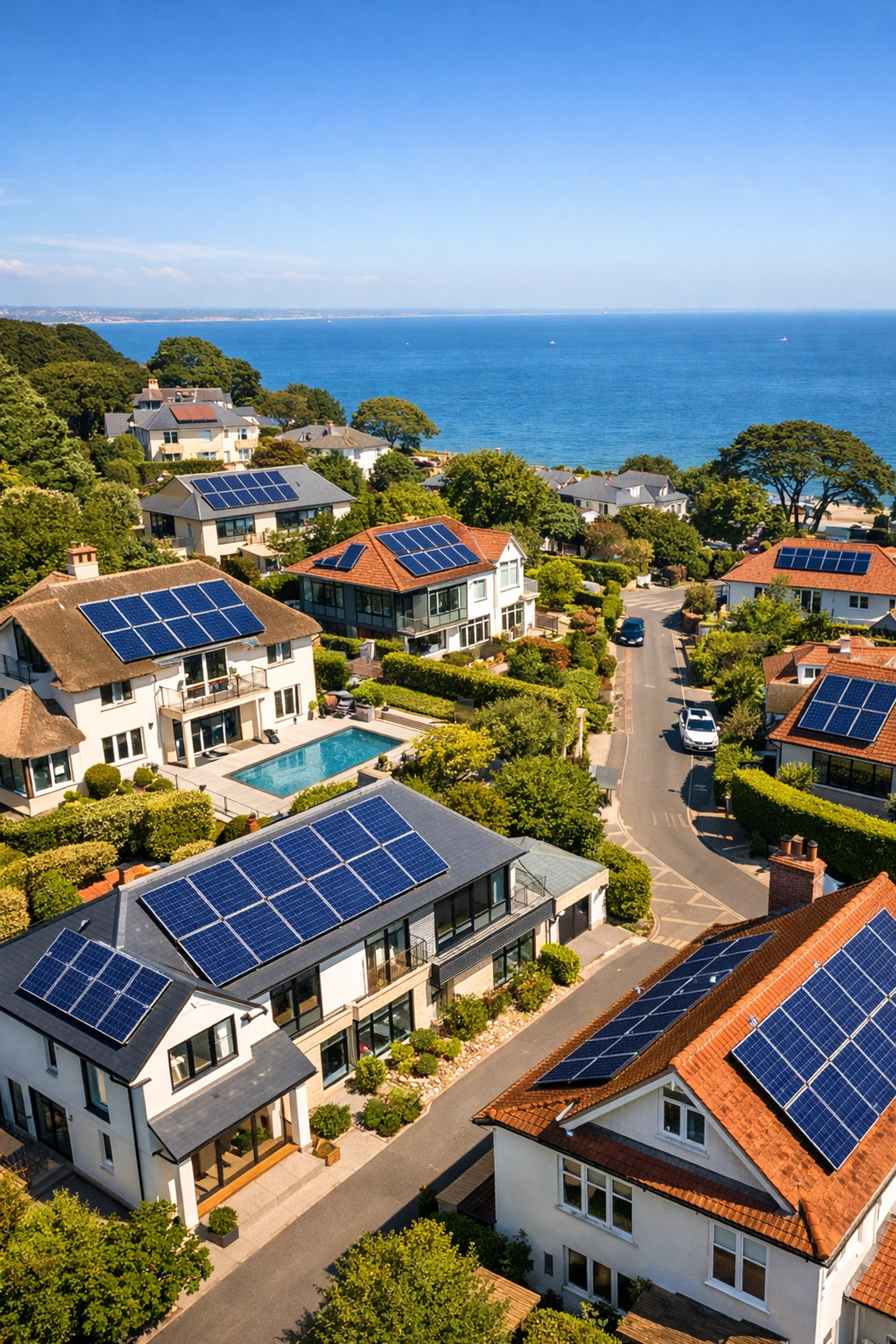
In Dorset, we are lucky to have some of the best solar potential in the UK. From the sunny coast of Weymouth to the rolling hills of the Purbecks, our region is perfectly positioned to capture maximum daylight. Even on those classic grey British days, modern panels are designed to pick up diffused light, ensuring you’re still generating power.
The Missing Piece: Why Battery Storage is Non-Negotiable
If solar panels are the engine of your energy security system, battery storage is the fuel tank.
Generating your own power is great, but what happens when the sun goes down or when you're at work during the peak generation hours? Without a battery, that excess energy gets sent back to the grid for a fraction of what it costs to buy it back later.
This is where systems like the Tesla Powerwall or GivEnergy batteries change the game. They allow you to:
- Store the Surplus: Capture every drop of energy your panels produce during the day.
- Use it at Night: Power your evening meal and morning shower with stored sunlight.
- Outsmart Time-of-Use Tariffs: Many providers now offer cheaper rates at night. Your battery can "top up" from the grid when prices are low and discharge when prices are high.
- Backup Power: In the event of a local grid failure, some battery systems can keep your essential appliances running.
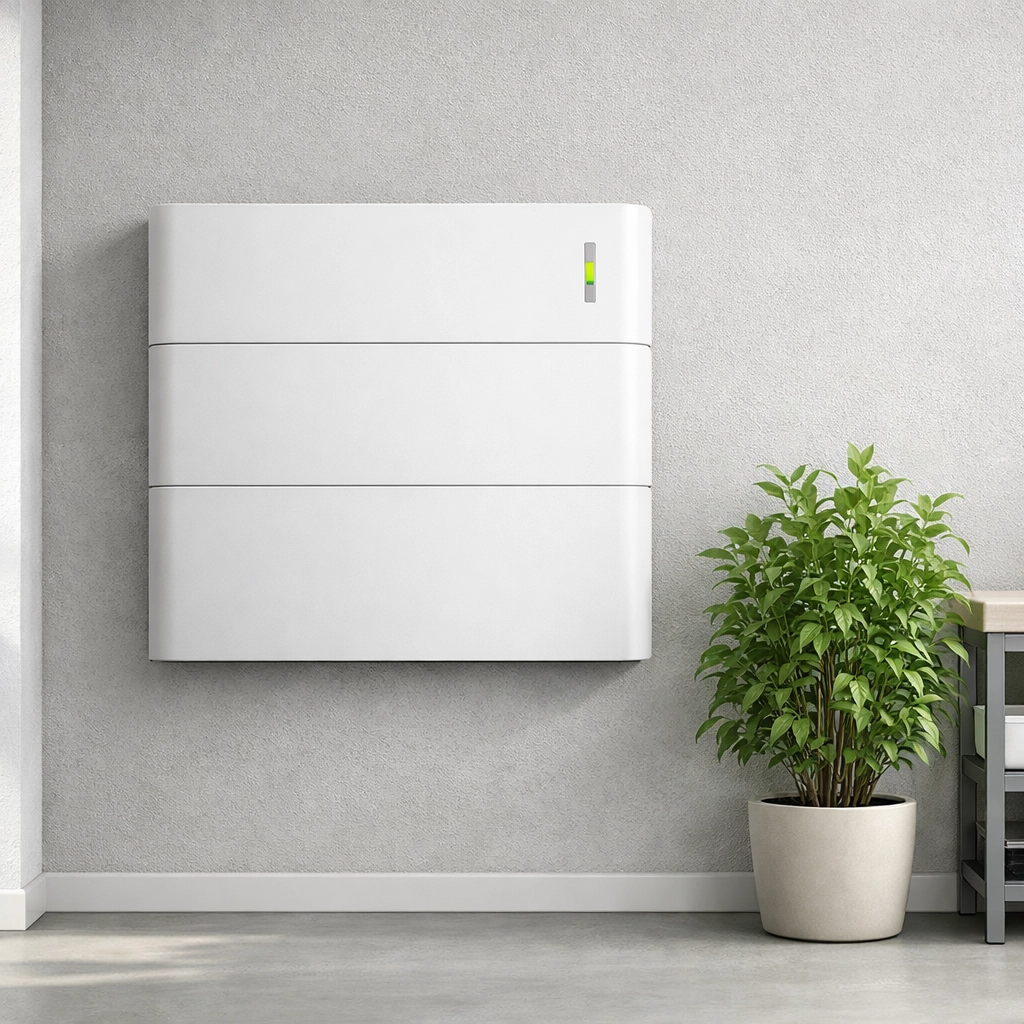
Comparing the Titans: Tesla vs. GivEnergy
| Feature | Tesla Powerwall 3 | GivEnergy All-In-One |
|---|---|---|
| Usable Capacity | 13.5 kWh | 13.5 kWh |
| Power Output | High (Great for large homes) | Robust (Great for modular growth) |
| Warranty | 10 Years | Up to 12 Years |
| Best For | Tech-focused homeowners | Value and flexibility |
We understand if you're scratching your head trying to choose between them. Both are fantastic options, and the best choice usually depends on your specific energy usage patterns. As expert installers, we'll guide you through the pros and cons of each to find the perfect fit for your home.
The Dorset Context: Local Energy Initiatives
Dorset is actually at the forefront of the UK's renewable transition. Did you know that Bridport hosts the first volunteer-run pilot project in England for local trading of renewable energy? Or that the Dorset Retrofit Hub is actively working to help homeowners decarbonize?
There is a real sense of community energy growing in our county. By installing solar and storage, you’re not just helping your wallet; you’re joining a local movement that reduces the overall strain on the national grid. Programs like Low Carbon Dorset have paved the way for better solar energy awareness, making it easier than ever to find the support you need.
The Numbers: Is it Actually a Good Investment?
We get it: installing solar and batteries is a significant upfront cost. However, when you look at the long-term financial advice surrounding solar, the "cost" starts to look more like a "savings account."
Think about it this way:
- Protection from Inflation: As energy prices rise, your savings actually increase.
- Property Value: Homes with high-quality renewable installations are increasingly attractive to buyers who are also worried about energy security.
- Payback Period: With current energy prices, most systems pay for themselves within 6 to 9 years. After that, your electricity is virtually free.
If you’re wondering exactly how much you could save, it’s always best to get a tailored solar quote. Every roof is different, and your energy habits are unique to you.
How to Get Started Without the Stress
Transitioning to renewable energy can feel overwhelming. There’s a lot of jargon: kilowatts, inverters, string systems, AC-coupling: and it’s okay if you’re not an expert. That’s what we’re here for.
At DES Renewable Energy Ltd, we believe in an educational approach. We don't just want to sell you a product; we want to help you build a system that makes sense for your life. Here is the typical process we follow:
- The Consultation: We look at your current energy bills and your roof's orientation.
- The Design: We create a bespoke system using top-tier components like Tesla Powerwall or GivEnergy.
- The Installation: Our professional team handles everything, ensuring minimal disruption to your day.
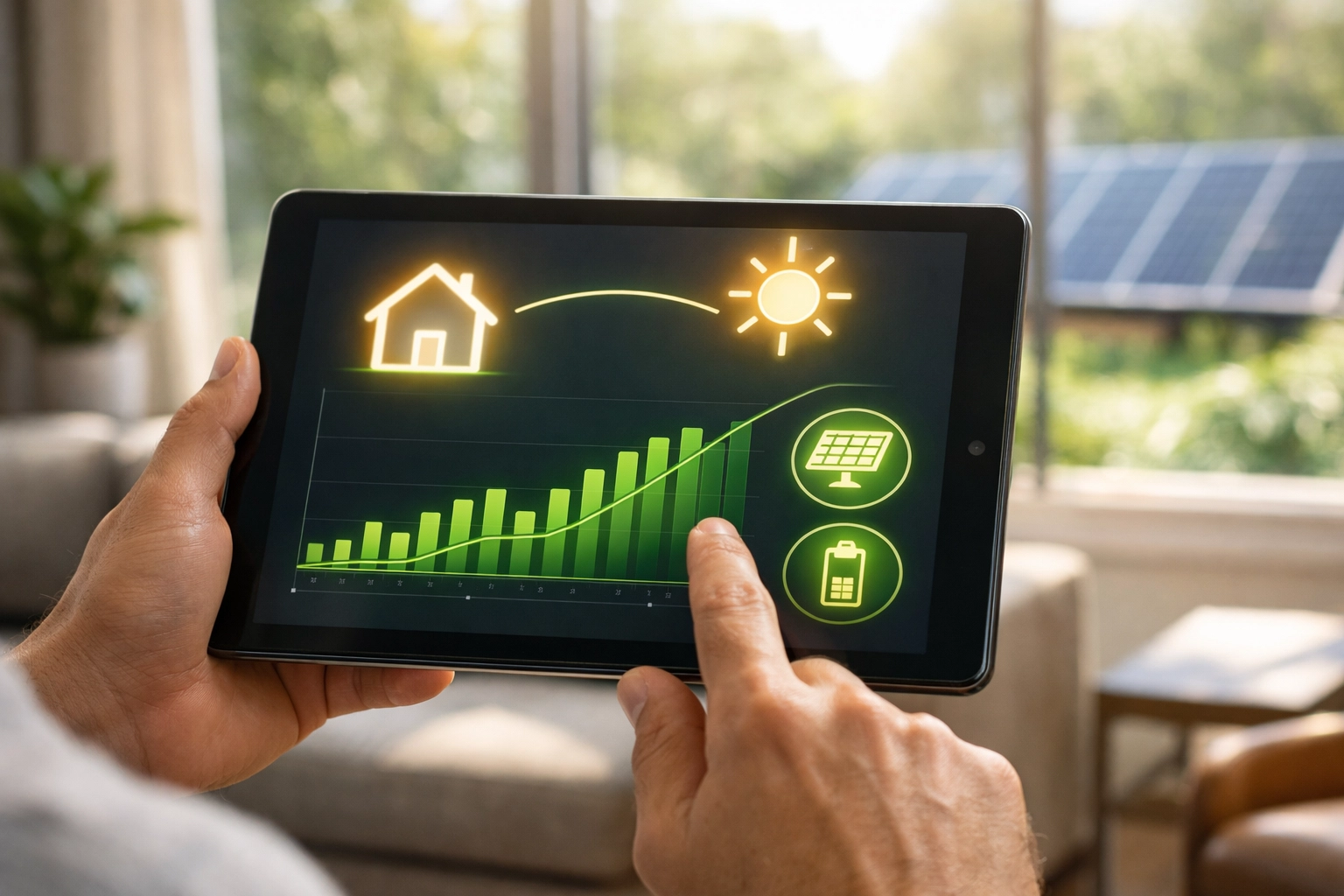
- The Monitoring: We show you how to use your new app to track your energy generation in real-time.
Final Thoughts: Taking the Power Back
The world is always going to be a bit unpredictable. We can’t control global oil prices, and we can’t stop international tensions from making the news. But you can control how much power you buy from the grid.
By investing in solar PV and battery storage, you are choosing a future of stability. You’re choosing to stop worrying about the next Ofgem price cap announcement and start enjoying the peace of mind that comes with true energy security.
Are you ready to outsmart the volatile energy market? We’d love to help you explore your options. Whether you're in the middle of Bournemouth or the heart of the Dorset countryside, the sun is shining: and it’s time to put it to work.
If you'd like to chat about how this could work for your specific home, feel free to contact us or check out our case studies to see how your neighbours are already making the switch. Let’s work together to secure your energy future.