


If you’ve been keeping an eye on your commercial energy bills lately, you already know the story. It’s March 2026, and electricity prices are continuing their upward climb, rising by about 4% annually. For many businesses, energy isn’t just a line item anymore: it’s a volatile risk that’s hard to predict.
But here is the good news: the technology and financial incentives available right now make this the most strategic time to transition to business solar power.
At DES Renewable Energy Ltd, we believe in being straight with you. Solar isn't a magic wand, but when done right, it’s a powerhouse for your bottom line. In this guide, we’re going to walk through the advantages and disadvantages of solar power, the specific 2026 financial landscape, and how you can secure your company's energy future.
Why Solar is a Non-Negotiable in 2026
Why are so many businesses making the switch this year? It comes down to two things: rising demand and falling incentives. While electricity demand is growing by 3.7% annually due to the massive shift toward EVs and AI data centers, the "golden window" for some federal tax benefits is slowly closing.
By installing a commercial solar system today, most businesses are seeing energy cost reductions of 50% to 75%. Imagine what your balance sheet would look like if you could lock in your energy rates for the next 25 years. That’s exactly what solar allows you to do.
The Honest Disadvantages of Solar Power
We promised to be transparent, and that means talking about the hurdles. Solar is fantastic, but it’s not perfect for every single building or budget. We understand if you’re feeling hesitant: and that’s okay.
Here are the honest disadvantages you need to consider:
- High Upfront Capital: A quality commercial system is a significant investment. While the ROI is strong, finding the initial £50,000 to £200,000+ can be a challenge for some SMEs.
- Weather Dependency: Your panels won't produce at 100% capacity when it's pouring rain or pitch black outside. You’ll still need the grid or a battery backup like the Tesla Powerwall to stay powered 24/7.
- Roof Suitability: If your roof is old or structurally weak, you might need to invest in repairs before the panels can go up.
- Space Requirements: To make a dent in a heavy manufacturing plant's bill, you need a lot of surface area. If you’re in a high-rise with a tiny roof, solar might only cover a fraction of your needs.
Does this mean solar isn't for you? Not necessarily. It just means you need a partner who will tell you the truth about your site's potential before you sign a contract. You can contact us to discuss your needs if you're worried about your specific roof type.
The Financials: ROI and Incentives in 2026
Let’s talk numbers. In 2026, the financial argument for solar is stronger than ever because of how different incentives stack together.
The 30% Investment Tax Credit (ITC)
If your business begins construction on a solar project in 2026, you generally qualify for a 30% federal tax credit on the total system cost. This includes the panels, the inverters, and even the labor.
Example: If your system costs $200,000, you get a $60,000 credit directly against your tax bill. That is a massive injection of liquidity back into your business.
100% Bonus Depreciation
2026 is a critical year for depreciation. Currently, many commercial solar systems still qualify for 100% first-year bonus depreciation. This allows you to write off the entire cost of the system in year one, significantly accelerating your cash flow. If you wait until 2027 or 2028, these rules may change, potentially reducing the immediate tax benefit.
REAP Grants for Rural Businesses
Are you an agricultural producer or a small business in a rural area? The Rural Energy for America Program (REAP) is a game-changer. These grants can cover up to 50% of your total installation costs. When you combine a REAP grant with the ITC, your out-of-pocket costs can drop by nearly 70% to 80%.
Choosing Your Configuration
Not all business solar power systems are created equal. The "best" system depends on how your business operates. Do you run 24/7, or are you a 9-to-5 office?
| Configuration | Payback Period | Best For | Core Advantage |
|---|---|---|---|
| On-Grid | 4–7 Years | Retail, Offices | Lowest upfront cost; sells excess energy back to the grid. |
| Hybrid (Solar + Storage) | 6–9 Years | Healthcare, Logistics | Protection against outages and "peak shaving" to lower demand charges. |
| PPA / Leasing | Immediate | Cash-constrained SMEs | Zero upfront cost; you just pay for the cheaper solar power you use. |
For many of our clients, a Hybrid system is becoming the gold standard. By adding battery storage: like the systems we install as GivEnergy installers: you can store energy when the sun is shining and use it during "peak hours" when the utility companies charge the most.
Modern Tech: Beyond Simple Panels
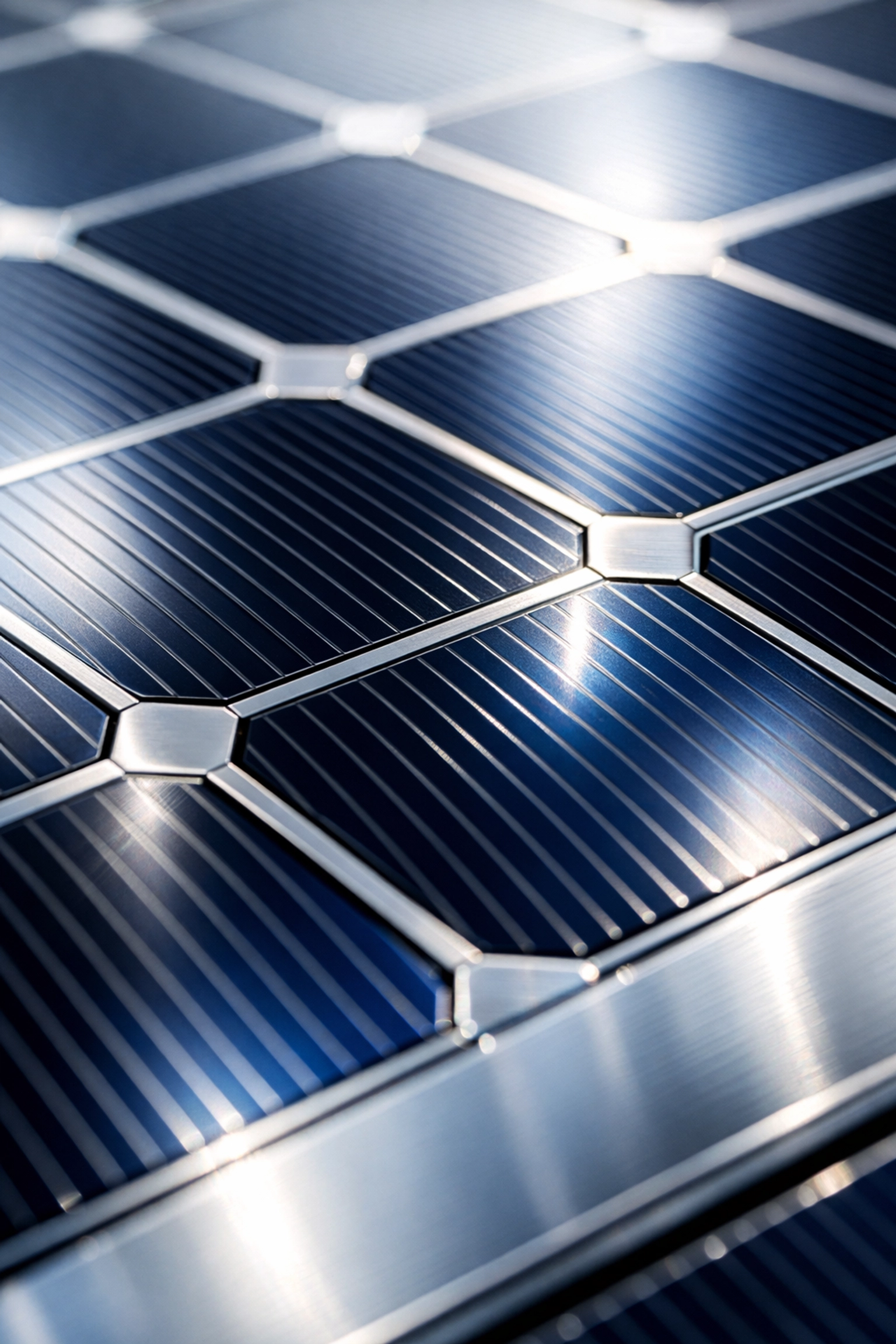
In 2026, we aren't just putting blue squares on roofs anymore. We are using Bifacial panels. These capture sunlight on both the front and the back (using reflected light from your roof surface). This can increase your energy yield by 10% to 20% compared to traditional panels.
We also focus on high-efficiency cell technologies like TOPCon. These are engineered to perform better in low-light conditions: which, let’s be honest, we get plenty of in the UK and Northern Europe. If you're curious about the brands we trust, you can check out our work as SolarEdge installers or SolaX installers.
Maintenance: Keeping the ROI High
A common question we get is, "Once it's up, can I forget about it?"
While solar is relatively low-maintenance, it isn't "no-maintenance." To keep your ROI at that 50-75% savings level, you need to ensure the panels are clean and the inverters are humming. Dust, bird droppings, and industrial residue can sap your efficiency by 5% to 15% if left alone.
We recommend:
- Annual Professional Cleaning: Especially if your business is near a main road or construction site.
- Remote Monitoring: Most modern systems allow you (and us) to track performance via a phone app. If a string of panels goes down, you’ll know instantly.
- Scheduled Health Checks: Every few years, having a technician check the wiring and thermal health of the inverters is vital.
If you already have a system and it's looking a bit dusty, have a look at our solar PV maintenance and cleaning services.
Your Roadmap to Installation
Transitioning to solar can feel like a mountain of paperwork, but we break it down into five simple steps:
- The Energy Audit: We look at your last 12 months of bills to see exactly how much power you use and when you use it.
- Site Survey: Our team visits your facility to check the roof, the electrical board, and potential shading issues.
- Custom Design: We create a 3D model of your building to show exactly where the panels will go and what your projected savings look like.
- Financing and Grants: Between you and our team, we’ll identify which grants (like REAP) or tax credits you are eligible for.
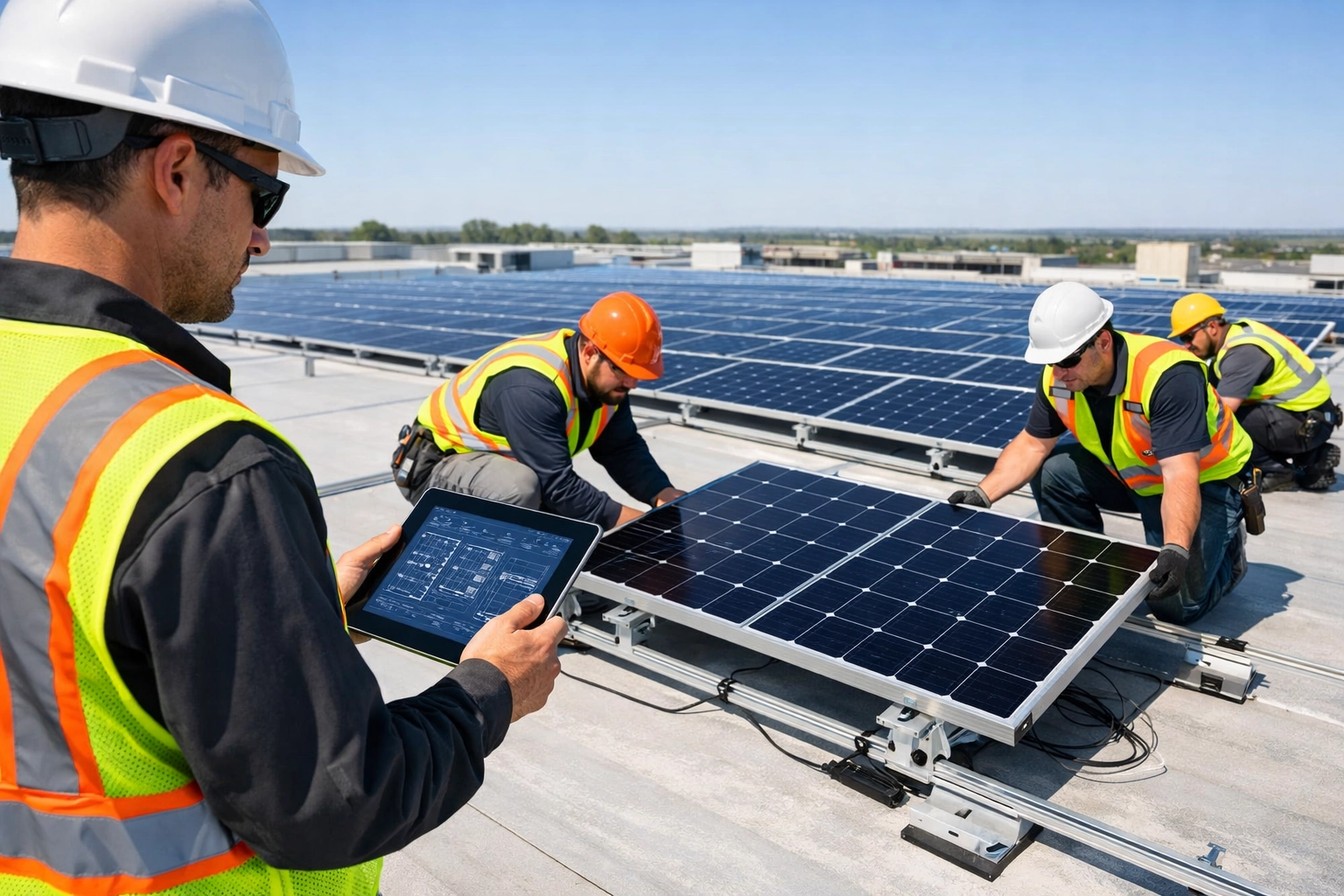
- Installation: Most commercial installs take between 3 days and 2 weeks, depending on the size. We work around your schedule to ensure minimal disruption to your daily operations.
Why the "Wait and See" Approach Might Cost You
It’s tempting to wait for the "next big thing" in battery tech or for panel prices to drop another few pennies. But in the world of business solar power, the cost of waiting is often higher than the potential savings.
Every month you wait is another month you are paying 100% of your energy bill to a utility provider at 2026 prices. When you factor in the 30% tax credit and the bonus depreciation available right now, the math usually points toward acting sooner rather than later.
We’ve helped countless businesses navigate this transition: from small local shops to large industrial warehouses. You can see some of our previous work on our commercial case studies page to see the real-world results we’ve achieved.
Ready to Secure Your Energy Future?
Switching to solar is a big decision, but you don't have to make it in the dark. Whether you're interested in the environmental impact or you just want to slash your overheads, we’re here to help you figure out if it's the right move for your specific business.
As an Octopus trusted solar installation partner, we take pride in our educational approach. We’ll give you the data, the honest pros and cons, and a clear path forward.
Take the first step today:
- Get a specific estimate: Head over to our solar quote page.
- Have a question? Contact us to discuss your needs with one of our technical experts.
- Learn more: Browse our blog for more tips on maximizing your renewable energy investment.
Solar power isn't just about "going green": it's about going smart. Let's make 2026 the year your business takes control of its energy.