


If you're a Fareham homeowner weighing up solar panels this year, timing matters more than you might think. The UK's most generous solar grant scheme, ECO4, wraps up in March 2026, which means your window to secure fully-funded installation is narrowing fast. Let's cut through the noise and look at what's actually available, who qualifies, and whether solar makes financial sense for your home.
What Solar Grants Are Available in Fareham Right Now?
The primary route to funded solar installation is the Energy Company Obligation 4 (ECO4) scheme. This government-backed programme covers up to 100% of installation costs for eligible households, essentially, free solar panels if you meet the criteria. Hampshire has been allocated £41.4 million across all local authorities in the region, and Fareham residents are included in that pot.
Beyond ECO4, there are two other financial benefits worth noting:
- 0% VAT on solar installations – Since February 2022, all domestic solar panel installations have been zero-rated for VAT, saving you around 20% on the total cost if you're paying privately.
- Smart Export Guarantee (SEG) – This allows you to sell excess electricity back to the grid. While rates vary by supplier, it's a small but steady income stream that adds to your overall return.
Fareham Borough Council has also committed to becoming carbon neutral by 2030 through its Climate Emergency Action Plan. While the council doesn't currently offer direct solar grants, it's worth checking their website periodically for any local initiatives or partnerships that might emerge.
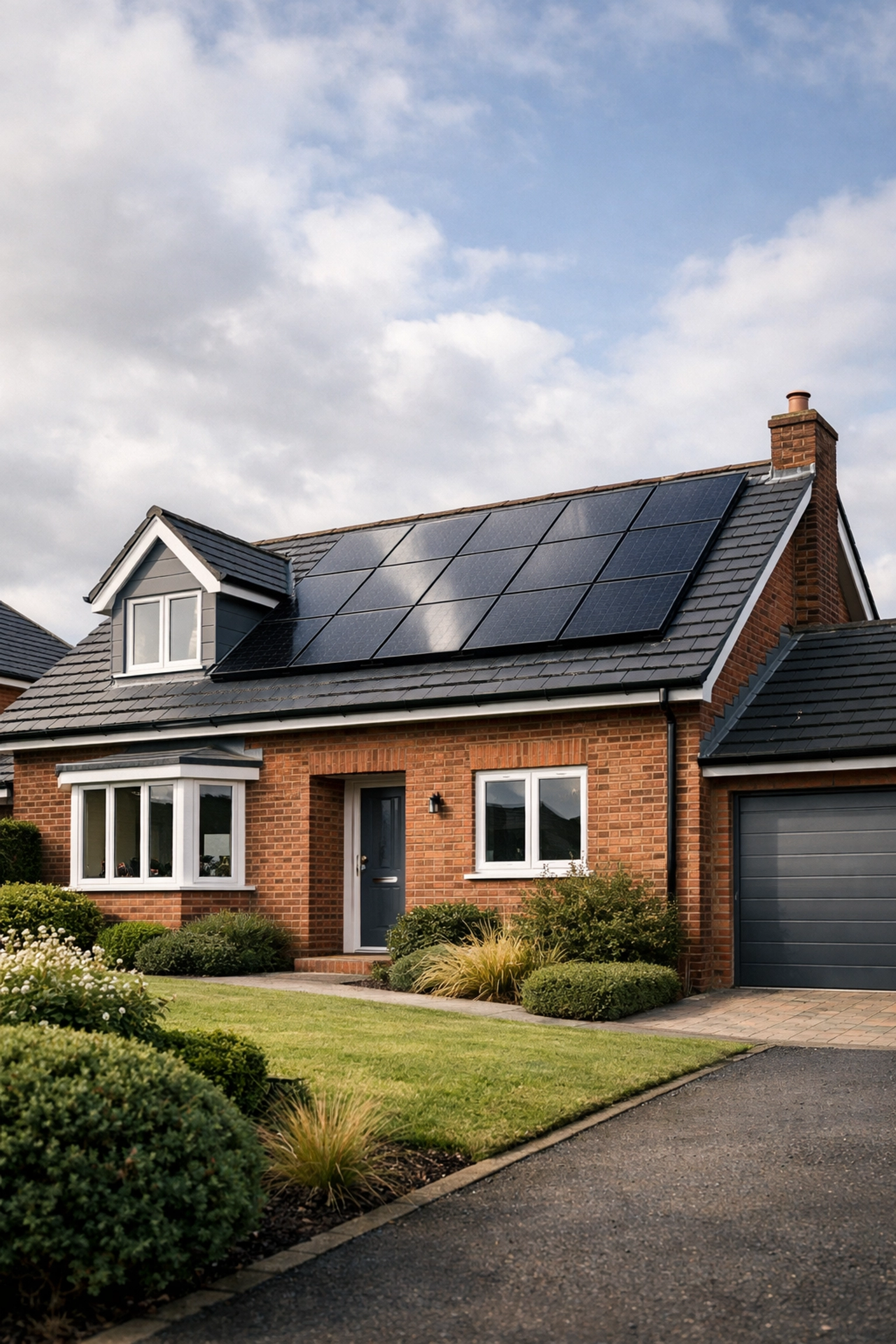
Who Actually Qualifies for ECO4?
Here's the straightforward answer: ECO4 targets low-income households receiving certain benefits. If you're on Universal Credit, Pension Credit, Child Benefit (with income thresholds), or several other qualifying benefits, you're potentially eligible.
There's also a property requirement. Your home needs an Energy Performance Certificate (EPC) rating between E and G, the lower end of the scale. This ensures funding goes toward homes that need energy efficiency improvements most urgently.
Eligibility can feel like a moving target because it varies slightly depending on which energy company administers your grant and your specific circumstances. Your best move? Contact Fareham Borough Council's housing team or check with an MCS-accredited installer who can run a quick eligibility check before you go any further.
If you don't qualify for ECO4, don't write off solar entirely. The combination of 0% VAT, SEG payments, and long-term energy savings still makes a strong case for self-funded installation, we'll break down those numbers next.
The Real Numbers: What Does Solar Actually Save You?
Let's talk money. The average Fareham household currently spends around £2,100 per year on energy bills. With a properly sized solar system (typically 3–4kW for a standard three-bedroom home), you're looking at average annual savings of £840.
That's a 40% reduction in your energy costs, not overnight riches, but a meaningful dent in one of your household's biggest recurring expenses.
Here's how it works in practice:
| Annual Energy Cost (Before Solar) | Annual Savings (With Solar) | New Annual Cost |
|---|---|---|
| £2,100 | £840 | £1,260 |
Some Fareham homeowners have reported savings closer to £800 annually, depending on their usage patterns and system size. Your actual savings will depend on factors like:
- How much of your electricity use happens during daylight hours (when panels generate power)
- The size and orientation of your roof
- Whether you add battery storage to use solar power at night
- Your household's overall energy consumption
If you're paying for installation out of pocket, typical systems cost between £5,000–£7,000 after the 0% VAT discount. At £840/year savings, you're looking at a payback period of roughly 6–8 years. After that, it's pure savings for the remaining 20+ year lifespan of the panels.

What About the Smart Export Guarantee?
The SEG is often overlooked, but it adds another layer to your return on investment. Any electricity your panels generate that you don't use immediately gets exported back to the National Grid, and you get paid for it.
Export rates vary by supplier (currently between 4p–15p per kWh), but even conservative estimates put annual SEG payments at £50–£150 for a typical Fareham home. It's not life-changing money, but over 25 years, that's an extra £1,250–£3,750 in your pocket.
The Installation Process: What to Expect
Once you've secured funding (or decided to self-fund), the actual installation is surprisingly quick. Here's the typical timeline:
- Initial survey and quote – A qualified installer visits your property to assess roof suitability, shading, and system size. This takes 1–2 hours.
- Grant approval (if applicable) – ECO4 applications usually take 2–4 weeks to process.
- Scheduling installation – From application to installation, expect 4–8 weeks total.
- Installation day – The physical installation takes 1–2 days for most residential properties.
Most Fareham homes fall under permitted development rights, meaning you won't need planning permission. The exceptions? Listed buildings or properties within conservation areas, you'll need approval from Fareham Borough Council in those cases.
Make sure whoever installs your system is MCS-accredited. This certification ensures quality workmanship, guarantees eligibility for SEG payments, and is required for any grant-funded work. It's non-negotiable.
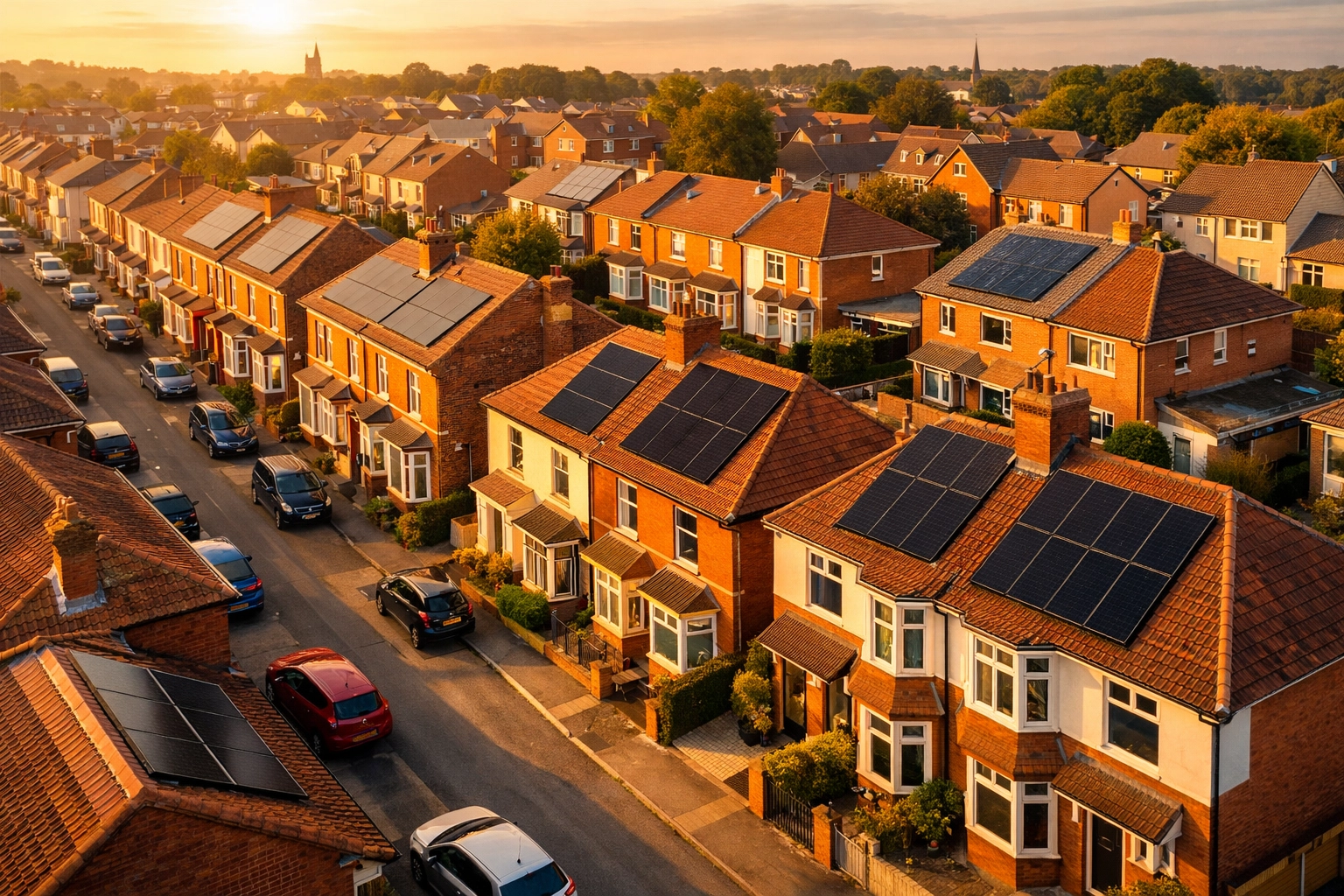
Why Fareham Works Well for Solar
You might be thinking, "This is Hampshire, not southern Spain, is there actually enough sun?" Fair question. The answer is yes, absolutely.
Fareham benefits from stable weather patterns and good sunshine hours relative to the UK average. You don't need blazing heat for solar panels to work effectively, they generate electricity from daylight, not temperature. In fact, panels operate more efficiently in cooler conditions.
The area's housing stock is also ideal for solar. Whether you're in a Victorian terrace, a modern development, a council estate, or a suburban semi-detached, there's usually sufficient roof space and orientation to make solar viable. South-facing roofs are optimal, but east and west orientations still deliver strong performance.
The combination of Fareham's climate, housing types, and current energy costs creates a genuinely compelling case for solar, especially if you're eligible for grant funding.
What Happens After March 2026?
Once ECO4 ends, there's no guarantee of a direct replacement scheme with the same level of funding. The government may introduce new initiatives, but there's always a gap between programmes, and terms often change.
If you're eligible for ECO4, acting now gives you certainty. Waiting to see what comes next is a gamble that could cost you thousands in installation costs you'd otherwise avoid.
If you're not eligible, the financial case for solar remains solid even without grants. Energy prices aren't trending downward, and solar technology continues to improve in efficiency while installation costs gradually decrease. The payback period is longer without funding, yes: but the 20–25 year operational lifespan of panels means you're still looking at significant cumulative savings.
Your Next Steps
Here's what to do if you're seriously considering solar for your Fareham home:
If you might qualify for ECO4:
- Check your benefit status and current EPC rating
- Contact an MCS-accredited installer for an eligibility assessment
- Get quotes from multiple installers (even grant-funded work varies in quality)
- Move quickly: March 2026 isn't far off
If you're self-funding:
- Get at least three quotes from MCS-accredited installers
- Ask about system size, panel brands, and realistic savings estimates
- Clarify warranty terms and aftercare support
- Factor in SEG payments when calculating ROI
Solar isn't the right move for every home, but if your roof is suitable and your finances align, the combination of immediate grant funding (if eligible), long-term savings, and environmental impact makes this a rare opportunity where individual benefit and collective good actually overlap.
Want to explore whether solar works for your specific property? Get in touch with our team for a no-obligation site survey. We'll give you straight answers about system size, realistic savings, and whether your home is a good candidate: no pressure, just facts.