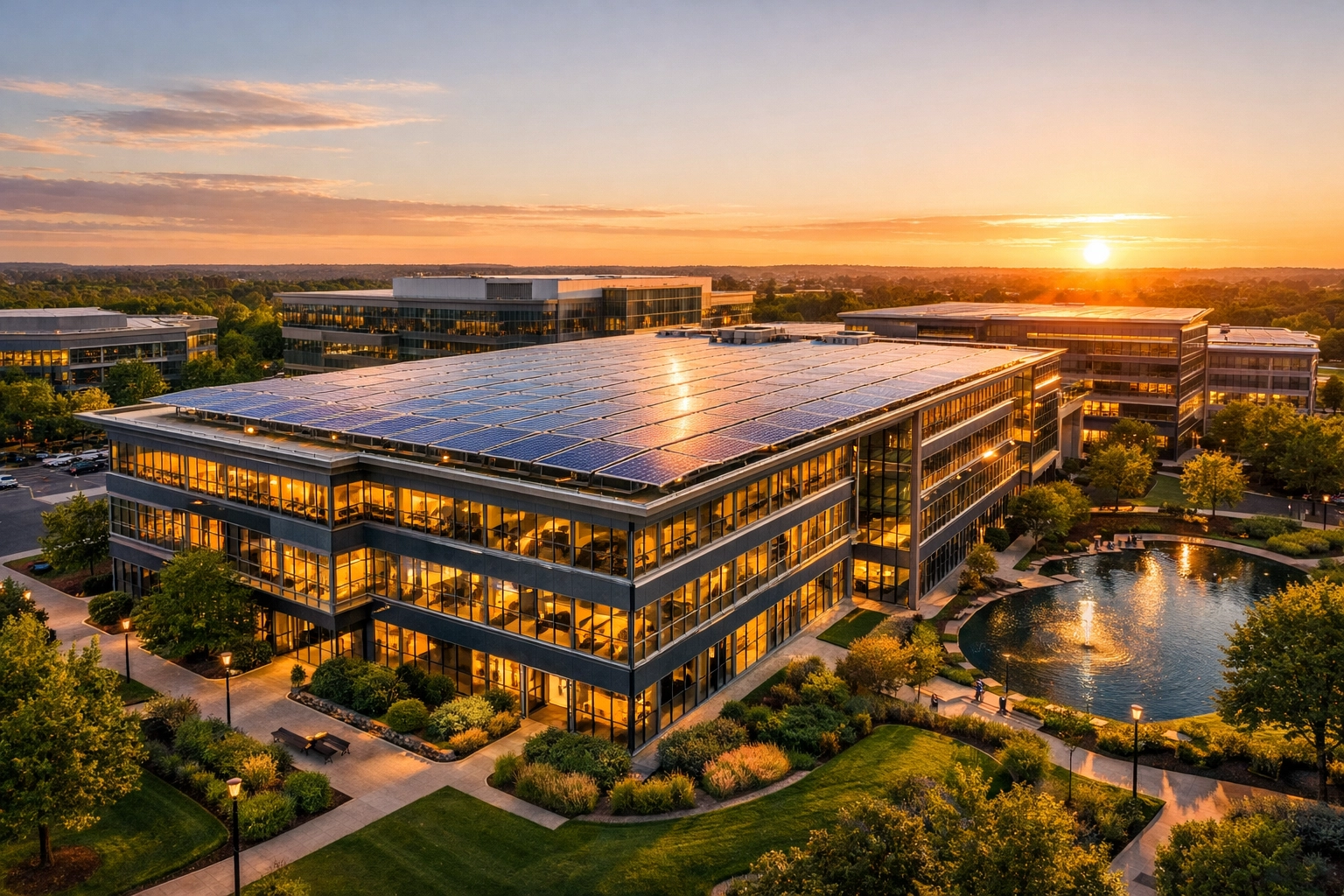
As a business owner, you’re constantly looking for ways to trim the fat from your overheads. You’ve likely heard that business solar power is a "no-brainer" for reducing costs, but you aren't here for marketing fluff. You want the hard numbers. You want to know exactly when your investment will start putting money back into your pocket.
Calculating the Return on Investment (ROI) for a commercial solar system can feel like trying to solve a puzzle with missing pieces. Between tax incentives, fluctuating energy rates, and hardware costs, it’s easy to feel overwhelmed. And that’s okay. We understand that this is a significant capital expenditure, and you need to be certain of the outcome.
In this guide, we’re going to strip away the jargon and look at the cold, hard facts of solar ROI. From the core formula to the honest disadvantages of solar power, we’ll give you everything you need to make an informed decision for your company.
Understanding the Core Solar ROI Formula
Before we dive into the variables, let’s look at the basic math. At its simplest level, Solar ROI measures the financial return from your investment by comparing your total energy savings and incentives against the upfront system costs.
The fundamental formula looks like this:
ROI = ((Total Savings − Total Cost) / Total Cost) × 100
This gives you a percentage that represents your return over the system's lifespan: usually 25 to 30 years. For most businesses, a well-designed system will yield an annual ROI of 10% to 15%. To put that in perspective, that’s often a better return than you’d get from traditional low-risk financial investments.
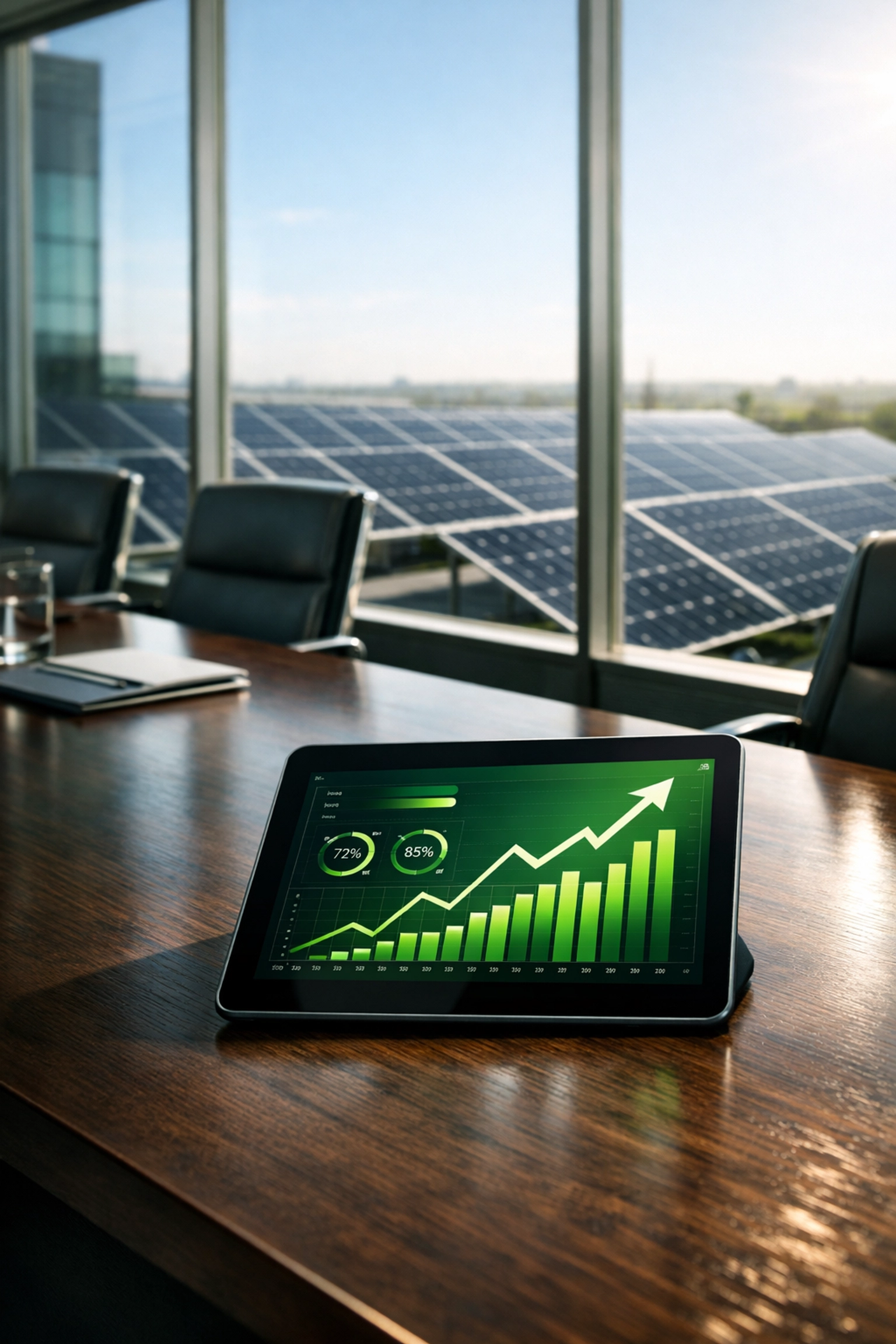
Step-by-Step: How to Calculate Your ROI
Calculating your specific ROI requires a bit of detective work. You can’t just guess based on your neighbour’s system; your building’s orientation, your operational hours, and your specific energy tariff all play a role.
1. Evaluate Your Energy Consumption
Start by pulling your utility bills from the last 12 to 24 months. You need to understand your peak usage times. Does your machinery run 24/7, or are you a 9-to-5 office? If your heaviest usage aligns with daylight hours, your ROI will naturally be higher because you’re consuming your "free" energy as it’s generated.
2. Determine Net System Costs
This isn't just the quote on the paper. You need to factor in the total cost after incentives. In the UK, businesses can often take advantage of Capital Allowances, specifically "Full Expensing," which allows you to deduct 100% of the cost of qualifying plant and machinery from your profits before tax. This significantly lowers the "real" cost of the system.
3. Project Annual Energy Production
A 50kW system in a sunny spot like Bournemouth will produce more energy than the same system in a shaded valley. Professional installers use advanced modeling tools to give you a conservative estimate of how many kilowatt-hours (kWh) your roof will produce annually.
4. Calculate the Payback Period
This is the number most directors care about. Divide your total net system cost by your annual savings. For example, if your system costs £40,000 after tax breaks and saves you £6,000 a year, your payback period is roughly 6.6 years. Most commercial systems hit the "break-even" point within 5 to 8 years.
Critical Factors That Move the Needle
Not all solar installations are created equal. Several variables can either accelerate your ROI or slow it down.
| Factor | Impact on ROI |
|---|---|
| Local Electricity Rates | The higher your current rate, the more you save per kWh generated. |
| Roof Orientation | South-facing roofs are the "gold standard," but East/West splits can also be highly effective. |
| Self-Consumption Rate | The more energy you use on-site (rather than selling it back to the grid), the faster your ROI. |
| System Efficiency | High-quality panels might cost more upfront, but they generate more power over 30 years. |
The Honest Disadvantages of Solar Power
We promised to be transparent, and that means discussing the advantages and disadvantages of solar power openly. Solar isn't a magic wand, and there are specific hurdles businesses face.
- The Upfront Capital Requirement: Even with financing, solar requires a significant initial outlay. If your business is currently cash-strapped or prioritising short-term expansion, the 6-year payback might feel too long.
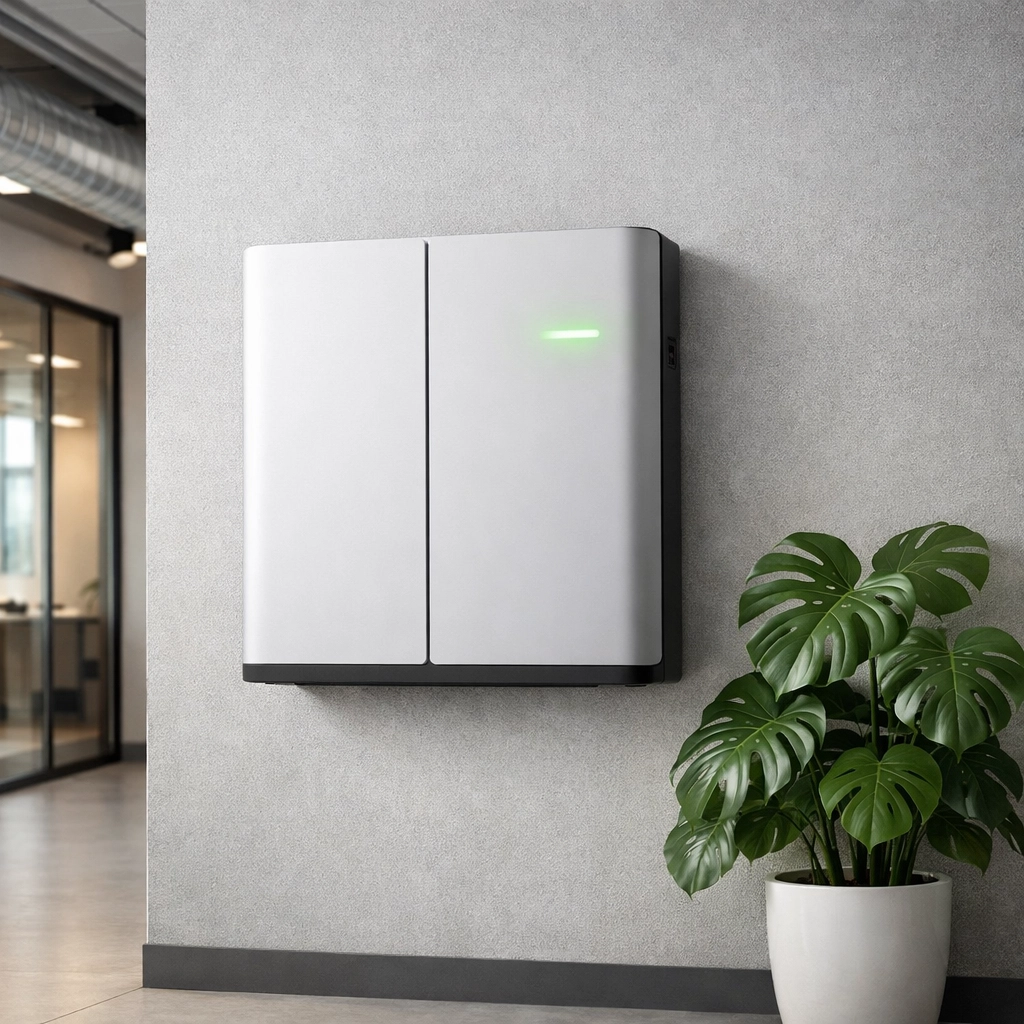
- Intermittency: Solar doesn't work at night. If your business runs a night shift, you’ll still be relying on the grid unless you invest in storage solutions like the Tesla Powerwall 3.
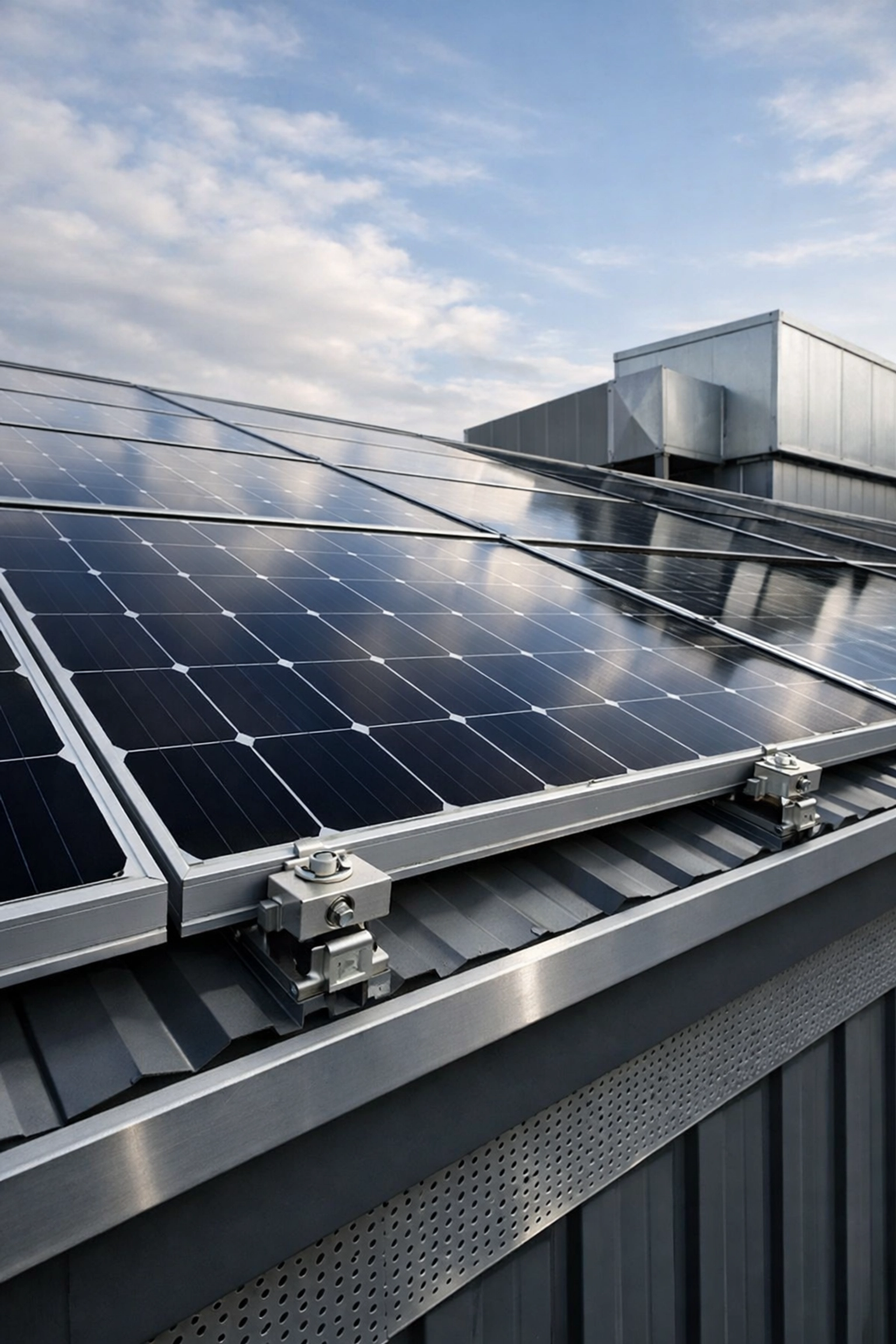
- Roof Suitability: Not every roof is ready for solar. If your roof needs structural repairs or is heavily shaded by nearby buildings, the preparation costs can eat into your ROI.
- Weather Dependence: While modern panels work on cloudy days, a week of heavy storms will lower your production. It’s important to look at annual averages rather than daily peaks.
Maximising Your ROI Through Smart Strategy
If you’re going to do this, you might as well do it right. Here are three ways to squeeze every bit of value out of your system.
Right-Sizing, Not Over-Sizing
It’s tempting to cover every inch of the roof in panels. However, if you produce massive amounts of excess energy and sell it back to the grid, you’re usually getting paid less per kWh than it costs to buy it. We aim to "right-size" your system so that you use as much of your own generation as possible.
Integrating Battery Storage
For many businesses in areas like Fareham or Chippenham, adding a battery changes the game. It allows you to store excess midday energy and use it during "peak" evening hours when grid prices are highest. This can improve your ROI by another 10-15%.
Proactive Maintenance
Solar is relatively low maintenance because there are no moving parts, but "low maintenance" doesn't mean "no maintenance."
- Annual Cleaning: Dust, bird droppings, and industrial soot can reduce efficiency by 5-10%.
- Inverter Monitoring: The inverter is the heart of the system. Using smart monitoring apps allows you to spot a drop in performance immediately, rather than waiting for a high bill to notice something is wrong.
- System Audits: Every few years, have an expert check the electrical connections and mounting hardware.
Why 2026 is the Year for Commercial Solar
We’re seeing a unique "sweet spot" in the market right now. Panel technology has reached a point of high efficiency (often exceeding 22%), while installation costs have stabilised. Simultaneously, the volatility of the global energy market makes "locking in" your energy costs a strategic masterstroke.
When you install a solar system, you are essentially buying 25 years of electricity in advance at a fixed, low price. This protects your margins from future energy price hikes, making your long-term financial planning much more predictable.
And if you’re worried about the complexity of the installation process: don't be. Whether you are looking for solar panel installation in Devizes or need Sunsynk installers for a specific setup, the process is now more streamlined than ever.
Is Solar Right for Your Business?
We’ve covered the math, the benefits, and the honest drawbacks. But the truth is, every business is different. A warehouse in Lymington has different energy needs than a retail shop in Salisbury.
The best way to find out your exact ROI is to have a professional assessment. We don't believe in high-pressure sales; we believe in data. We can help you look at your roof, your bills, and your tax position to create a bespoke ROI report.
If you’re ready to see the numbers for yourself, we’re here to help. Between you and our team, we can determine if solar is the right financial move for your company’s future.
Contact us to discuss your needs and get a transparent, data-driven quote for your business.