


Choosing a home battery used to be a simple decision because there weren't many options. But today, the market is booming. You’re likely looking at two major names: the Tesla Powerwall 3 and the GivEnergy All-in-One.
Both are incredible pieces of engineering. Both will help you slash your energy bills. And both can help you achieve a level of energy independence you probably didn’t think was possible ten years ago. But which one is the right fit for your specific four walls?
At DES Renewable Energy Ltd, we’ve installed hundreds of these systems. As a Tesla Powerwall Certified Installer and an Octopus Trusted Partner, we’ve seen how these units perform in the real world, not just on a spec sheet.
So, let's break it down. We’ll look at the power, the tech, and the "living with it" factor to help you decide.
Why Do You Need a Battery Anyway?
Before we dive into the "Tesla vs GivEnergy" debate, let’s quickly touch on why you’re here. A home battery stores the energy your solar panels produce during the day so you can use it at night.
Without a battery, you’re often forced to export your clean energy back to the grid for a few pence, only to buy it back later for much more. A battery changes that. It also allows you to take advantage of smart tariffs, like those from Octopus Energy, where you charge the battery from the grid when electricity is cheap (usually overnight) and use it when prices spike.
If you’re still wondering if the initial outlay is worth it, you might want to check out our guide on whether solar panels are a good investment.
Tesla Powerwall 3: The Integrated Powerhouse
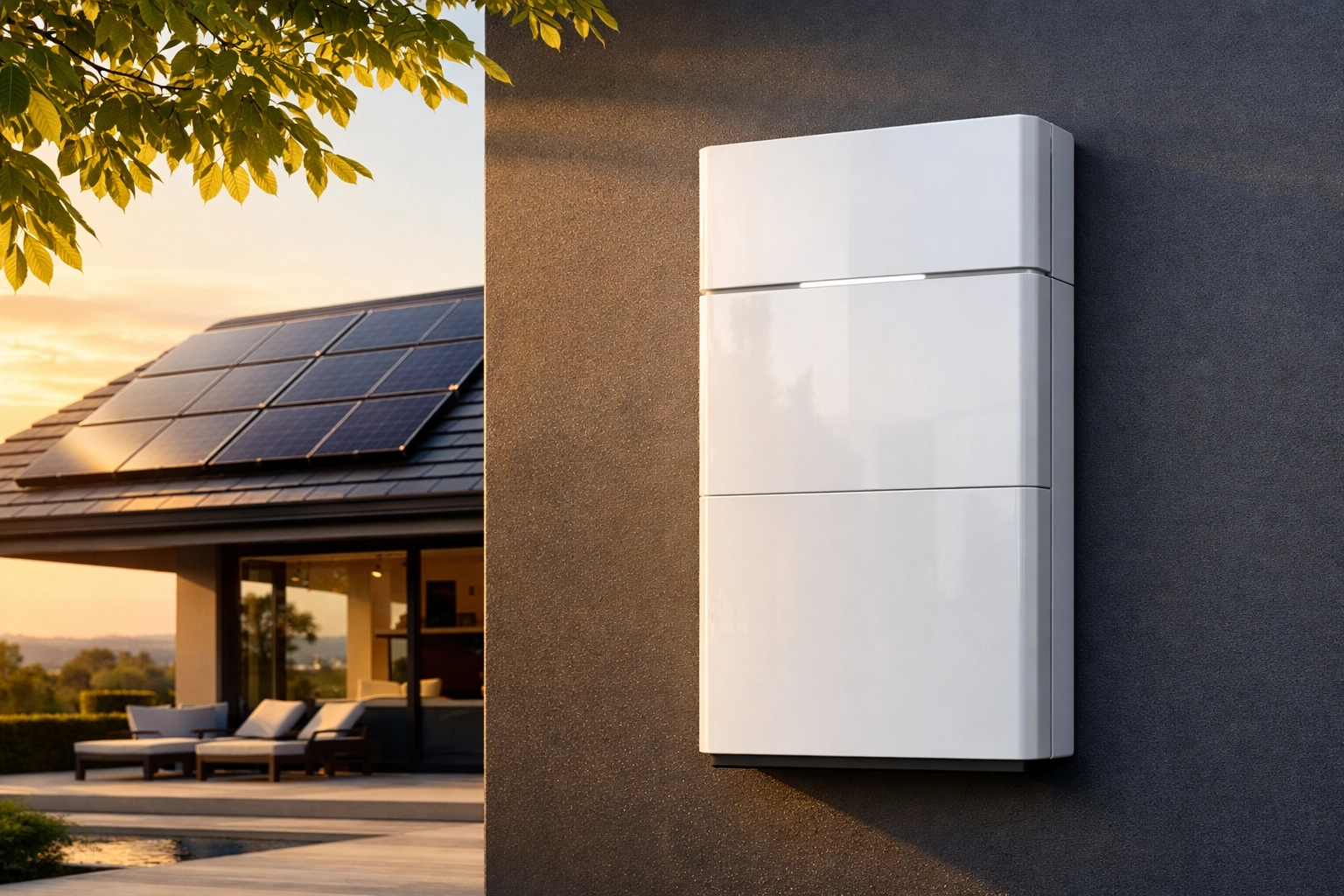
The Tesla Powerwall 3 is often called the "iPhone of batteries." It’s sleek, it’s powerful, and it just works.
The biggest change with the Powerwall 3 is that it is now a fully integrated system. It includes a built-in solar inverter. An inverter is the "brain" of your system that converts the Direct Current (DC) electricity from your panels into the Alternating Current (AC) electricity your home appliances use.
Because the inverter is built-in, the Powerwall 3 is incredibly efficient at handling solar energy. It features three MPPTs (Maximum Power Point Trackers). Think of these as smart controllers that ensure your solar panels are performing at their peak, even if you have a complex roof with panels facing different directions.
The Tesla Edge
- Massive Solar Capacity: The Powerwall 3 can handle a huge amount of solar input, up to 20kW. If you have a large roof and want a lot of panels, Tesla is hard to beat.
- The App: The Tesla app is widely considered the best in the business. It’s beautiful, real-time, and gives you complete control over how your energy is used.
- Easy Expansion: If you find you need more storage later, you can add "expansion units" that are cheaper because they don't need their own inverters.
GivEnergy All-in-One: The British Heavyweight
GivEnergy has taken the UK market by storm, and for good reason. Their All-in-One (AIO) system is a formidable rival to Tesla. Like the Powerwall, it uses Lithium Ferro Phosphate (LFP) chemistry. This is the gold standard for home batteries because it’s safer and lasts longer than older battery types.
The GivEnergy AIO is known for its sheer "grunt." It has a very high peak power output, which means it can handle multiple high-drain appliances at once. Want to run the kettle, the oven, and the power shower at the same time? The GivEnergy AIO is more likely to handle that without needing to pull expensive power from the grid.
The GivEnergy Edge
- High Discharge Power: With a 13.5kW peak power rating, it can deliver more energy to your home instantly than many of its competitors.
- Cold Weather Performance: GivEnergy units are designed with the British climate in mind. They feature excellent thermal management to ensure the battery keeps working efficiently even when the temperature drops.
- The Warranty: GivEnergy offers a 12-year warranty, which is two years longer than Tesla’s standard 10-year offering.
Side-by-Side: The Numbers That Matter
Let’s look at how these two stack up when we put the data side-by-side.
| Feature | Tesla Powerwall 3 | GivEnergy All-in-One |
|---|---|---|
| Usable Capacity | 13.5 kWh | 13.5 kWh |
| Max Continuous Power | 11.04 kW | 6.0 kW (Standard) / 12 kW (Peak) |
| Warranty | 10 Years | 12 Years |
| Solar Inverter | Built-in (Hybrid) | Built-in (Hybrid) |
| Chemistry | LFP (Lithium Ferro Phosphate) | LFP (Lithium Ferro Phosphate) |
| Efficiency | ~89% Round-trip | ~93% Round-trip |
| Operating Temp | -20°C to 50°C | -30°C to 50°C |
How Does Solar Integration Work?
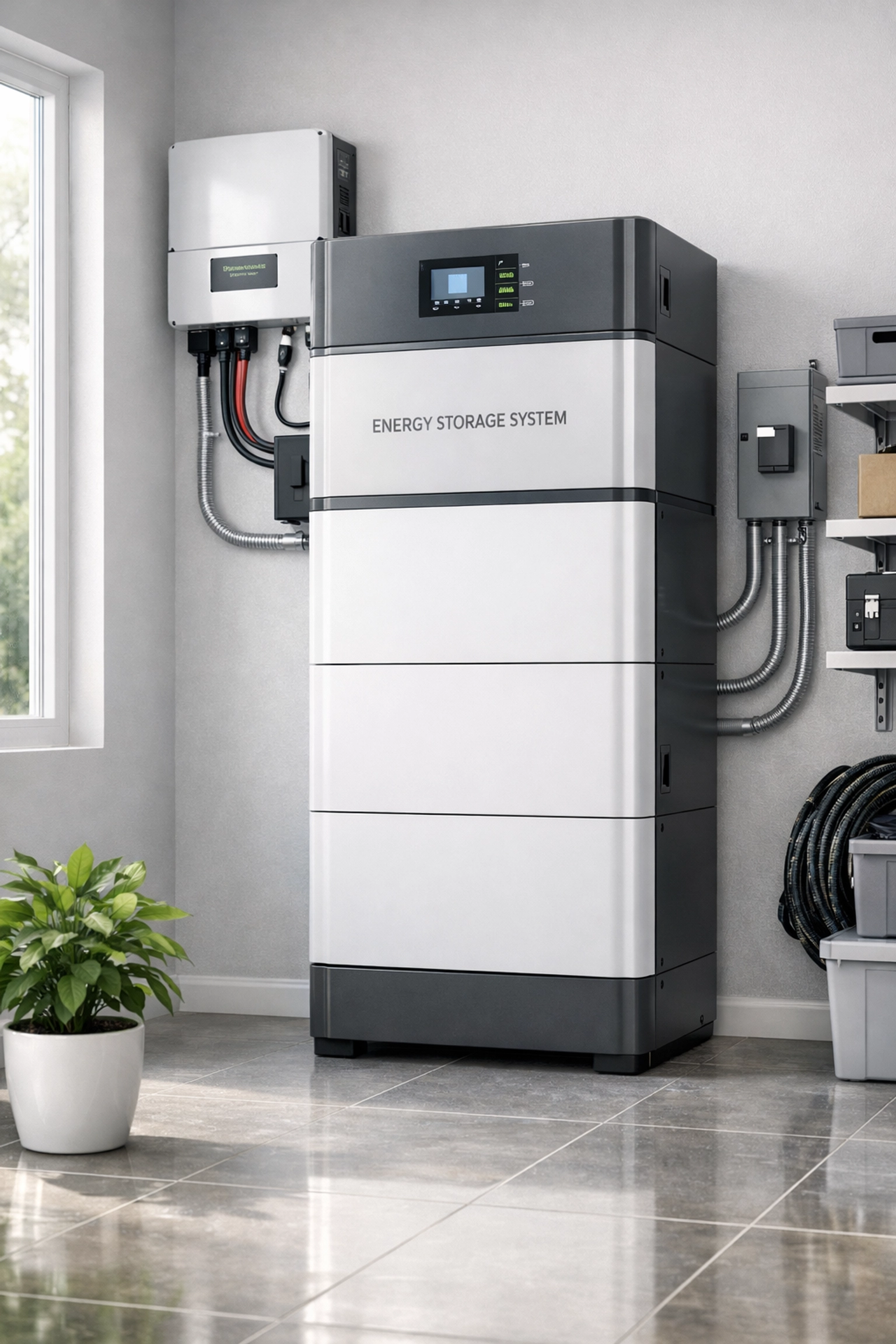
Both of these systems are "Hybrid" systems, meaning they handle both the solar panels and the battery storage in one unit. But they do it slightly differently.
If you are starting from scratch with a brand-new installation, the Tesla Powerwall 3 is incredibly elegant. You don’t need a separate inverter on the wall; everything goes into the Powerwall. This simplifies the solar panel installation guide process and saves space.
However, if you already have solar panels and just want to add a battery (this is called "retrofitting"), the GivEnergy All-in-One is often the more flexible choice. It can work alongside your existing system seamlessly.
Smart Features and Grid Trading
This is where things get really exciting. We are moving toward a "Smart Grid" in the UK.
Tesla is a leader here with its "Tesla Electric" and Virtual Power Plant (VPP) features. Your battery can actually talk to the grid and help balance supply and demand. Sometimes, you might even get paid to let the grid use a little bit of your stored power during peak times.
GivEnergy isn't lagging behind, though. Their systems integrate perfectly with Octopus Energy’s "Intelligent Octopus" and "Octopus Flux" tariffs. This allows the battery to automatically charge when prices are lowest, and sometimes even negative (meaning you get paid to use electricity!).
At DES, we are an Octopus Trusted Partner, so we can help you set up these smart configurations to ensure you're saving the maximum amount of money.
Which One Should You Choose?
It’s the million-pound question (well, hopefully just a few thousand). And the truth is, the "better" battery depends on your home.
Choose Tesla Powerwall 3 if:
- You want the best software: If you love data and a beautiful user interface, Tesla wins.
- You have a large solar array: The 3 MPPTs and high DC input make it the king of large solar setups.
- You care about aesthetics: Let’s be honest, the Powerwall looks like a piece of modern art on your wall.
- You want to expand later: Adding a second Powerwall "stack" is very straightforward.
Choose GivEnergy All-in-One if:
- You need raw power: If you have a large family and run lots of appliances at once, the GivEnergy’s discharge rate is a massive plus.
- You want a longer warranty: That extra two years of peace of mind is valuable.
- You’re retrofitting: If you already have solar, the GivEnergy system is often easier to integrate into your existing setup.
- You're on a budget: While prices fluctuate, GivEnergy often provides slightly better value for money in terms of "pounds per kilowatt."
The DES Renewable Energy Difference
Installing a home battery isn't just about bolting a box to the wall. It’s about understanding your home’s base load, your peak usage, and your future goals (like buying an EV).
Whether you choose Tesla or GivEnergy, the quality of the installation is what ensures your system lasts for 15+ years. As expert installers, we don't just "fit and forget." We guide you through the process, from calculating how many solar panels you need to ensuring your battery is optimized for the best tariffs.
And we understand if you're scratching your head at all the technical terms like "Round-trip efficiency" or "MPPT." That’s what we’re here for. We simplify the complex so you can just enjoy the lower bills.
Ready to Take the Next Step?
The "Tesla vs GivEnergy" debate is a good problem to have: it means you’re choosing between the two best systems on the market. Both will significantly reduce your carbon footprint and protect you from rising energy costs.
The best way to decide is to have a chat with a specialist who can look at your specific home and energy usage. Between you and our team, we can design a system that fits your lifestyle perfectly.
Want to see which system is right for your roof? Contact us today for a bespoke quote and let’s start your journey toward energy independence.