


Are you tired of watching your hard-earned solar energy disappear back into the grid for a few pennies, only to buy it back at full price once the sun goes down? If so, you aren't alone. Most homeowners we talk to are looking for the same thing: energy independence.
But when you start looking into solar batteries, two names tend to dominate the conversation: Tesla and GivEnergy.
Choosing between the Tesla Powerwall 3 and the GivEnergy All-in-One (AIO) can feel a bit like choosing between an iPhone and an Android. Both are fantastic pieces of tech that will drastically lower your bills, but they go about it in very different ways. And that's okay: we’re here to help you figure out which one actually fits your lifestyle.
At DES Renewable Energy Ltd, we’ve installed hundreds of these systems across the South of England. Whether you are looking for solar panel installation in Amesbury or a battery retrofit in Lymington, we’ve seen how these units perform in real-world UK conditions.
Understanding the Basics: Power vs. Capacity
Before we dive into the specs, we need to clear up two terms that often cause confusion: kW and kWh.
Think of your battery like a water tank.
- Capacity (kWh) is how much water the tank holds.
- Power (kW) is how wide the tap is.
If you have a massive tank but a tiny tap, you can’t run a powerful shower and the kitchen sink at the same time. Both the Tesla Powerwall 3 and the GivEnergy All-in-One have a capacity of 13.5 kWh, which is plenty to power the average UK home through the evening. But the "tap" (the power output) is where they differ.
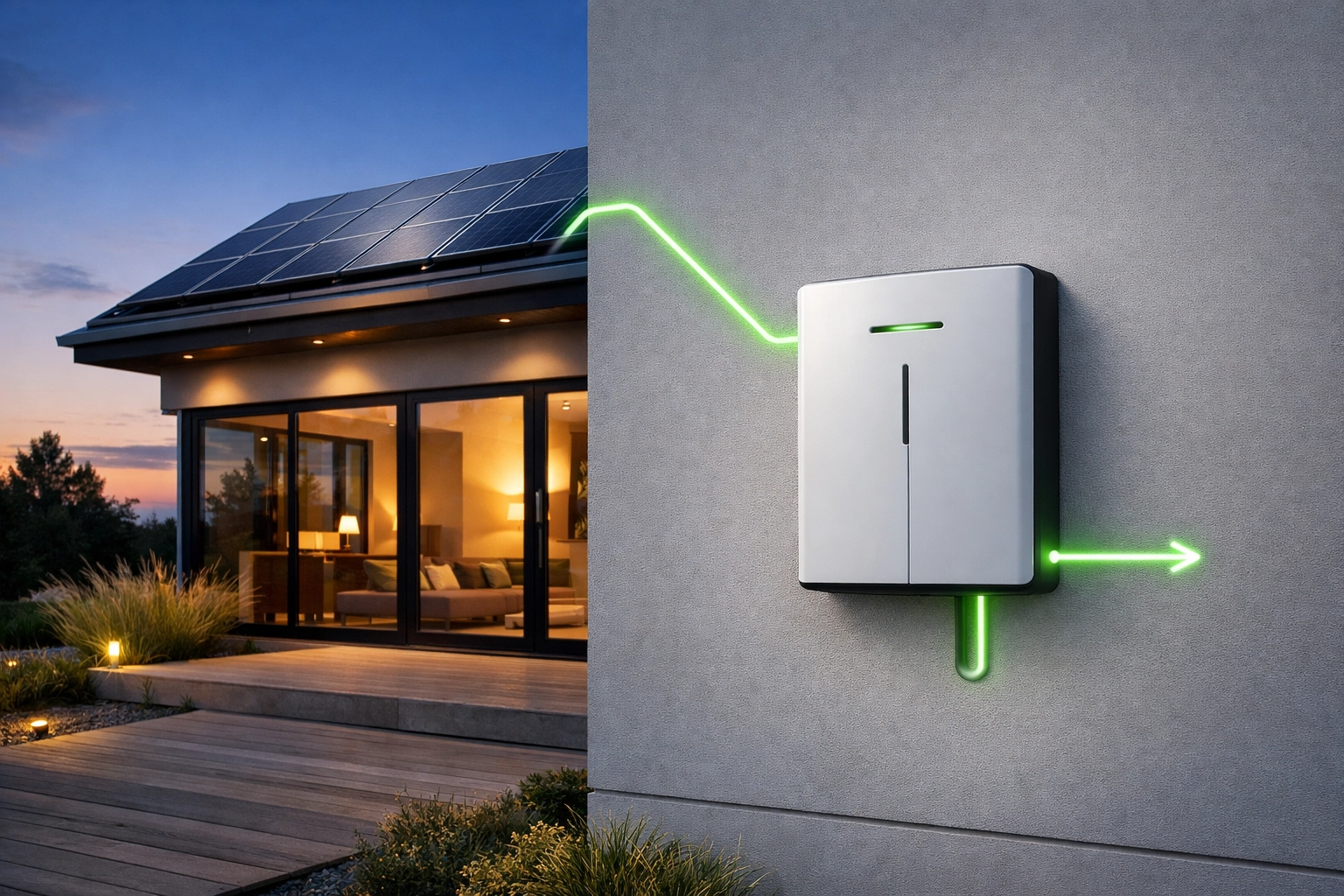
The Contender: Tesla Powerwall 3
Tesla is the name everyone knows, and for good reason. The Powerwall 3 is a beast of a machine. It isn't just a battery; it’s a fully integrated solar inverter and storage system.
What makes the Powerwall 3 stand out is its 11.5 kW continuous power output. That is a lot of "tap." In fact, it's enough to run almost your entire home during a power cut. We’re talking about the oven, the kettle, and the tumble dryer: all at once.
Why You’ll Love the Powerwall 3
- High Power Output: It handles high-demand appliances with ease.
- Integrated Inverter: It simplifies your setup by acting as the brain for both your solar panels and your battery. You can learn more about its specific features on our Tesla Powerwall 3 detail page.
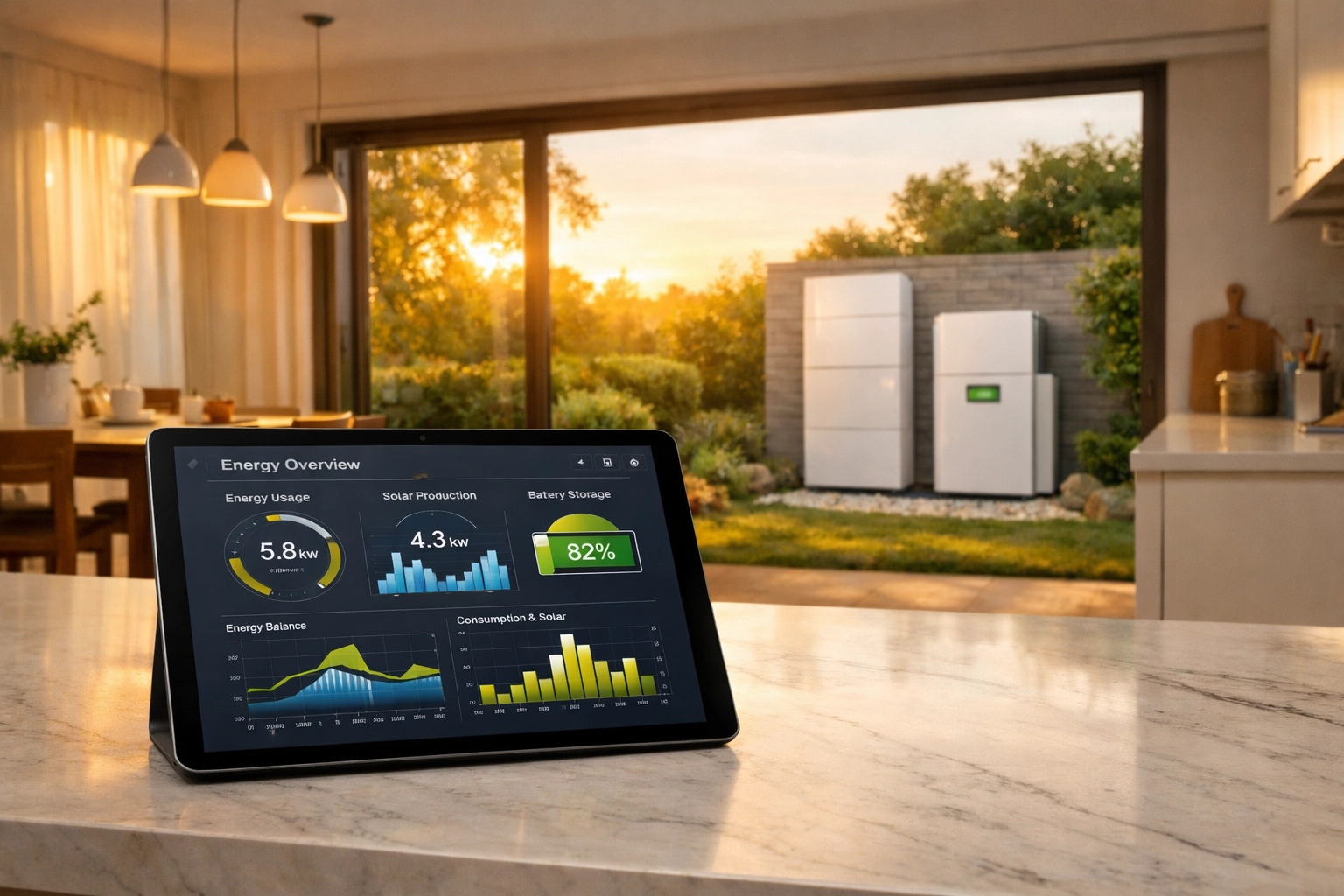
- The App: Tesla’s app is arguably the best in the business. It’s sleek, intuitive, and lets you manage your EV charging and solar in one place.
- Durability: It is designed for the outdoors. It’s water-resistant and dust-proof, meaning it doesn't have to take up space in your utility room.
The Challenger: GivEnergy All-in-One
GivEnergy is the British favourite. While Tesla goes for the "one-size-fits-all" powerhouse approach, GivEnergy focuses on flexibility and modularity.
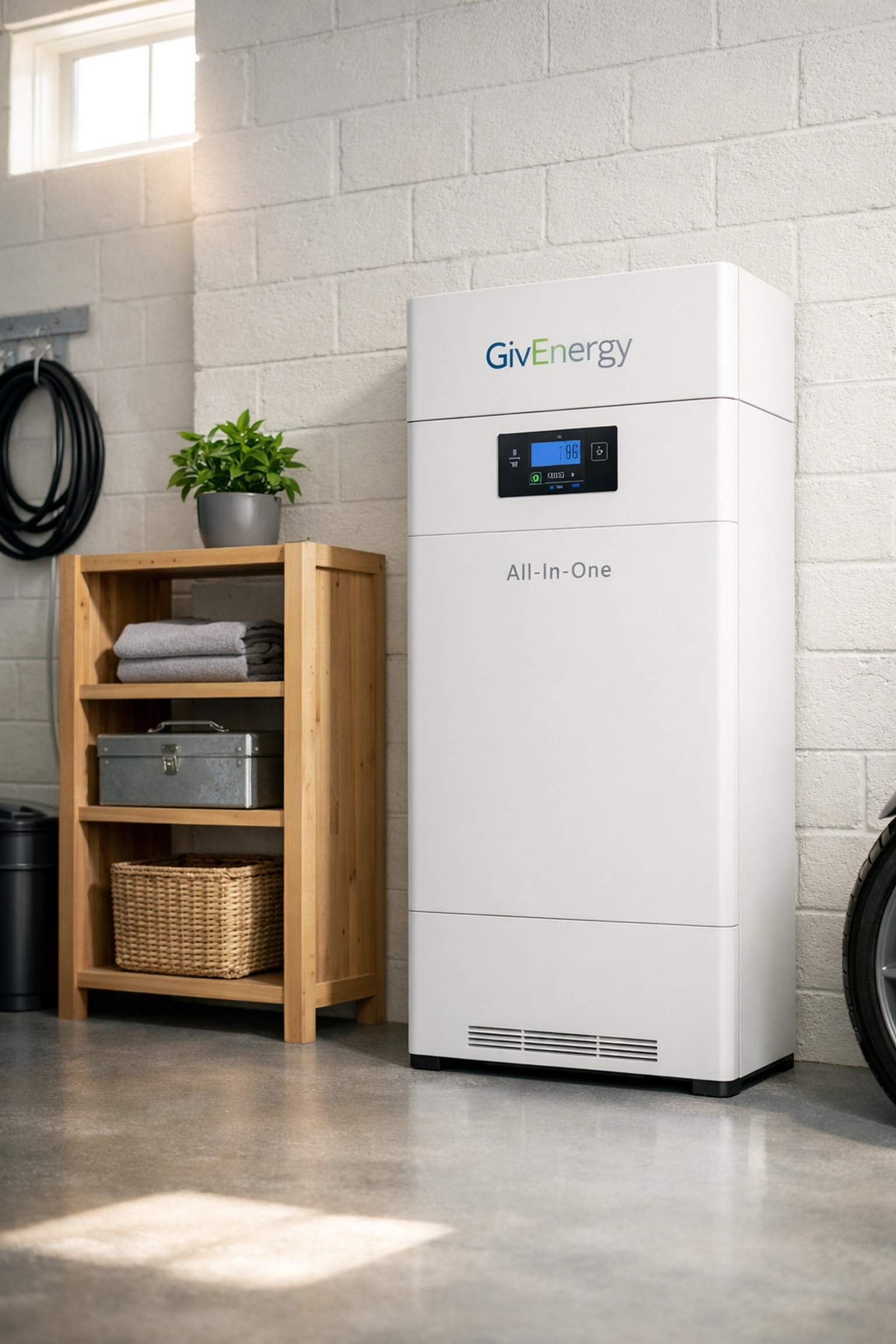
The GivEnergy All-in-One is a premium, floor-standing system that combines a powerful inverter with a 13.5 kWh battery. But unlike Tesla, GivEnergy is designed to be part of a wider, highly customizable ecosystem.
Why You’ll Love the GivEnergy AIO
- Faster Charging: The AIO can charge at 6 kW. If you are on a smart tariff with a short four-hour window of cheap electricity, that extra speed matters.
- Modularity: If 13.5 kWh isn't enough, you can add more. You can link up to six systems together.
- UK-Based Support: They have a massive presence in the UK, which often means parts and support are very easy to come by.
- Grid Services: GivEnergy is very active in "demand side response" schemes, which can actually pay you to help balance the grid.
Side-by-Side: The Technical Breakdown
Let’s look at the numbers. As a Tesla Powerwall Certified installer and an expert in various systems, we believe in being transparent with the data.
| Feature | Tesla Powerwall 3 | GivEnergy All-in-One |
|---|---|---|
| Usable Capacity | 13.5 kWh | 13.5 kWh |
| Continuous Power | 11.5 kW | 6 kW (peak 12 kW) |
| Battery Chemistry | LFP (Lithium Ferro Phosphate) | LFP (Lithium Ferro Phosphate) |
| Installation | Wall-mounted (Indoor/Outdoor) | Floor-standing (Indoor/Outdoor) |
| Inverter | Integrated Solar Inverter | Hybrid Inverter |
| Warranty | 10 Years | 12 Years |
| Round-trip Efficiency | ~90% | ~90% |
Which Chemistry is Better?
You might have noticed that both use LFP (Lithium Ferro Phosphate) chemistry. But what does that actually mean for you?
Earlier generations of home batteries often used Nickel Manganese Cobalt (NMC), which is the same stuff in your phone. LFP is the newer standard for home storage. It’s safer, more stable, and lasts much longer: it can be charged to 100% every single day without the same level of degradation you'd see in older batteries. So, on this front, it's a dead heat.
Real-World Performance: The "Blackout" Test
One of the main reasons people buy a battery is for backup power. But not all backups are created equal.
If the grid goes down, the Tesla Powerwall 3 is a king. Because of that 11.5 kW output, you likely won't even notice the lights flickered. You can continue living your life normally.
The GivEnergy AIO also offers backup, but at 6 kW continuous, you might need to be a bit more mindful. You can run your lights, your Wi-Fi, and your fridge, but maybe don’t turn the power-hungry electric shower on while the kettle is boiling.
Integration with Smart Tariffs (Octopus Energy)
At DES, we are an Octopus Trusted Partner. This is where these batteries really start to pay for themselves.
Both Tesla and GivEnergy work brilliantly with smart tariffs like Intelligent Octopus Go or Octopus Flux. These tariffs allow your battery to "buy" electricity when it’s cheap (like at 2 AM) and "sell" it back or use it when the grid is expensive (like 5 PM).
Tesla has a slight edge here with its "Time-Based Control" logic, which is incredibly "set and forget." It looks at your solar forecast and your usage patterns and decides when to charge. GivEnergy offers similar features, but often gives you more manual control if you’re the type of person who likes to tweak settings in an app.
Where Should You Install It?
Space is often the deciding factor for our customers in places like Fareham or Chippenham.
The Tesla Powerwall 3 is quite thin and designed to be bolted onto an external wall. It looks like a piece of modern art. It doesn't take up any floor space, which is a massive win if your garage is already full of bikes and boxes.
The GivEnergy AIO is a floor-standing unit. It’s a bit more substantial in terms of footprint. If you have a dedicated utility room or a large garage, it's a great fit. But if space is at a premium, the Tesla might be the winner.
The Verdict: Which One Should You Choose?
There is no "wrong" choice here, but there is a "right" choice for your home.
Choose the Tesla Powerwall 3 if:
- You have high energy demands (multiple EVs, heat pumps, or large electric appliances).
- You want a "set and forget" system with a world-class app experience.
- You have limited indoor space and want an outdoor, wall-mounted solution.
- You are installing a new solar array and want a high-powered integrated inverter.
Choose the GivEnergy All-in-One if:
- You want the peace of mind of a 12-year warranty and UK-based support.
- You might want to expand your storage capacity significantly in the future.
- You want a system that is highly flexible and integrates well with a wide range of existing solar setups.
- You prefer a floor-standing unit and have the space to accommodate it.
How DES Can Help
Deciding on a solar battery is a big investment. We understand that you want to get it right the first time. Whether you are looking for solar panel installation in Dorchester, Eastleigh, or Christchurch, our team is on hand to help.
We don’t just "fit" batteries; we design energy systems. We'll look at your annual usage, your roof orientation, and your future plans (like getting an EV) to recommend the system that will actually save you the most money.
Ready to stop wasting your solar energy? Contact us today to discuss your needs with one of our experts. We'll help you navigate the jargon and find the perfect power solution for your home.