


Thinking about going solar? You've probably been bombarded with promises of slashed energy bills and a greener future. But you're smart enough to know that nothing is perfect: and you want the full picture before making a decision.
We get it. And honestly? That's exactly the right approach.
At DES Renewable Energy, we believe you deserve complete transparency. So let's break down the real advantages and disadvantages of solar power: the good, the not-so-good, and everything in between. By the end, you'll have the knowledge to decide whether solar is right for your home.
The Advantages of Solar Power
Let's start with the positives. There's a reason solar has become one of the fastest-growing energy sources in the UK: and it's not just hype.
Significant Savings on Your Energy Bills
This is the big one. Once your solar panels are installed, the electricity they generate is essentially free. Sunlight doesn't come with a monthly invoice.
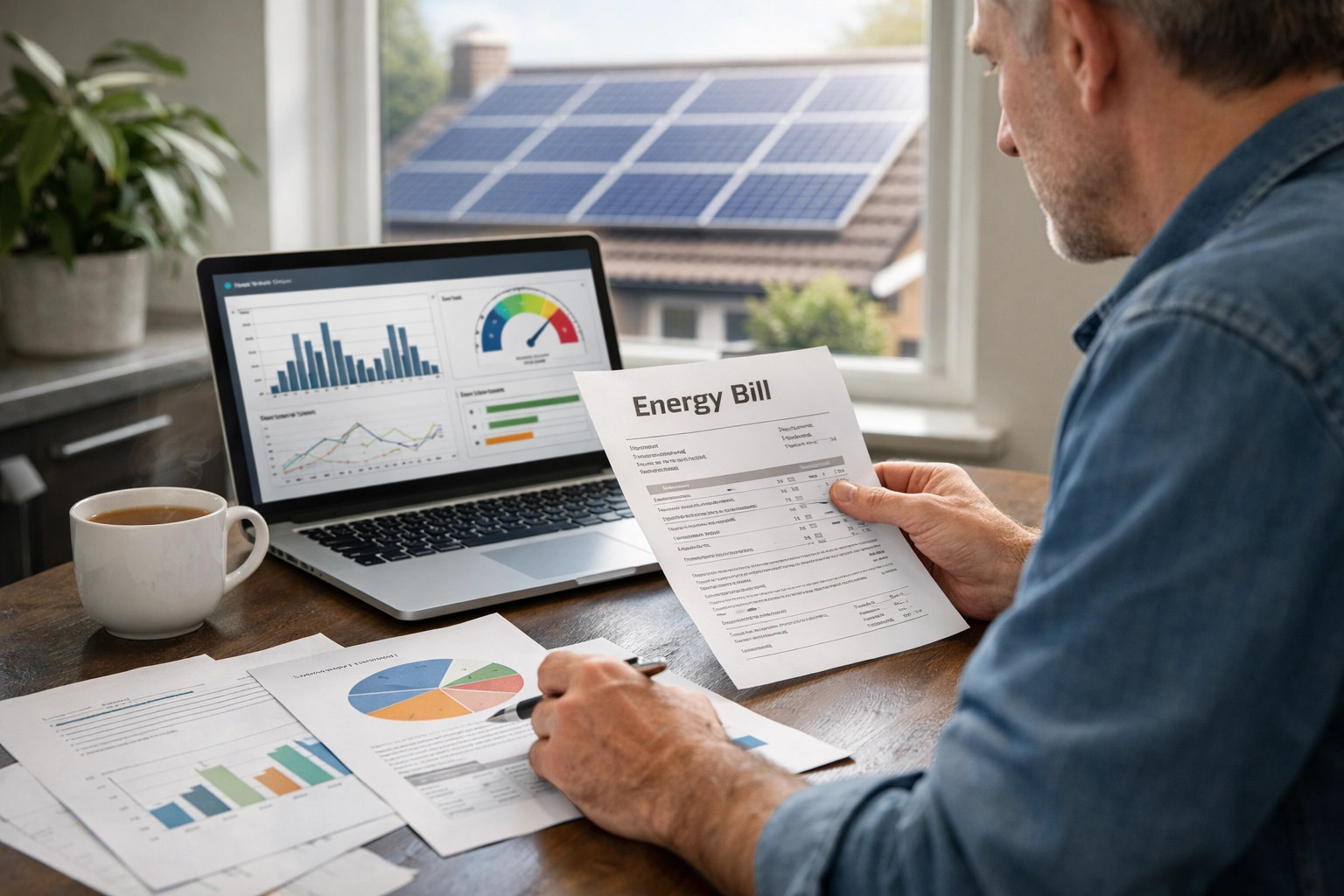
The average UK household can save between £300 and £700 per year on electricity bills, depending on system size and energy usage. And with energy prices continuing their unpredictable climb, those savings become more valuable every year.
Think of it this way: you're locking in a portion of your electricity costs at today's prices: forever.
A Smaller Carbon Footprint
Solar panels produce zero emissions during operation. No greenhouse gases, no air pollution, no noise pollution. Just clean, quiet energy from the sun.
If reducing your environmental impact matters to you, solar is one of the most effective steps you can take. A typical residential system can offset several tonnes of carbon dioxide over its lifetime: equivalent to planting dozens of trees.
Want to dive deeper into sustainability? Check out our guide on how to reduce your carbon footprint.
Energy Independence
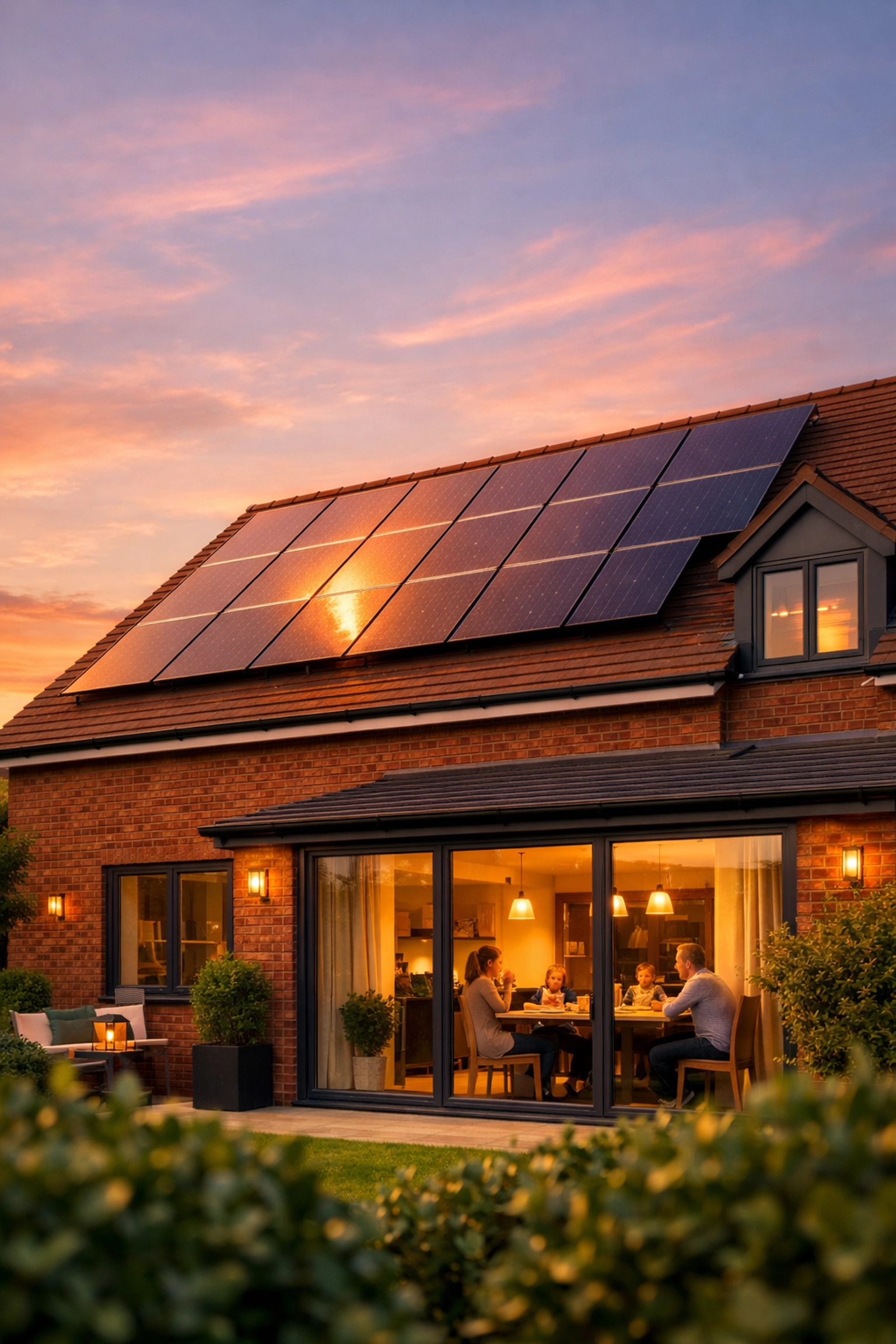
There's something genuinely liberating about generating your own electricity. You become less reliant on the grid and less vulnerable to price hikes from energy suppliers.
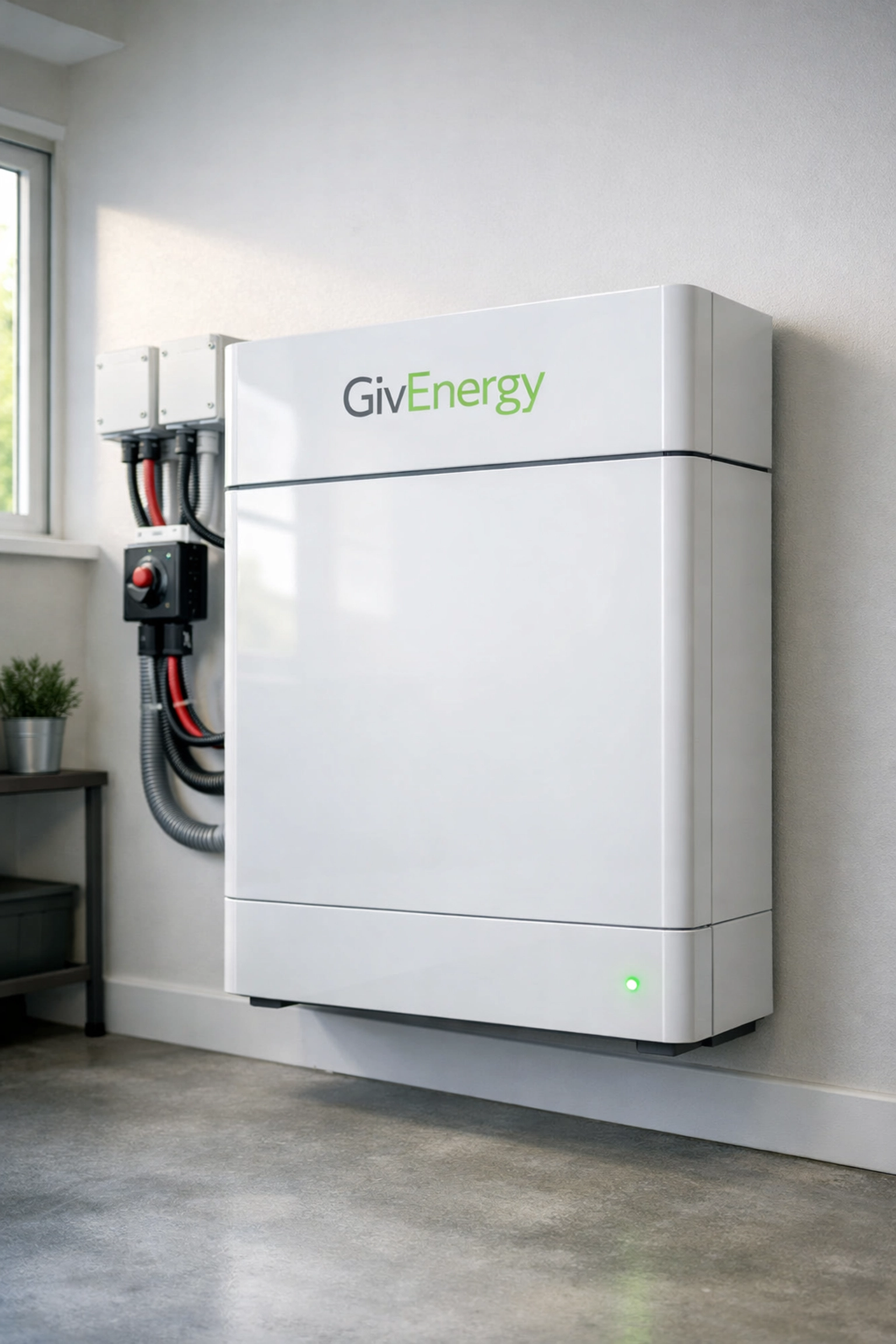
Pair your panels with a battery storage system, and you can store excess energy for use in the evening or during outages. That's real energy security: on your terms.
Low Maintenance Requirements
Here's a pleasant surprise: solar panels require very little upkeep. There are no moving parts to wear out. A quick clean once or twice a year is usually all they need.
Most quality panels come with 25-year performance warranties, and many systems continue producing electricity well beyond that. It's a "set it and forget it" investment that keeps working for decades.
For tips on keeping your system in top shape, have a look at our article on how to clean solar panels on your roof.
Potential to Increase Property Value
Studies consistently show that homes with solar installations sell for more than comparable homes without. Buyers recognise the value of lower energy bills and built-in sustainability.
It's an investment that pays dividends now: and potentially again when you sell.
The Disadvantages of Solar Power
Now for the honest conversation. Solar isn't perfect, and pretending otherwise wouldn't help you make a good decision. Let's address the solar electricity disadvantages you should consider.
The Upfront Cost
Let's not dance around it: installing a solar system requires a significant initial investment. A typical residential installation in the UK can range from £5,000 to £12,000 depending on system size and specifications.
That's real money. And while the long-term savings are substantial, you need to be comfortable with that upfront commitment.
The good news? Costs have dropped dramatically over the past decade, and various financing options can spread the expense over time. We explore the financial side in detail in our article on whether solar panels are a good investment.
Weather and Sunlight Dependency
Solar panels need sunlight to generate electricity. That means no generation at night and reduced output on cloudy days.
Living in the UK, you might be thinking, "Great, so they'll work three days a year then?" But here's the reality: modern panels are surprisingly effective even in overcast conditions. The UK receives enough sunlight for solar to be worthwhile: we wouldn't be installing systems across Dorset if it didn't work.
That said, your output will vary seasonally. Summer months will be significantly more productive than winter ones.
Roof Suitability
Not every roof is ideal for solar. Factors that affect suitability include:
- Orientation – South-facing roofs are optimal, though east and west can work well too
- Shading – Trees, chimneys, or neighbouring buildings can reduce output
- Roof condition – Older roofs may need repair before installation
- Available space – You need enough unobstructed area for the panels
If your roof isn't suitable, ground-mounted systems are sometimes an option: but they require garden space and additional planning considerations.
Curious about what you'd need? Our guide on how many solar panels you need can help you estimate.
Energy Storage Costs
If you want to use solar energy when the sun isn't shining, you'll need battery storage. And batteries add to the overall system cost: sometimes significantly.
A quality battery system can add £2,500 to £6,000 to your installation. However, for many households, the ability to store and use your own energy (rather than exporting it back to the grid at lower rates) makes this a worthwhile addition.
Efficiency Limitations
Here's a technical reality: most solar panels convert around 20% of the sunlight they receive into usable electricity. That might sound low, but it's actually quite impressive given where the technology started: and efficiency continues to improve year on year.
The key is ensuring your system is properly sized for your needs and positioned for maximum output. That's where working with experienced installers makes a real difference.
How to Mitigate the Disadvantages
Here's where things get interesting. Many of the drawbacks of solar power can be significantly reduced: or even eliminated: with the right approach and equipment.
Choose Quality Components
Not all solar equipment is created equal. At DES Renewable Energy, we use premium components from trusted manufacturers like SolarEdge and GivEnergy for good reason.
| Component | Why It Matters |
|---|---|
| SolarEdge Inverters | Optimise each panel individually, so shading on one panel doesn't drag down the whole system |
| GivEnergy Batteries | Reliable, efficient storage with smart monitoring to maximise self-consumption |
| Tier 1 Solar Panels | Higher efficiency, better warranties, and proven long-term performance |
Quality equipment costs a bit more upfront but delivers better performance, longer lifespan, and greater peace of mind over the 25+ years your system will operate.
Work with Experienced Installers
A poorly designed or installed system will underperform: sometimes dramatically. The right installer will assess your roof, understand your energy usage, and design a system that maximises your return.
We've put together a guide on how to choose the best solar panel installation company to help you ask the right questions.
Consider Your Energy Habits
Solar works best when you can use electricity during daylight hours. Running your washing machine, dishwasher, or EV charger during the day means using your free solar electricity directly.
If your household is empty during the day, battery storage becomes more valuable: allowing you to shift that daytime generation to evening use.
The Bottom Line: Is Solar Worth It?
For most homeowners in the UK, the advantages of solar power outweigh the disadvantages: particularly when you factor in rising energy costs, environmental benefits, and improving technology.
But "most" doesn't mean "all." Your specific situation matters: your roof, your budget, your energy usage, and your goals.
The best way to know for sure? Have a proper assessment. At DES Renewable Energy, we'll give you an honest evaluation: including whether solar makes sense for your home. No pressure, no hard sell. Just the information you need to make the right choice.
Ready to find out if solar is right for you? Get in touch with our team for a free, no-obligation consultation.